
News
-

Taiwan has opened a new military drone campus in Chiayi. The adjoining industrial park is intended to expand domestic production, testing, and component capacity through 2028.
-
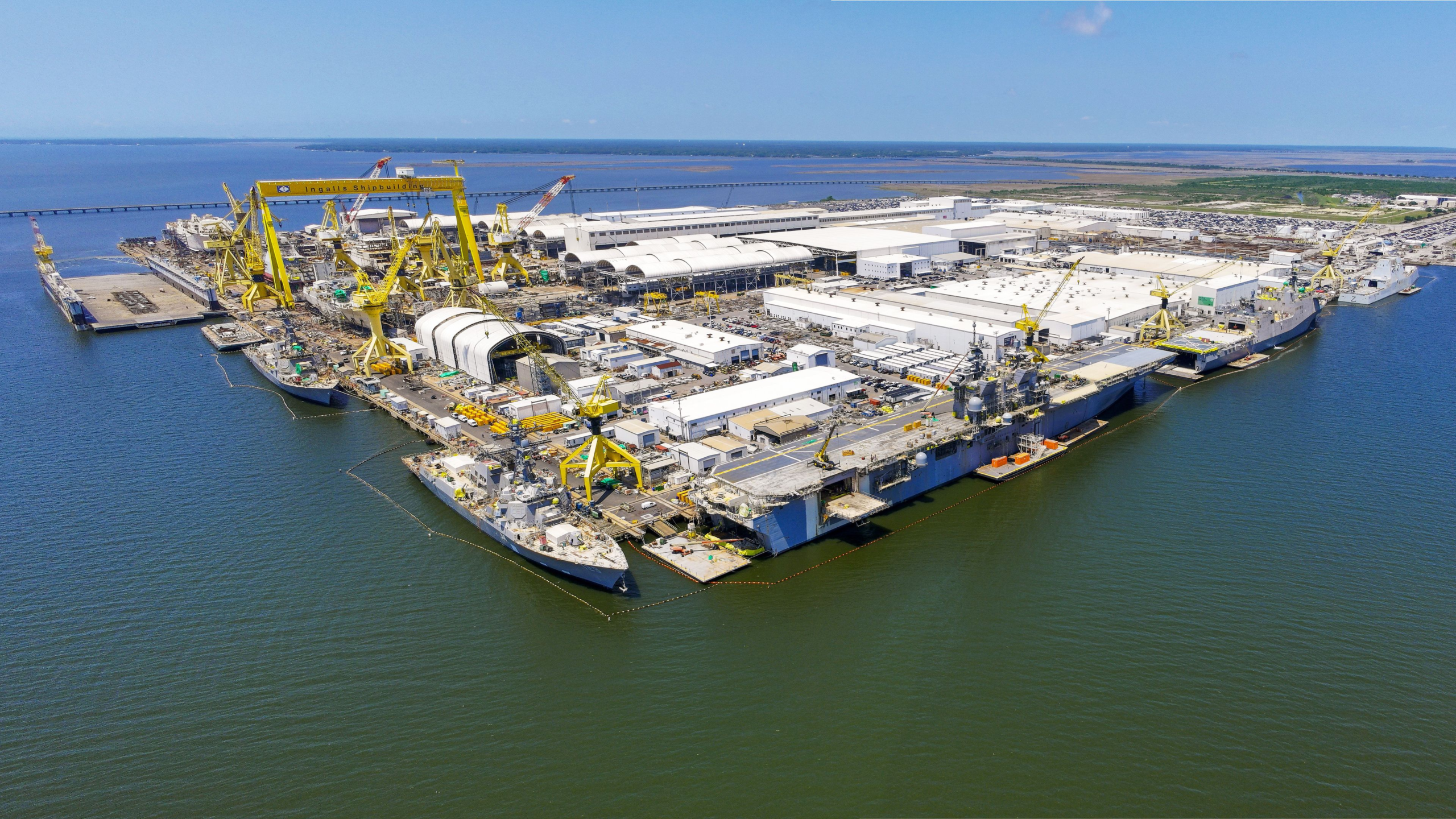
HII’s FF(X) frigate has passed its critical design review milestone. The US Navy and Ingalls are now conducting pre-production work while foreign frigate options remain under study.
-
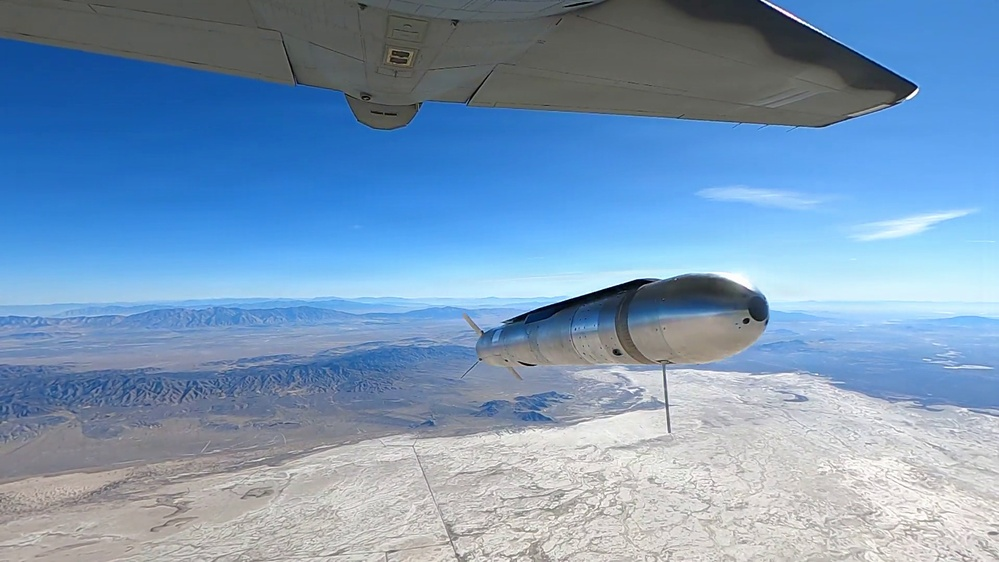
Kongsberg has secured $404 million for Naval Strike Missile production. The contract covers launcher units, weapon control systems, support equipment, and sustainment through 2034.
-
Metallus has secured a $995 million contract for HF-1 steel. The five-year award reinforces a critical upstream material route for US large calibre ammunition production.
-

Poland has renewed its proposal for Patriot interceptor production domestically. The latest statement revives a July offer to host US-licensed manufacturing on Polish territory.
-
ASELSAN has demonstrated KORKUT 35 against drones during mobile firing. The 8×8 system engaged several UAV profiles before defence delegations from 12 countries.
-
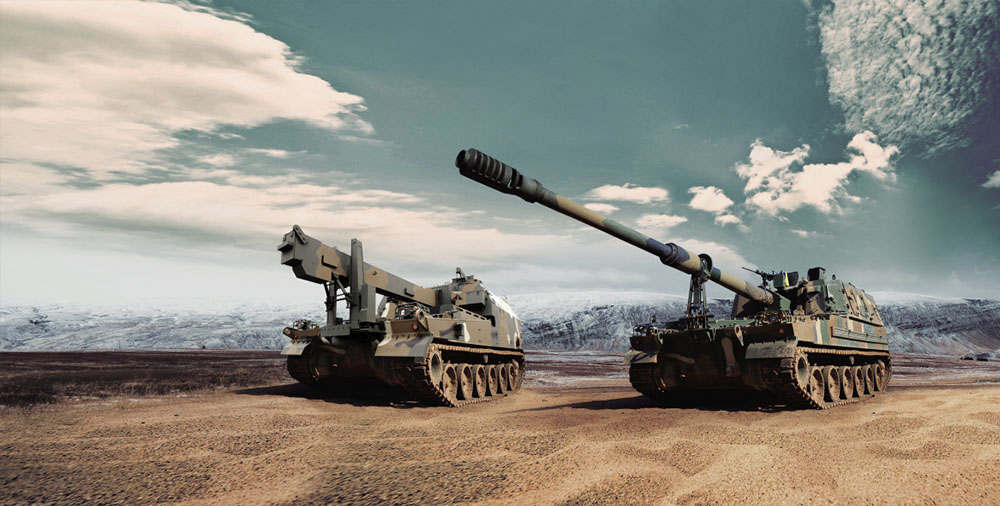
Romania has received its first K9 and K10 artillery vehicles. The initial South Korean-built batch precedes local production at Hanwha’s new Petrești facility.
-
Turkish pilots have begun Typhoon conversion training at RAF Coningsby. The programme starts building Türkiye’s instructor cadre four years before planned aircraft deliveries.
-
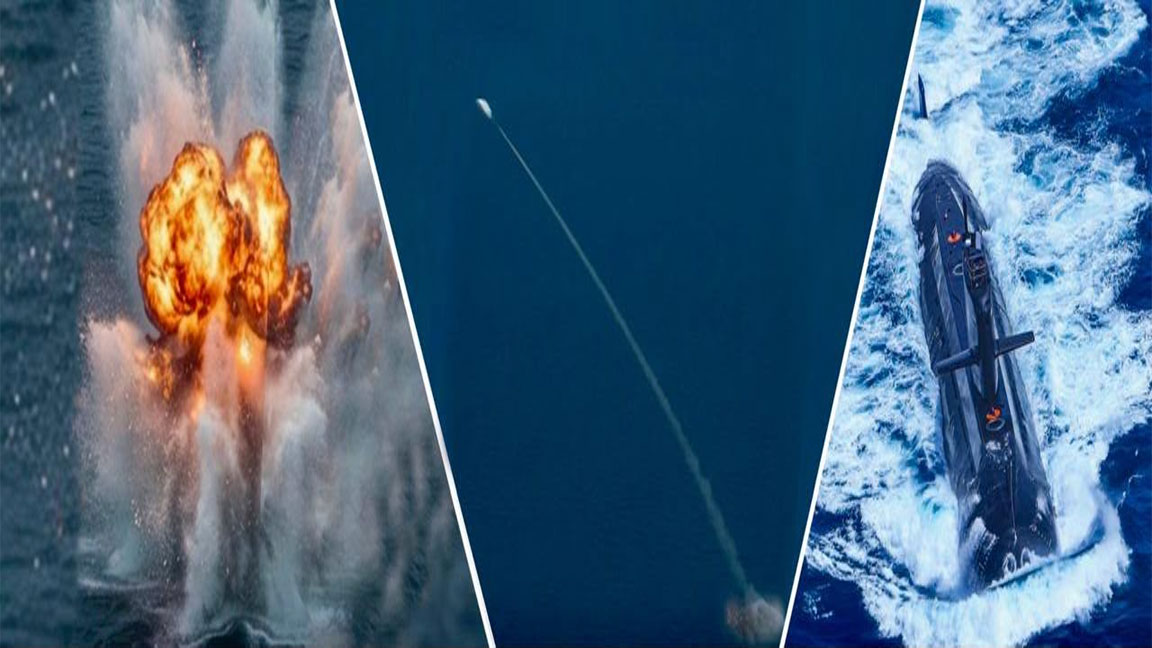
Pakistan’s Hangor submarine has completed its first live missile firing. The test moves the Chinese-built class from induction towards operational weapons activity.
-
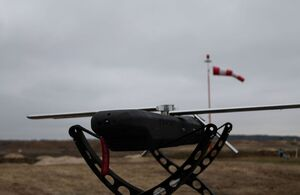
Cambridge Aerospace plans Japanese production for its Skyhammer drone interceptor. The move would extend the British company’s manufacturing footprint into a market pursuing additional counter-UAS capacity.