
News
-

BAE Systems has secured four years of UK artillery support. The Babcock-awarded framework covers weapon system components for the 105mm Light Gun and wider artillery portfolio as domestic barrel manufacturing capacity returns.
-
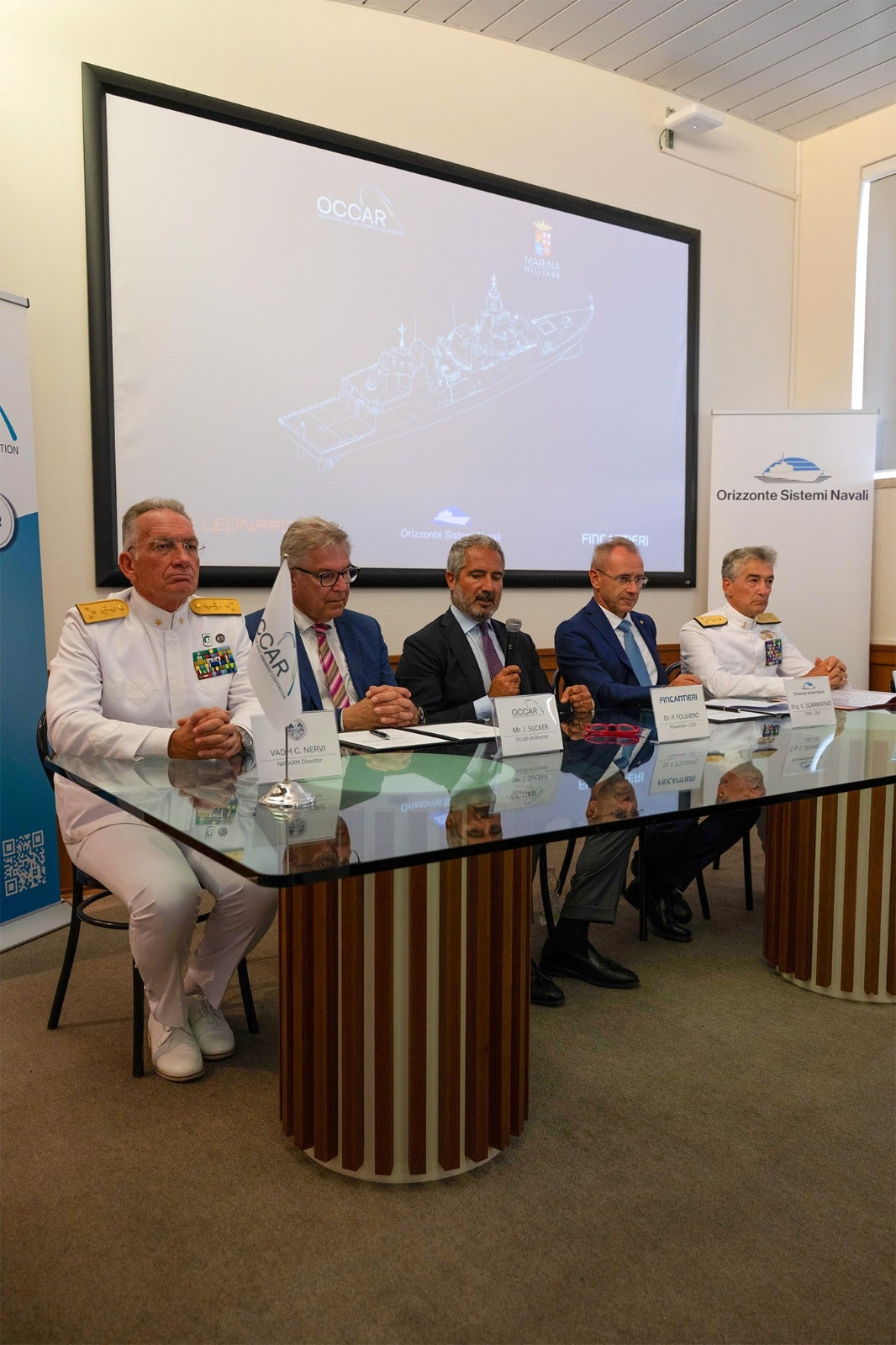
Italy has formally launched its next-generation DDX destroyer programme today. The €3.7bn package covers development, production, logistics work, advanced combat systems, and initial support for up to two Italian Navy ships.
-

WireMasters has appointed Shane Pokrifka to support aerospace defence customers. His engineering background spans missile propulsion, hypersonics, flight testing, supplier management, and technical business development.
-
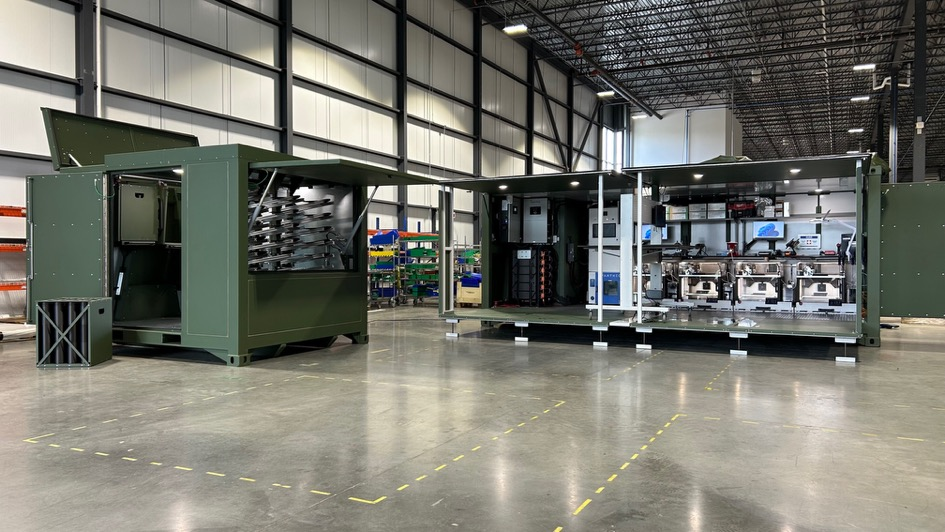
Sentinel has launched a Canadian consortium for deployable defence infrastructure. StarForge combines field manufacturing, communications, autonomy, sensing, power, and command technology under one integration programme.
-
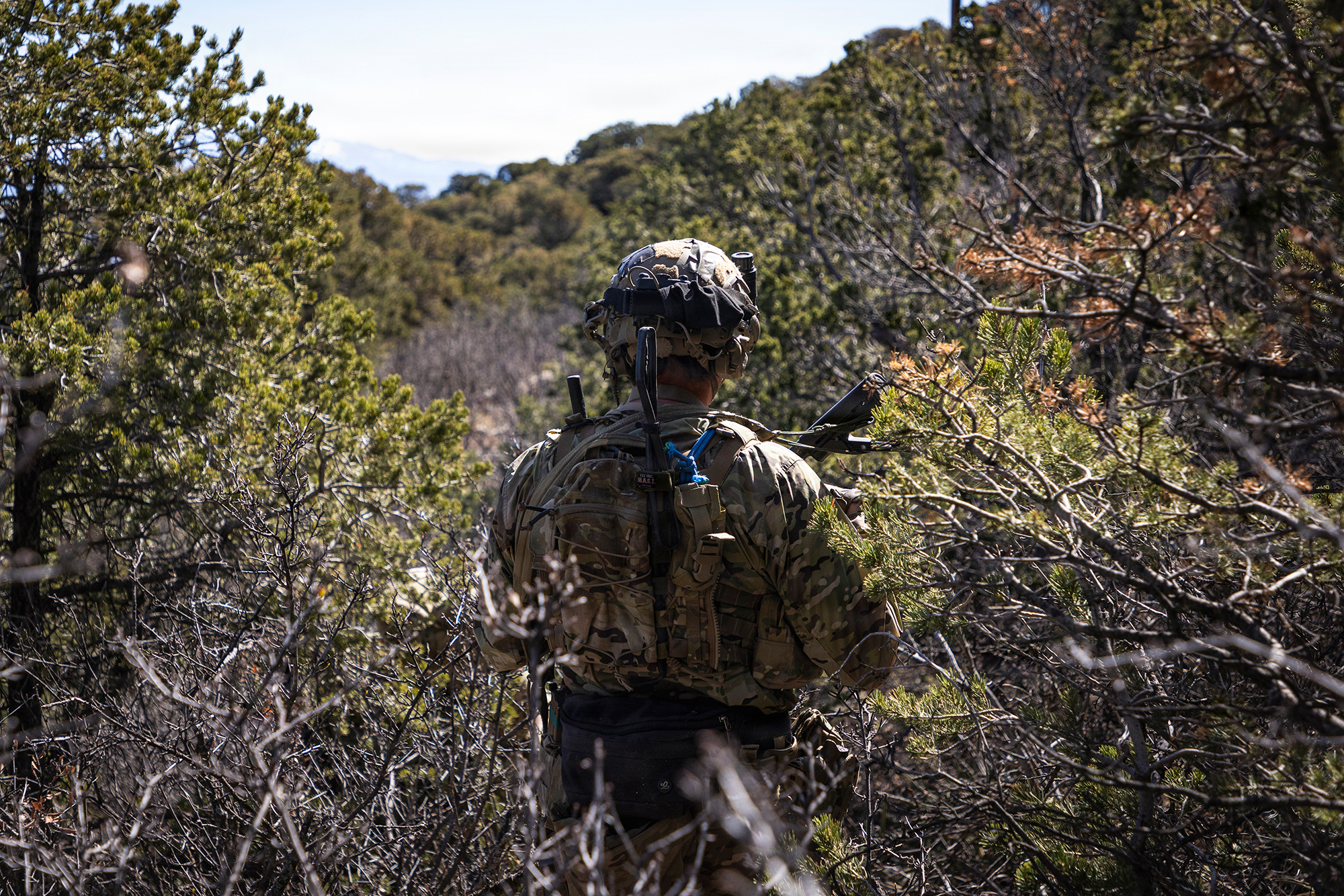
Tycho.AI will develop ten portable counter-UAS interceptors for special forces. The $900,000 programme targets autonomous protection for dismounted operators in contested and GPS-denied environments.
-

Mexico has ordered a second C-130J-30 Super Hercules transport aircraft. The follow-on acquisition continues recapitalisation of the Mexican Air Force’s longstanding tactical airlift capability.
-
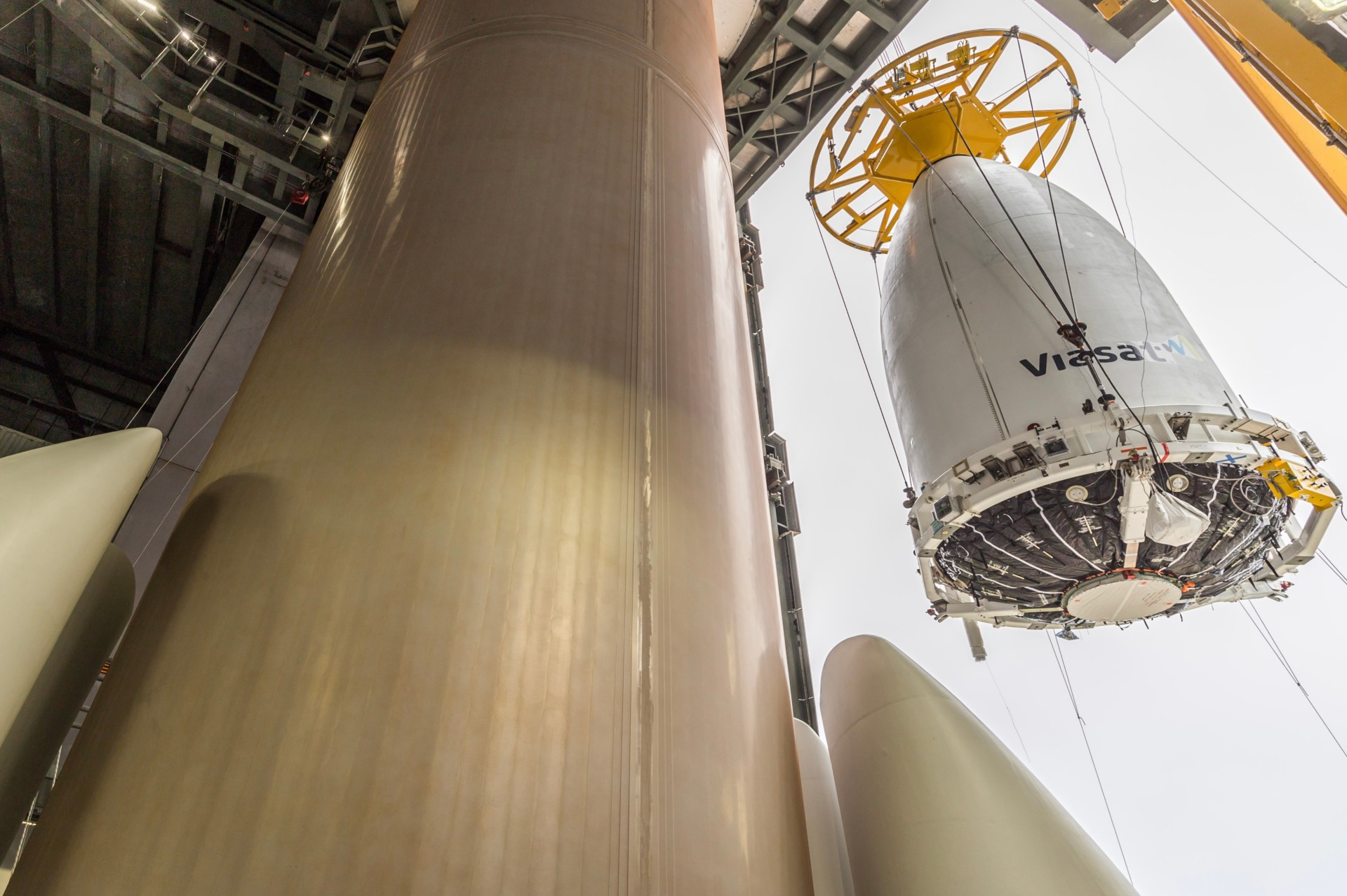
Viasat has secured initial Marine Corps multi-orbit satellite services work. The $42 million task order sits under a seven-year MECS2 contract with a ceiling of up to $307 million.
-
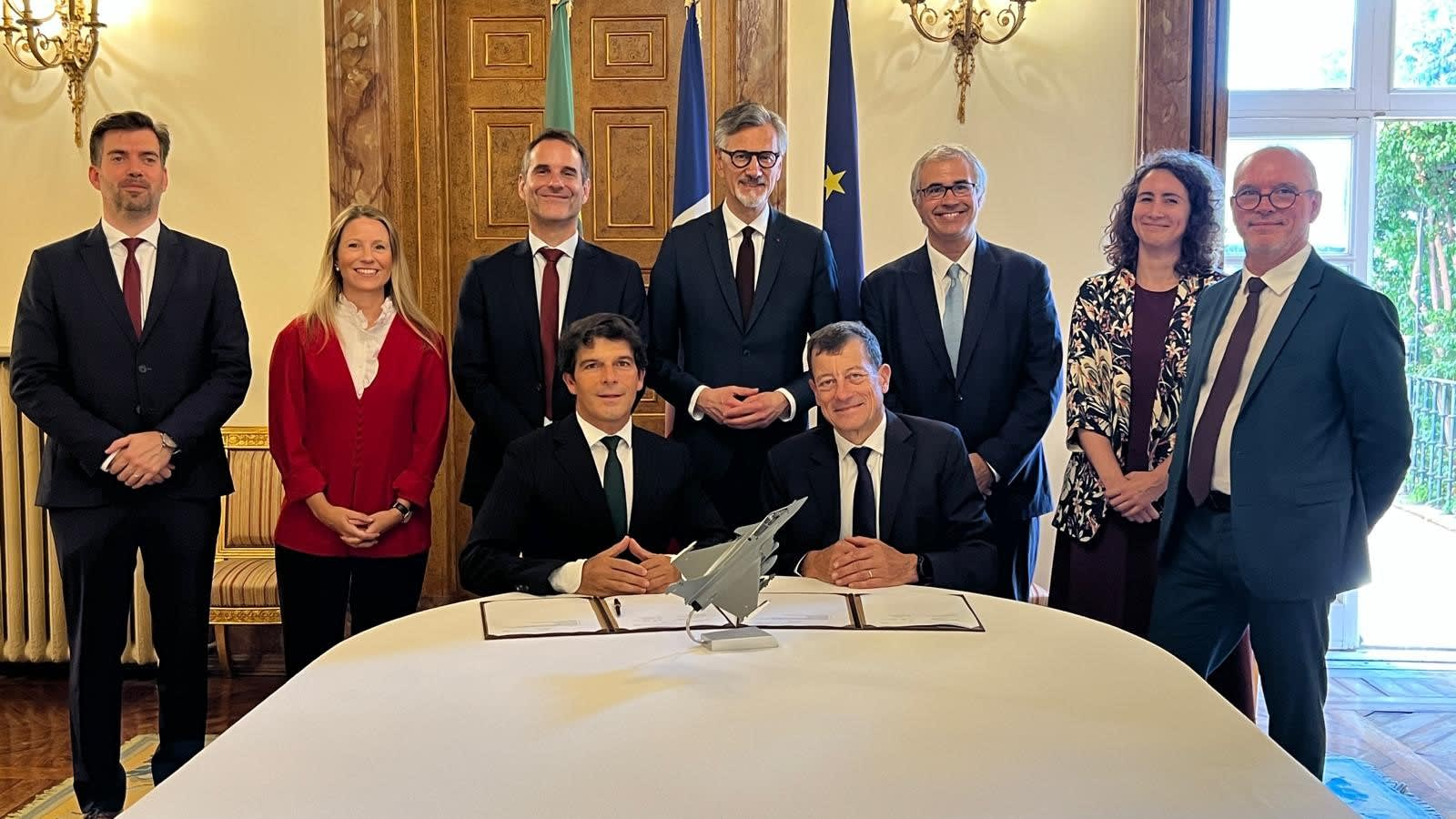
Dassault has opened Rafale industrial cooperation talks with Portuguese industry. The agreement with AED Cluster Portugal accompanies its bid to replace the Portuguese Air Force’s F-16 fleet.
-

RAF creates Britain’s first dedicated military unit for space effects. No. III Space Effects Squadron will counter hostile activity threatening UK access to critical orbital services and infrastructure.
-
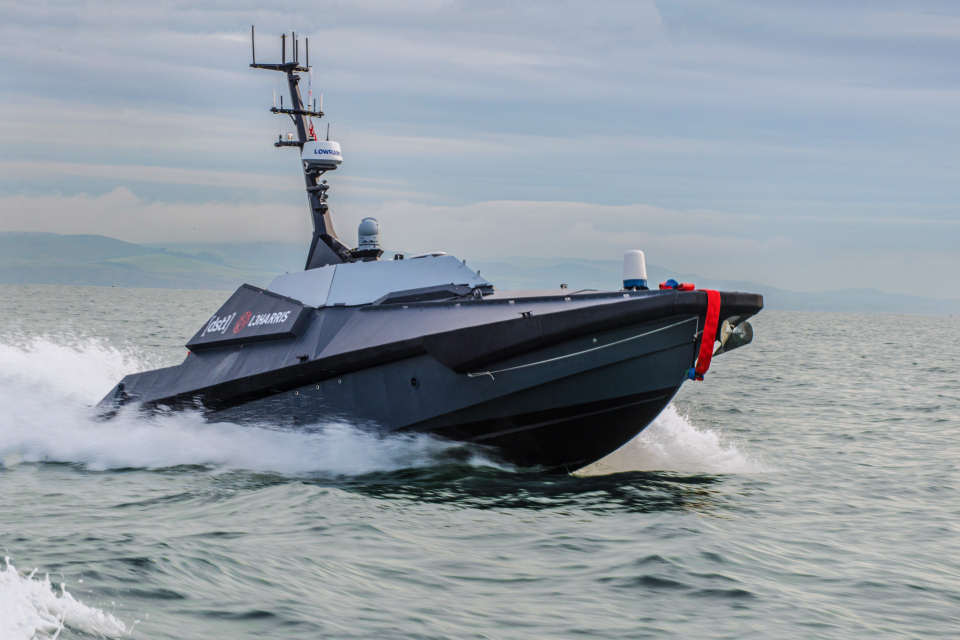
Plymouth has secured £50 million for maritime autonomy growth plans. The approved programme could unlock another £34 million from industry and local partners while creating nearly 1,000 jobs.