
News
-

GM Defense has received a major ISV Utility modification award. The $697.7 million contract change supports engineering changes as Army demand for the light vehicle family expands.
-

Image Scan has secured ClanTect’s first major post-acquisition contract win. Six human-presence detection systems will support state border-security operations in Eurasia.
-
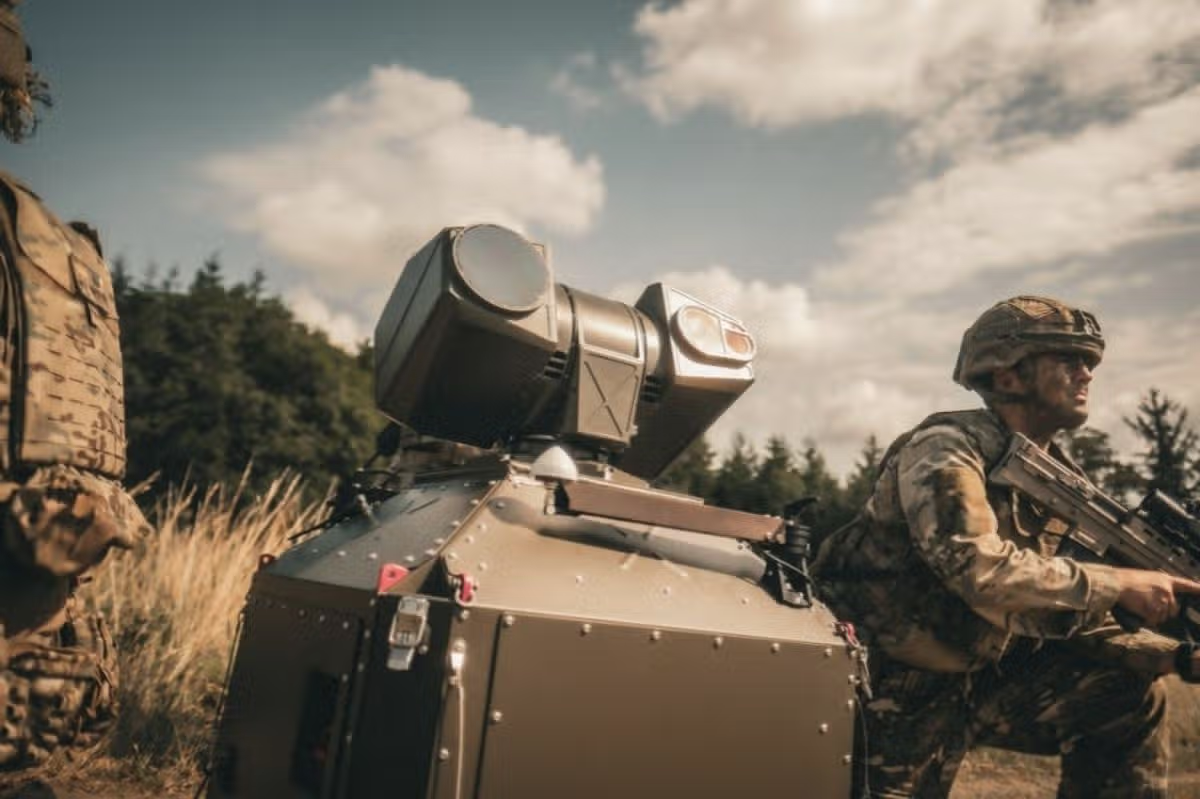
OpenWorks is expanding its American counter-drone manufacturing and support footprint. A Virginia headquarters is operating, with a Detroit production facility planned for later in 2026.
-
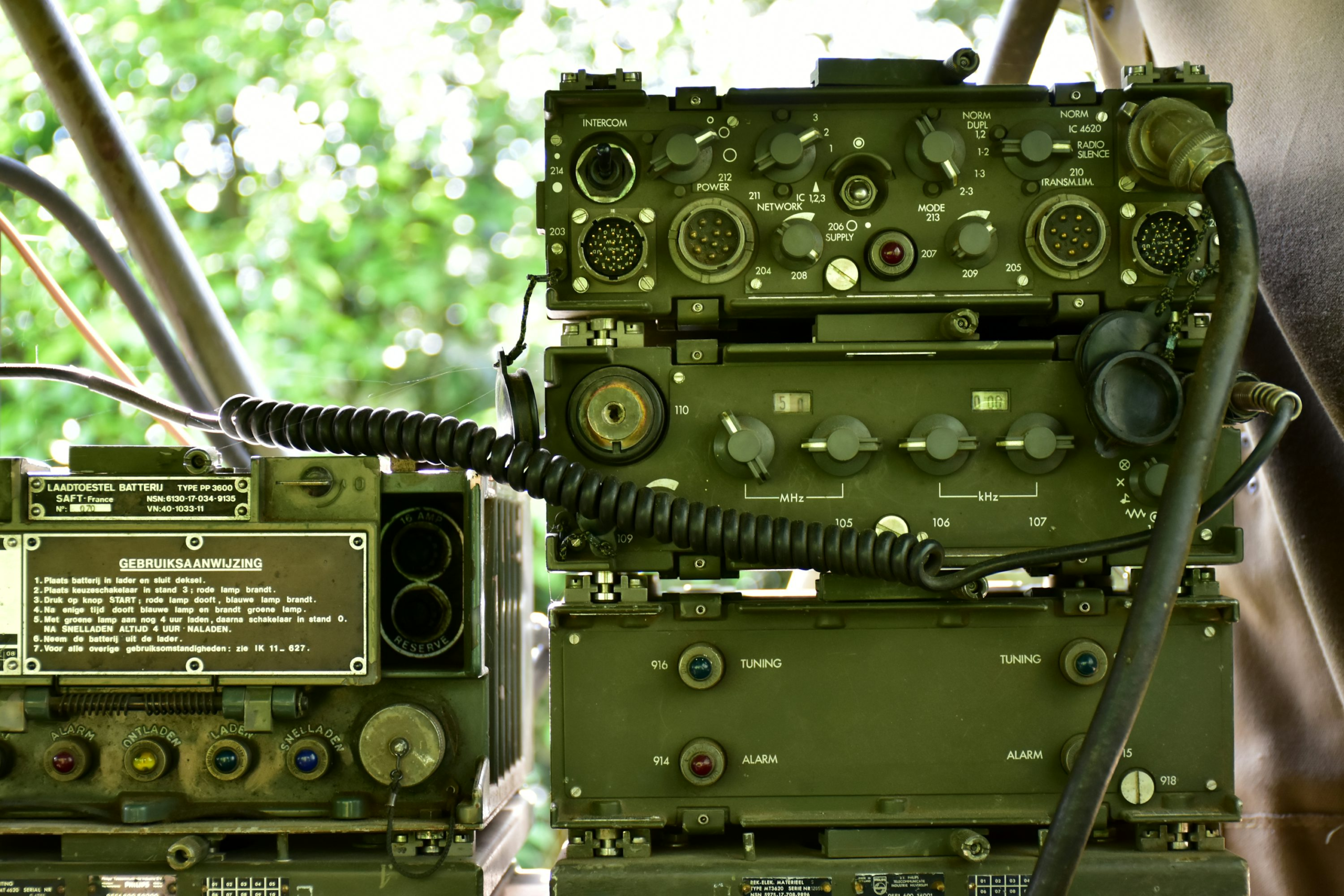
Bittium and Safran will explore French tactical communications programmes together. Their two-year agreement spans air defence, counter-drone systems, unmanned platforms, mission networks, and soldier radios.
-
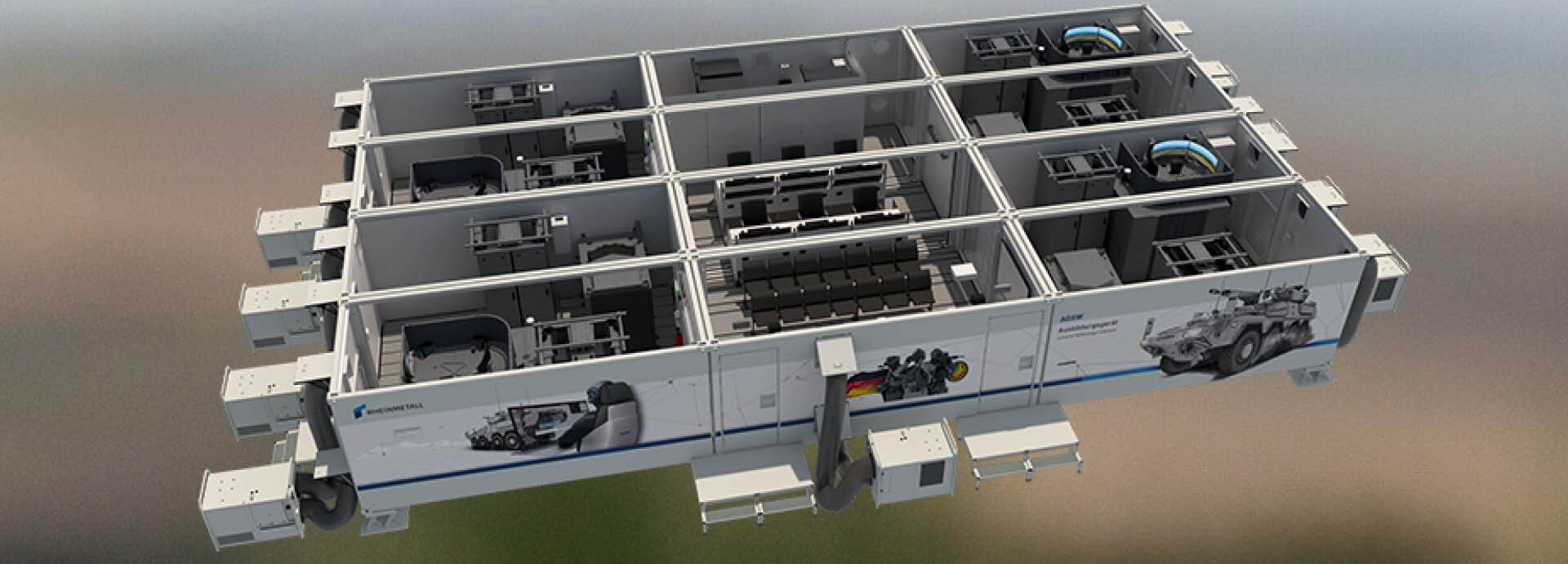
Rheinmetall has cleared factory acceptance for Germany’s new infantry simulator. Five AGSW systems are due by mid-2027 as training begins alongside Heavy Infantry Weapon Carrier deliveries.
-
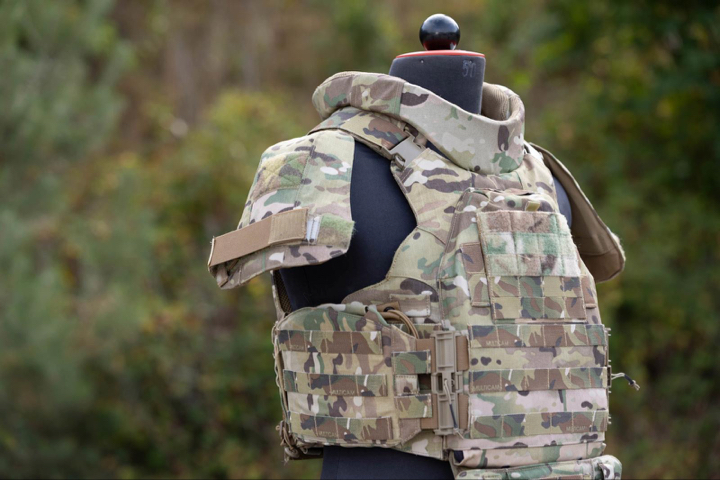
Dutch Defence is tightening procurement control over critical super fibres. European origin requirements could reach existing contracts as the Netherlands seeks to protect strategically important production capacity.
-
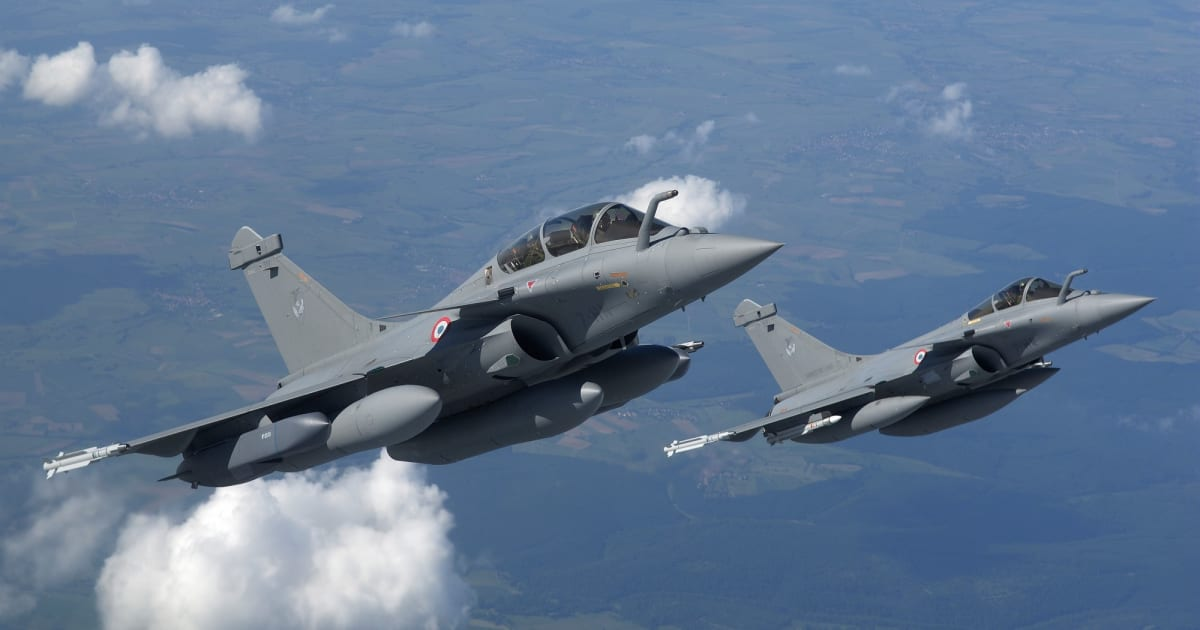
Dassault has flight-tested two sovereign AI algorithms aboard Rafale aircraft. Both are mature enough for potential future upgrades as France develops supervised AI for collaborative air combat.
-
Britain and America have fired a torpedo from uncrewed Excalibur. The AUKUS trial moves the Royal Navy’s experimental XLUUV into heavyweight weapon release testing.
-
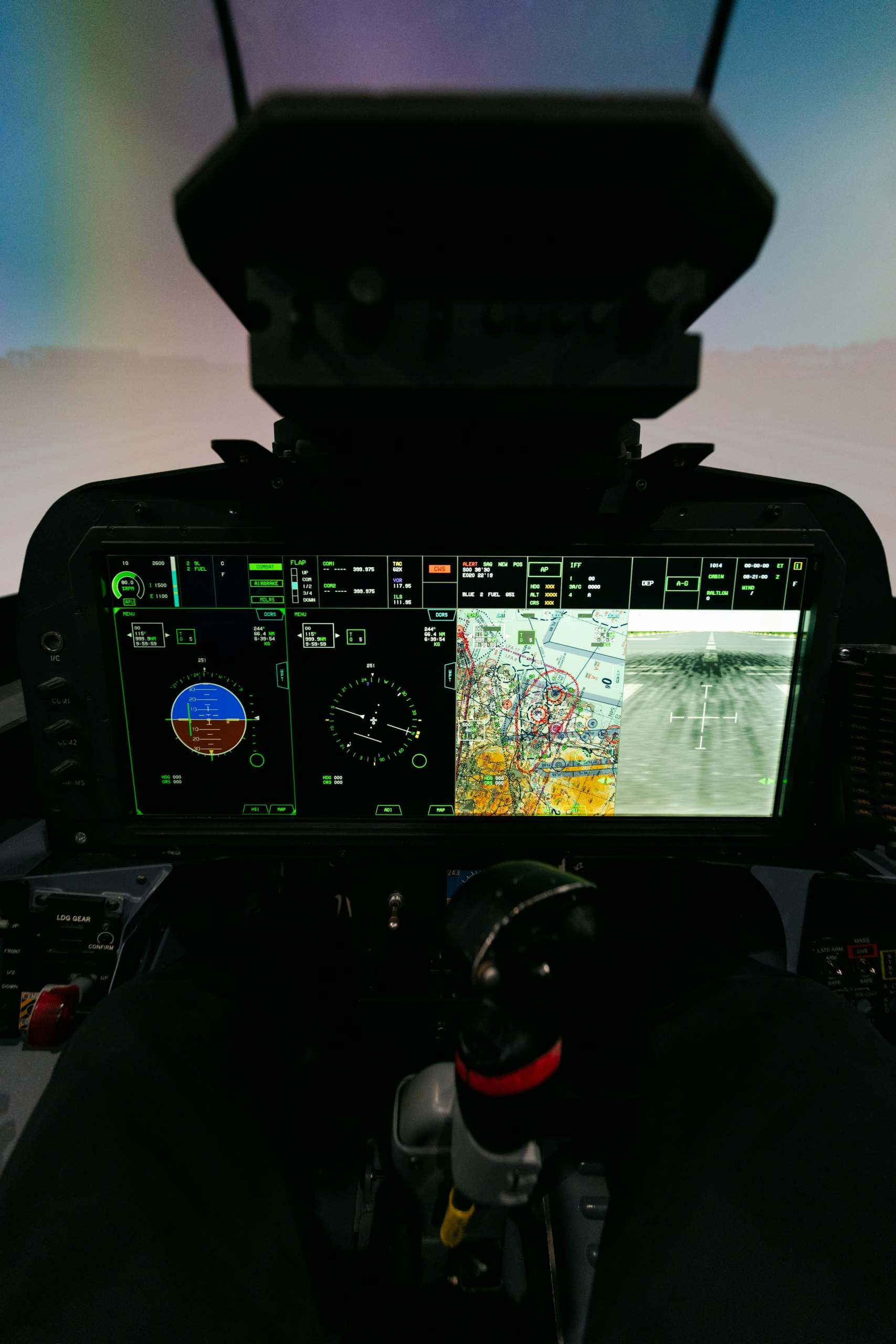
Australia has joined NATO’s multinational distributed synthetic training capability project. The arrangement opens access to connected simulation environments spanning land, maritime, air, space, and cyber.
-
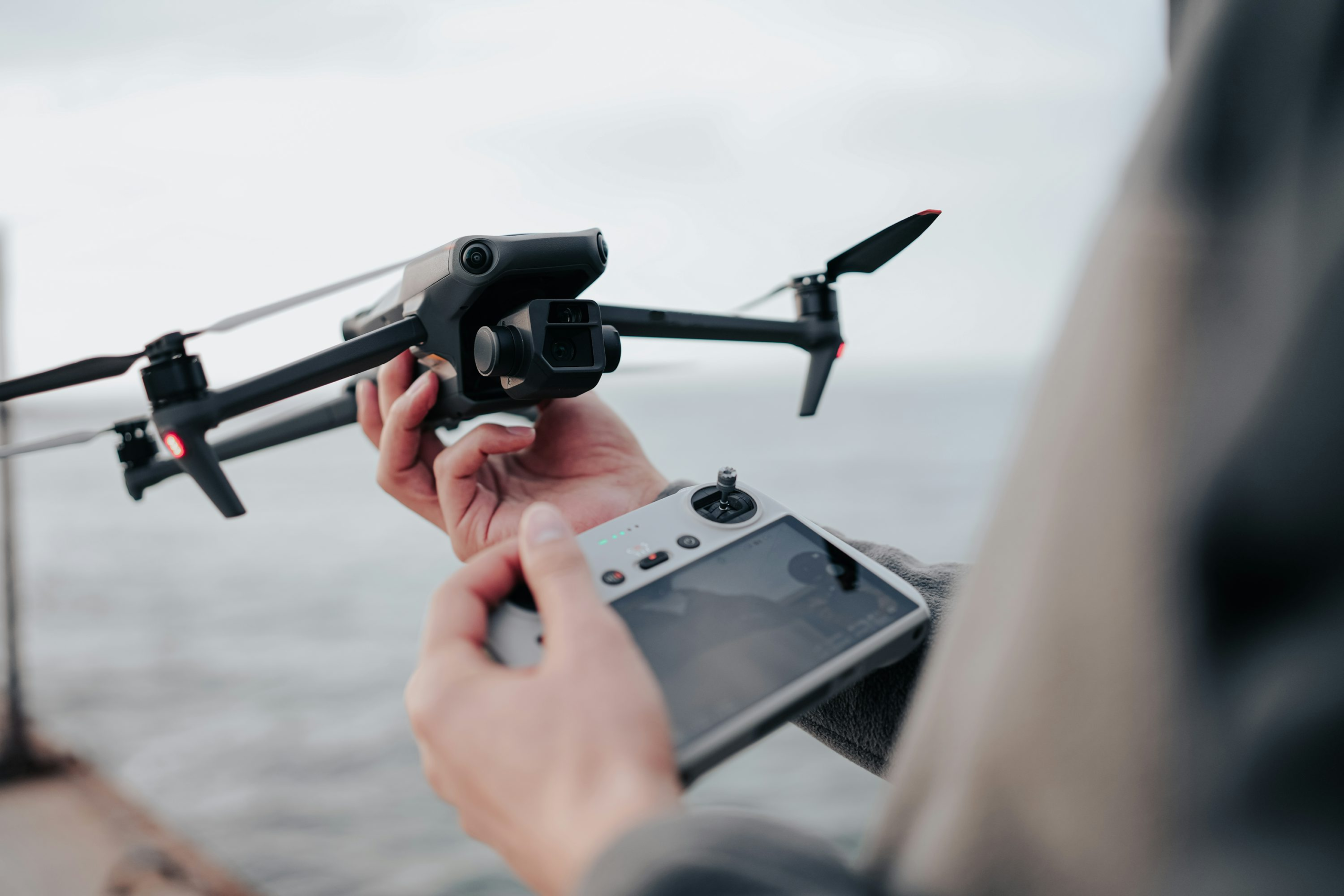
Australian radio technology will equip Polish unmanned aircraft communications systems. DTC’s agreement with FlyFocus brings Adelaide-designed resilient connectivity into a European UAV programme.