
News
-
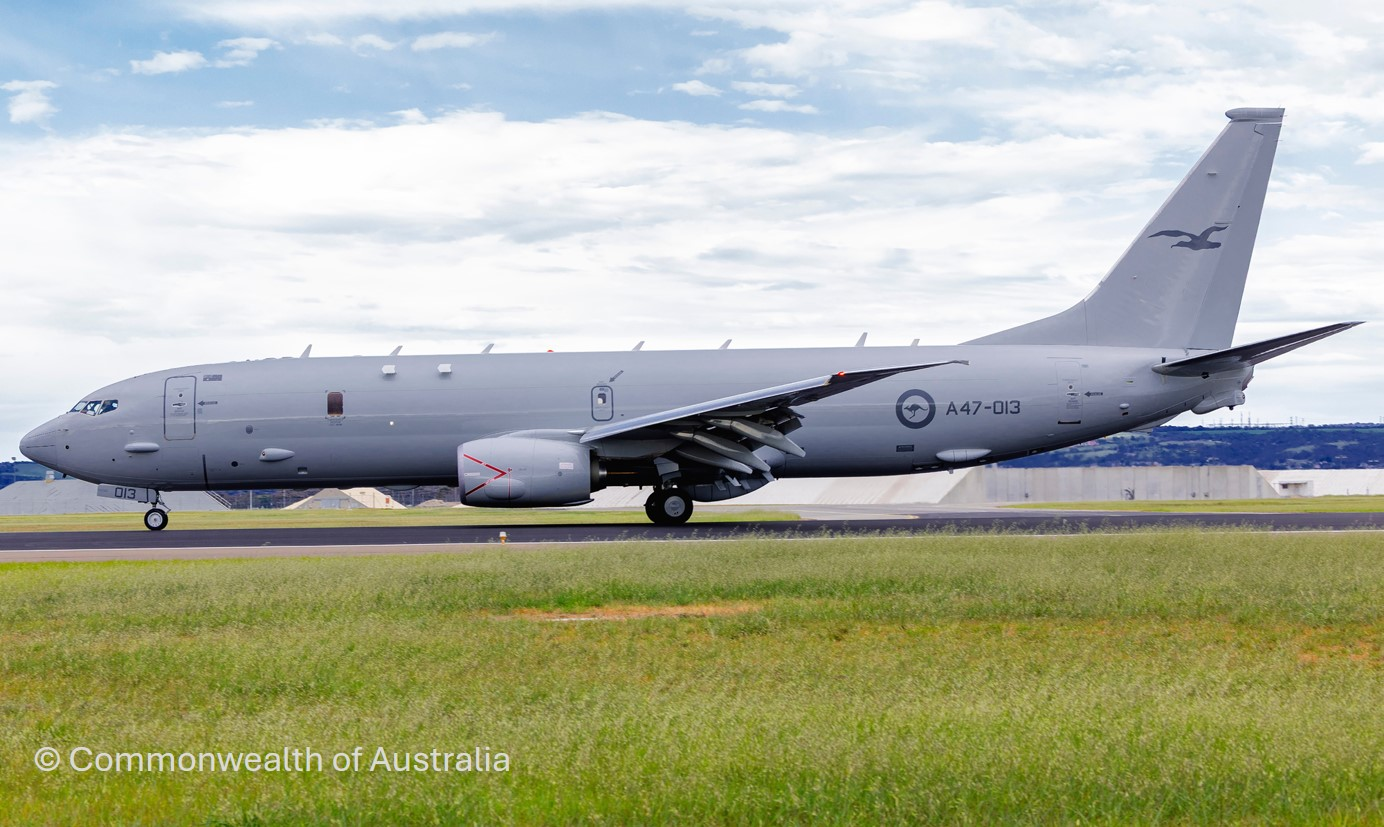
Australia has advanced three major air surveillance programmes in parallel. Triton and Peregrine have reached IOC, while domestic P-8A upgrade work is moving into South Australia.
-
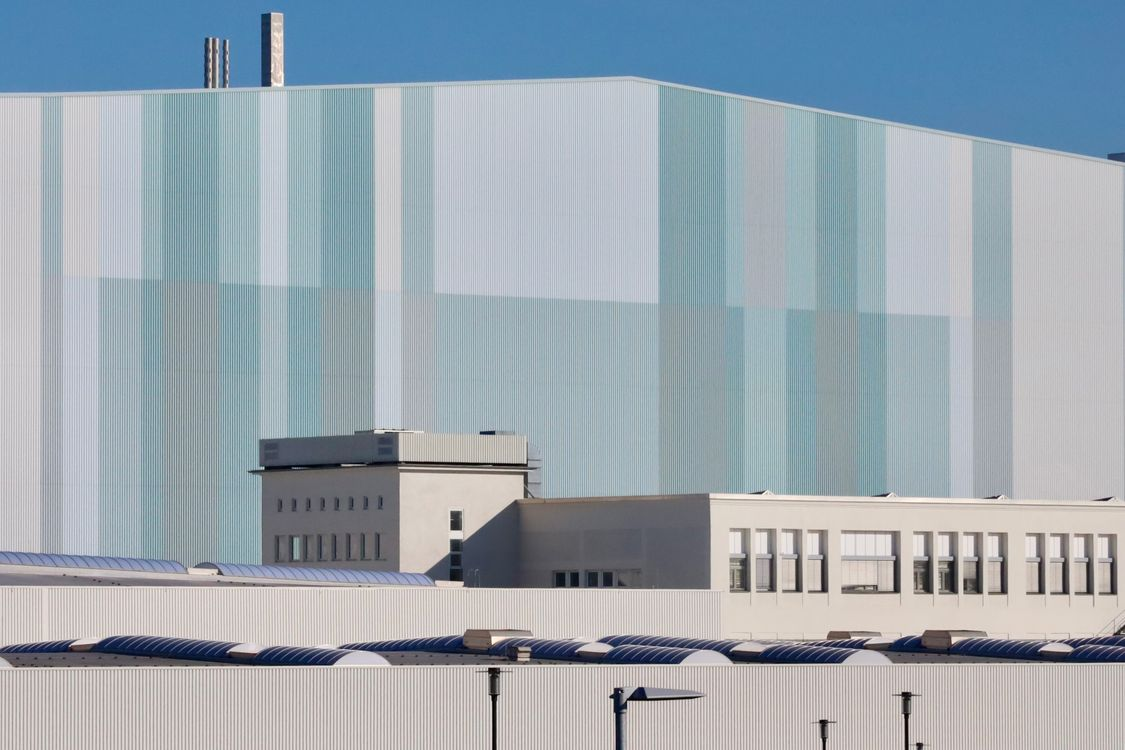
Arcanus plans multi-domain defence manufacturing expansion at Ontario’s Oro Station. The proposed three-phase campus covers UAV production, land systems, counter-UAS integration, and later maritime autonomy.
-
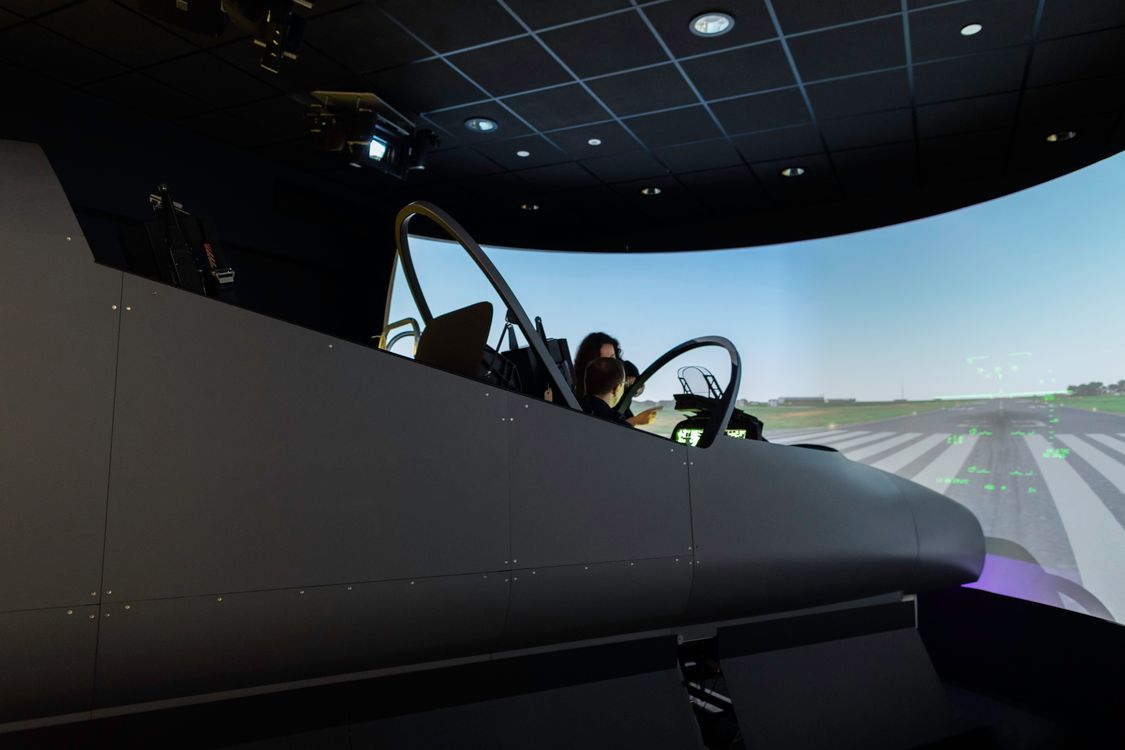
CAE USA has secured continued C-130H aircrew training through 2035. The $300 million recompete covers instruction, simulator sustainment, logistics, cybersecurity, maintenance, and continuing upgrades.
-
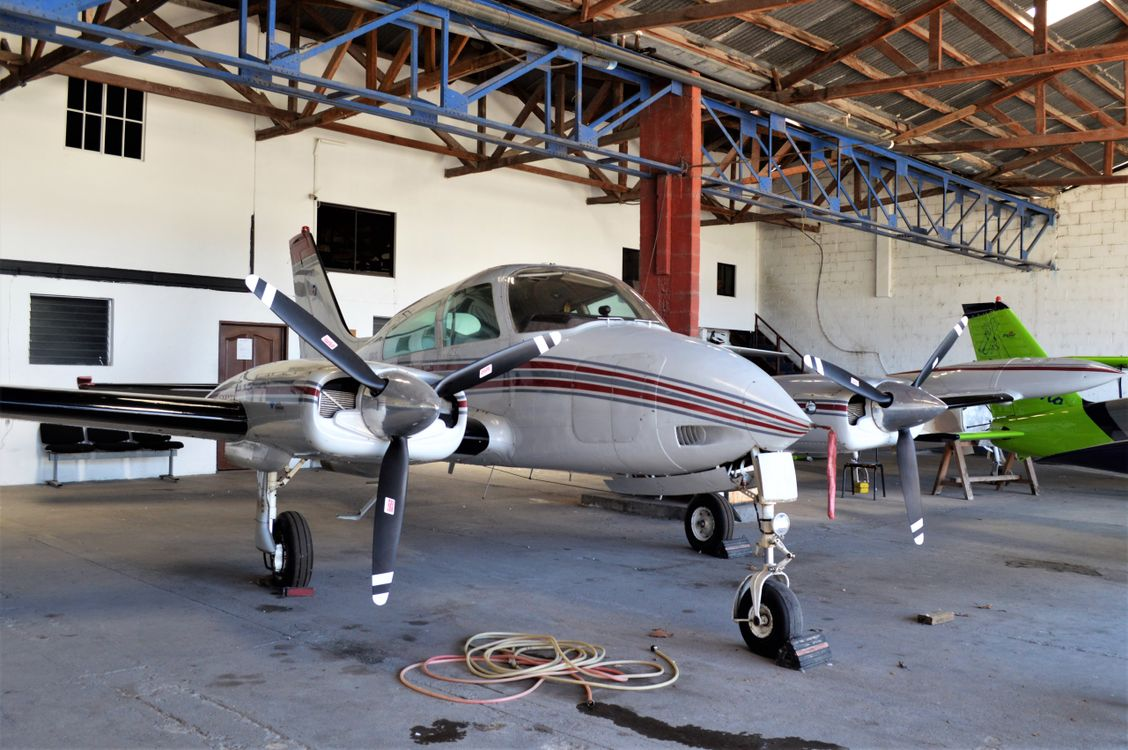
General Atomics has delivered another FQ-42 Vengeance aircraft to Creech. The Collaborative Combat Aircraft will join continued test and evaluation as production activity expands.
-

L3Harris and Navy partners will expand Tomahawk component production capacity. The multi-year China Lake agreement uses public-private manufacturing to address pressure deeper within the missile supply chain.
-
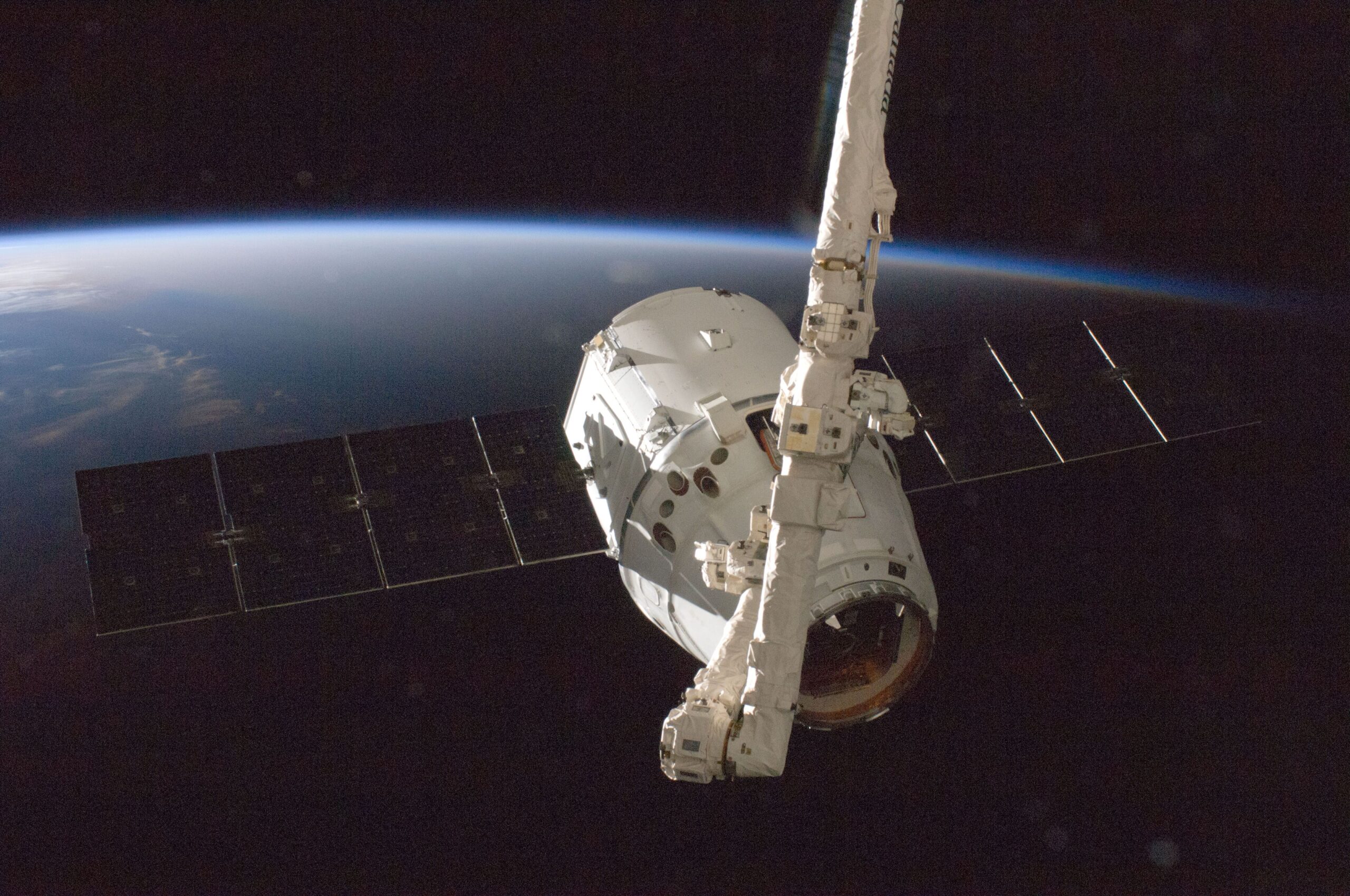
BAE Systems completed critical design review for Epoch 2 satellites. The $1.2 billion Space Force programme covers ten missile-warning spacecraft and the ground system that will command and operate them.
-
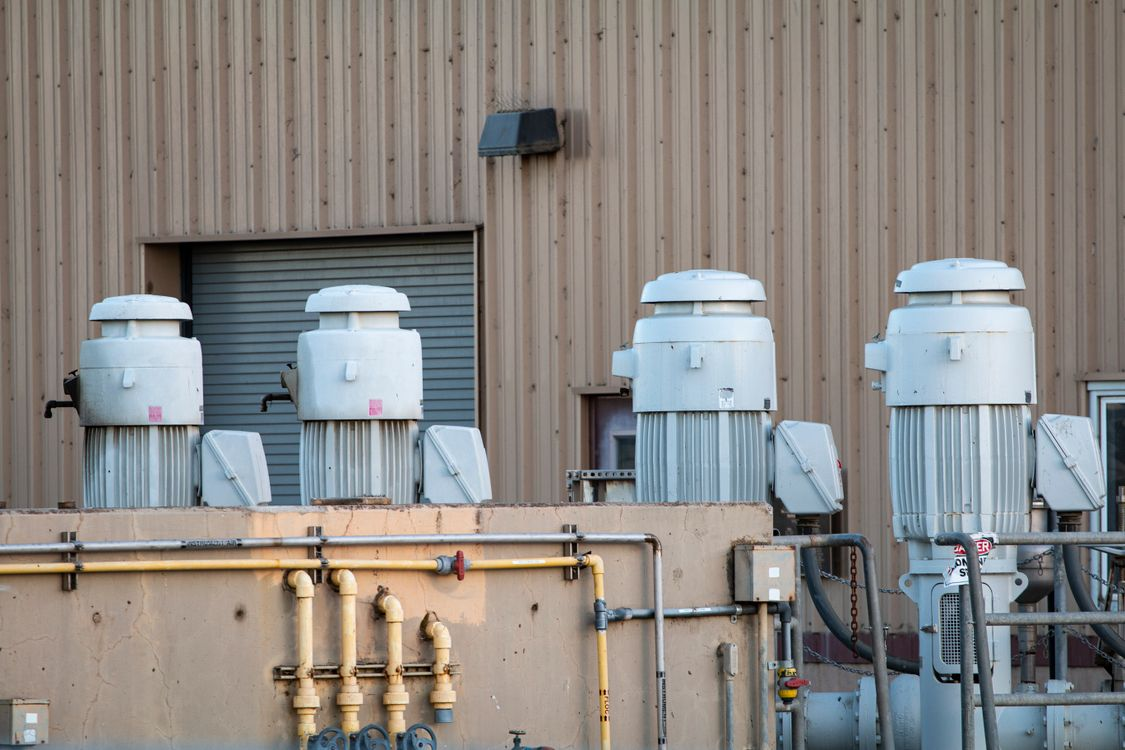
Hanwha plans a $2.2 billion munitions manufacturing campus in Arkansas. The Pine Bluff Arsenal project will focus on 155mm propellant charges and base bleed units, with nearly 400 jobs projected.
-
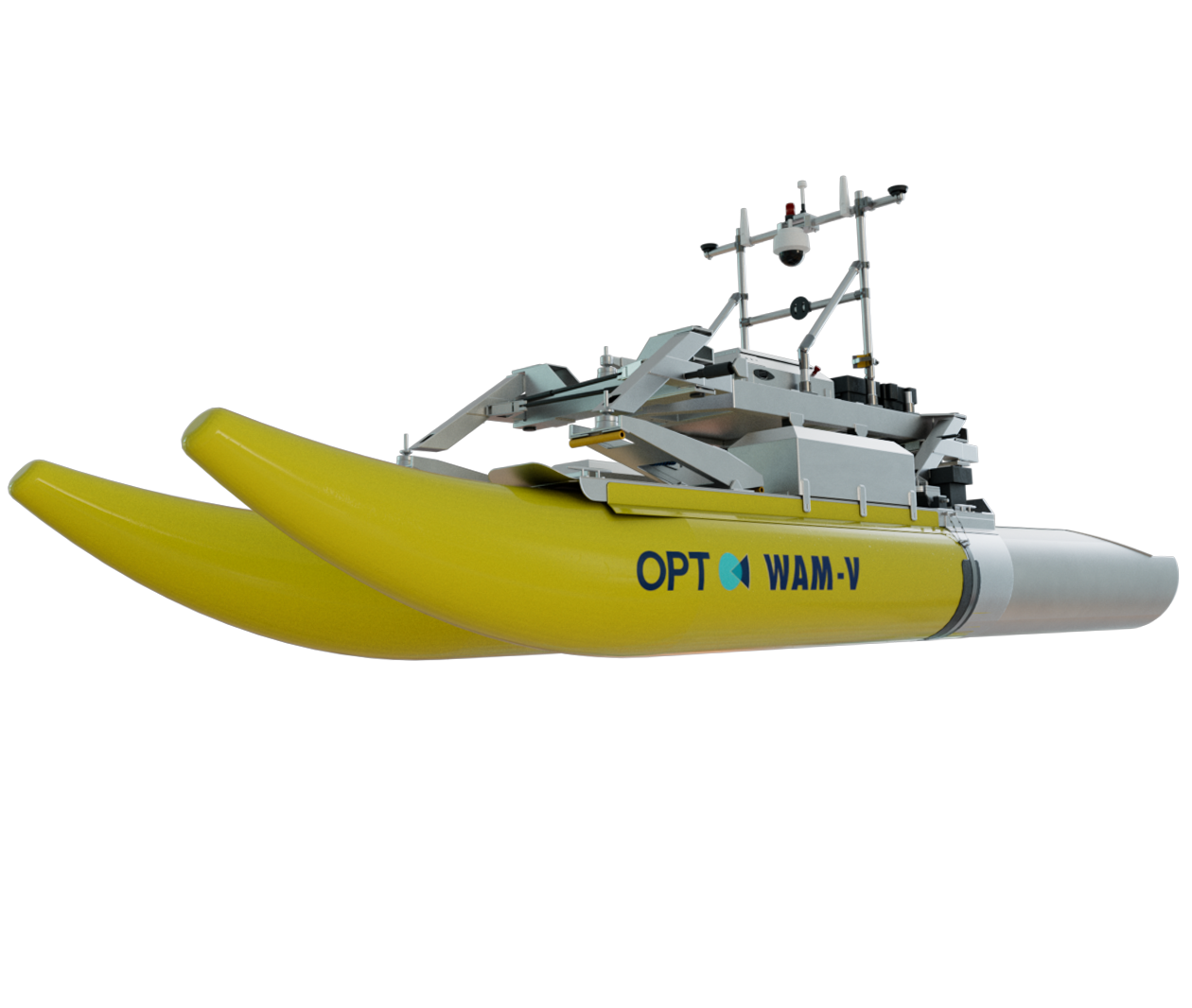
Ocean Power deployed three WAM-V classes across five REPMUS missions. The vessels covered surveying, mine countermeasures, harbour security, surveillance, and above-water warfare while integrating with US command-and-control.
-
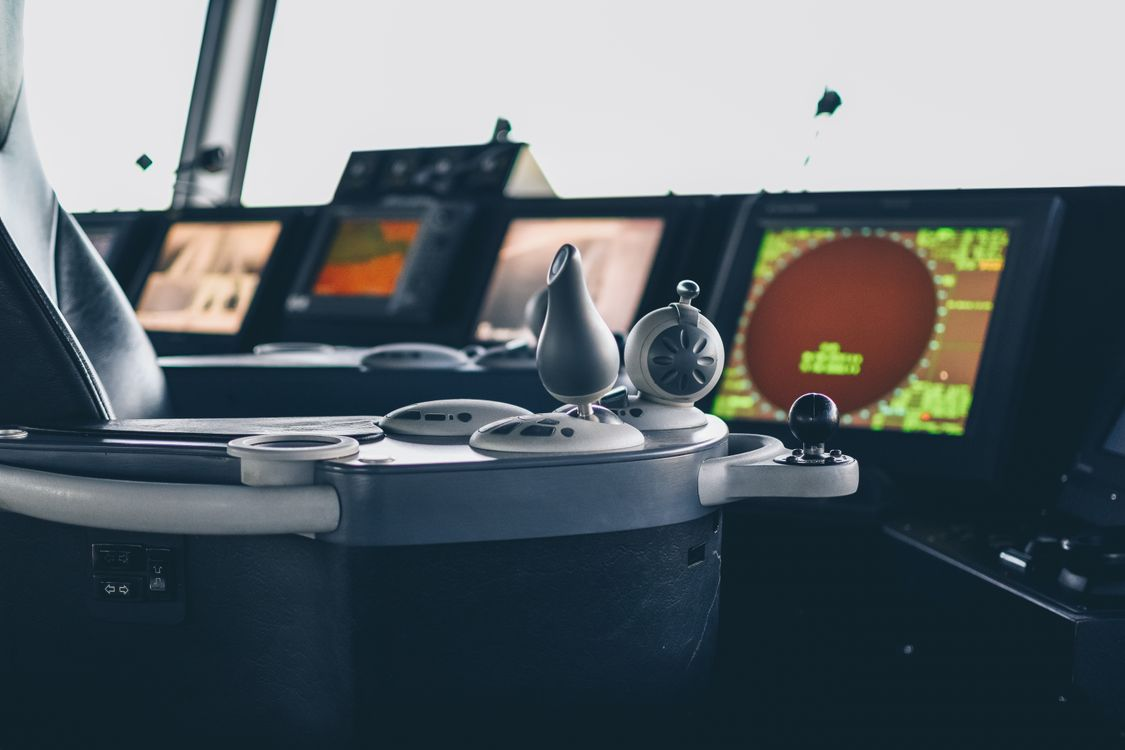
Rheinmetall is testing networked unmanned systems during REPMUS26 in Portugal. The exercise combines a containerised command post, Battlesuite middleware, and multi-vendor maritime sensors.
-
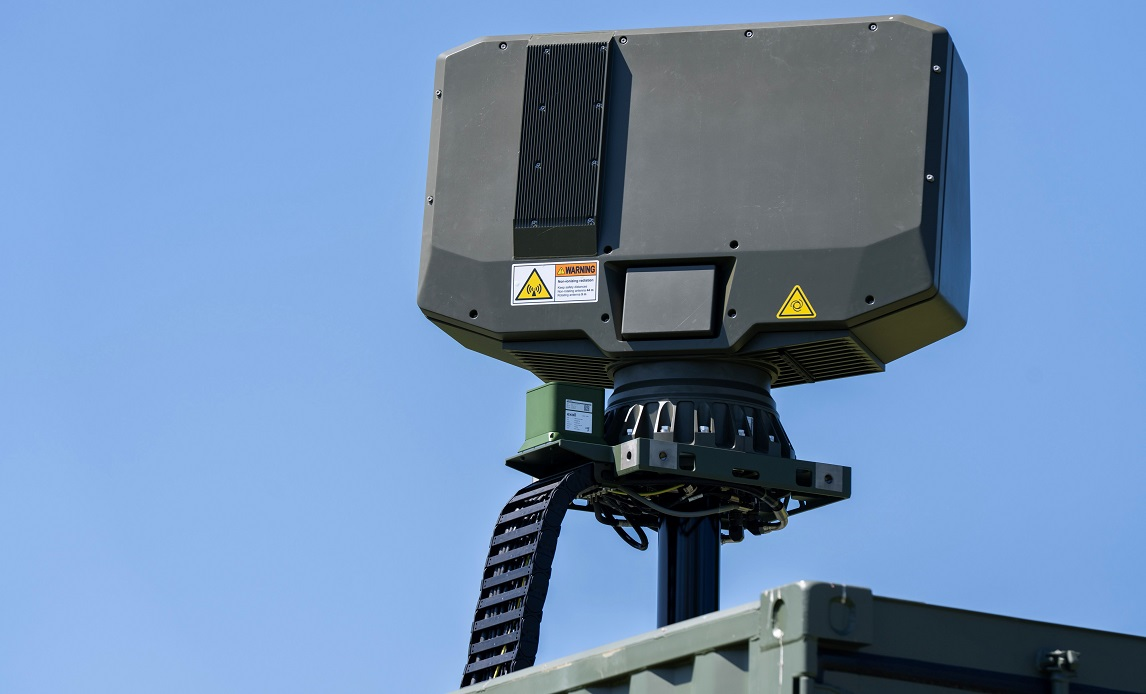
Denmark has ordered additional radars for military counter-drone surveillance duties. The Weibel systems add detection, classification, tracking, maintenance, and continuing software support to the developing national capability.