
News
-
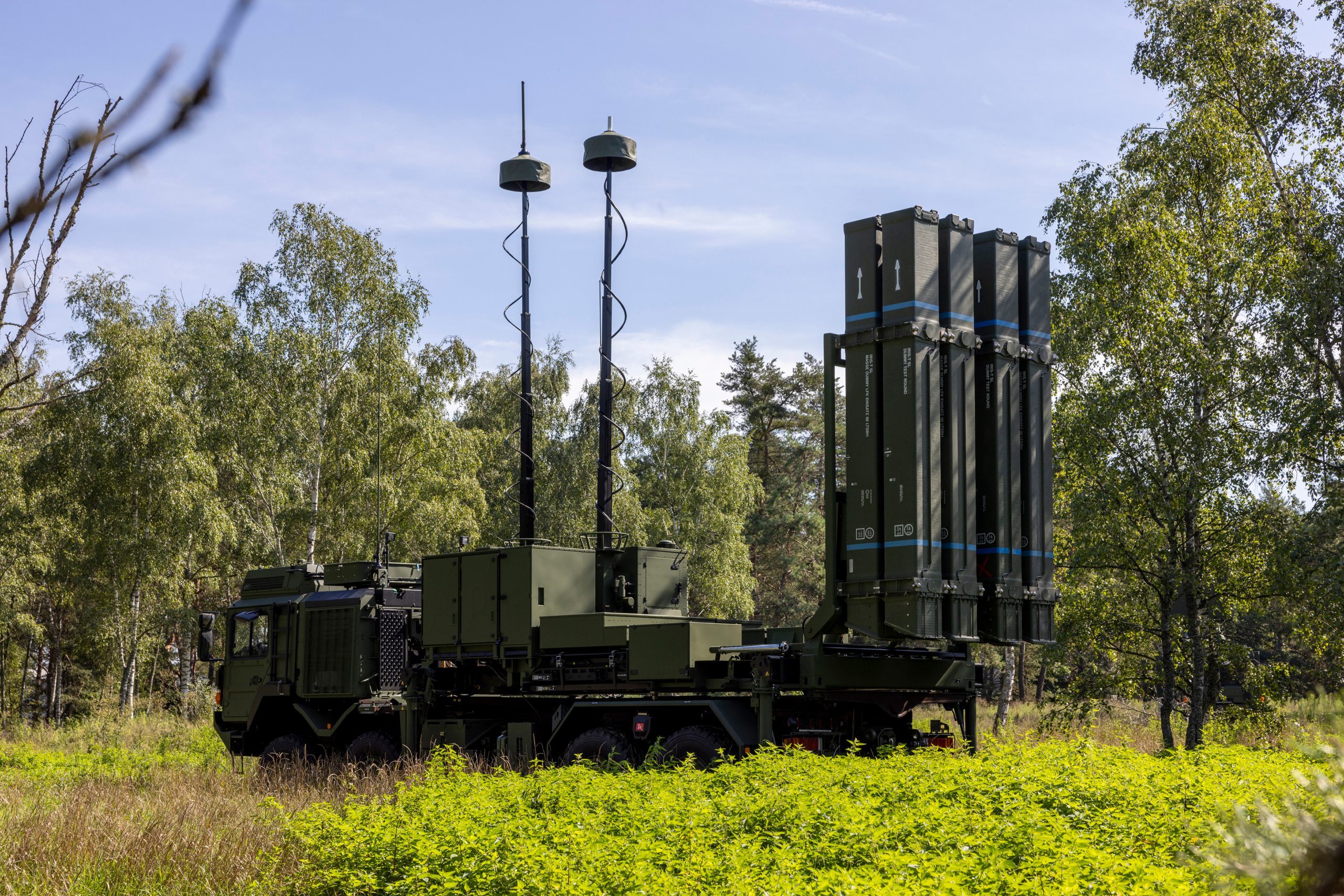
Nammo is developing a new motor for Diehl’s IRIS-T SLX. Prototype work at Raufoss will test a dual-pulse propulsion concept for the extended-range interceptor.
-

TKMS ATLAS UK will develop new Royal Navy submarine countermeasures. Babcock will support launcher technology and platform integration for current and future submarine classes.
-
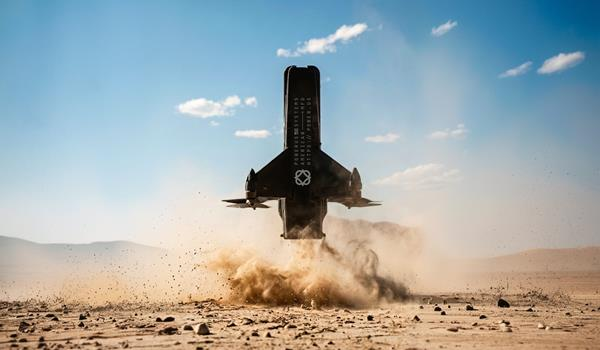
Powerus has secured an initial Pakistani unmanned systems procurement order. A separate memorandum establishes a framework for possible wider cooperation subject to further agreements and approvals.
-
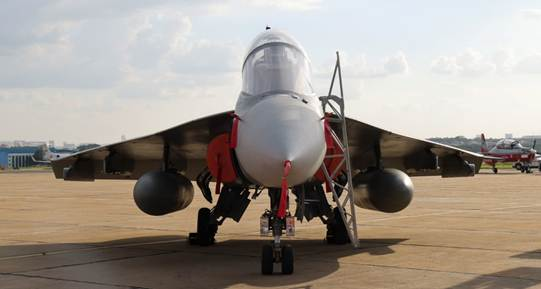
HAL has delivered nine aircraft across three Indian aerospace programmes. The handover closes the Tejas FOC trainer contract while advancing HTT-40 and Dhruv NG deliveries.
-
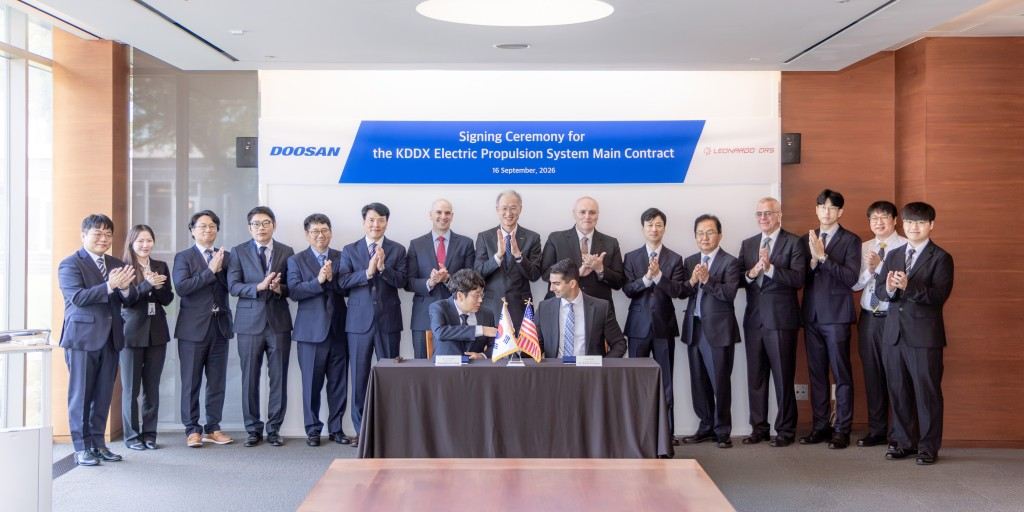
Leonardo DRS will supply electric propulsion for South Korea’s KDDX. Permanent-magnet motors and variable-frequency drives will equip the Republic of Korea Navy’s next-generation destroyer.
-
Perennial and Neros topped separate Drone Dominance Gauntlet mission areas. The results advance a Pentagon acquisition programme built around competitive testing, rapid manufacturing, and high-volume drone procurement.
-
BAE Systems OneArc will embed training inside Army combat vehicles. The Fort Hood assessment will test collective training through the same controls and procedures crews use on fielded platforms.
-
Washington has approved a possible F-35 sale to Saudi Arabia. The $24.3 billion proposal covers 48 aircraft, engines, equipment, training, software, and sustainment rather than a completed contract.
-

LightPath will mature BlackDiamond glass as a germanium alternative material. The funded CLEAR prototype programme targets more resilient electro-optical and infrared supply chains ahead of tighter sourcing restrictions.
-
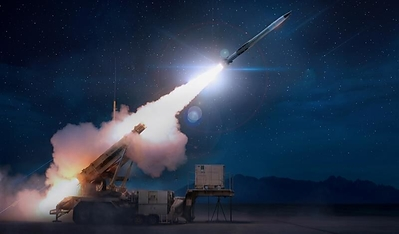
GM Defense delivered PAC-3 housings to Lockheed within twenty-two days. Commercial casting and machining capacity is being introduced into the interceptor’s expanding supplier base.