
News
-

Airbus will supply France with cybersecurity gateways for classified networks. The 25-year PARACOM programme covers design, production, certification, and long-term support across fixed and deployable military systems.
-
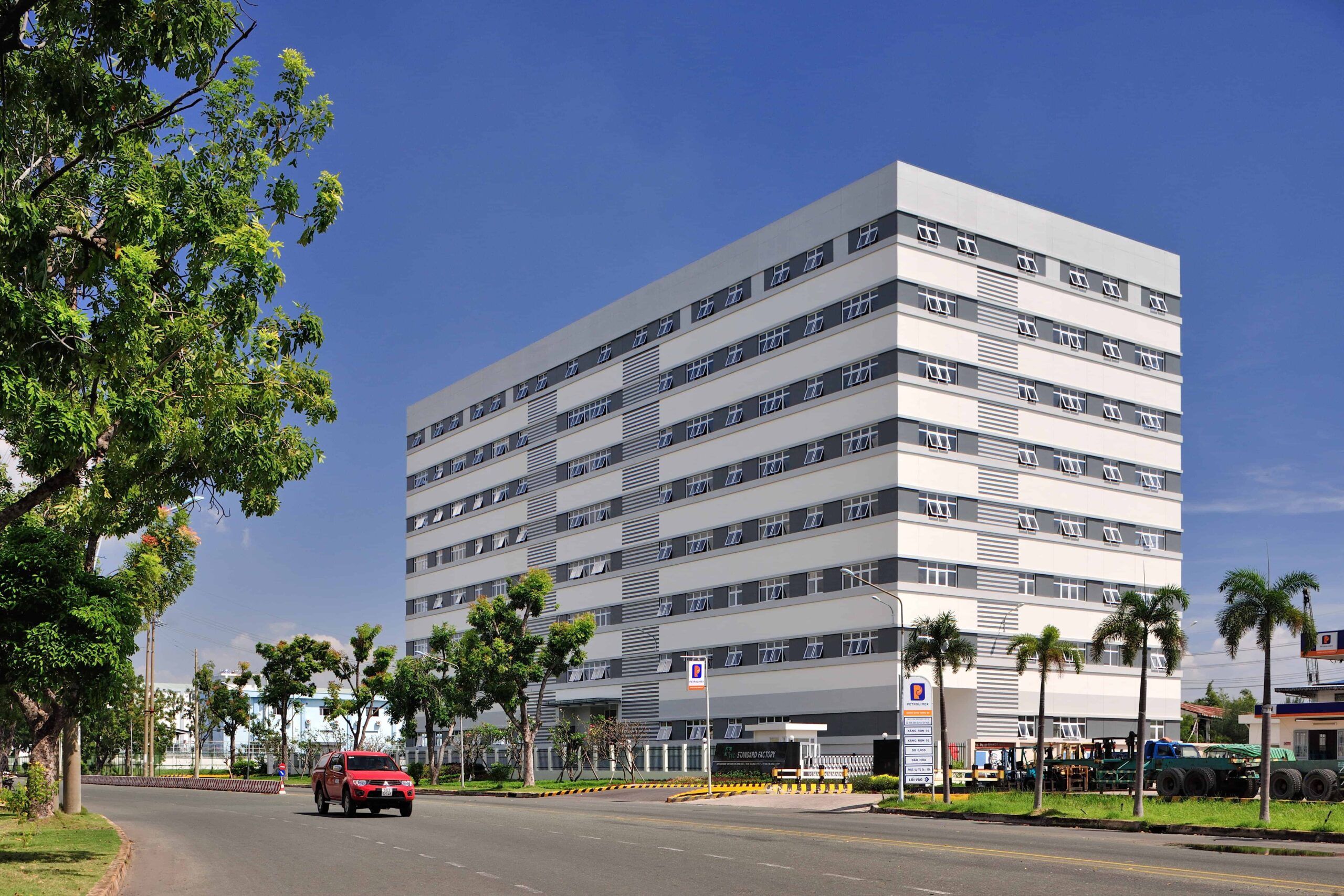
Vexos Vietnam has achieved AS9100D certification for defence manufacturing operations. East West + Vexos says the approval expands qualified Asian capacity for aerospace and defence production.
-
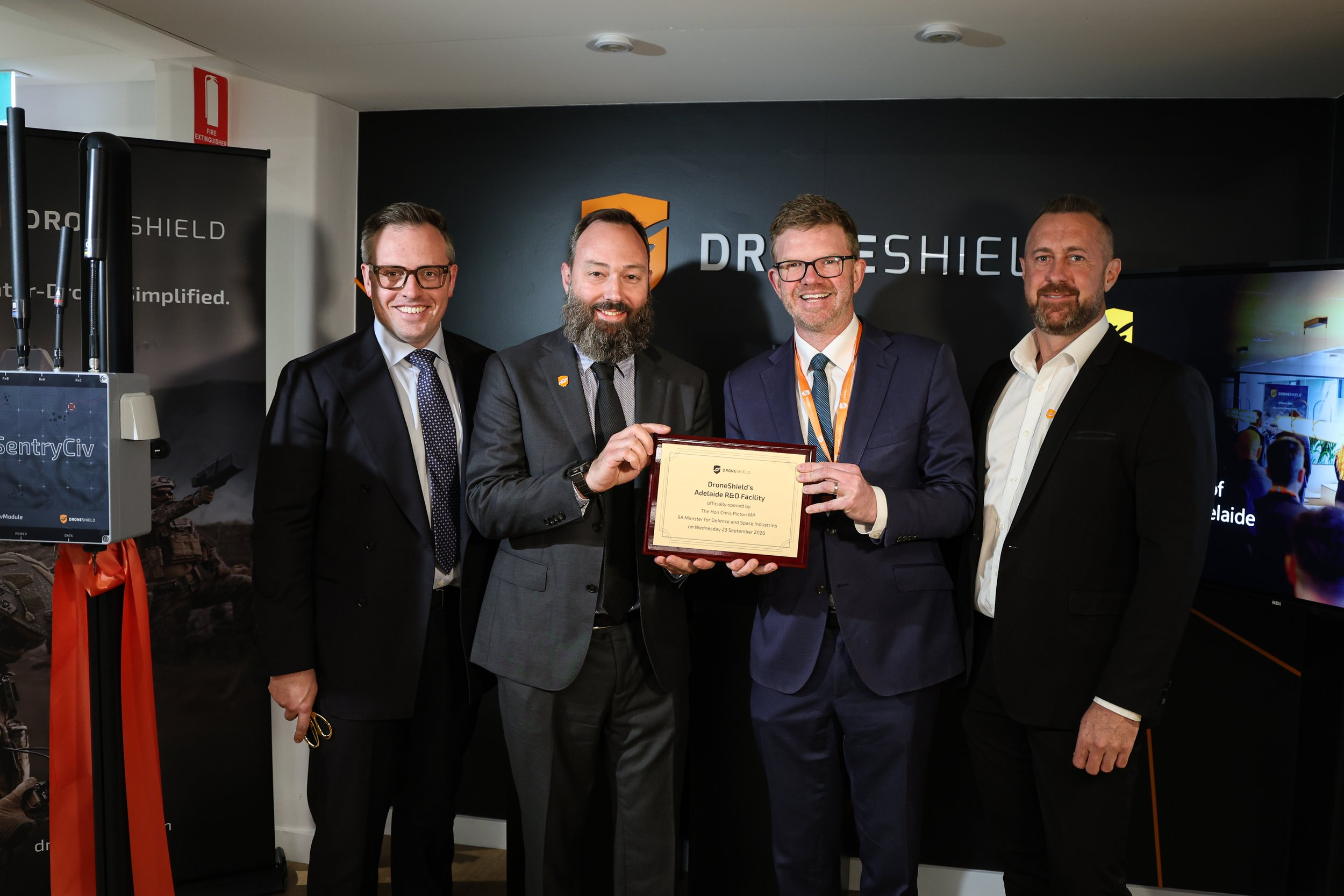
DroneShield has opened a new defence research hub in Adelaide. The facility adds software and dry-laboratory capacity for counter-UAS, sensing, communications, and electronic-warfare development.
-
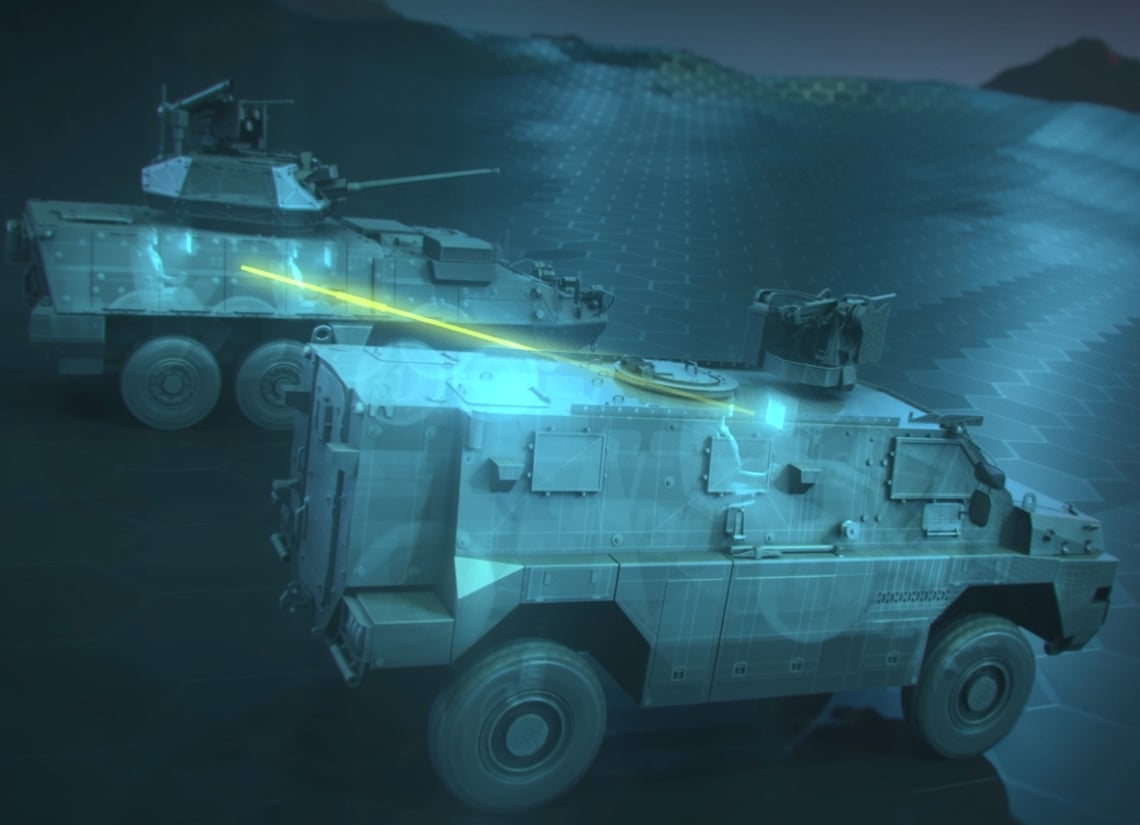
Advanced Navigation will supply KONGSBERG with hundreds of Boreas systems. The €16 million agreement supports PROTECTOR counter-UAS platforms destined for Poland’s expanding air-defence network.
-
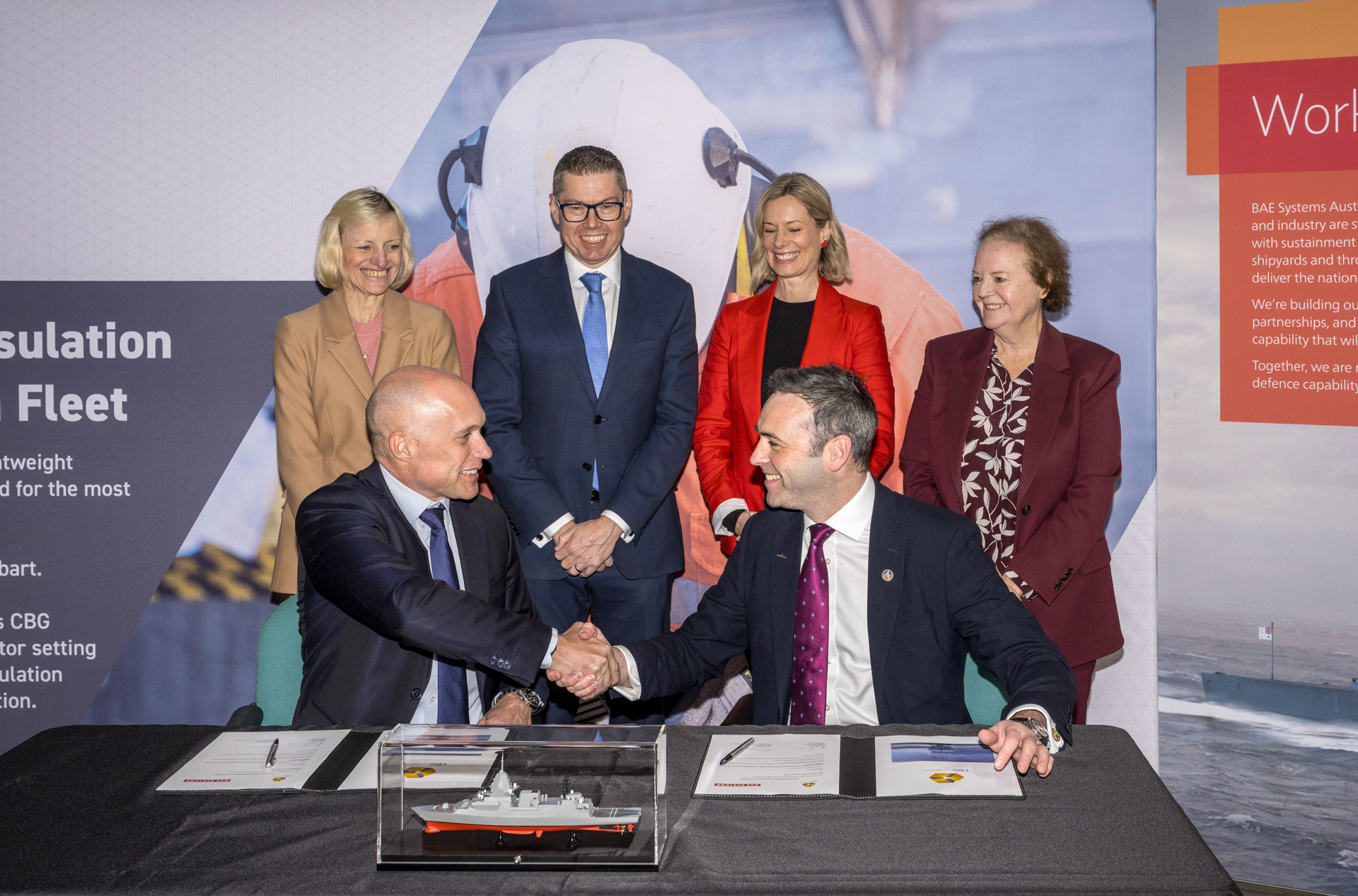
CBG Systems has secured an $83 million Hunter frigate contract. The Tasmanian supplier will provide fire, thermal, and acoustic insulation across the first three Batch 1 ships.
-
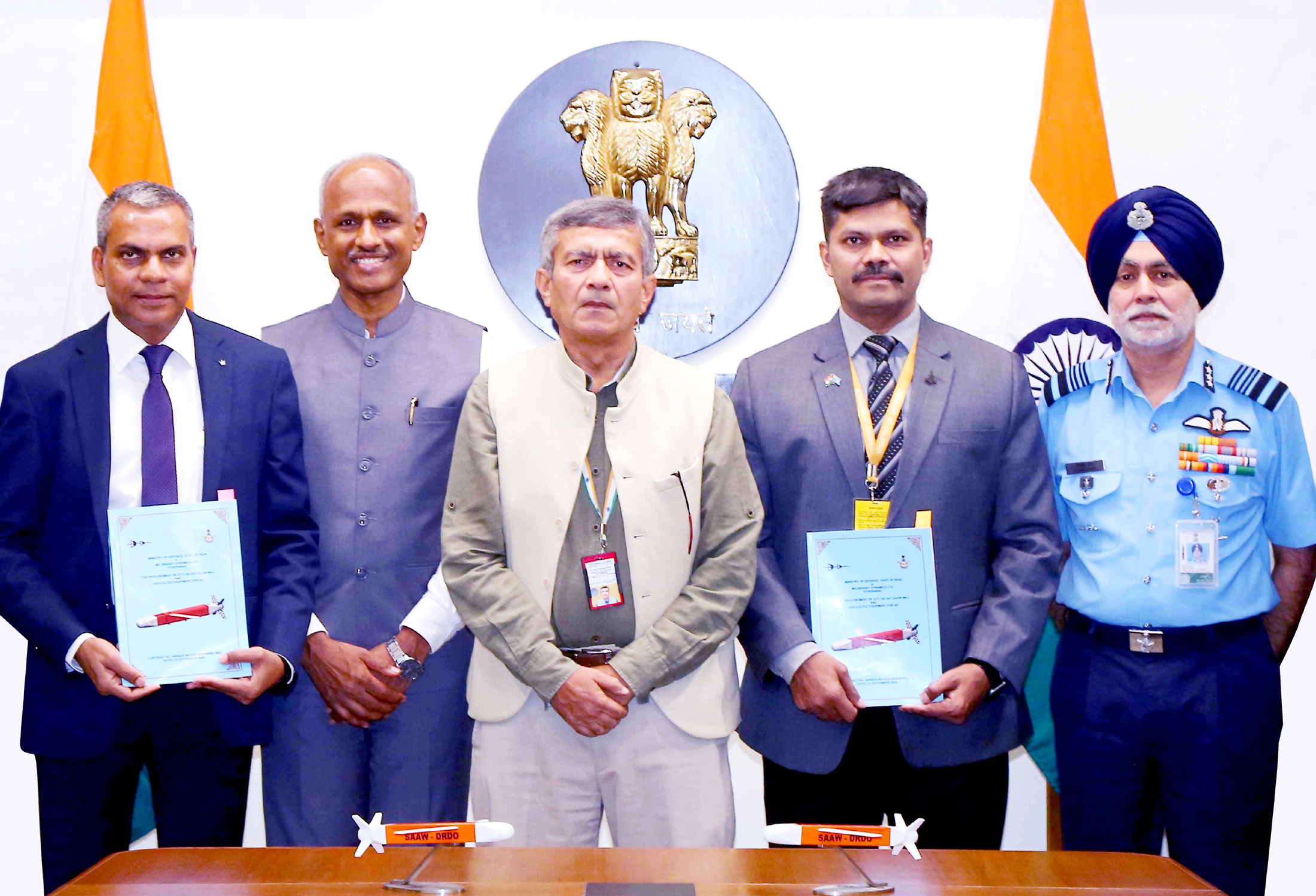
India has ordered 160 SAT-SAAW glide weapons from Bharat Dynamics. The ₹810.79 crore programme carries 60% indigenous content, with deliveries scheduled through 2028–29.
-
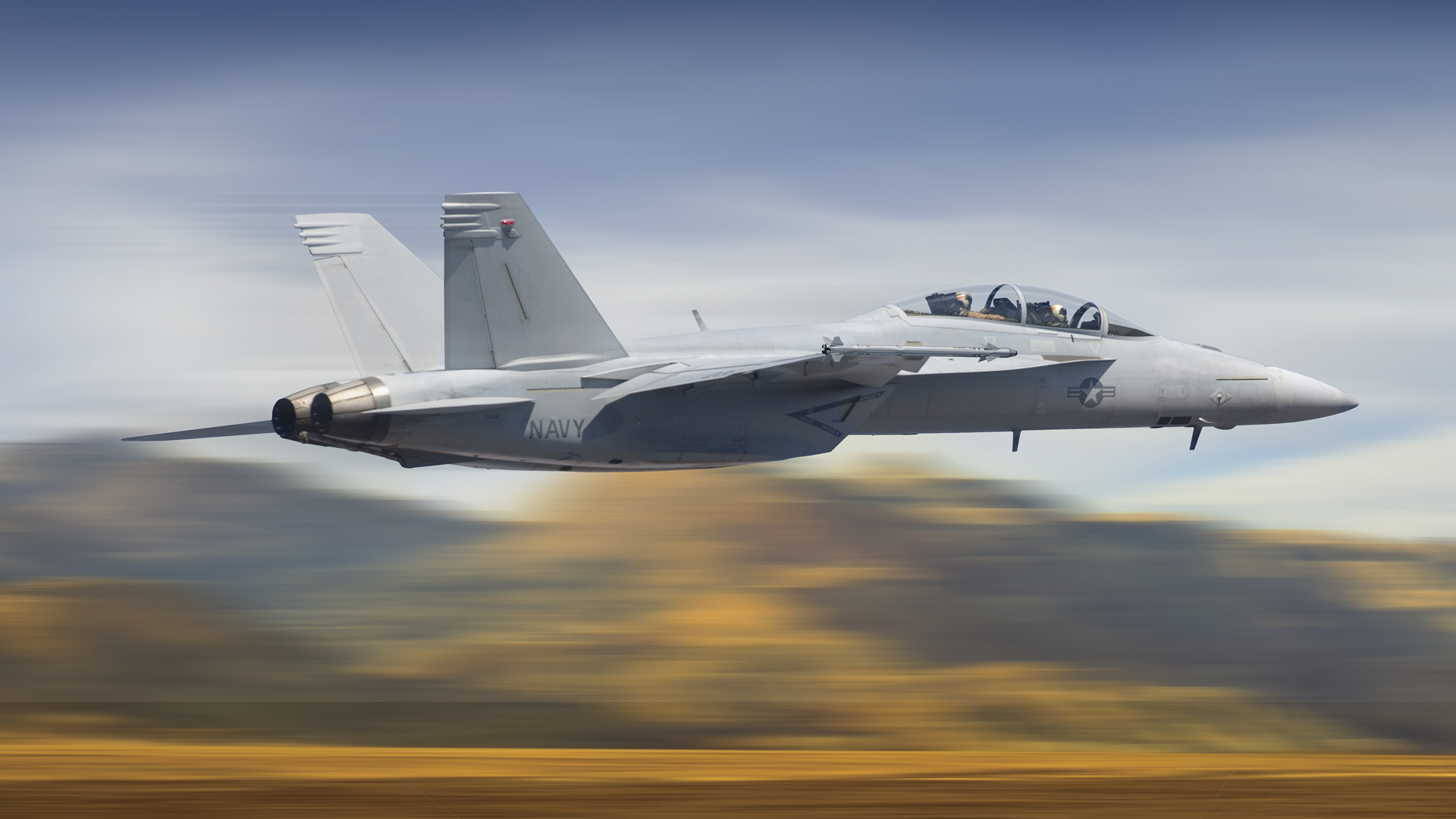
Boeing will extend support for Kuwait’s Super Hornets awaiting transfer. The six-month modification covers maintenance, engines, logistics, storage, transportation, and ferry preparation before delivery to Kuwait.
-

GDIT will continue engineering support for Navy Mk 41 launchers. The $22.4 million option covers component upgrades, inspection, testing, and delivery at five US locations through October 2027.
-
Raytheon will sustain V-22 tactical software under a new order. The $34.4 million NAVAIR award supports operational readiness across Air Force, Marine Corps, and Navy fleets through August 2028.
-
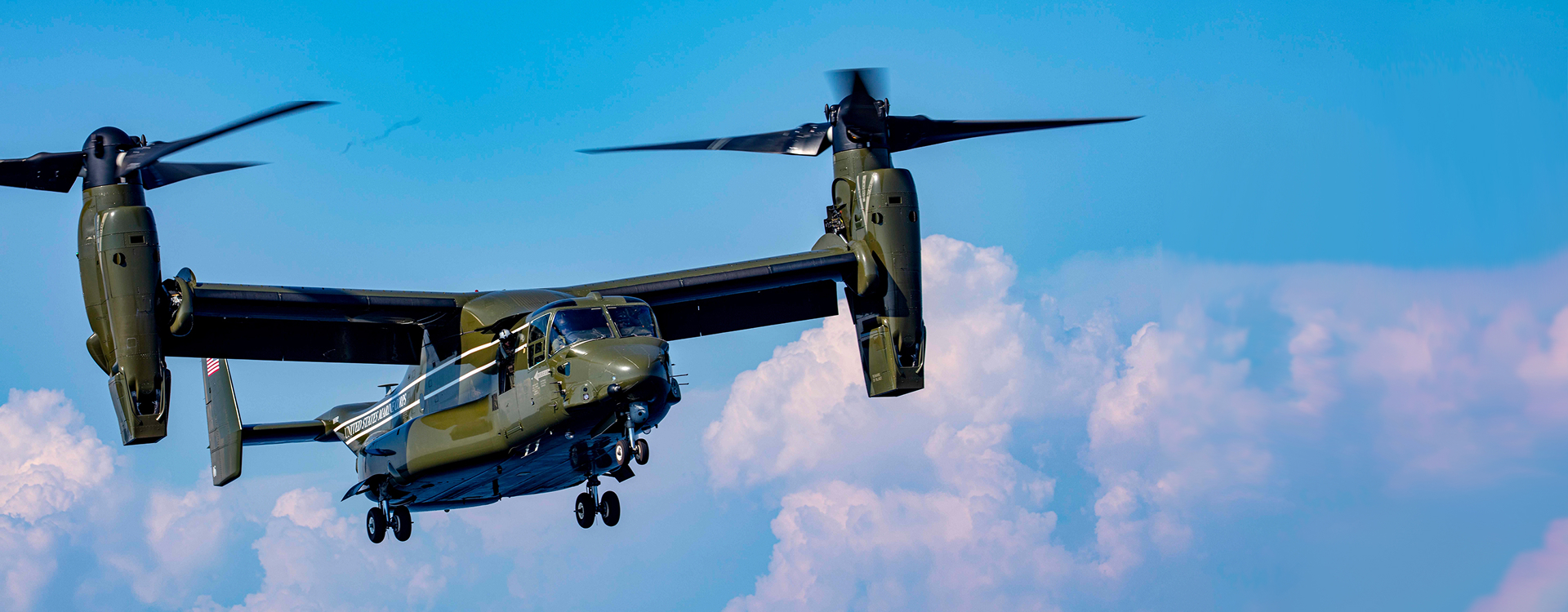
Bell Boeing has secured new V-22 engineering data work orders. The programme will preserve loads and dynamics models as aircraft production moves towards long-term fleet sustainment.