IN Brief:
- Shield AI is targeting Poland for X-BAT production and support activity.
- The Polish role could include a regional service centre and wider sustainment infrastructure.
- Autonomous combat-air systems will require manufacturing, software assurance, propulsion support, and upgrade capacity close to operational users.
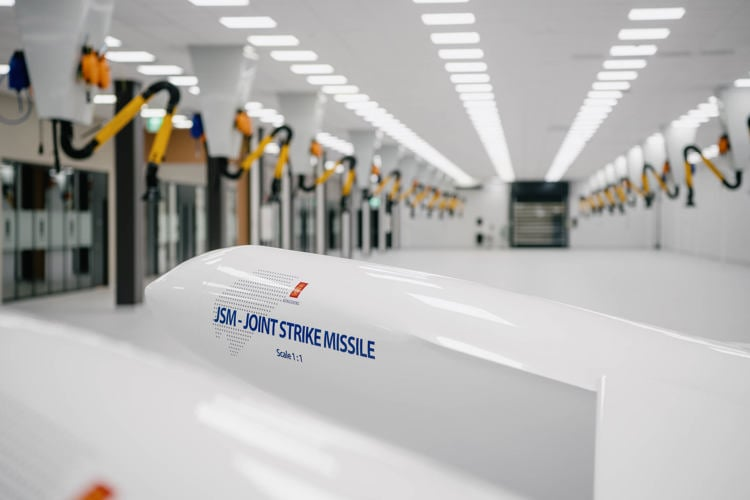
Shield AI’s X-BAT autonomous combat-aircraft programme could gain a Polish production and sustainment route, after Poland emerged as a possible European base for the company’s vertical-takeoff fighter concept and related NATO support activity.
The proposed Polish role includes production cooperation around X-BAT and a potential regional support structure for NATO users. Shield AI’s aircraft is being presented as an AI-piloted vertical-takeoff combat platform, designed to reduce dependence on runways while bringing higher-speed and longer-range capability into the uncrewed air segment. For Poland, the attraction sits in the industrial workshare as much as the aircraft.
Autonomous combat aircraft are moving from air-show concept toward industrial competition. The emerging category sits between expendable drones and crewed fighters, promising speed, range, autonomy, and basing flexibility without placing a pilot on board. Its production demands are closer to combat aircraft than to small UAVs, especially when the design involves fighter-class propulsion, stealth shaping, vertical launch, weapons carriage, secure datalinks, and mission autonomy.
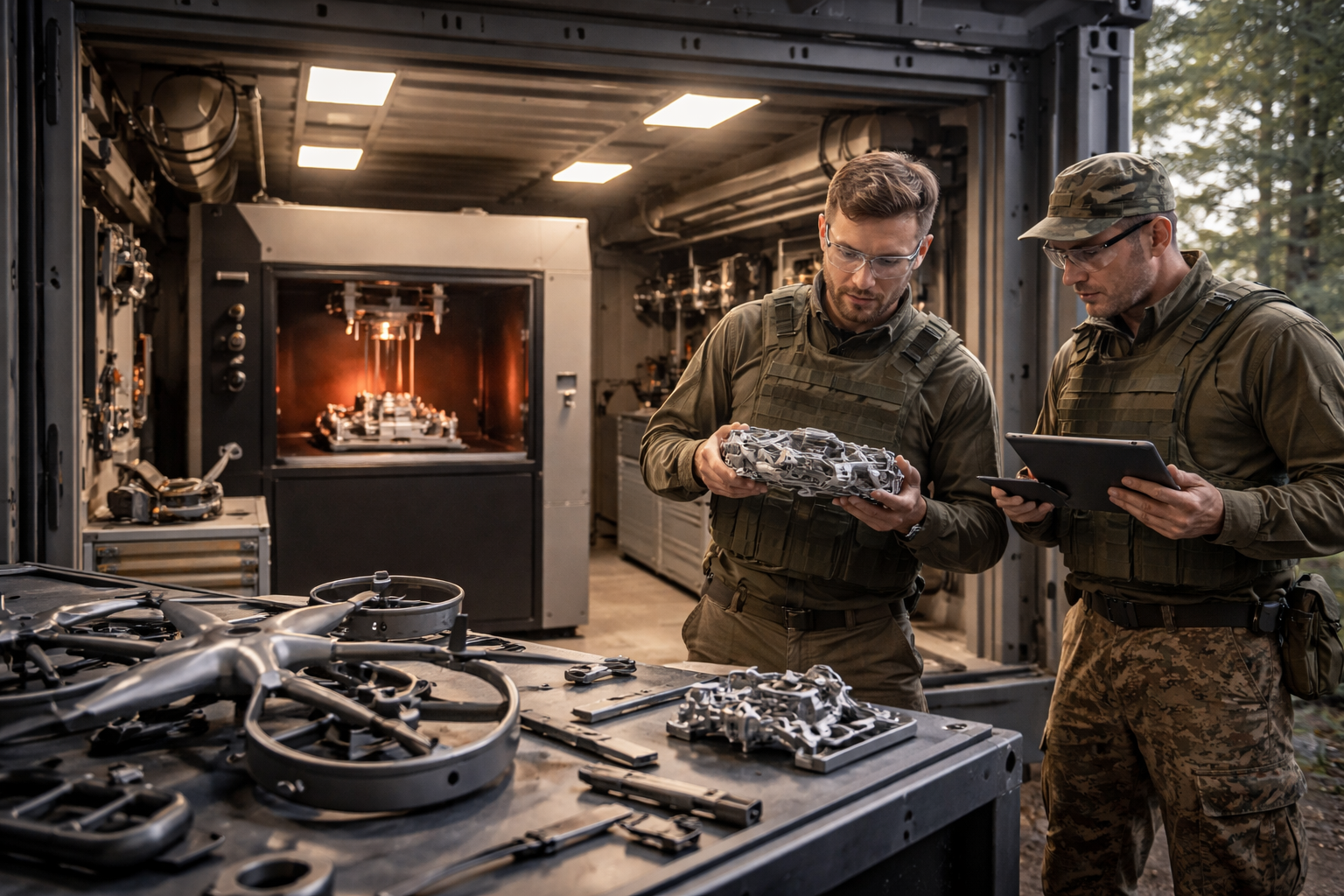
A Polish production or sustainment role would therefore involve more than airframe assembly. It would need structures, propulsion support, flight-control surfaces, secure communications, mission software, autonomy assurance, ground equipment, spares, test facilities, and technicians trained to work on sensitive uncrewed combat systems. If Poland captures those layers, the programme could strengthen its position as a NATO eastern-flank industrial hub.
Warsaw is already investing heavily in armour, missiles, air defence, aircraft, and domestic production. A role in X-BAT would extend that strategy into autonomous combat air, where European requirements are still forming and where production location may influence procurement choices. Distributed basing and runway independence carry particular weight in a region where fixed airbases would be vulnerable in a major conflict.
Autonomy is also becoming an industrial supply-chain issue, not only a software feature. Crewed-aircraft autonomy trials, European interceptor-drone production, and cross-border air-defence manufacturing partnerships all show autonomous systems moving into factories, service centres, test ranges, and regional support networks.
The harder task for X-BAT will be producing and updating autonomy safely at operational tempo. Flight-control algorithms, sensor processing, mission autonomy, secure communications, and human-supervisory interfaces must move through controlled release cycles. Support facilities will not be simple maintenance depots. They will become part of the aircraft’s safety, software, and capability architecture.
Propulsion support may prove equally influential. Fighter-class performance brings speed and reach, but it also brings overhaul requirements, hot-section inspection, parts supply, thermal stress, and strict maintenance discipline. A regional support centre linked to the platform would give Poland a stronger bridge between existing combat-air sustainment and future uncrewed systems.
X-BAT still has to move through development, test, customer commitment, and production planning. Even so, Poland’s interest shows how autonomous combat-air competition is evolving. Suppliers are no longer selling aircraft alone. They are offering factories, service centres, software pipelines, upgrade routes, and political alignment with customers who want capability built and supported close to the border.