IN Brief:
- Fincantieri and REPUBLIKORP have signed an MoU covering naval shipbuilding cooperation in Indonesia.
- The partnership could include LPDs, LHDs, frigates, corvettes, OPVs, fast attack craft, and submarines.
- The work centres on technology transfer, supplier development, training, engineering cooperation, and local production competence.
Fincantieri and REPUBLIKORP have signed an MoU to explore a strategic naval shipbuilding partnership in Indonesia, adding another layer to Jakarta’s effort to convert defence procurement into domestic industrial capacity.
The cooperation will be taken forward through REPUBLIKORP subsidiary PT Republik Palindo Internasional, or RPAL. Its proposed scope is deliberately broad, covering possible work on landing platform docks, landing helicopter docks, multi-role frigates, corvettes, offshore patrol vessels, fast attack craft, and submarines.
That breadth turns the agreement into more than a route to a single vessel order. Indonesia is trying to use naval demand to develop production knowledge, workforce skills, engineering control, supplier depth, and long-term sustainment capability. For a country with one of the world’s most demanding maritime geographies, fleet modernisation and industrial development are increasingly difficult to separate.
Indonesia must manage archipelagic waters, dense shipping routes, maritime security demands, contested regional spaces, and fleet renewal pressures across multiple mission sets. A navy built around one class of vessel cannot cover that requirement, and a shipbuilding base focused only on assembly cannot sustain it. The production system behind the fleet has to mature alongside the fleet itself.
For Fincantieri, the agreement extends a model now common across global naval markets. Major shipbuilders are not selling hulls alone. They are selling design authority, systems-integration experience, production-transfer discipline, training, and support models. Customer nations want the platform, but they also want a retained industrial dividend that survives the first delivery.
Naval localisation is difficult because warships are dense systems-integration projects. Hull fabrication is only the visible part of production. Combat management systems, sensors, weapons, propulsion, electrical distribution, damage-control architecture, aviation facilities, communications, cyber-secure networks, and signature management must be installed, tested, accepted, and supported as one coherent platform.
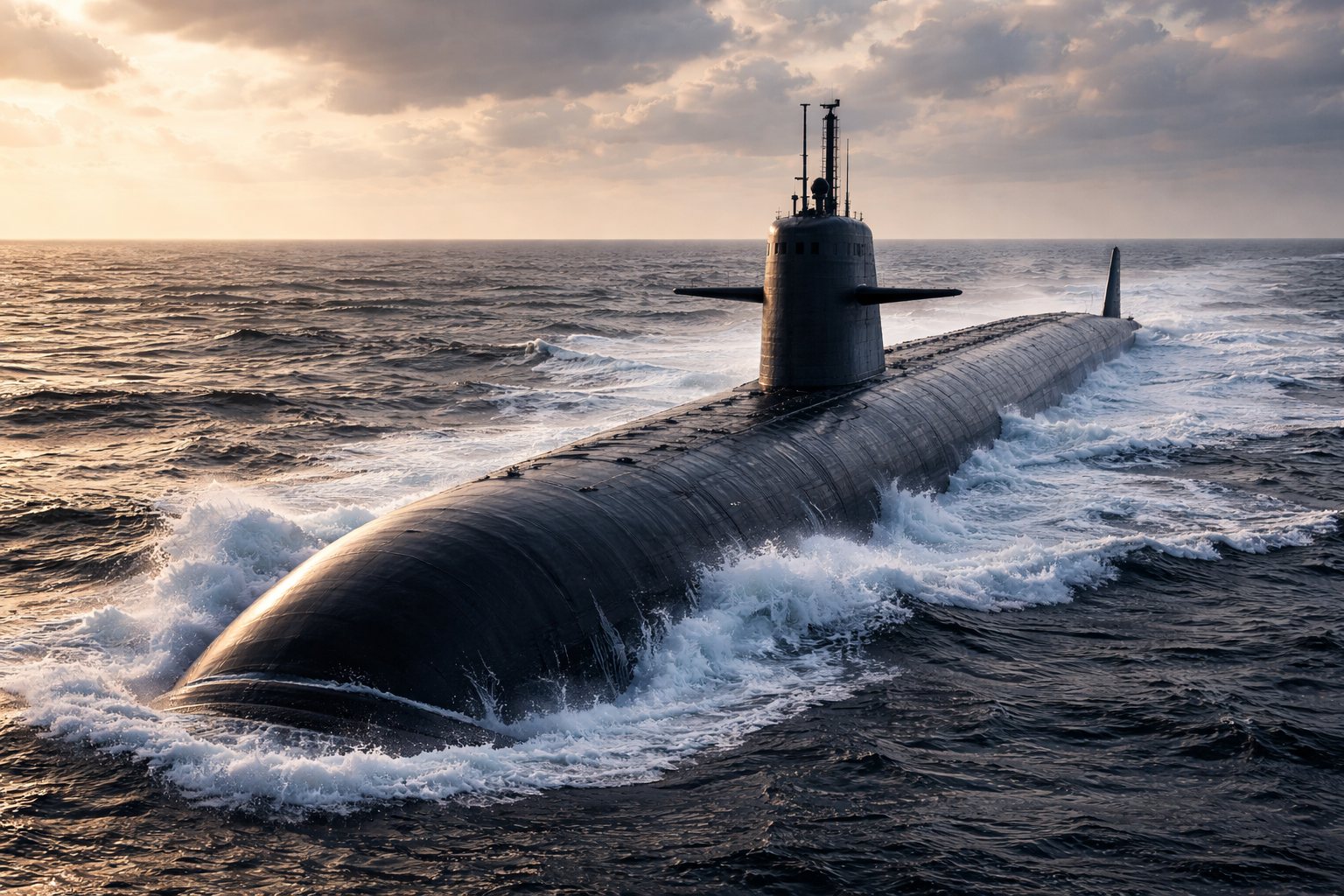
If submarines become part of the future work, the technical demands will rise sharply. Indonesia is already pushing missile-ready submarine work into local build, with PT PAL’s systems-integration role central to that effort: Indonesia pushes missile-ready submarines into local build. Any parallel surface-ship or undersea cooperation with Fincantieri will sit within the same industrial pattern: Indonesia wants capability, but it also wants control over production knowledge.
The depth of workshare will decide whether the partnership creates lasting value. Shipbuilding cooperation can build real capability if local companies gain repeatable roles in design adaptation, fabrication, outfitting, cabling, pipework, combat-system installation, trials support, and sustainment. It becomes thinner if domestic content remains concentrated in low-complexity assembly while imported subsystems and external engineering teams retain the critical path.
Supplier development will therefore be as important as yard capacity. A naval-industrial programme needs qualified welders, marine electricians, systems engineers, software specialists, naval architects, production planners, quality inspectors, and logistics staff. It also needs stable workflow. Shipyard capability fades when programmes arrive in isolated bursts, change specification mid-build, or lack funding discipline.
The partnership also reflects a broader regional pattern. Asian naval buyers increasingly want industrial participation tied to major orders, especially where maritime security pressures overlap with national manufacturing policy. Europe’s shipbuilders, facing high demand and their own capacity constraints, are responding with partnership structures that spread construction, support, and training activity into customer countries.
Indonesia’s challenge will be to build capability without overloading its industrial base. Technology transfer succeeds when it is matched to yard maturity, supplier readiness, schedule discipline, and sustainment planning. Large naval programmes can fail through ambition as easily as underinvestment, particularly when too many platform classes are pursued without enough common engineering and support architecture.
The MoU does not yet define a vessel order, but it does define direction. Indonesia is moving beyond naval acquisition as a catalogue exercise. It is using fleet renewal to pull domestic shipbuilding, integration, training, and supplier development into the centre of defence planning.