IN Brief:
- Two Enterprise Space Terminals will fly as hosted payloads on separate K2 Space satellite buses.
- The contract includes terminal procurement, payload integration, launch, and on-orbit operation.
- The deployments will support work towards interoperable optical links across future military space networks.
K2 Space has received a $22.9 million US Space Force contract to carry two Enterprise Space Terminals as hosted payloads on separate satellite buses. The award covers procurement of the terminals, payload integration, launch, and on-orbit operation, with completion scheduled for November 2028.
The firm-fixed-price contract was awarded through the Space Systems Command’s Free Space Optical Communications Broad Agency Announcement. The full value was obligated in research, development, test, and evaluation funding at award. K2 will carry out the work in Torrance, California, where it is developing and manufacturing its satellite bus architecture.
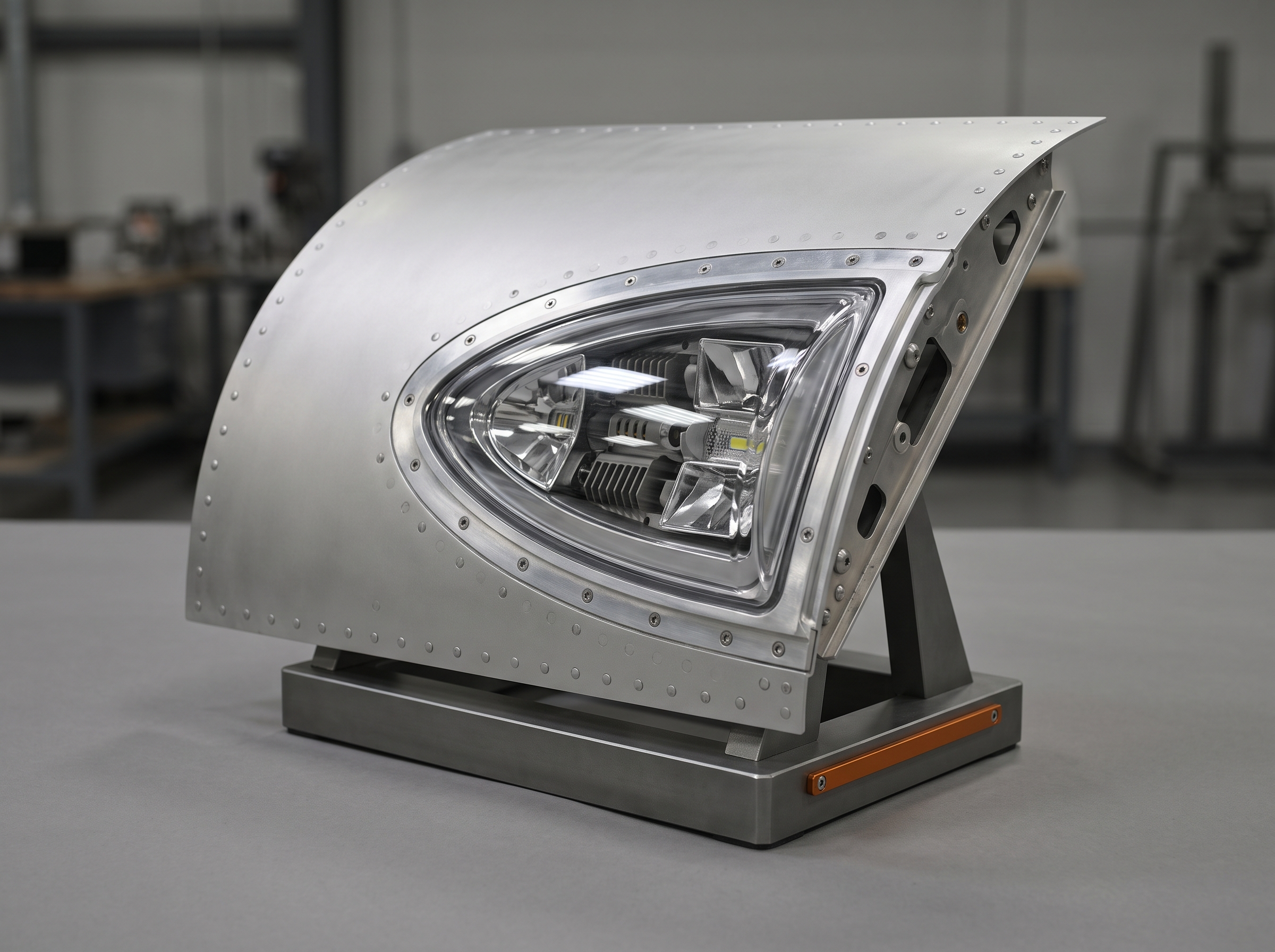
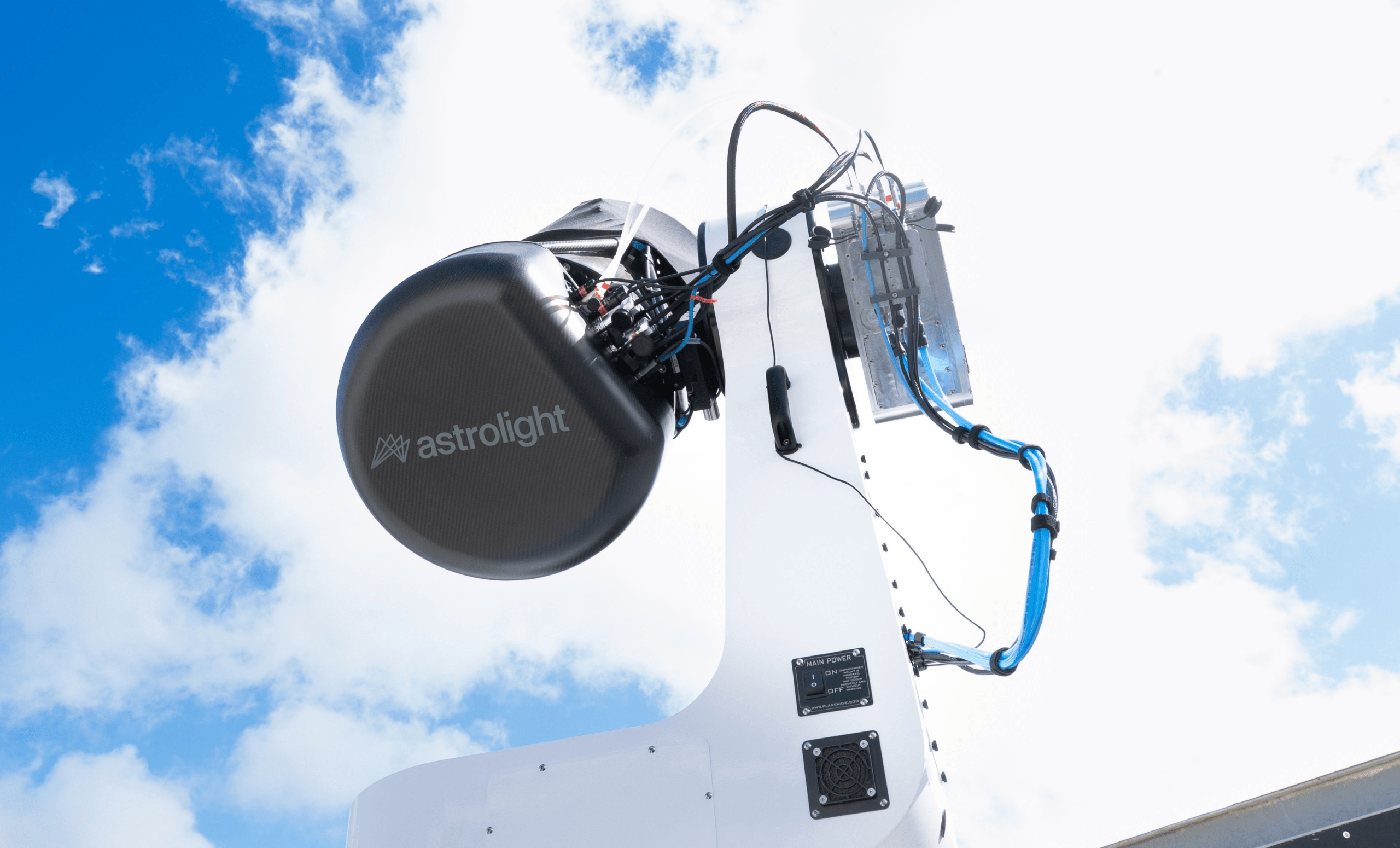
Enterprise Space Terminals are intended to support optical communications between spacecraft using a common waveform and interface approach. Laser links can move large volumes of data without relying on the same radio-frequency spectrum used by conventional satellite communications. Their practical military value, however, depends on terminals from different suppliers being able to acquire, track, and communicate with one another rather than operating as closed proprietary pairs.
The Space Force has used the Enterprise Space Terminal programme to encourage that interoperability and broaden the industrial base for optical communications. Earlier prototype phases involved several terminal manufacturers. K2’s role in the new award is different: it will provide the spacecraft hosting, integration, launch, and operational environment in which two terminals can be deployed and exercised in orbit.
Flying the terminals on separate buses allows the programme to assess integration on independent platforms and creates representative conditions for on-orbit interoperability testing. The contract notice does not identify the terminal manufacturer, planned orbit, launch provider, launch dates, or whether the two spacecraft will communicate directly with each other.
Hosted payload integration requires more than attaching a terminal to an available panel. Optical communications hardware needs power, thermal control, structural support, command and data interfaces, precise pointing knowledge, and a clear field of view. The host spacecraft must also accommodate terminal operations within its own attitude-control, power, and mission-planning constraints.
K2 markets a high-power, large-payload satellite bus designed to carry substantial mission equipment and bring more manufacturing activity in-house. The award does not specify which K2 configuration will be used, so no particular mass, power, or propulsion figure can be assigned to the mission. Two separate K2 buses are confirmed as the hosted-payload platforms.
The fixed-price structure gives the government a defined commercial commitment for the stated scope, while the November 2028 completion date places pressure on integration and launch scheduling. Space hardware programmes remain dependent on terminal availability, environmental qualification, launch manifests, licensing, and range access. A delay in any one of those elements can consume time that cannot easily be recovered during on-orbit commissioning.
Operational responsibility is also included in the award. K2 will not finish its role when the satellites separate from their launch vehicle; it must operate the hosted payloads in orbit and support the programme’s test objectives. That creates a direct link between bus design, ground systems, mission operations, and terminal performance, reducing the number of organisational boundaries across the demonstration.
Successful launch is only the first programme milestone. The terminals must be integrated without destabilising their hosts, commissioned in orbit, and operated in a way that produces useful evidence on optical-link interoperability. By November 2028, the contract calls for an operating hosted-payload capability rather than two spacecraft awaiting deployment on the ground.
Optical communications place stringent demands on pointing and timing. A narrow laser beam offers high data capacity and avoids some of the spectrum constraints attached to radio-frequency links, but the terminals must acquire and hold another moving spacecraft with great precision. Thermal distortion, vibration, and attitude knowledge can influence performance. K2 is responsible for the hosted environment in which those variables will be managed, while the terminal’s detailed specification remains undisclosed.
The use of hosted payloads also offers a route to test equipment without funding a bespoke spacecraft for each terminal. That can shorten development and expose integration problems earlier, but it does not remove dependence on the host mission. K2 must balance terminal test objectives against spacecraft health, power, pointing, and communications constraints throughout commissioning and operations.
Operating the payloads after launch will require a matching ground segment. K2 must command the host spacecraft, monitor power and thermal conditions, schedule terminal activity, and return engineering data from the test campaign. Those functions are part of the contract’s operational scope and will determine how quickly an integration problem can be isolated between the terminal, bus, or mission software.