
News
-
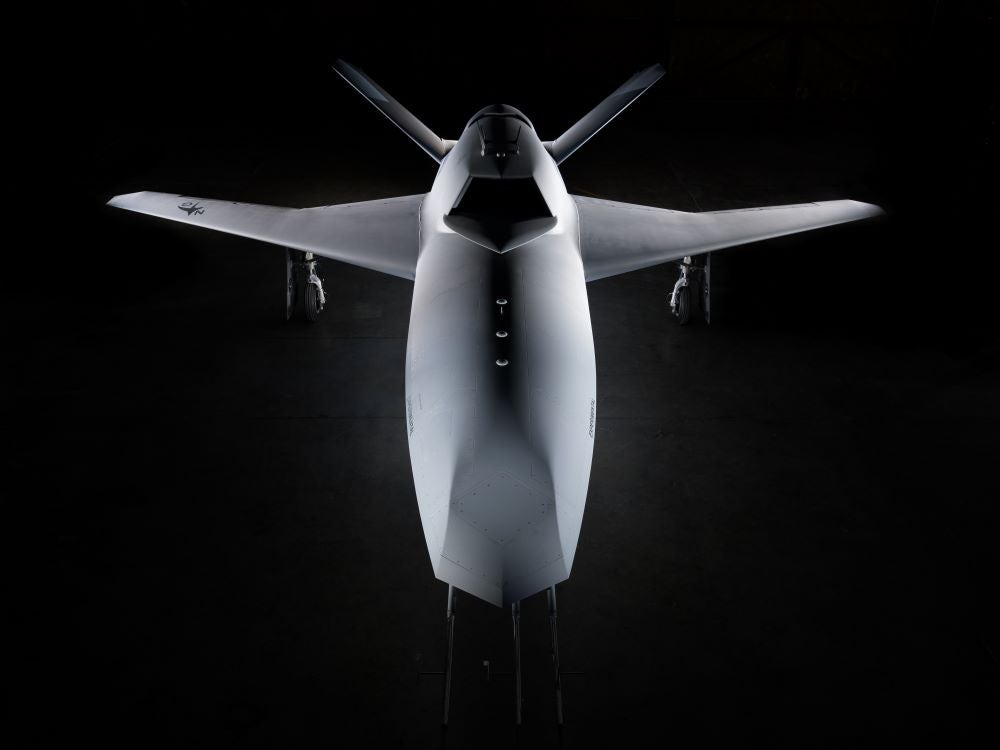
Northrop Grumman’s YFQ-48A Talon Blue completed its first autonomous flight. The company funded aircraft performed taxi, take-off, manoeuvring and landing autonomously as Northrop moves the collaborative combat aircraft design into flight testing.
-
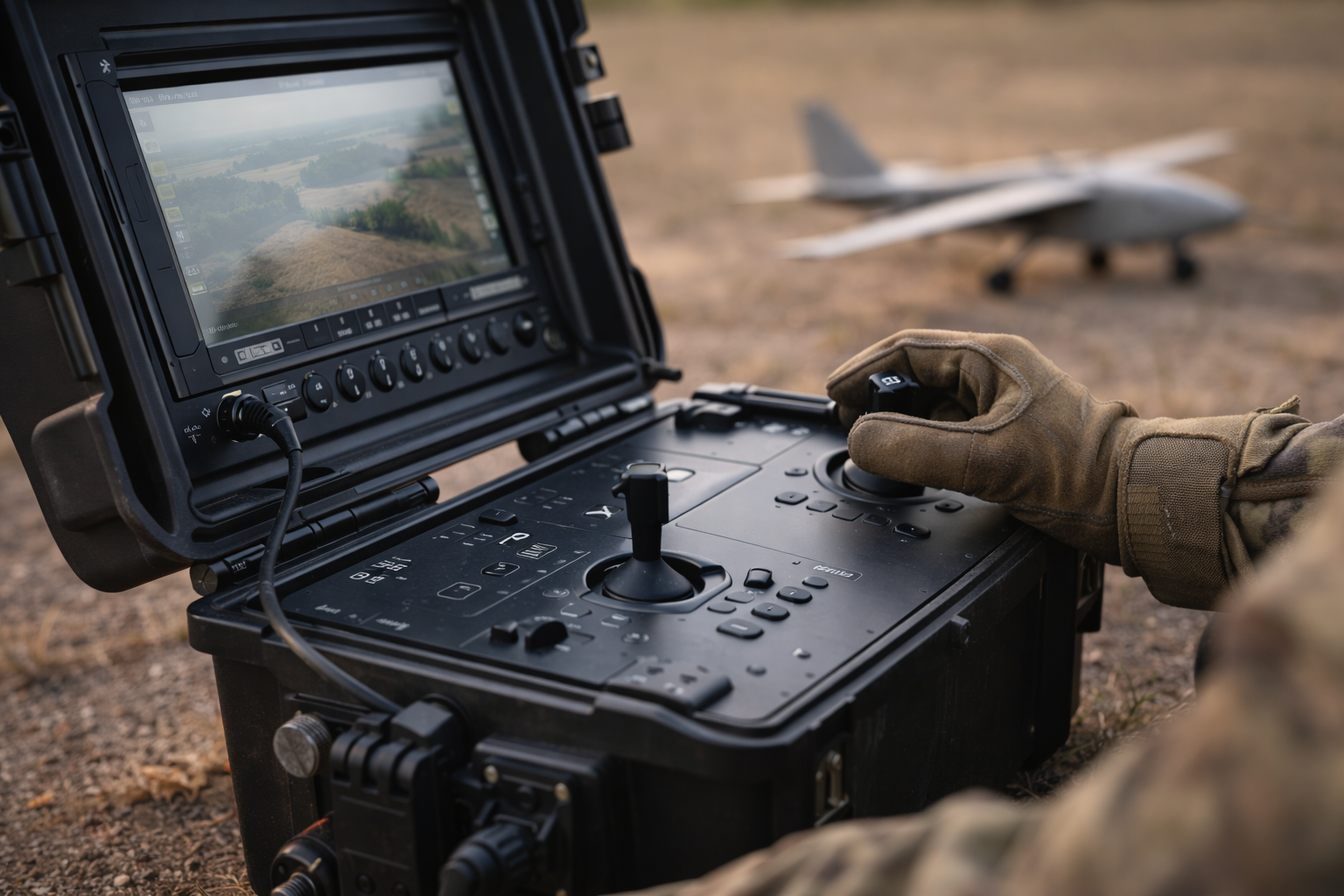
ARX Robotics and Roboneers are expanding their unmanned systems partnership. The German-Ukrainian agreement covers deeper system integration and joint development alongside an existing venture for serial Rys Pro production.
-
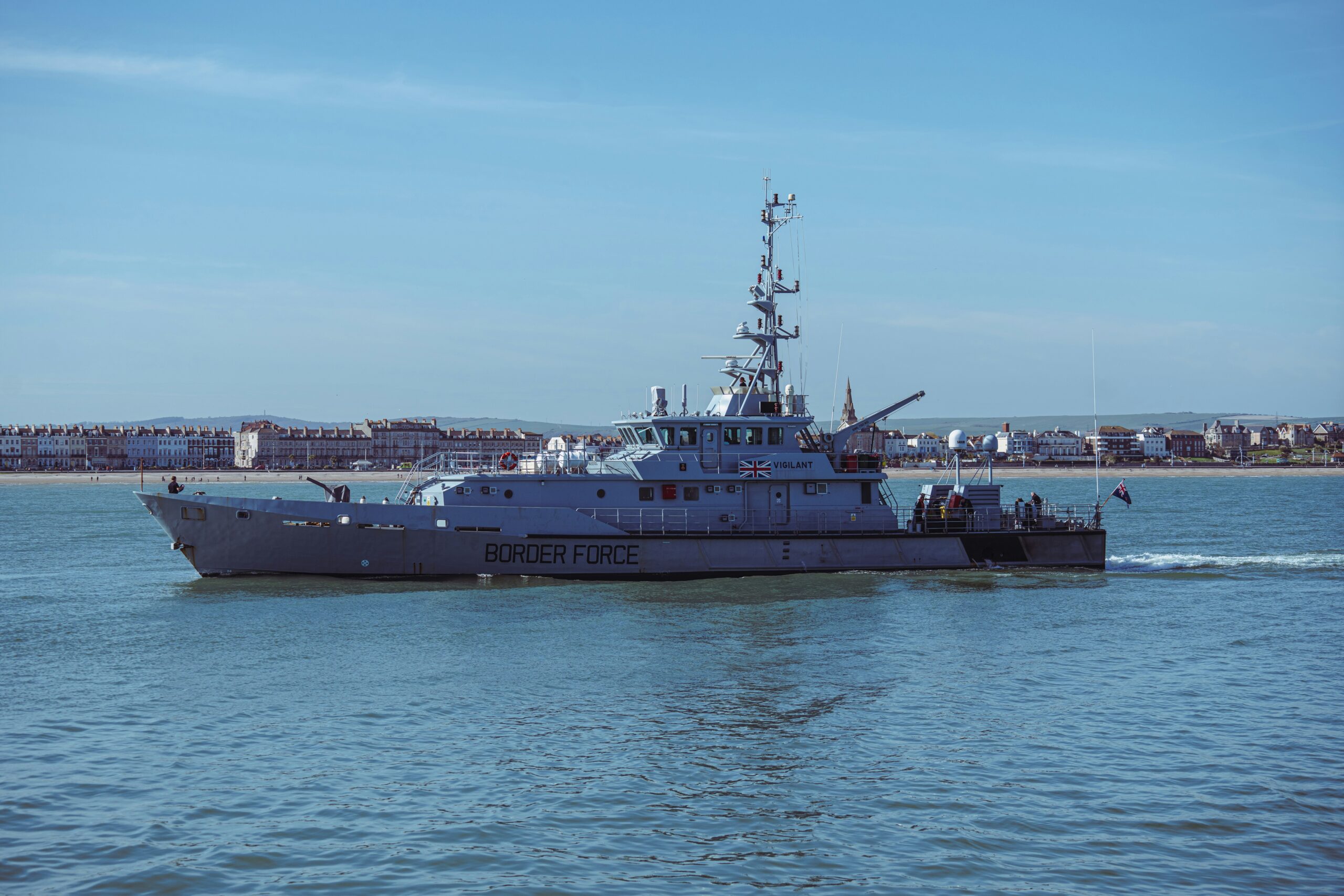
Rampart has completed its first live firing campaign at sea. The Naval Group launcher fired guided and unguided 68mm rockets aboard a French Mistral-class ship during the WILDFIRE counter drone exercise.
-
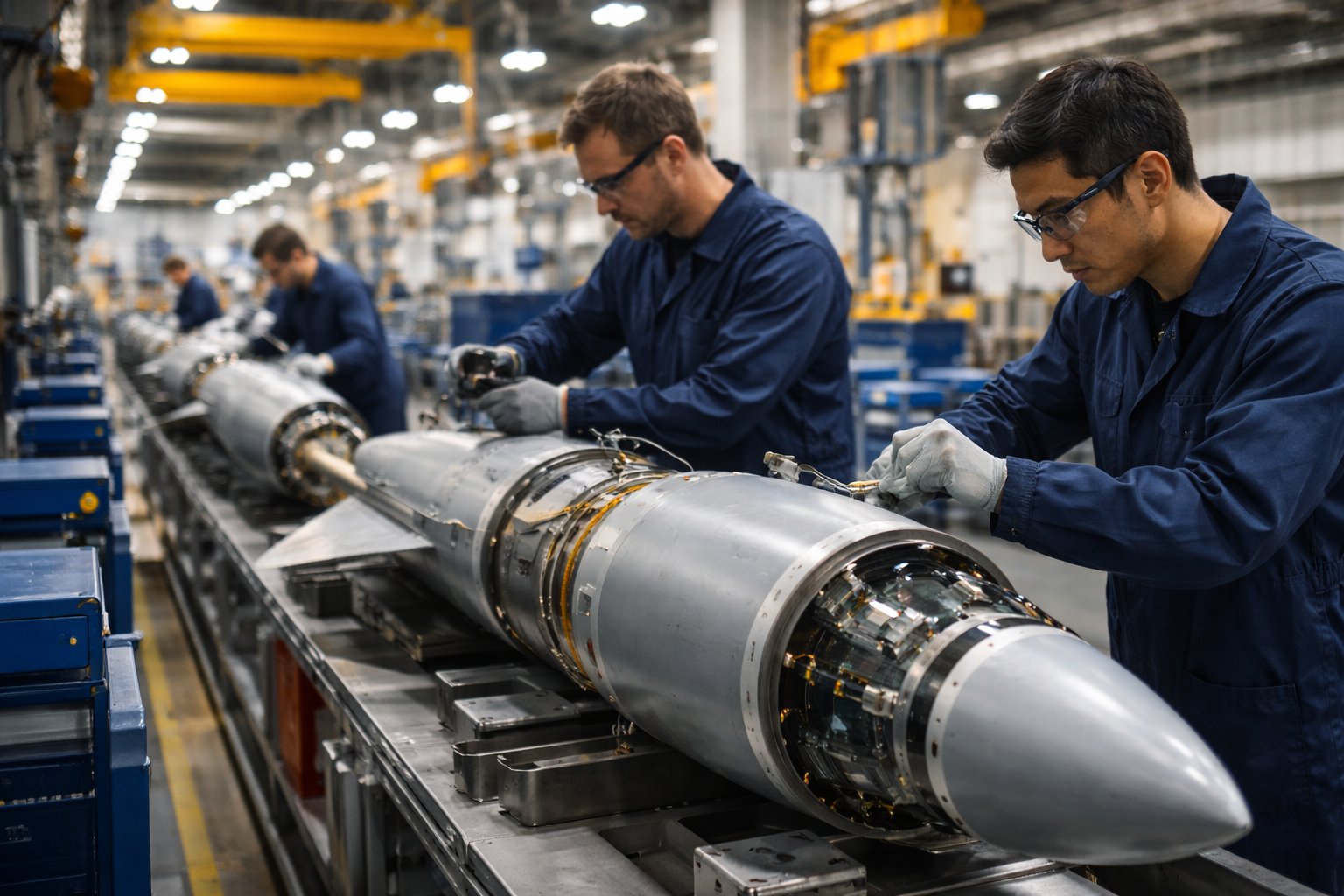
Ondas has secured a $56 million European loitering munition order. Production in Poland will supply electronic safe and arm devices controlling critical safety, arming and initiation functions inside the weapon system.
-

Germany will finance tens of thousands of Ukrainian interceptor drones. Quantum Systems says the package will expand local production of systems already in service and deepen its German-Ukrainian industrial network.
-
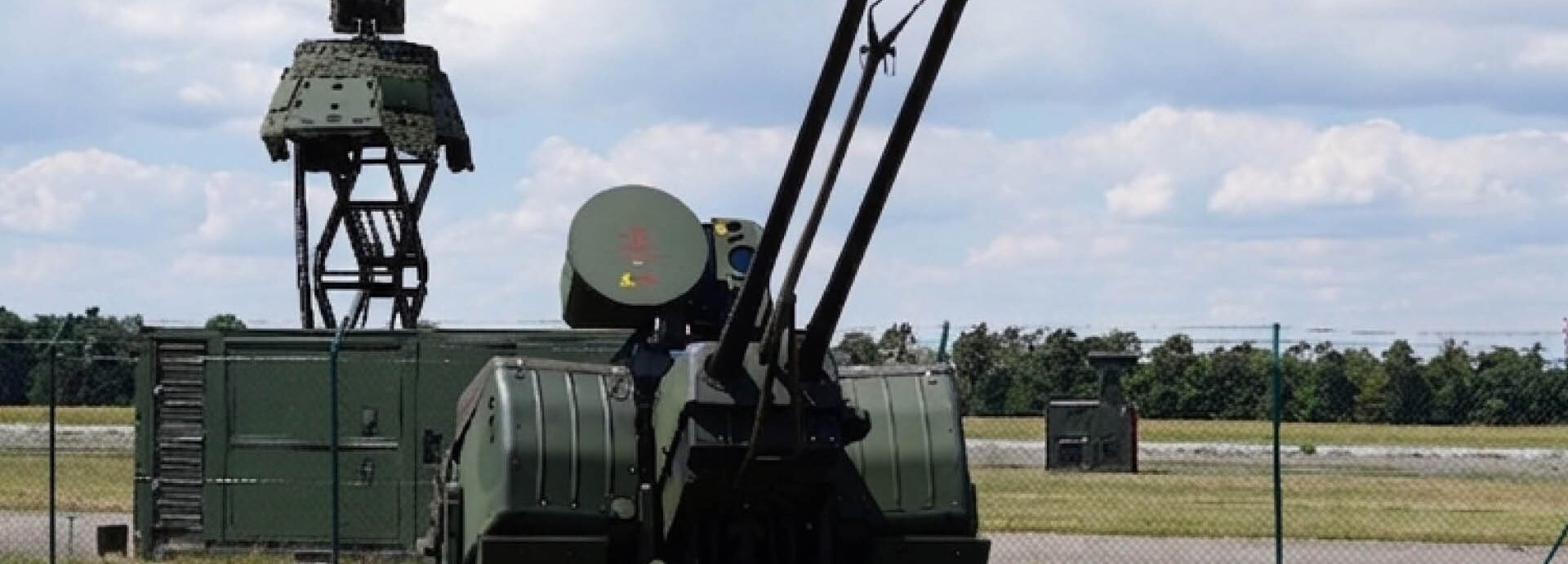
HENSOLDT and Ukraine expand strategic radar cooperation for air defence. The memorandum covers further large scale deliveries, capability development and examination of long range radar deployment and joint operation.
-
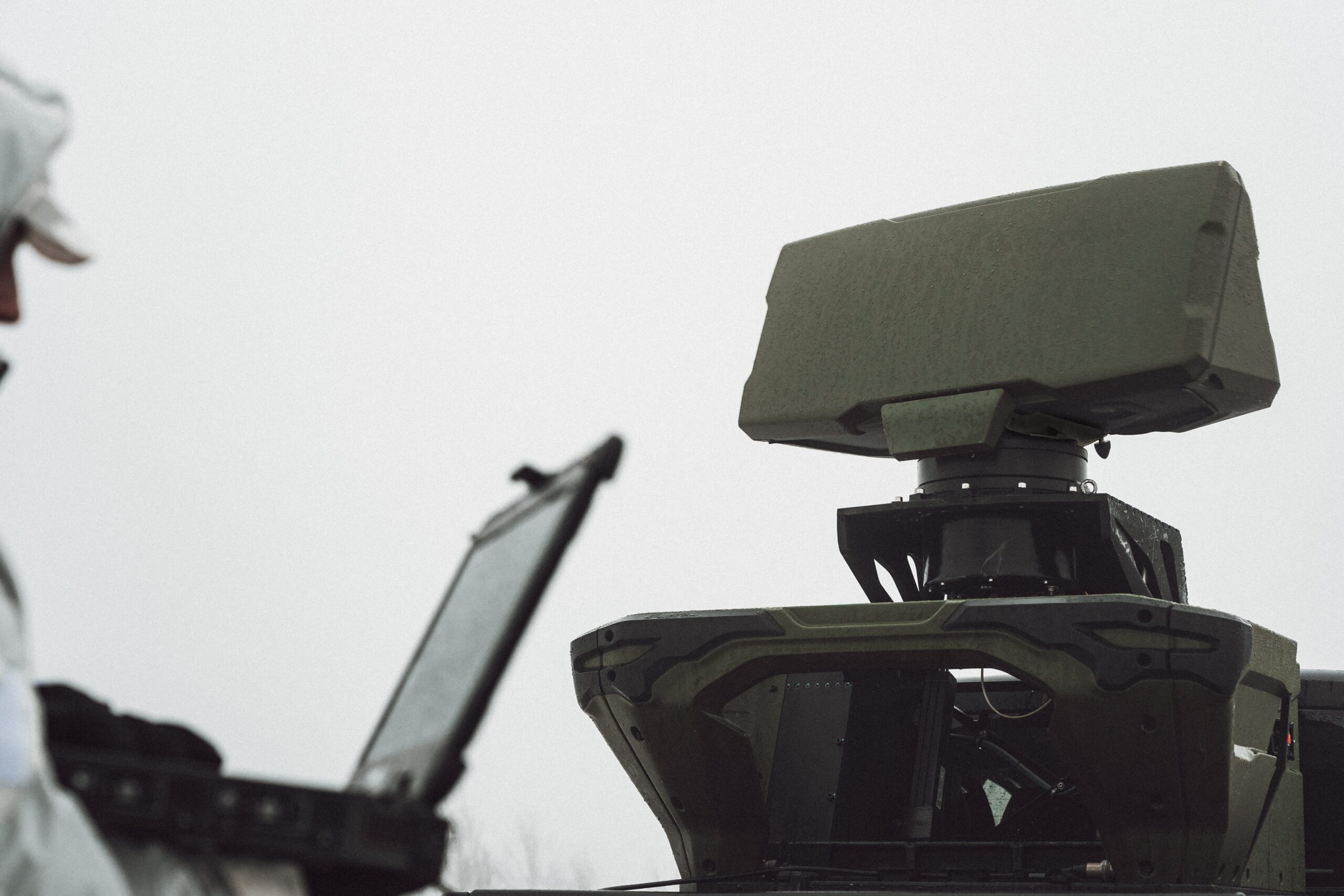
Saab and Kraken have tested an autonomous maritime drone seeker. The UK-built prototype combines Giraffe 1X radar with the K3 Scout uncrewed surface vessel for counter UAS surveillance around ships and infrastructure.
-
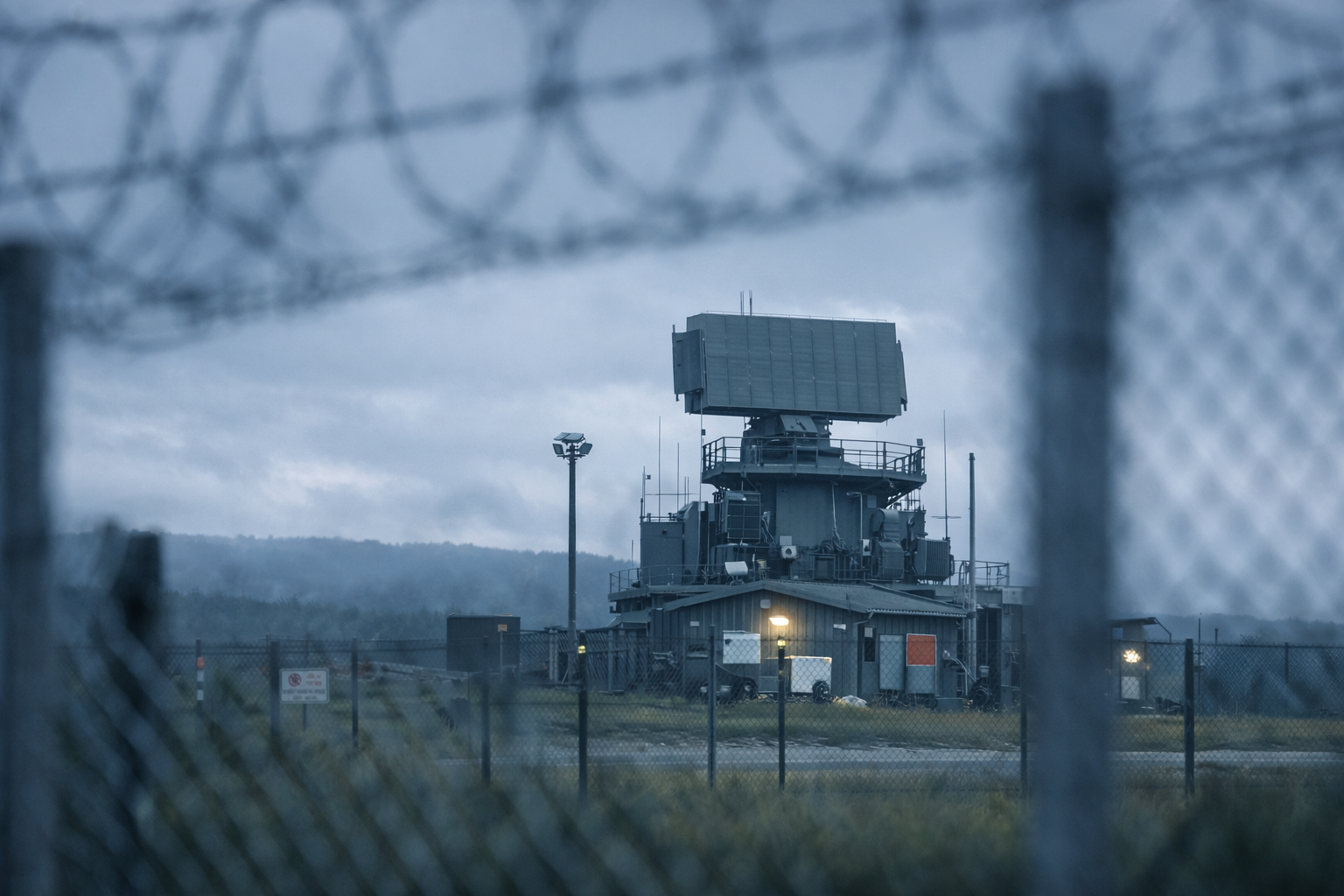
Leonardo DRS has opened dedicated UK tactical radar manufacturing capacity. The new DRS UK operation will support counter UAS, air defence, force protection and active protection programmes across Britain and Europe.
-

Naval Group has started Sweden’s first FDI frigate at Lorient. Steel cutting begins a four-ship production programme that expands the yard’s FDI workload across three NATO navies.
-
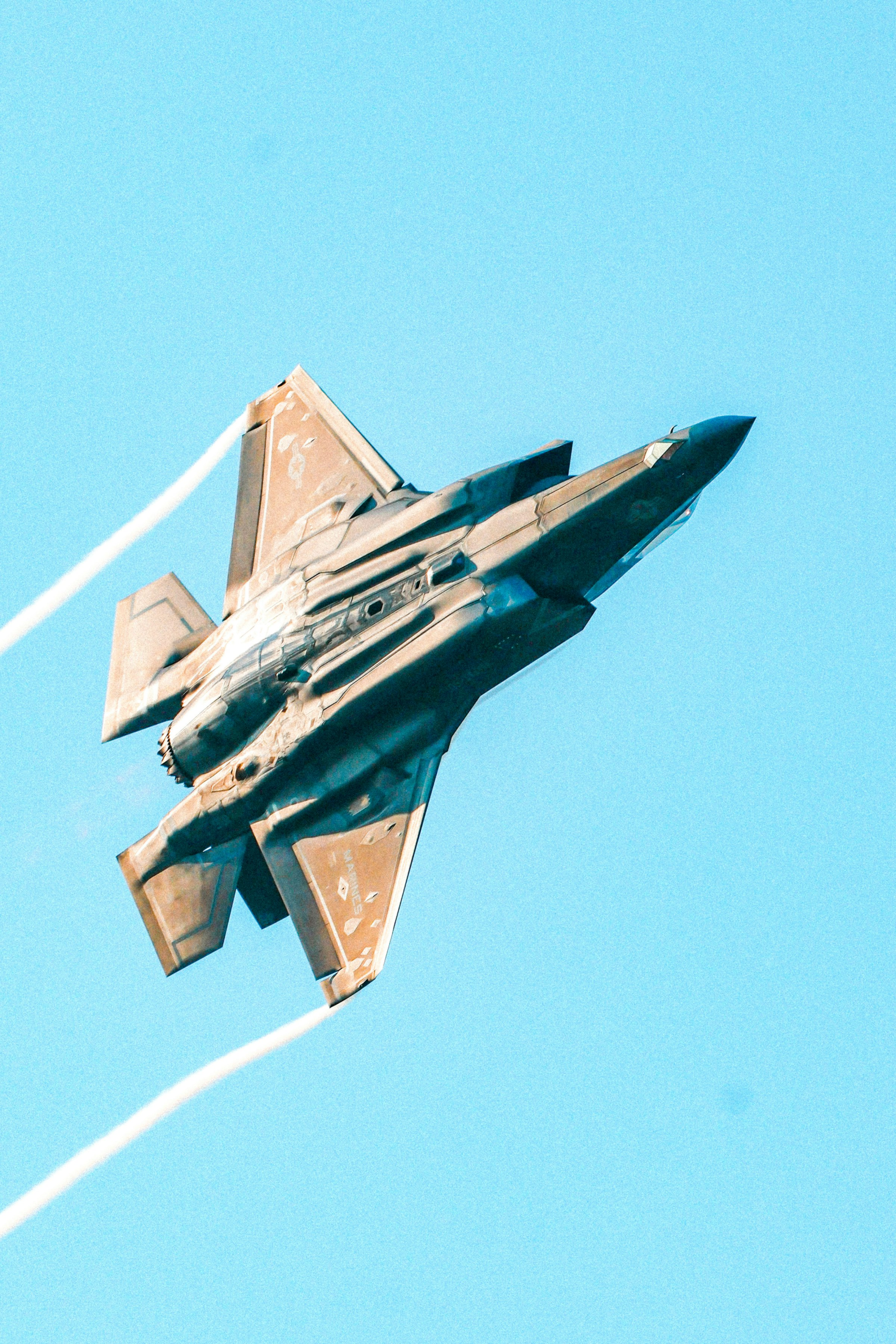
LAHAB has completed qualification of its UAE-made MK 82 Penetrator. The programme moves an indigenous hardened-target munition through performance and environmental testing as development continues on a larger MK 83 version.