
News
-
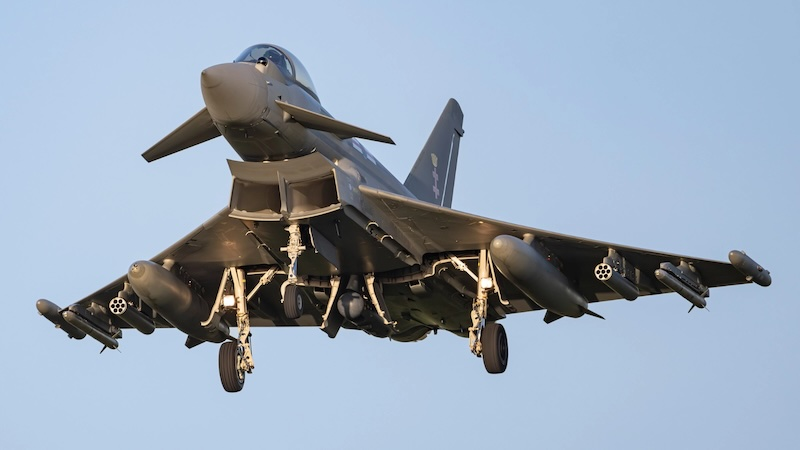
Britain has started long lead work on Typhoon Phase Four. The delivery schedule for P4E and ECRS Mk2 integration remains under development with Eurofighter programme partners.
-
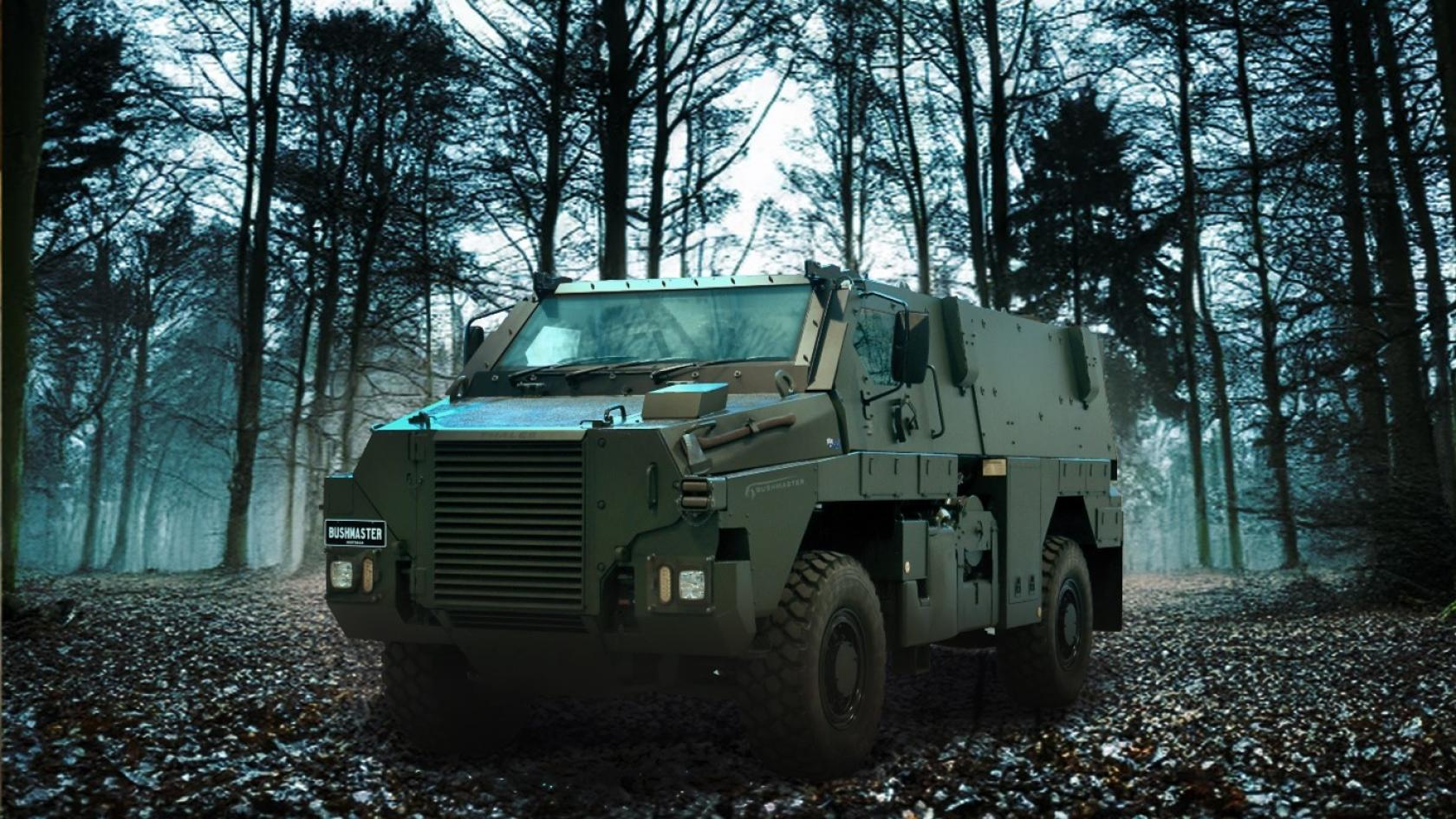
L3Harris will modernise selected Australian Bushmasters with integrated C4I systems. The three year programme covers system design, integration, installation and delivery from the company’s Pinkenba support centre.
-
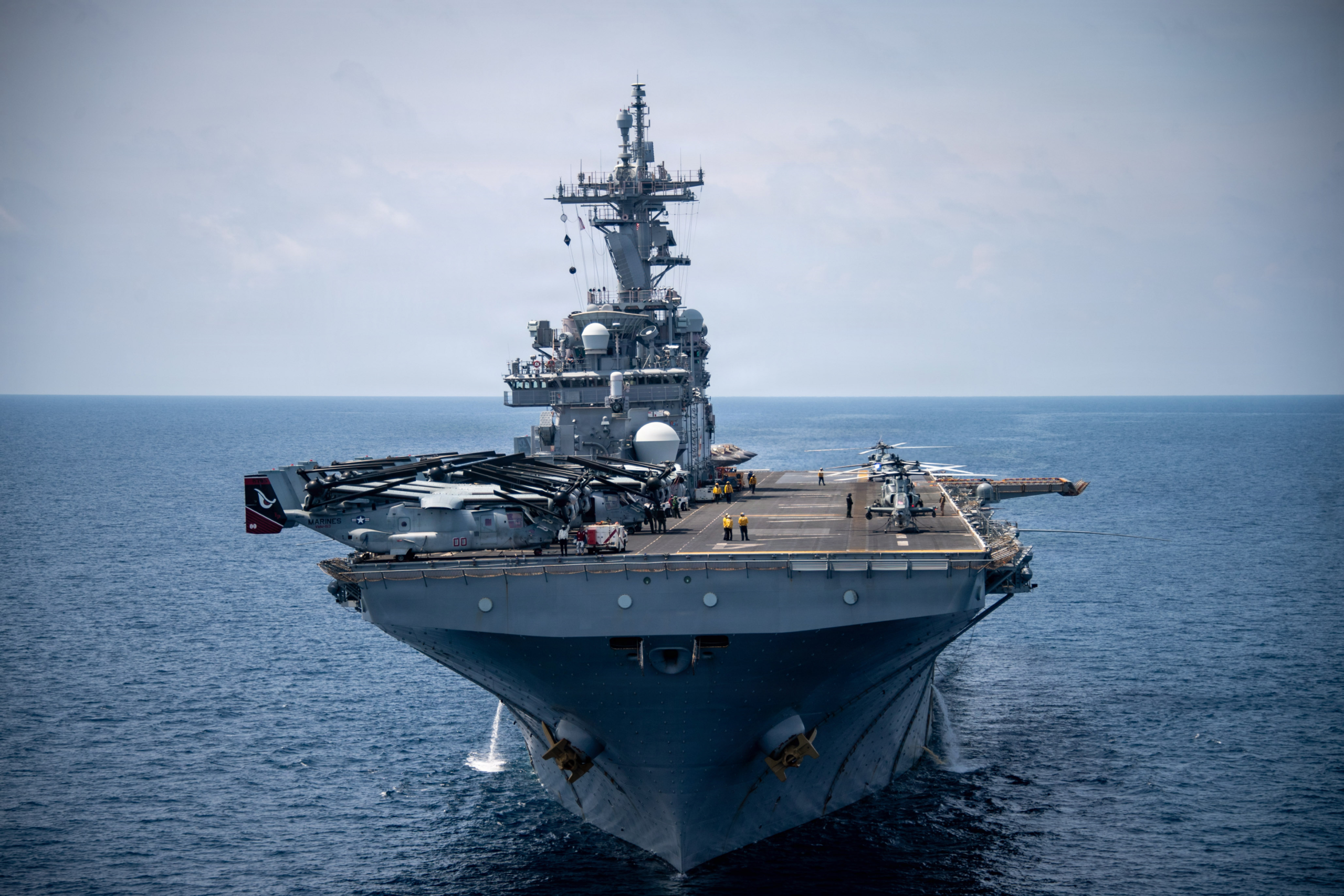
Rheinmetall and Breaker have integrated voice controlled autonomy into Boxer. One crew member commanded multiple drones through the vehicle’s standard microphone and headset during the demonstration.
-
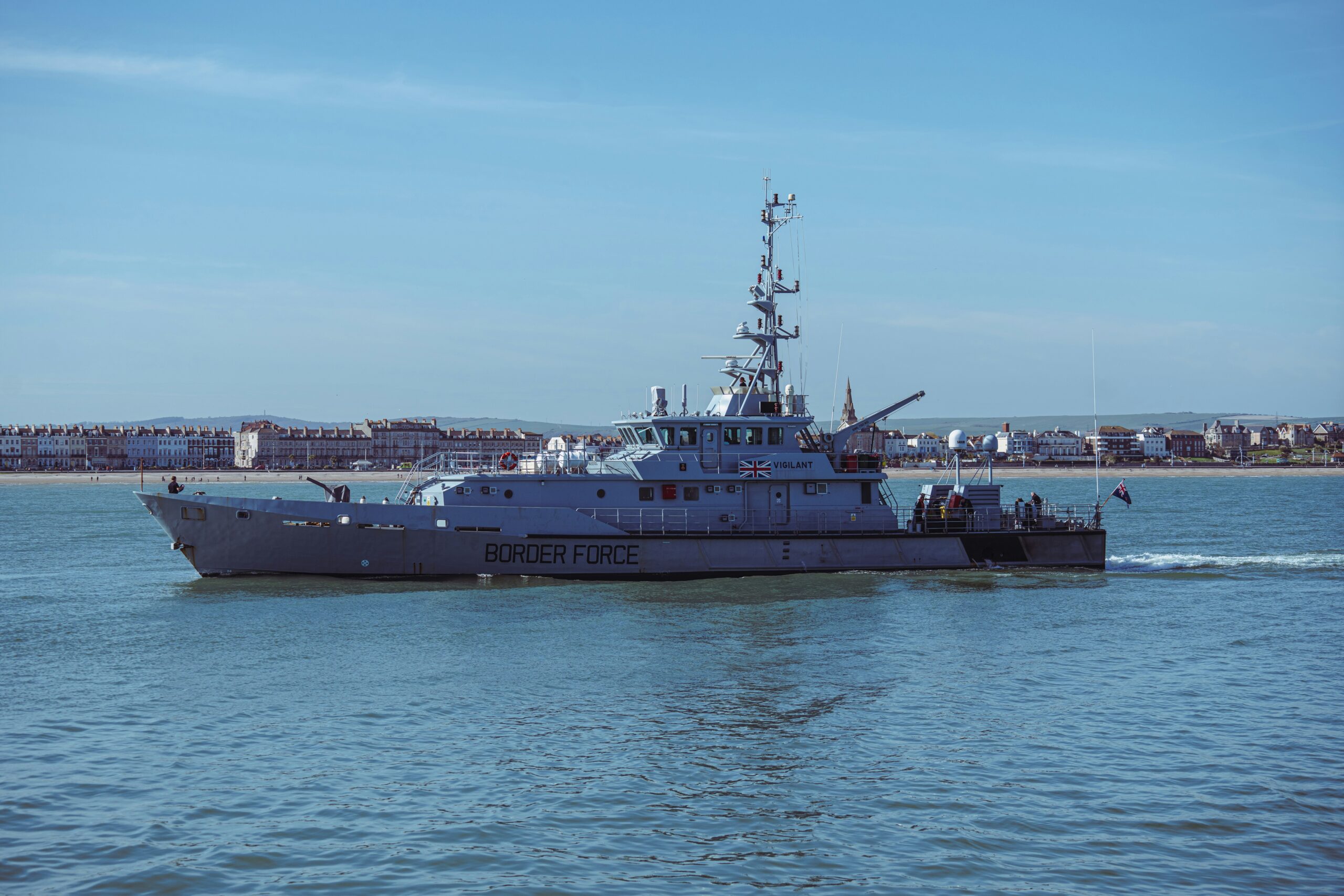
India has ordered BrahMos fire control systems and naval launchers. The ₹661.50 crore contract requires at least 68% indigenous content and covers a three year delivery period.
-

Hindustan Shipyard has launched India’s first indigenous fleet support ship. The yard has also laid the fifth ship’s keel and commissioned infrastructure capable of handling vessels up to 45,000 DWT.
-
HAL has delivered its 2,000th aero-engine from the Koraput complex. New investment will raise AL-31FP capacity to 50 engines annually and establish a second Shakti production line.
-
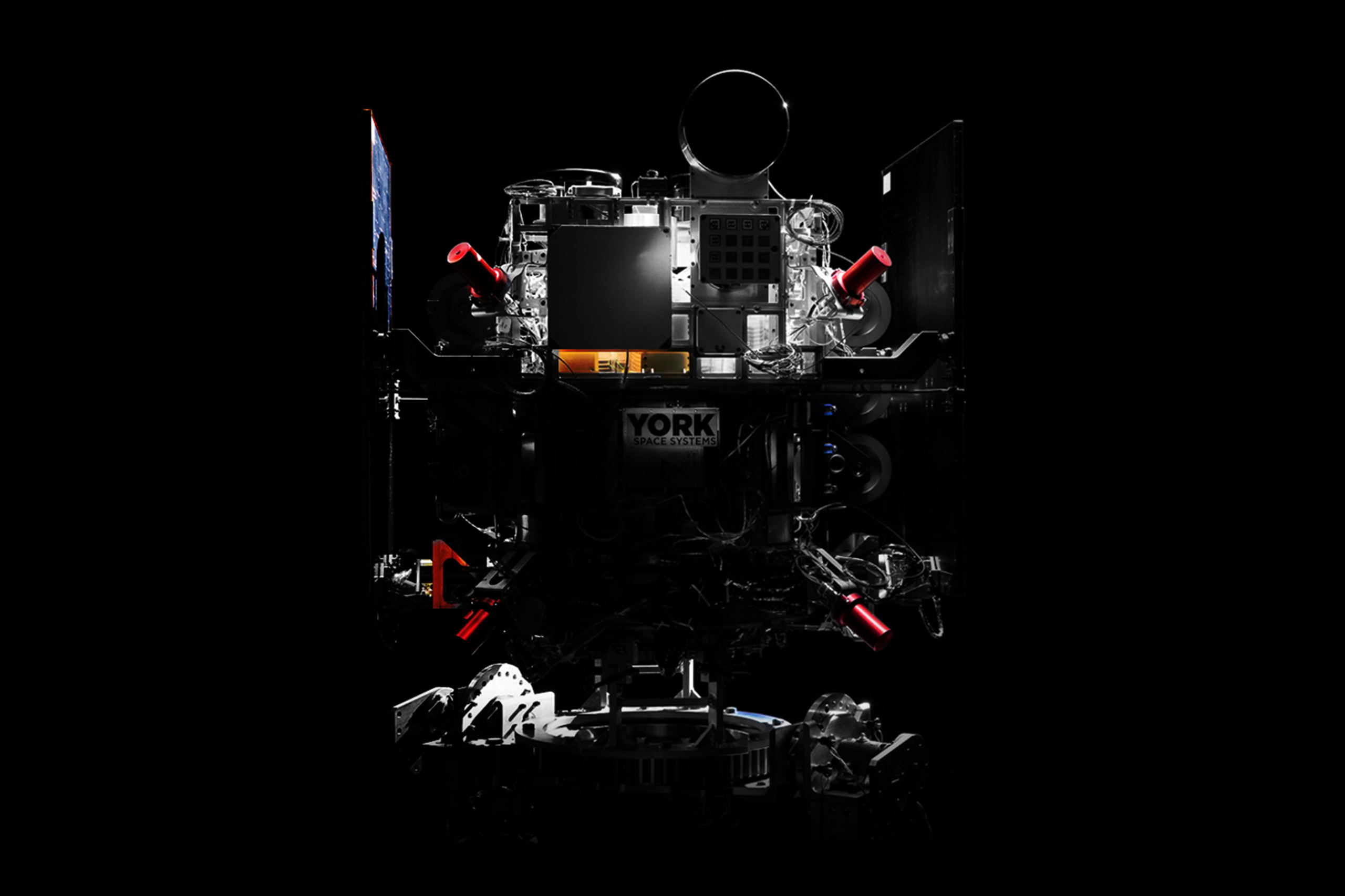
York’s Nemesis spacecraft have cleared their Delta design review milestone. Tetra 3 and Tetra 4 will carry infrared, LiDAR and GPS sensors for geosynchronous space domain awareness and proximity operations demonstrations.
-
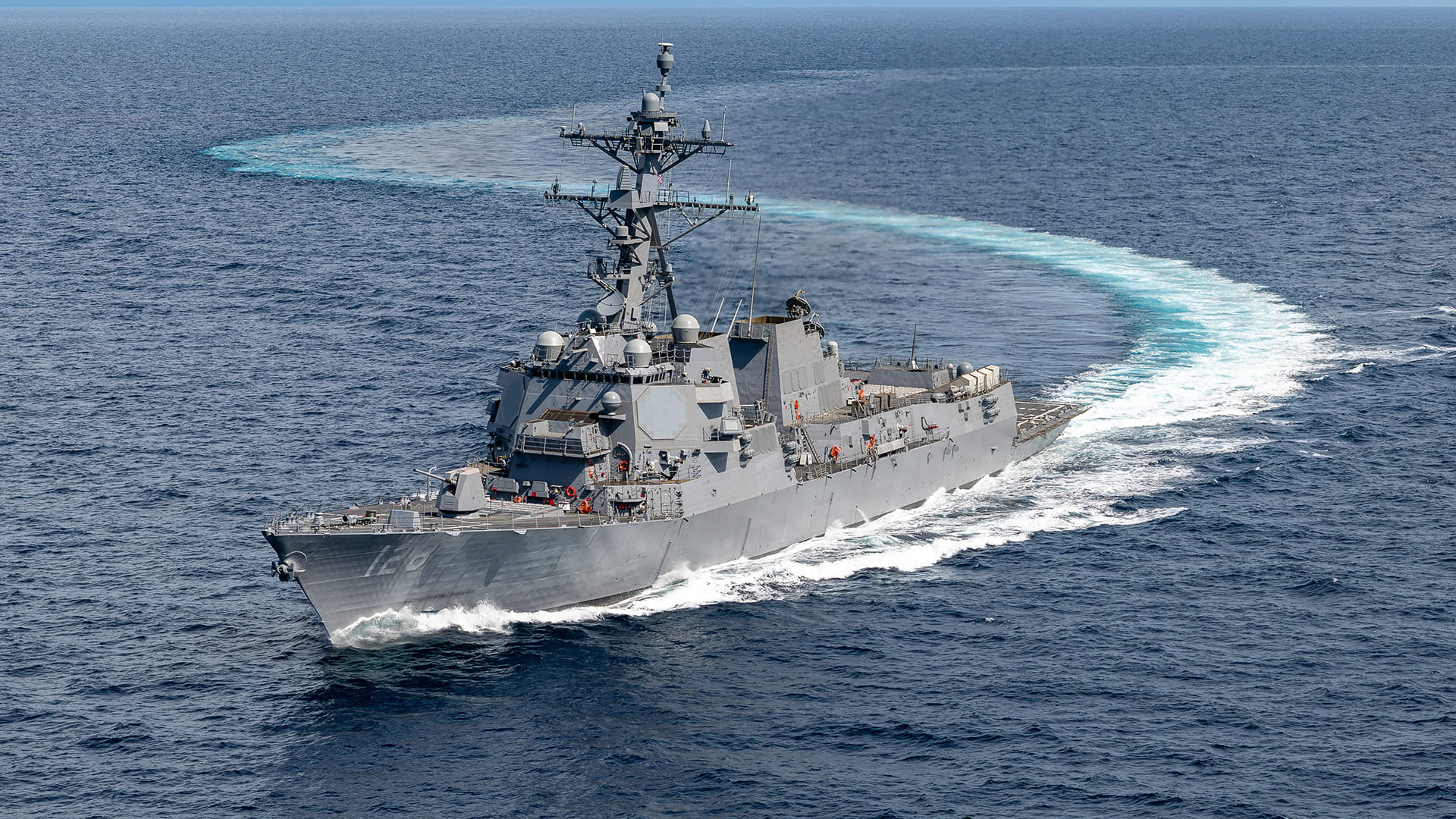
USS Ted Stevens enters service as second Flight III destroyer. The ship combines SPY-6 radar, Aegis Baseline 10 and expanded electrical and cooling capacity for simultaneous air and ballistic missile defence missions.
-

Detroit Defense will field predictive sustainment tools with Army vehicles. The system combines onboard vehicle data, soldier maintenance records, machine learning and resilient tactical networking to identify emerging failures before equipment leaves service.
-
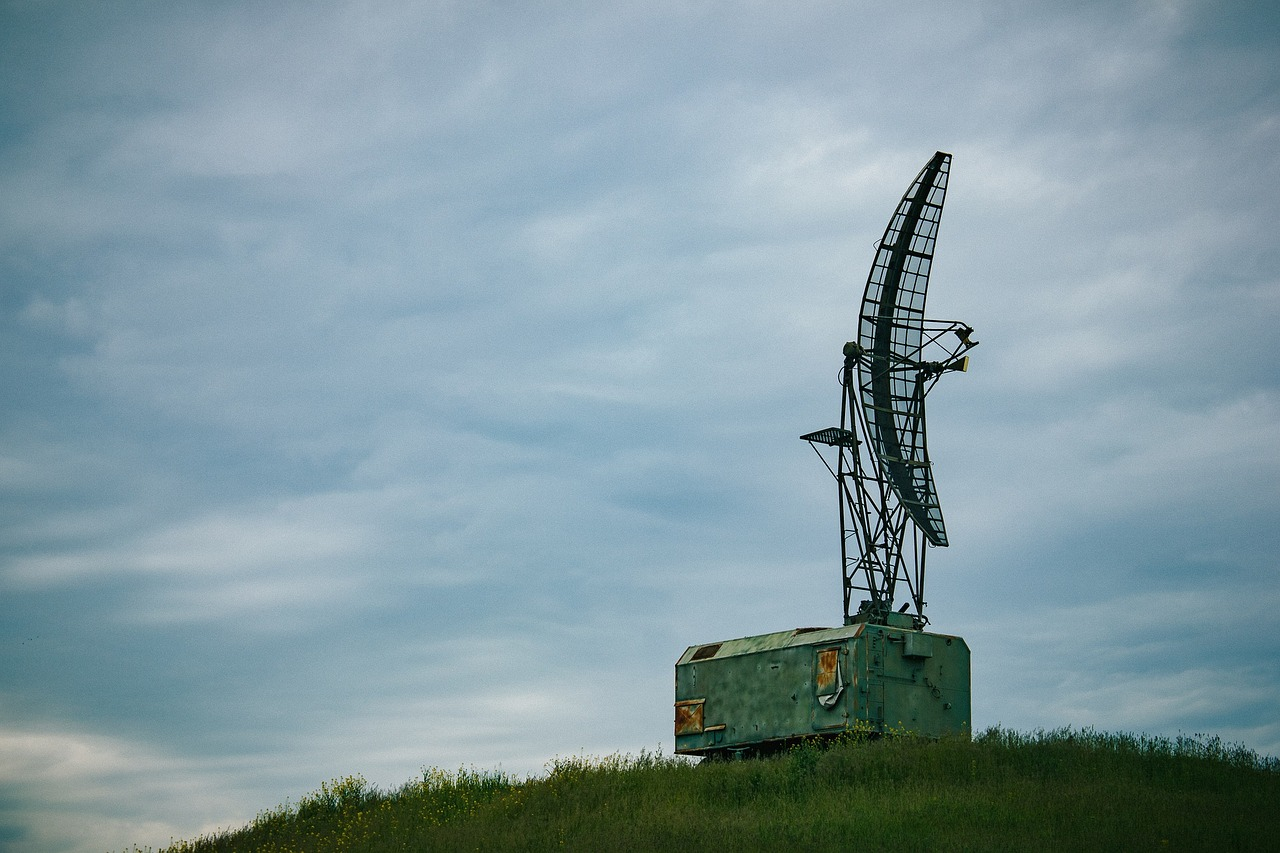
Kratos has secured over $100 million in new space contracts. The awards combine global radio frequency sensing, deployable terminals, analytics and cyber capabilities for intelligence, electronic warfare and targeting missions.