News


  • B-52J engine upgrade clears design review

    The B-52J engine upgrade has cleared critical design review successfully. The milestone allows Boeing to begin modifying the first two aircraft with Rolls-Royce F130 engines, new generators, updated interfaces, and supporting systems, creating production work across propulsion integration, electrical power, tooling, software, testing, and depot processes for long-range bomber sustainment.


  • L3Harris selected for Miecznik frigates

    L3Harris will equip Poland’s Miecznik frigates with platform management systems. The Integrated Platform Management System will support automation, safety, machinery monitoring, alarms, and ship efficiency, while adding integration work across cabling, software configuration, acceptance testing, training, and in-service support for PGZ Stocznia Wojenna’s Arrowhead 140-based build of new naval vessels.


  • US advances LRSO bomber missile

    LRSO development keeps strategic standoff missile production under scrutiny again. The AGM-181 programme links bomber modernisation to low observable missile manufacturing, with performance dependent on shaping, coatings, propulsion integration, nuclear certification, software assurance, warhead interfaces, and long cycle sustainment.


  • RENK enters wheeled armoured vehicle market

    RENK has launched ESM 280 for wheeled armoured vehicles today. The transmission targets medium and heavy military platforms up to 620kW, bringing tracked-vehicle drivetrain experience into wheeled programmes where weight growth, cooling, reliability, lifecycle support, and future upgrade margins increasingly shape production decisions for international vehicle primes and armies alike.


  • Aselsan launches counter-drone and EW systems

    Aselsan has unveiled new counter-drone and electronic warfare systems today. The SAHA 2026 launches include radar jamming, communications attack, high-power microwave, laser, kinetic interception, and vehicle self-protection equipment, expanding Türkiye’s Steel Dome architecture while increasing demand for rugged electronics, power systems, sensors, and integration capacity across layered air defence production.


  • US Air Force revives E-7A procurement

    US E-7A plans revive airborne early warning production momentum again. The proposed five aircraft buy would sustain a complex conversion programme, with industrial pressure falling on 737 airframe modification, MESA radar integration, mission consoles, secure communications, power and cooling changes, and fleet support.


  • Saab UK expands radar testing at Fareham

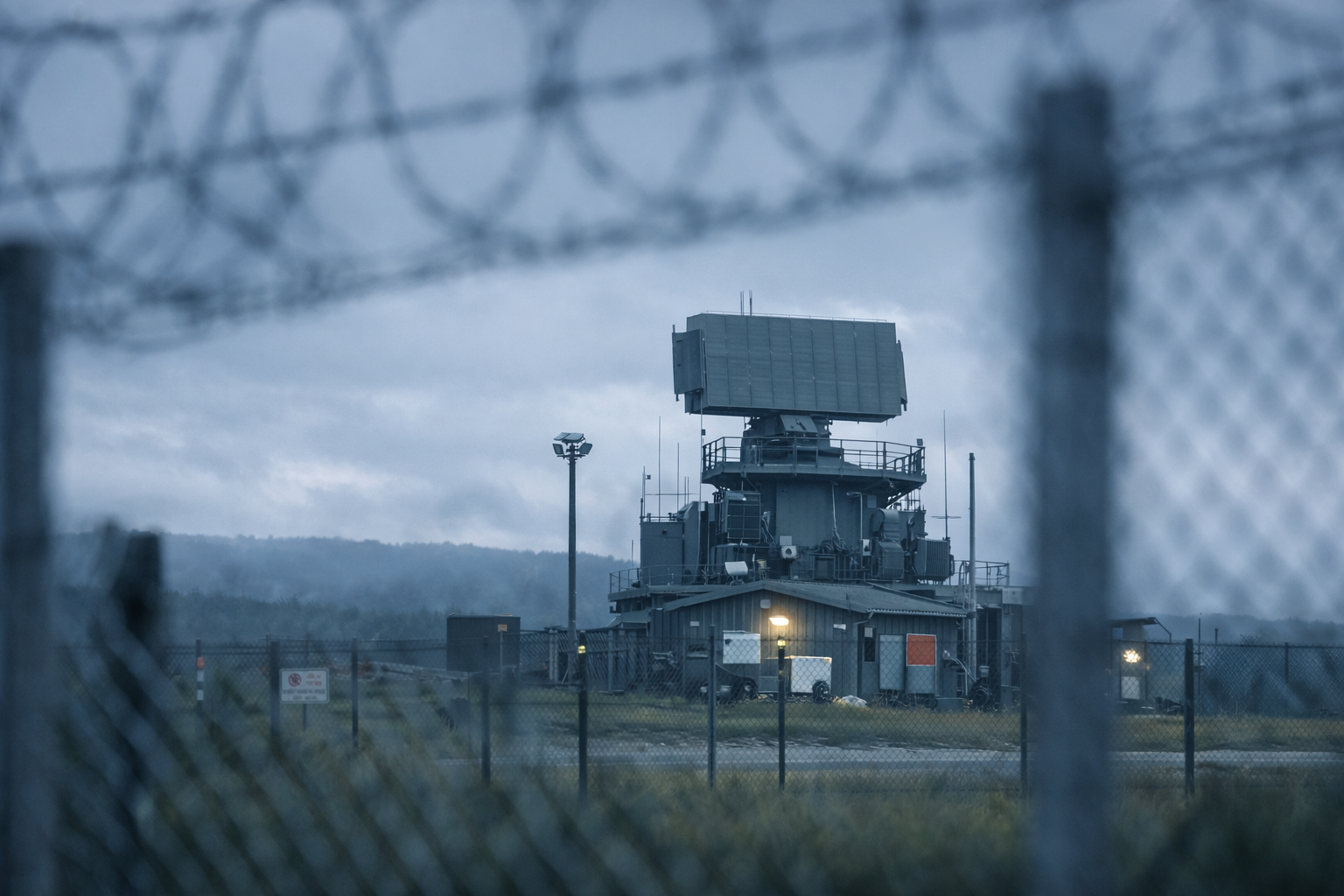
    Saab UK has opened new radar testing capacity at Fareham. The facility follows completion of the 100th Giraffe 1X radar and adds dedicated space for integration, verification, software testing, and customer acceptance, strengthening UK sensor production, configuration control, and delivery assurance across land and naval air defence programmes export orders.


  • Dstl opens AIM standard to industry

    Dstl has developed AIM to connect sensors, targeting, and weapons. The government-owned messaging standard will be opened to industry after a Texas trial linked uncrewed platforms, designation tools, and missiles, giving suppliers a common digital route for low-bandwidth, networked find-and-strike integration across contested command and control environments and future platforms.


  • Dutch frigate study weighs Aegis option

    Dutch Aegis study tests Europe’s naval systems sovereignty choices today. The frigate decision could reshape workshare around radar, combat management, missile integration, software control, and shipyard production as the Netherlands weighs US architecture against domestic and European industrial control.


  • Malaysia vehicle renewal draws supplier interest

    Malaysia’s army vehicle renewal is drawing fresh supplier attention today. Upgrade concepts such as MIFV-CH25 point to a practical modernisation path for legacy fleets, centred on local integration, remote weapons, improved awareness, crew systems, and sustainment work that avoids immediate wholesale platform replacement while preserving depot knowledge and spares chains.