
News
-
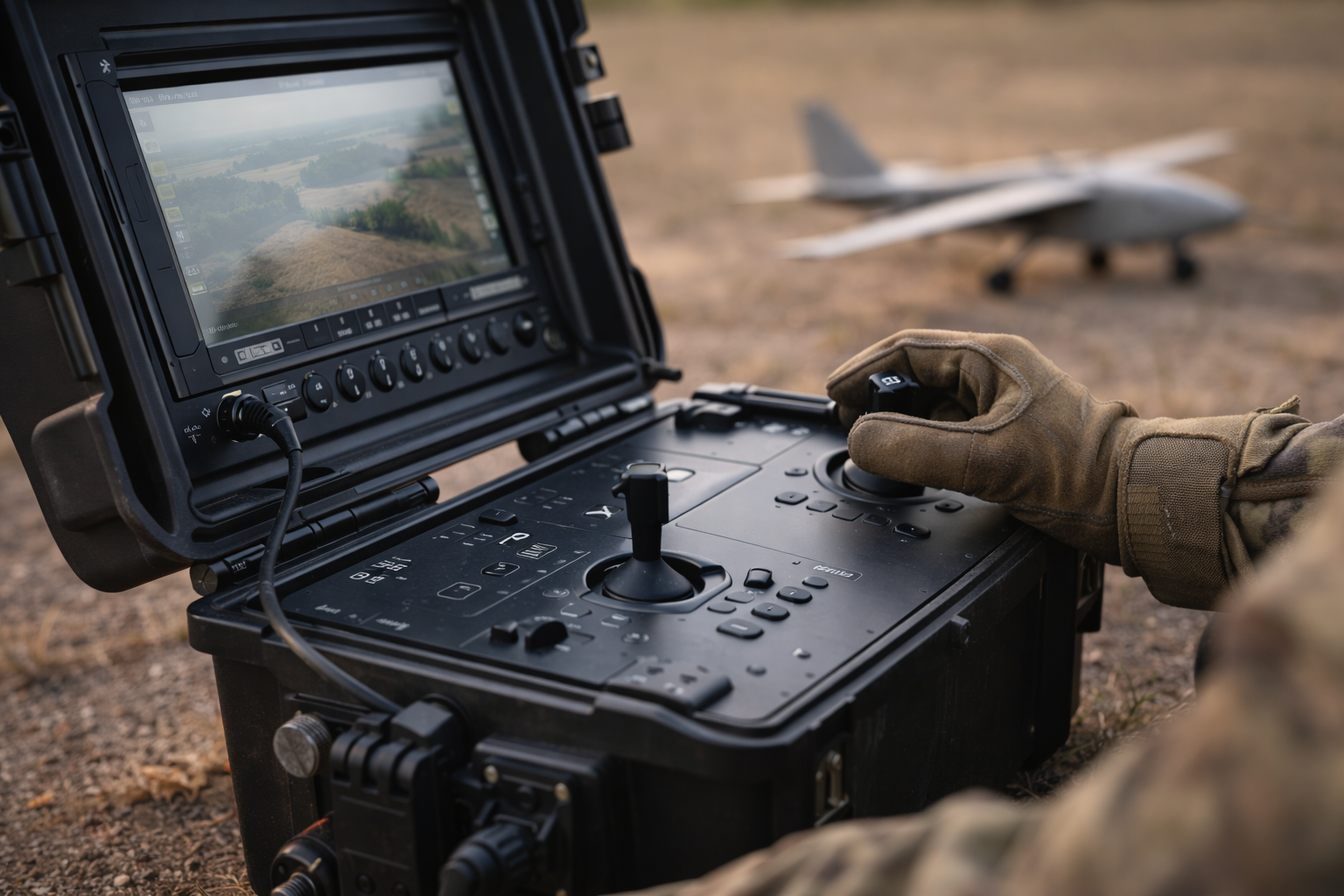
Intelic has integrated counter-drone sensors and interceptors through Nexus software. The Dutch company’s platform connects equipment from different manufacturers, while a €30 million defence contract supports the development of interoperable command capabilities.
-
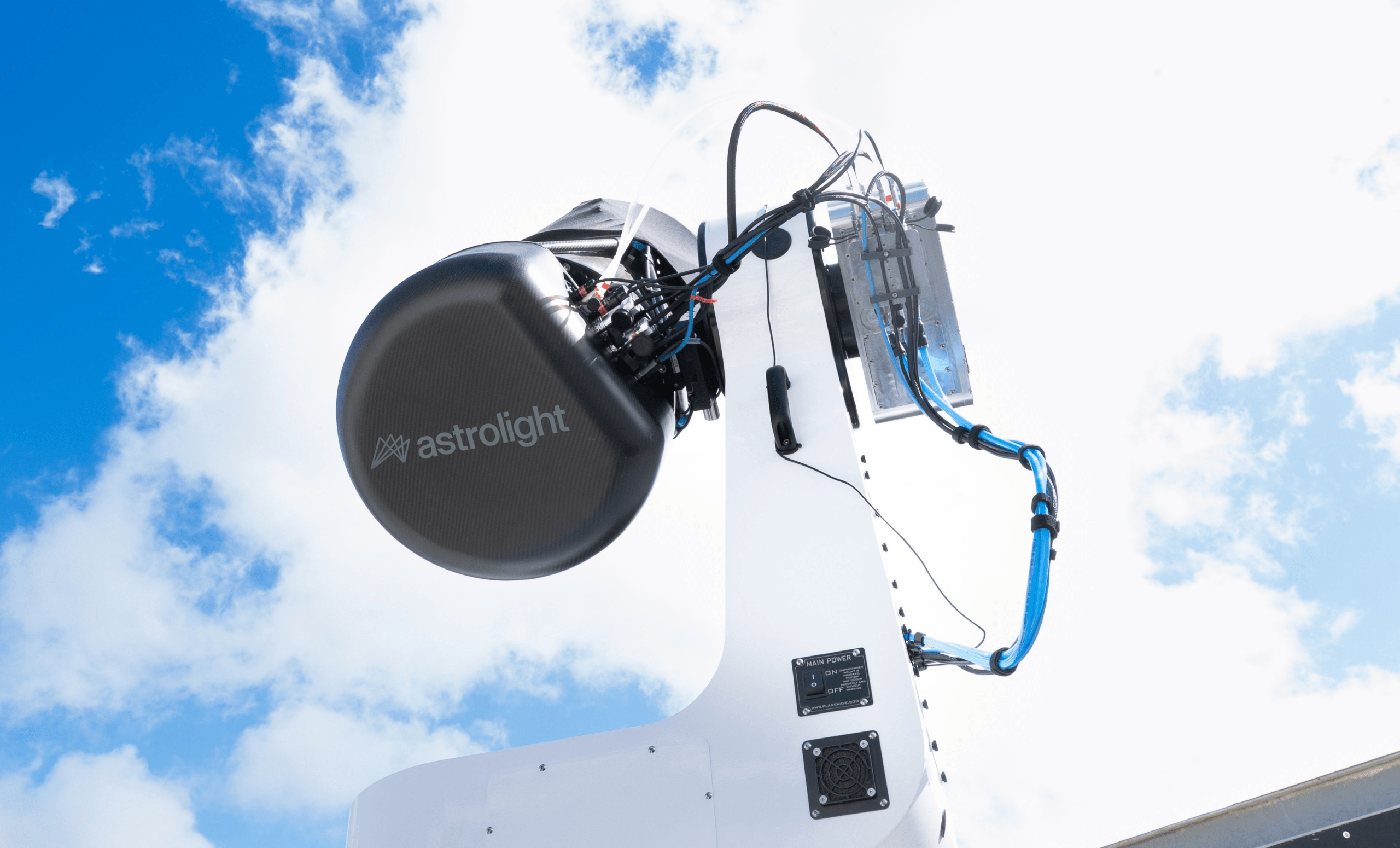
Astrolight has begun routine laser downlinks from the ERMIS-3 satellite. Its ATLAS-1 terminal is communicating autonomously with an upgraded Greek ground station at 1 Gbps, with two scheduled connections daily.
-

Systematic will integrate Denmark’s counter-drone command systems across military sites. The contract combines SitaWare operational software with existing surveillance and response capabilities, enabling shared information and AI-supported assessment.
-
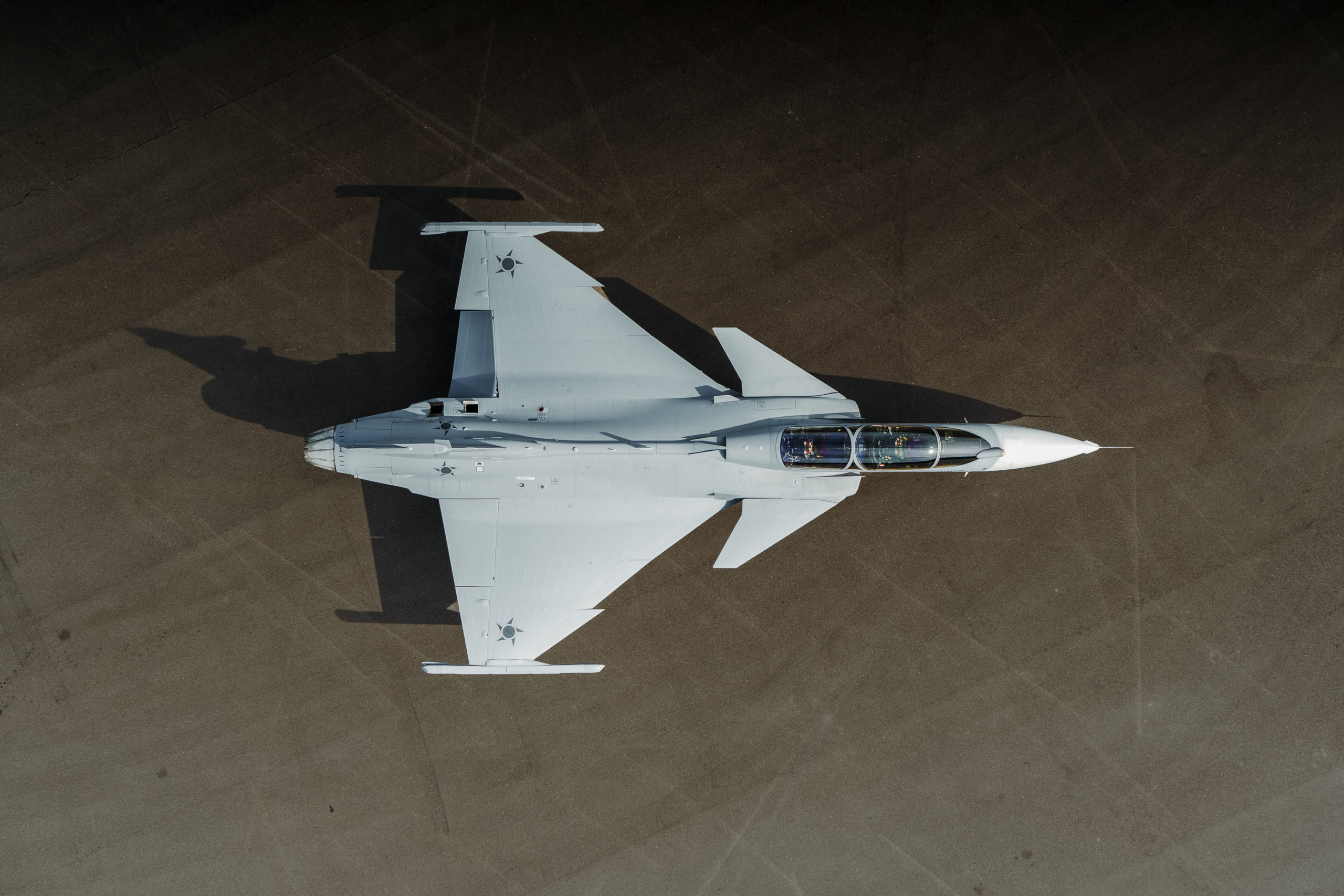
Saab and GKN Aerospace expand Sweden’s Gripen E/F engine partnership. GKN becomes Saab’s preferred engine services provider, extending an established propulsion relationship into broader technical support and international customer programmes.
-
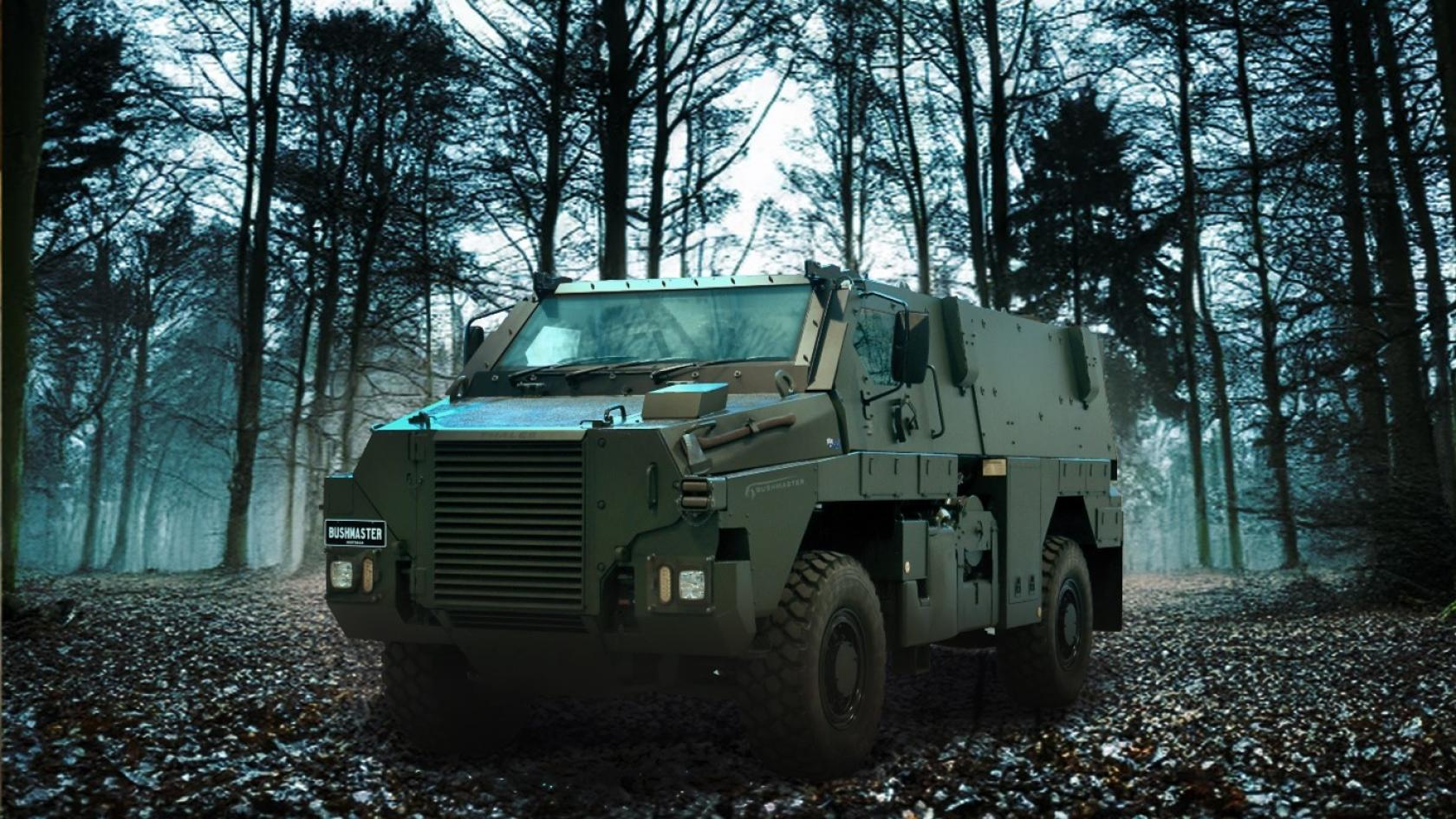
Thales and Deakin will jointly validate Australia’s autonomous BladeHAUL vehicle. Their programme covers testing of the Bushmaster-derived hybrid-electric platform developed with 3ME Technology, focusing on operational reliability and autonomous performance.
-
Lockheed Martin will supply Black Hawk simulators for Philippine pilots. The package also includes maintenance training software, courseware and support through 2032, establishing additional training capability within the country.
-
South Korea has tested its first domestically developed hypersonic vehicle. The flight verified booster separation, guidance and manoeuvring under hypersonic conditions, with further development required before operational deployment.
-

Mitsubishi Heavy Industries launched Japan’s seventh Taigei-class submarine at Kobe. Named Shogei, the vessel will undergo machinery, electrical and weapons outfitting before delivery during Japan’s 2027 financial year.
-
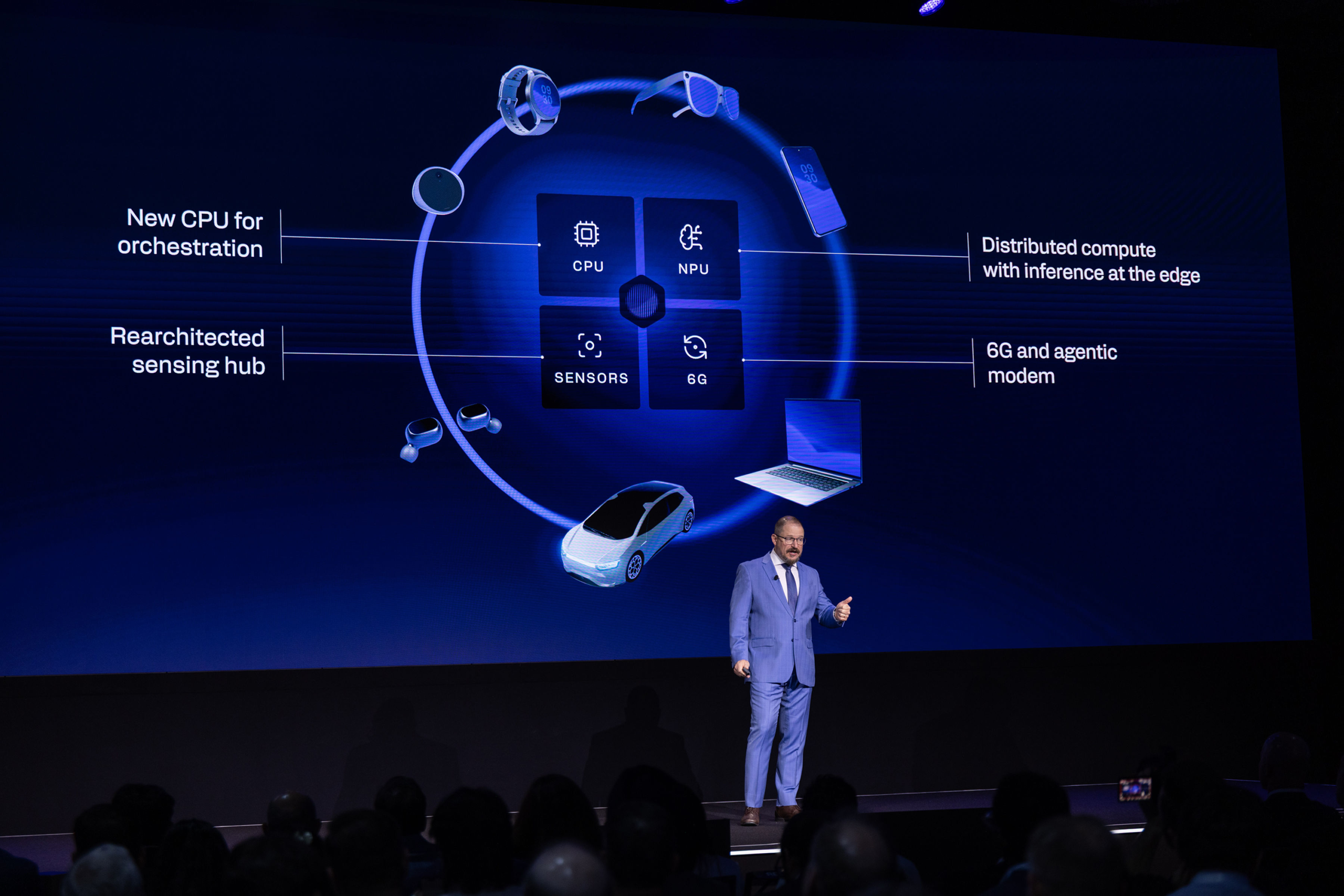
Qualcomm and OKSI are moving defence autonomy onto edge processors. OMNISCIENCE has been optimised for QCS8550 hardware to run navigation, recognition and mission functions aboard uncrewed platforms.
-
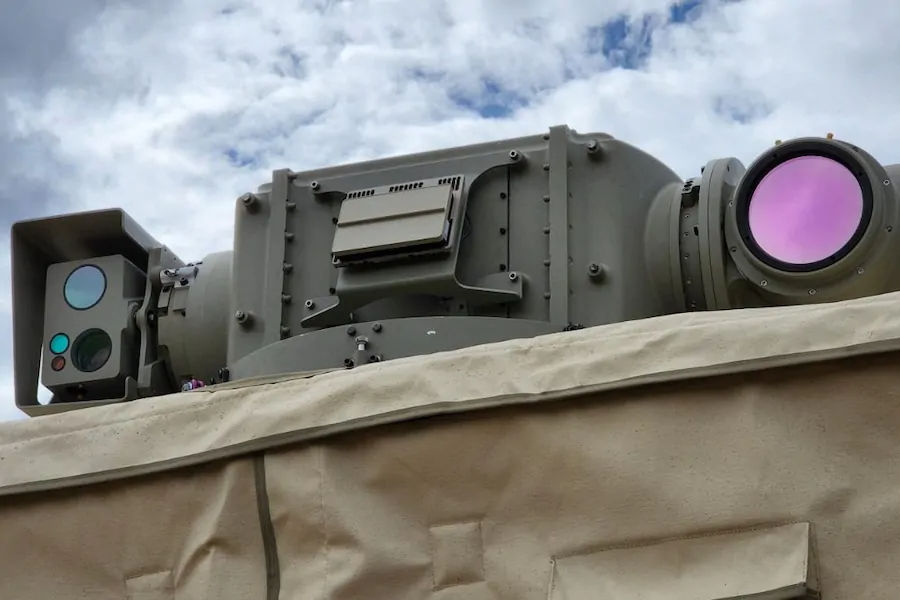
EOS will manufacture its new Slinger counter-UAS system in Alabama. Production is due to begin in 2027, with enhanced sensing and selectable autonomy added to the design.