IN Brief:
- Steyr Motors reports an order backlog above €310 million through 2030, with about €200 million described as legally binding.
- The pipeline includes almost 500 naval craft, a 1,000-vehicle Spanish opportunity, and around 500 KNDS motor-generator units.
- The company is expanding from specialist propulsion into USV, UGV, and mobile tactical-power applications.
Steyr Motors has reported an order backlog exceeding €310 million through 2030 while detailing a defence and marine programme pipeline covering naval craft, military vehicles, motor-generator units, autonomous systems, and deployable power equipment.
The Austrian specialist engine manufacturer disclosed the pipeline alongside first-half 2026 results showing that delays in international defence procurement, approvals, and customer acceptance had moved around €10 million of expected revenue into later reporting periods. The company says the affected projects remain active rather than having been cancelled.
Steyr generated €22.8 million of consolidated first-half revenue, broadly in line with the corresponding period a year earlier, while defence-segment revenue reached €9.4 million. The company has revised its 2026 guidance to revenue growth of 15% to 25% and an EBIT margin between 8% and 12% as it allows for further timing changes.
The near-term adjustment sits alongside a programme pipeline extending much further into the decade. Steyr reports more than €310 million in order backlog through 2030, although its investor material makes an important distinction within that figure: approximately €200 million is described as legally binding.
The broader backlog definition combines fixed orders, framework backlog, and committed sales, meaning the entire €310 million should not be treated as the equivalent of firm contracted revenue. Framework quantities and future call-offs remain dependent on customer decisions, programme progress, and contractual mechanisms.
One of the larger opportunities involves almost 500 naval craft for US customers. The company also identifies a Spanish requirement for 1,000 vehicles expected to use Steyr engines, with production planned to begin in 2027, and a KNDS framework covering around 500 motor-generator units through 2034.
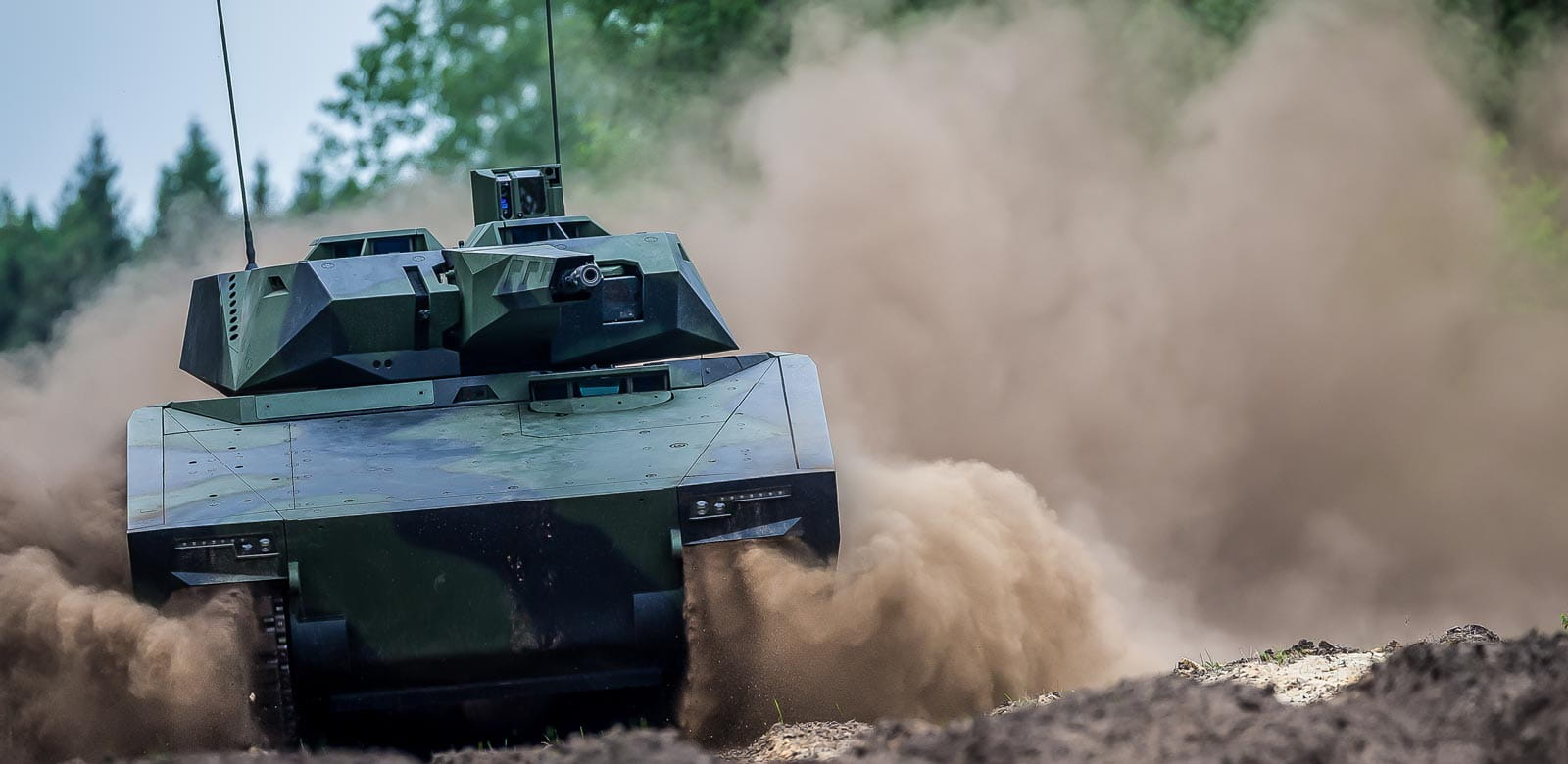
Those programmes span different parts of the company’s core engineering base. Compact high-performance diesel engines remain important for military vehicles and fast boats, where power density, durability, packaging, maintainability, and environmental performance all influence whether an engine can be integrated successfully.
The KNDS work adds a power-generation dimension rather than conventional propulsion alone. Motor-generator units can provide electrical power for platform systems and auxiliary loads, giving Steyr exposure to the growing demand for onboard energy as sensors, communications, computing, active-protection equipment, and other electrically intensive systems proliferate.
The company is extending that strategy further through its M12 Power Unit, a mobile generator intended for deployable defence applications. Steyr is positioning the product around tactical power requirements including support for uncrewed systems, with investor material identifying mobile-energy applications as a significant future opportunity.
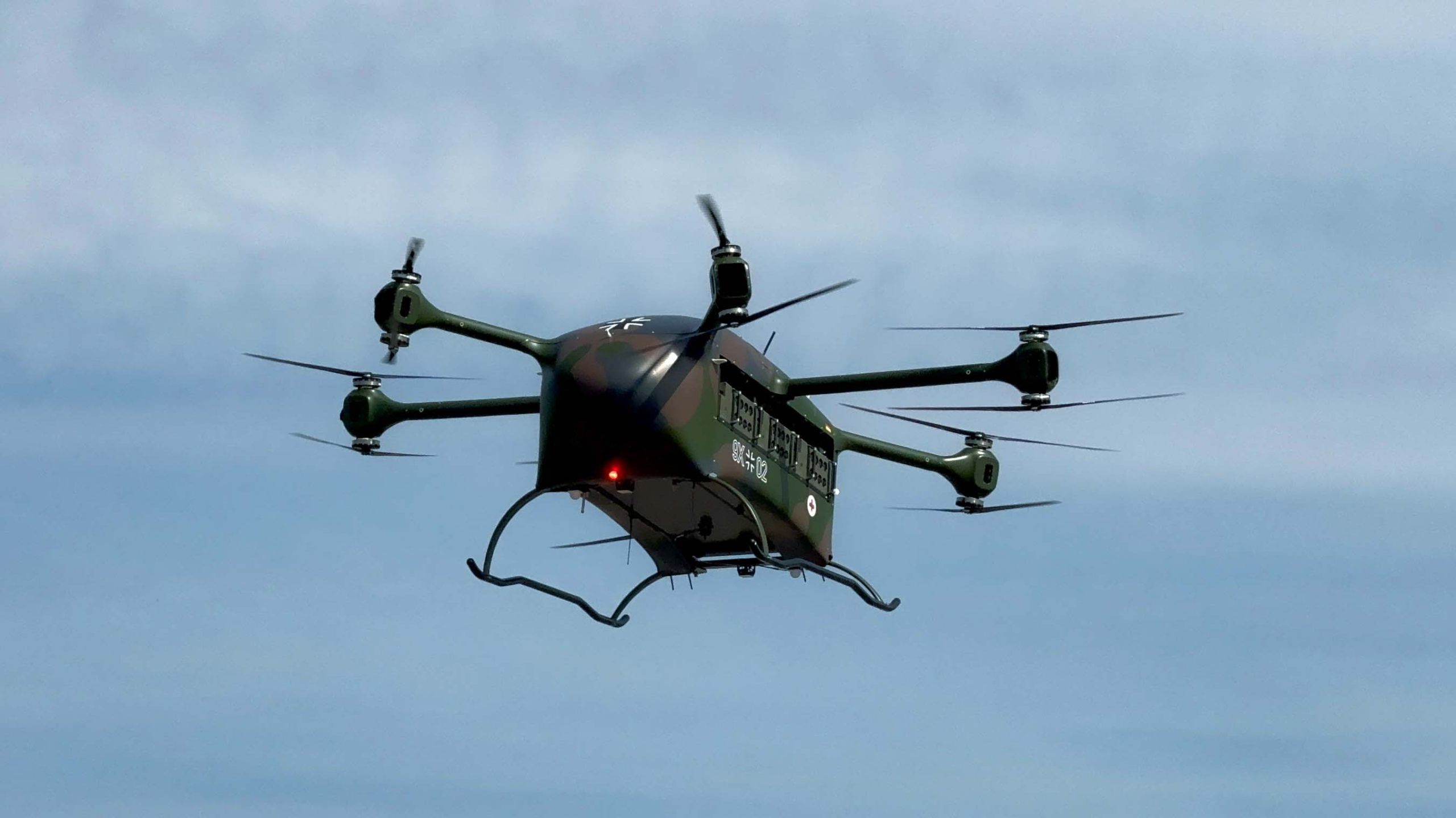
Autonomous platforms form another growth area. Steyr has entered the unmanned ground vehicle market and is pursuing opportunities involving uncrewed surface vessels, while its acquisition of Danish marine-engine manufacturer BUKH broadens the propulsion range available for smaller maritime platforms.
Those developments reflect a deliberate move from selling specialist engines towards providing propulsion and electrical-power solutions across a wider set of defence systems. The engineering base remains closely related, but customer requirements differ considerably between a crewed armoured vehicle, small naval craft, UGV, USV, and deployable generator.
The first-half delays illustrate the risk in translating a large programme pipeline into smooth factory output. Government procurement, approvals, platform schedules, acceptance milestones, and customer budgets do not necessarily move at the same speed as a supplier’s production plan, allowing revenue to shift significantly between periods even when the underlying programme remains unchanged.
Steyr says production-capacity expansion undertaken previously means additional orders can be accommodated without major new investment. That provides potential operating leverage if the pipeline converts, but it also makes utilisation dependent on the timing of customer call-offs and acceptance activity.
The backlog therefore provides visibility rather than certainty. About €200 million carries the stronger legally binding classification, while the remaining portion includes frameworks and other committed business that may convert over a longer period.
The industrial development is nevertheless broader than the headline financial figures. Steyr is moving into UGV, USV, and tactical-power applications while retaining specialist propulsion programmes in conventional land and maritime markets, increasing the number of defence platforms drawing on its production capability.
If those programmes move into the quantities identified, the company’s future workload will be shaped less by one engine family than by how successfully it can apply the same high-power-density engineering and manufacturing base across propulsion, auxiliary generation, autonomous systems, and deployable energy equipment.