
News
-
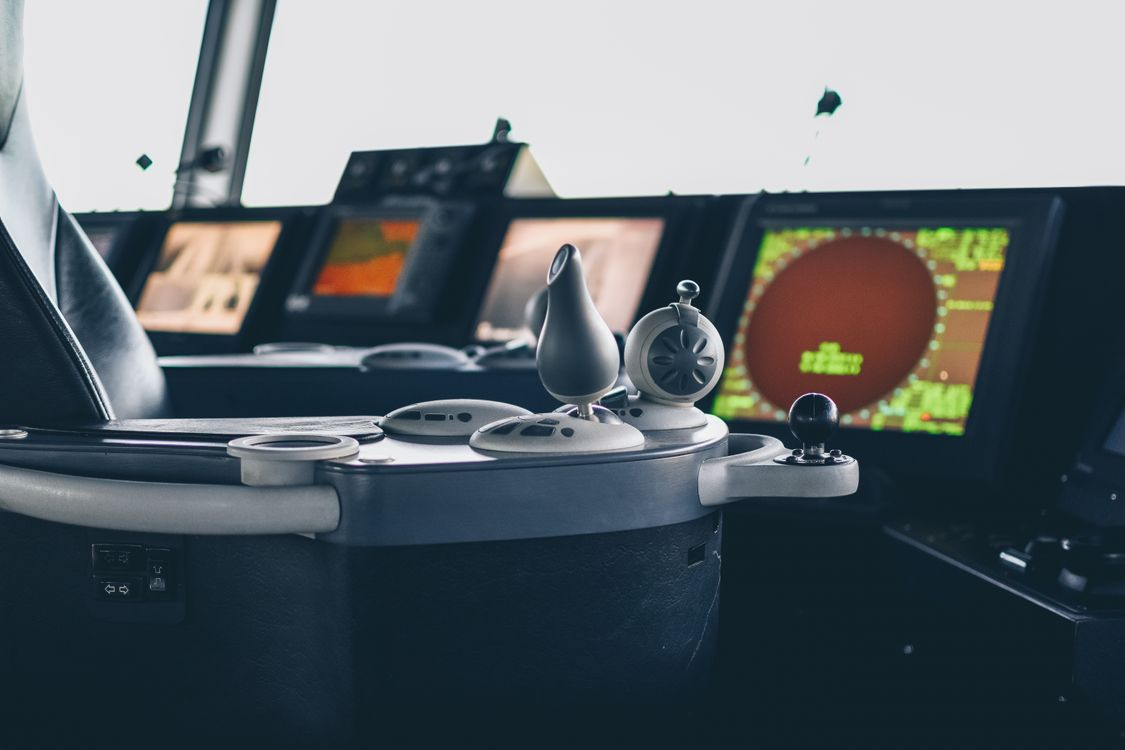
Raytheon will develop new target-detection software for naval radar systems. Laboratory and field testing will assess improvements before any potential SPY-6 deployment.
-
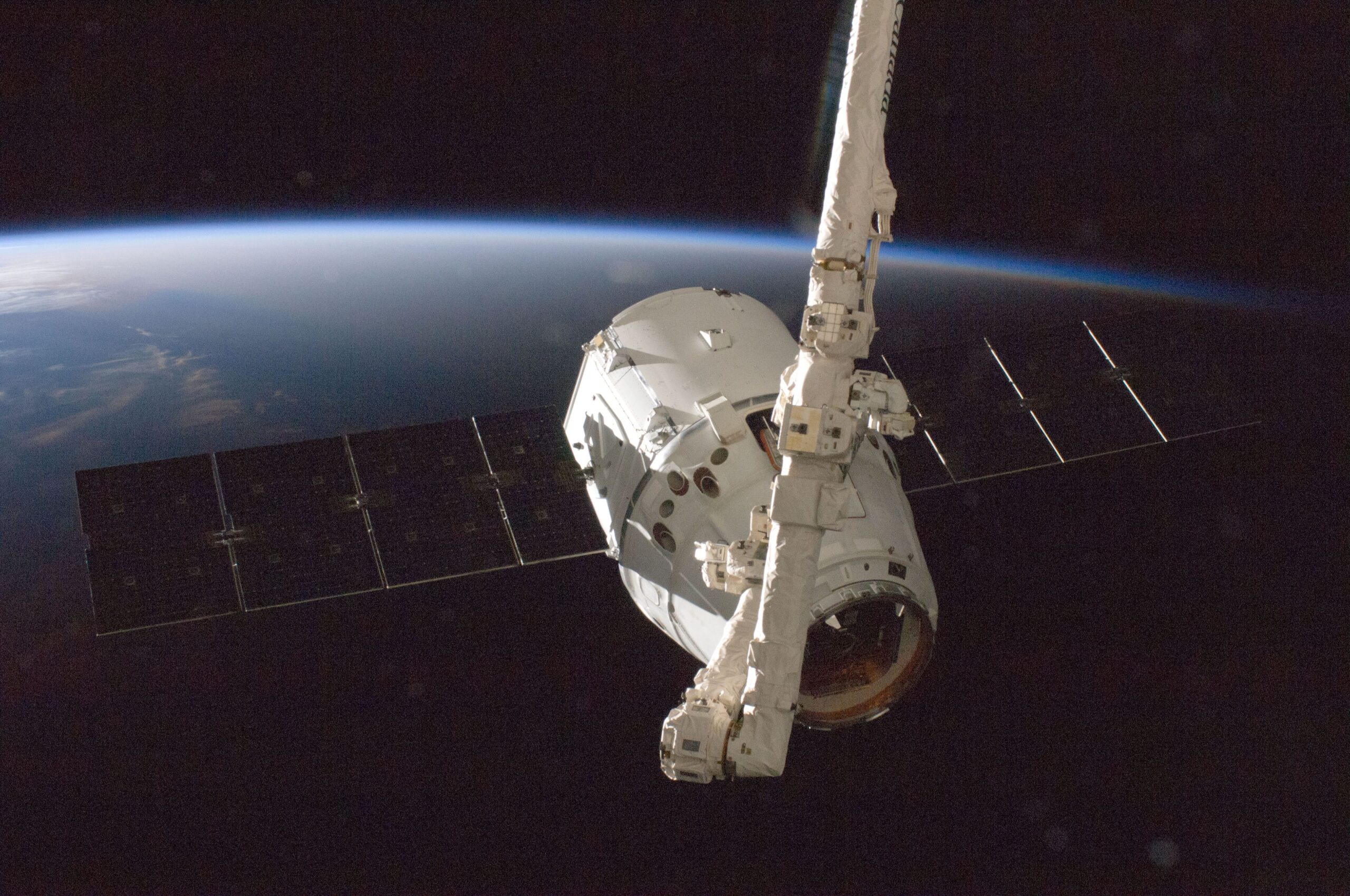
The latest Tranche 1 satellite launch added another orbital plane. The 21 Northrop Grumman spacecraft bring the US military’s on-orbit Tranche 1 total to 84.
-
METLEN has signed a collaboration agreement with two Thales businesses. The partners will assess potential Greek defence satellite communications work and related industrial participation.
-
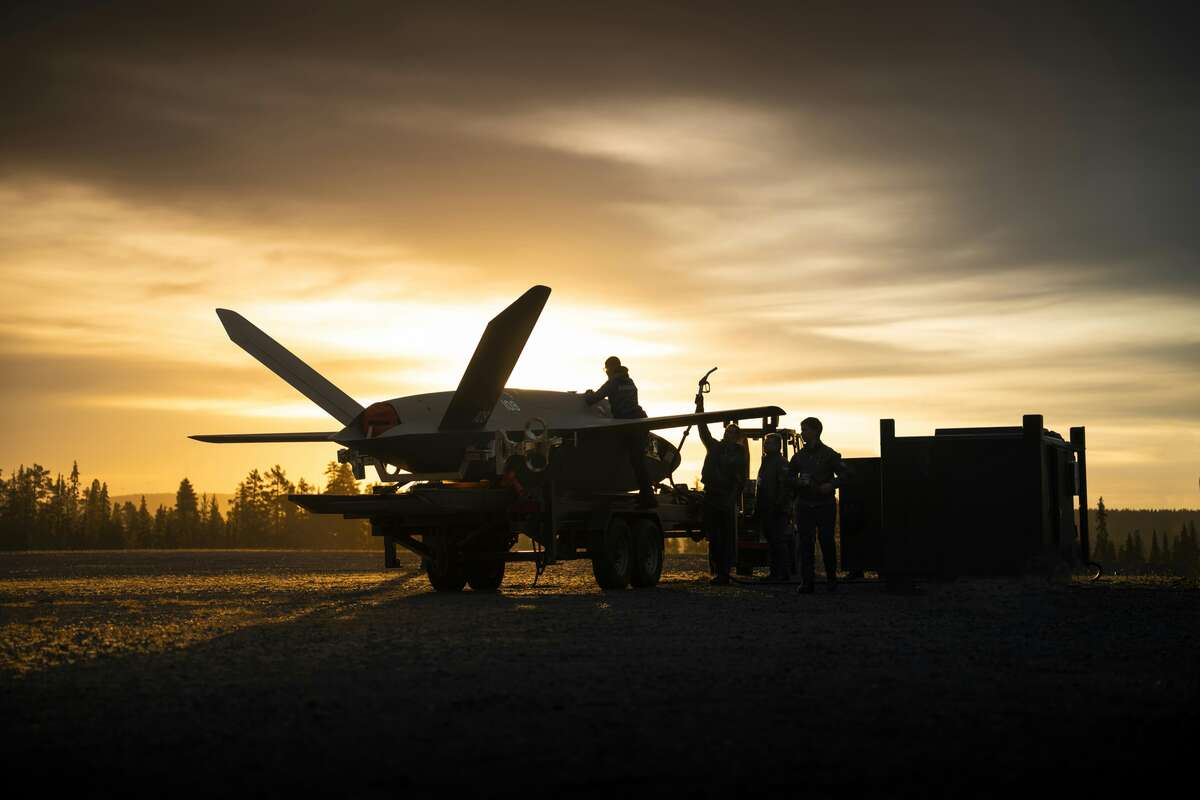
Airbus has completed the Valkyrie’s first flight on European soil. The test advances an uncrewed combat aircraft programme ahead of planned autonomous mission-system trials.
-
EU ministers have approved the €115 million AGILE defence programme. The scheme targets faster grants, access to testing and support for smaller technology developers.
-

UK Connect Defence reports gaining Made in Britain trademark recognition. Its UK engineering work covers deployable connectivity, unattended sensing and tactical systems integration.
-
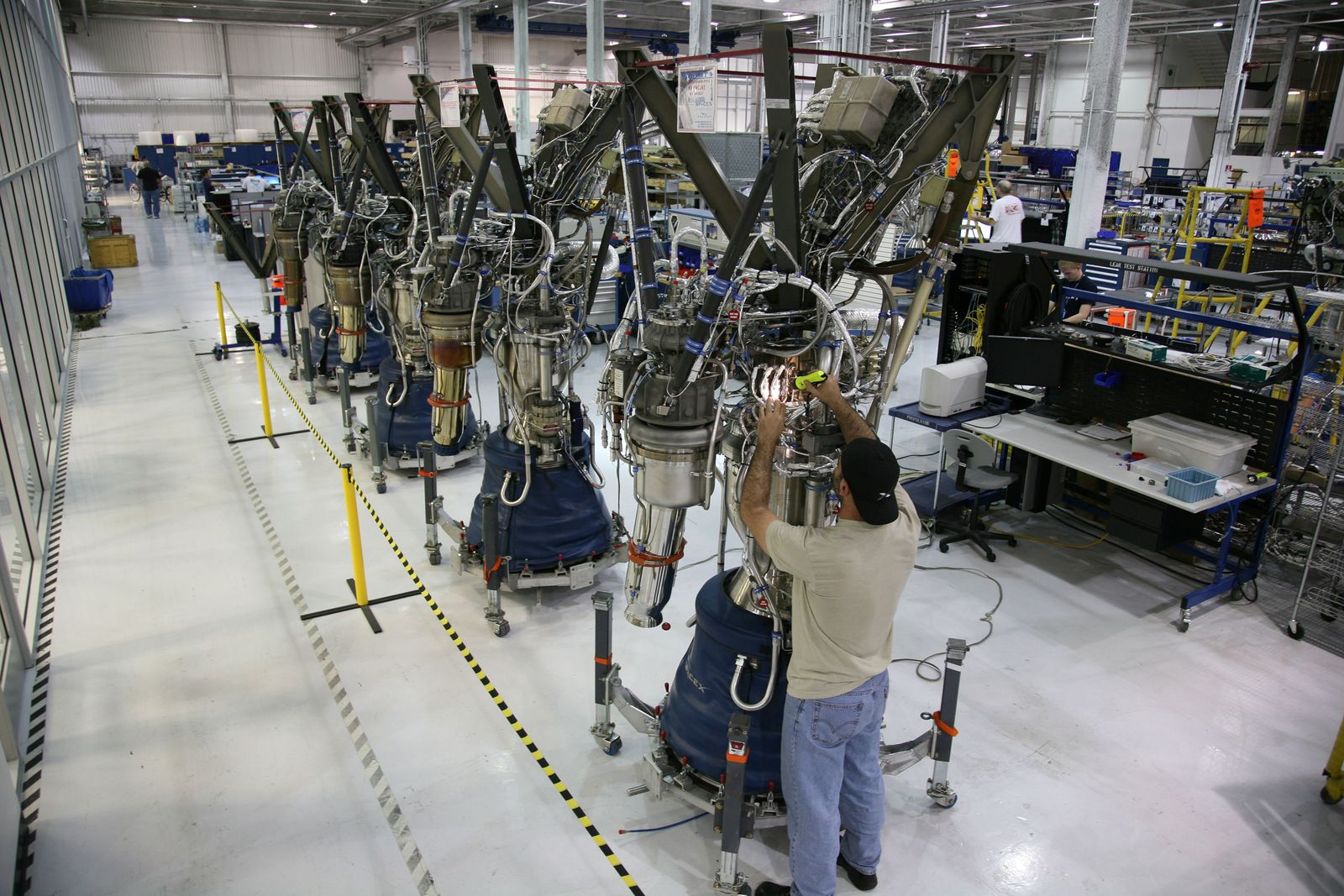
Project Safari will streamline smaller businesses’ access to defence testing. The MOD has also commissioned initial design work for future capabilities at the Hebrides range.
-

Daronmont has completed two installations within Australia’s JORN radar upgrade. The milestone follows extensive design, testing and equipment integration under the Phase 6 programme.
-
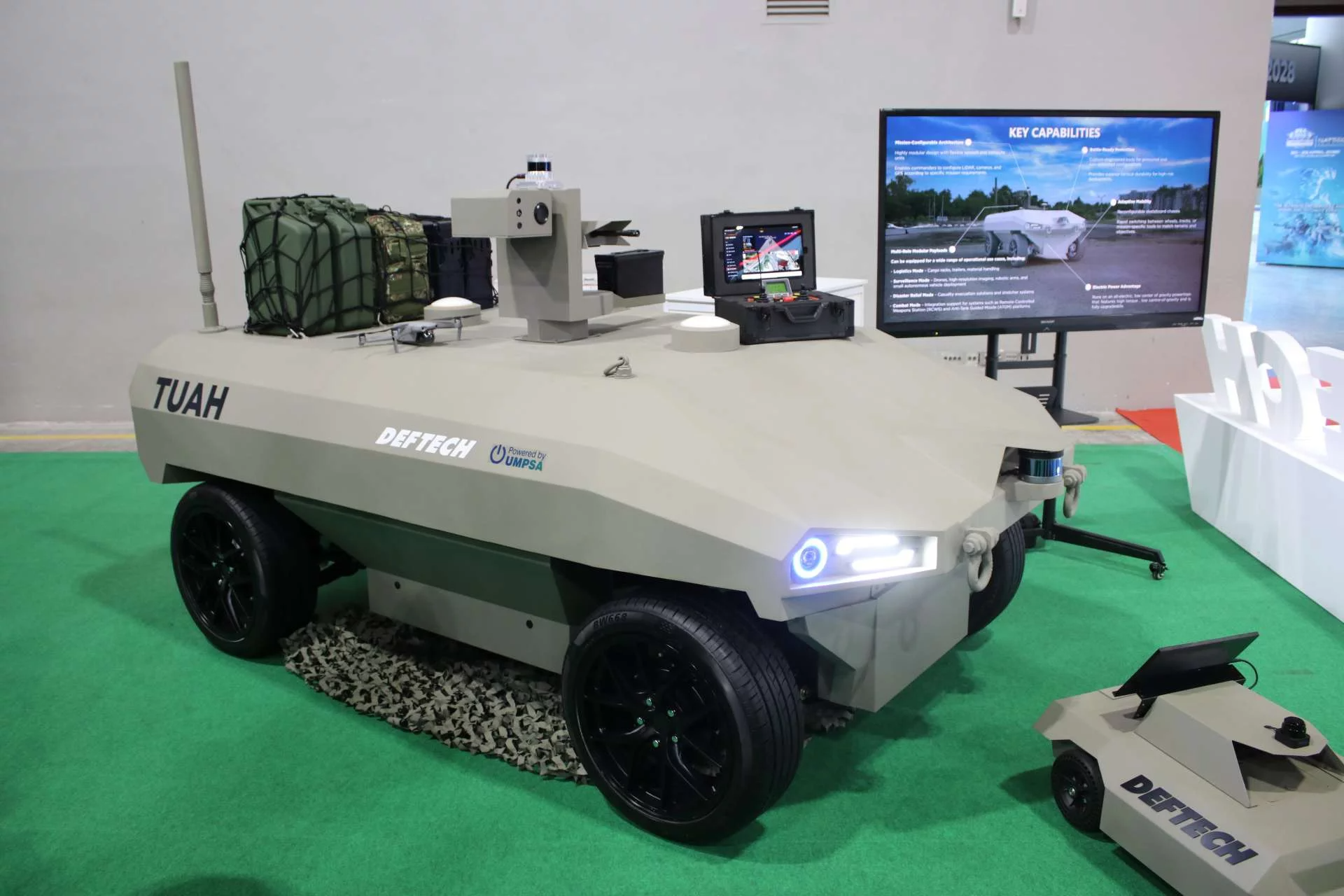
BLADE’s Hunter WOLF vehicle advances to GroundBreaker Phase II demonstration. The selection moves the robotic ground platform towards an October demonstration of maturity, readiness and interoperability.
-
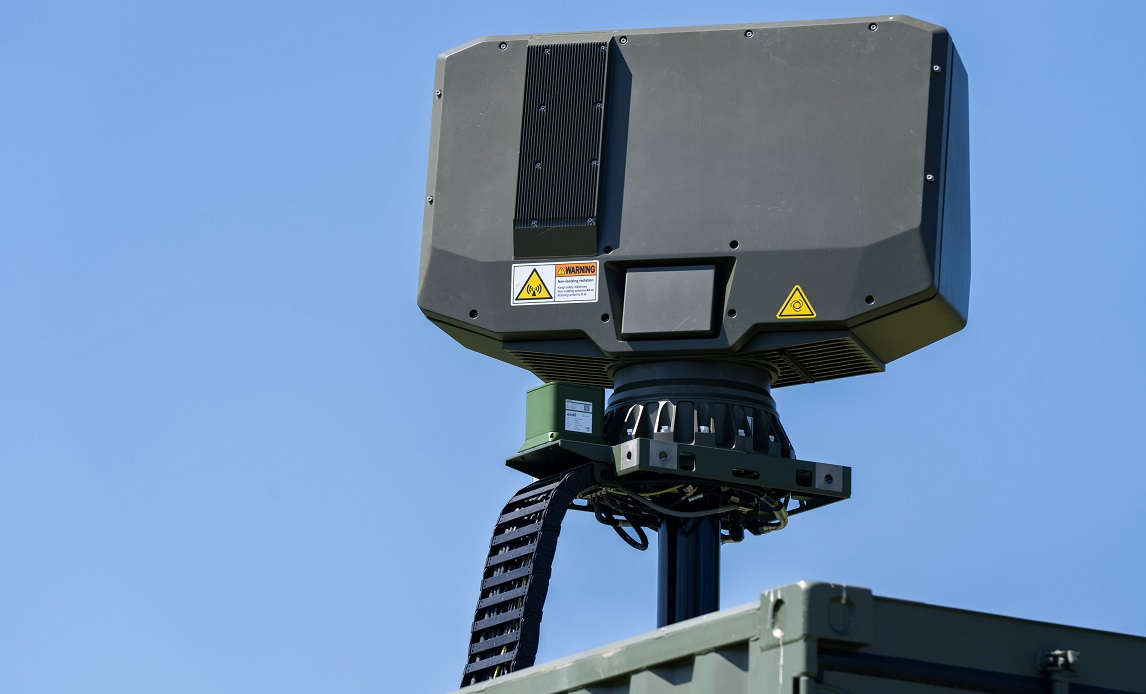
SRC has developed new radar for Northrop Grumman’s Raid Hunter. The Gryphon R1810 provides longer-range detection and precision tracking to support gun-based counter-drone engagements.