
News
-
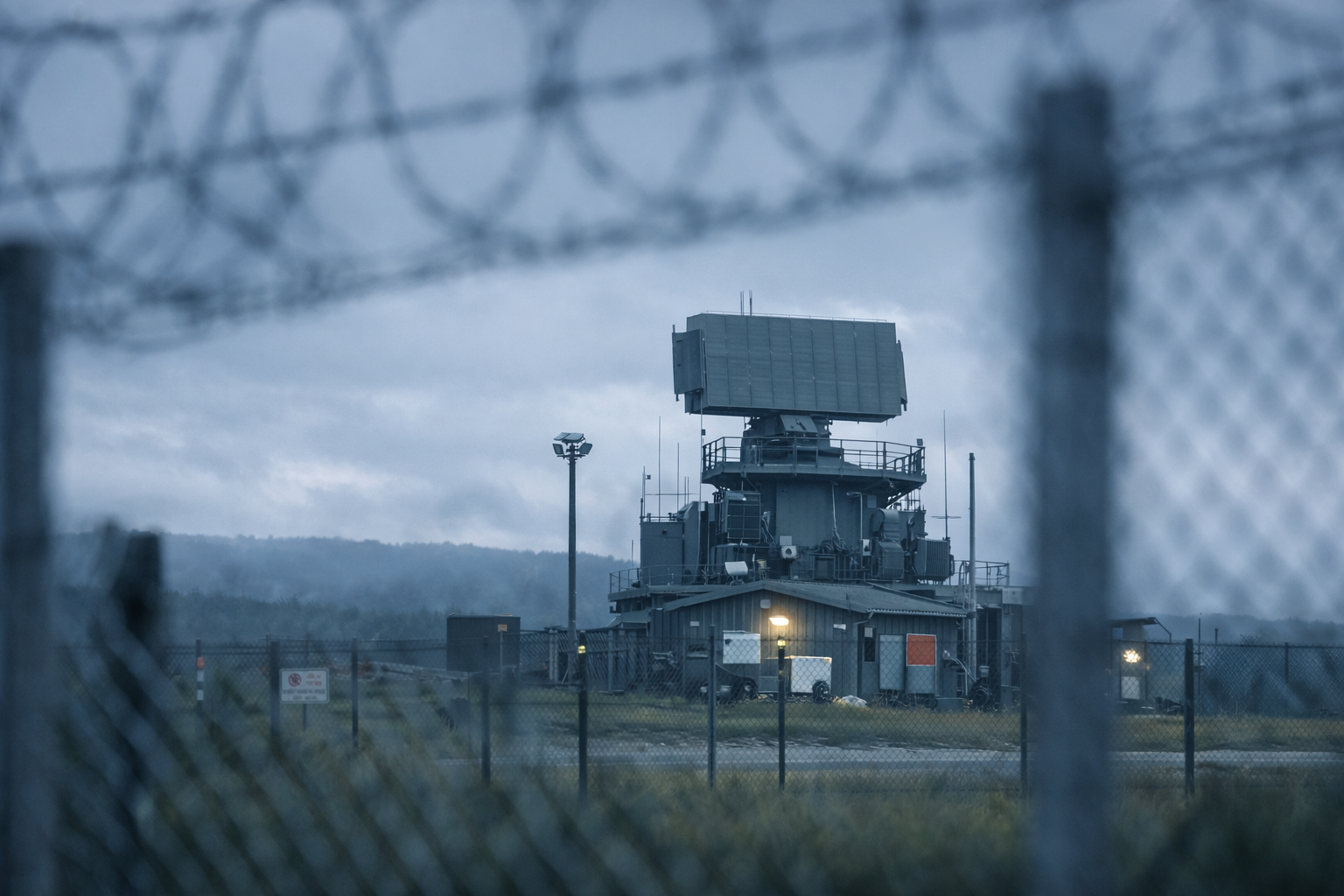
MARSS will supply Kuwait with integrated British air defence systems. The £370 million contract covers radar, jammers, interceptors and command technology, while supporting new engineering and manufacturing jobs in the UK.
-

Thread AI will develop specialist research software for Army engineers. Its agreement with DEVCOM Armaments Center will use the Lemma platform to connect technical information, preserve source traceability and support controlled AI-assisted research into fire-control systems.
-

The US Army awarded nine companies new command software contracts. The $93.6 million package will support applications across six military functions as Next Generation Command and Control moves towards operational deployment with I Corps.
-

SciTec has expanded its Air Force counter-drone data integration contract. The $1.5 million extension adds new sensor feeds to its existing command-and-control data fusion system, taking the contract’s total value to $31 million.
-
Aeronix has launched a new flight-tested unmanned payload interface module. The device implements the Picatinny CLIK standard, connecting existing aircraft power and communications systems with compatible mission payloads.
-

VideoRay is supporting a selected US Navy mine-countermeasure prototype team. The AEVEX-led system demonstrated remotely managed operations using an uncrewed surface vessel and underwater robot, including autonomous launch, recovery and simulated mine neutralisation.
-
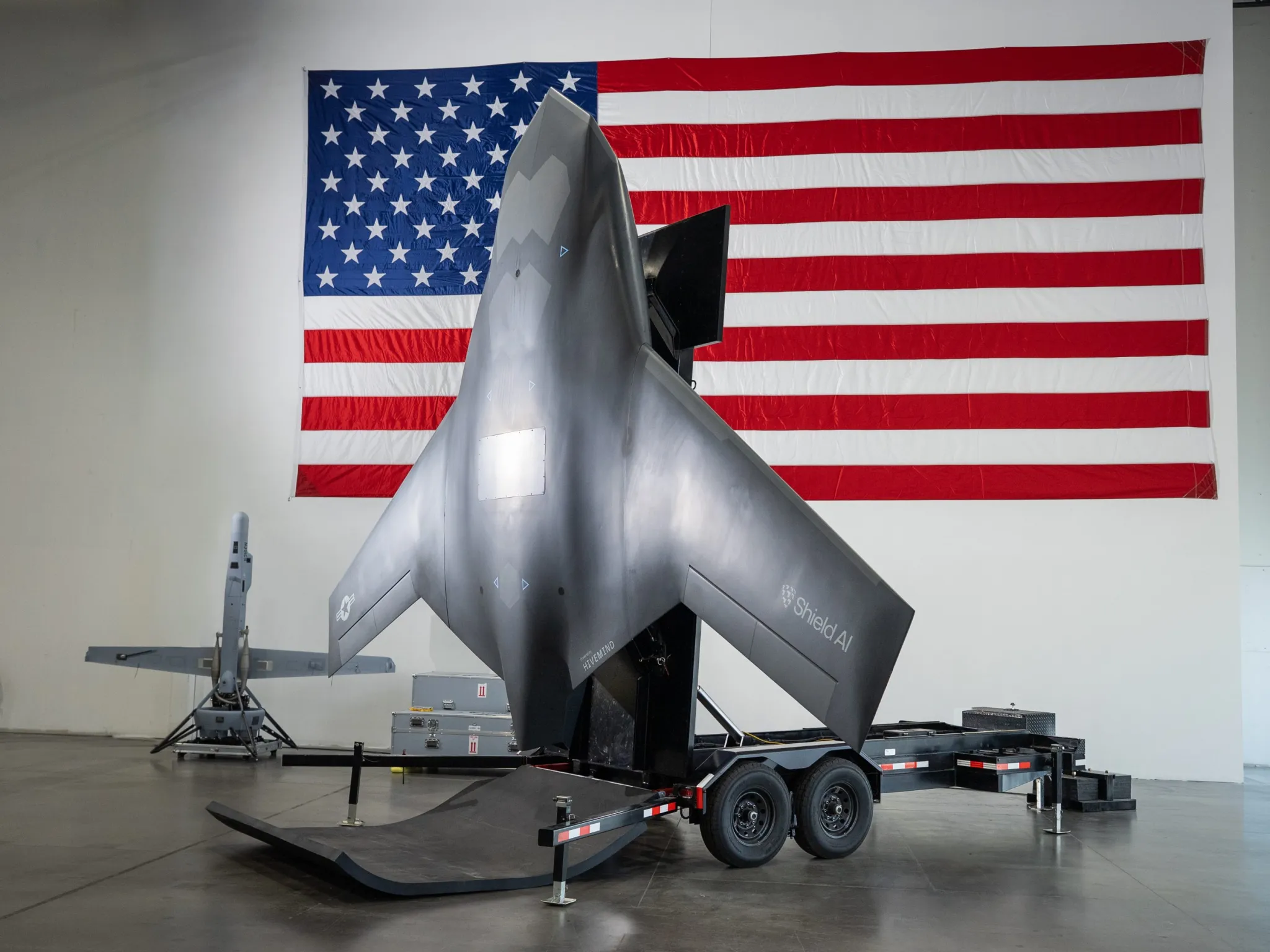
Shield AI receives additional Navy funding for X-BAT exportability development. The $150 million agreement modification is matched by company investment, bringing announced government and private commitments to $400 million ahead of planned flight testing.
-

Amca will qualify and produce components for Army missile systems. The new contract targets radar and power assemblies, combining engineering development, qualification testing and manufacturing capacity to address shortages affecting an existing priority weapon programme.
-
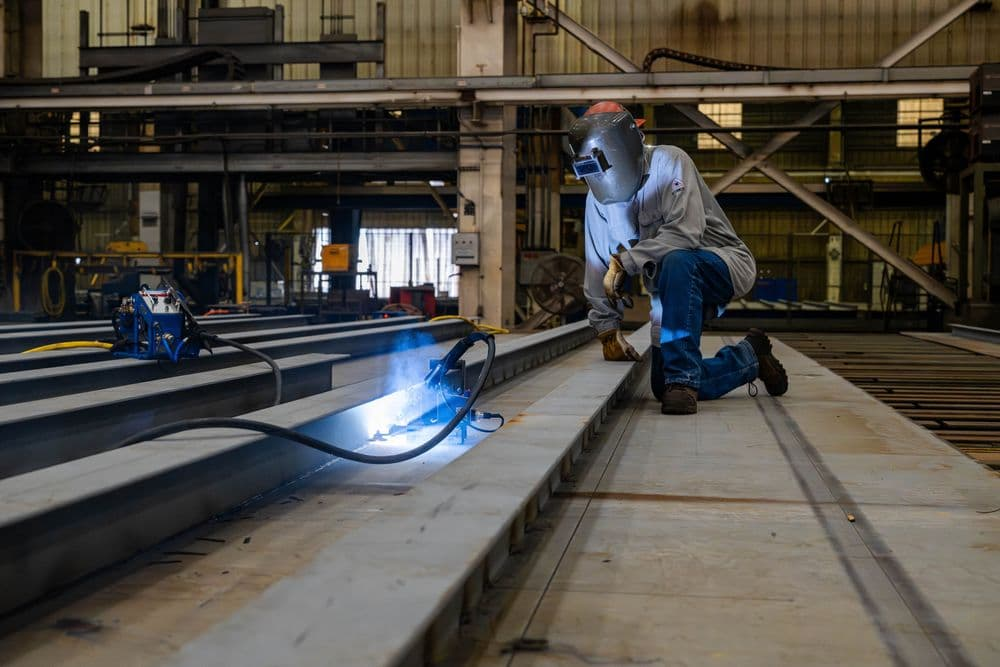
Hanwha will construct the first new missile-tracking vessel in Philadelphia. TOTE Services has signed its construction management contract with MARAD and placed a shipyard subcontract, advancing a programme with one firm vessel and options for two more.
-
Moroccan Military Industry will deliver locally made turrets next March. The Elbit Systems subsidiary is preparing armoured vehicle equipment for Moroccan military customers, while developing counter-drone systems and additional domestic ammunition manufacturing capacity.