IN Brief:
- US Marines used MRIC to intercept an aerial target during Valiant Shield 2026 in Guam.
- The system is intended to protect mobile forces against cruise missiles, aircraft, and uncrewed threats.
- Fielding will depend on interceptor supply, transportability, software integration, and support across dispersed Pacific locations.
The US Marine Corps has completed a live aerial intercept with its Medium-Range Intercept Capability in Guam, moving the service closer to restoring a mobile air-defence layer absent from its inventory for decades.
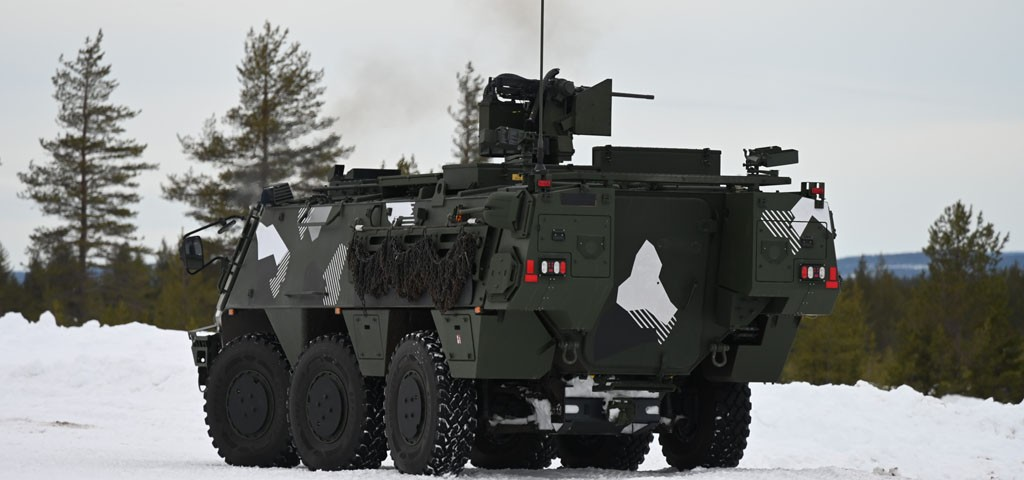
Conducted at the Mason Live Fire Training Range Complex on June 30 during Valiant Shield 2026, the firing brought together the launcher, interceptor, sensors, command architecture, and trained crews under an exercise environment designed around distributed Pacific operations.
MRIC is intended to sit between man-portable short-range weapons and larger air-and-missile defence systems operated by the US Army. Its target set includes cruise missiles, uncrewed aircraft, and crewed aviation threatening expeditionary airfields, forward arming and refuelling points, logistics sites, and temporary command nodes.
As the Marine Corps reorganises around smaller formations dispersed across islands and coastal positions, permanent protection from fixed air-defence batteries cannot be assumed. Moving a large system with every displacement would undermine the mobility on which the operating concept depends, leaving a requirement for a lighter capability able to deploy, connect, fire, and relocate quickly.
The Guam event demonstrated more than the performance of an interceptor. Effective air defence joins surveillance, identification, tracking, command-and-control, communications, launcher operation, and missile guidance into a sequence that may last only seconds, with any failure at the interfaces capable of preventing an engagement.
Mobility changes the engineering problem
Equipment intended for expeditionary employment must tolerate transportation, rapid emplacement, repeated movement, salt, humidity, heat, vibration, dust, and uneven power quality. Components that perform reliably at a permanent test site can behave differently after weeks aboard ships, aircraft, trucks, and temporary storage facilities.
Launcher designers must balance protection, magazine capacity, weight, transportability, and reload speed. More ready missiles improve local endurance, but heavier equipment becomes harder to move by air or landing craft, while aggressive weight reduction can increase dependence on separate support vehicles and create a larger logistics footprint than the launcher’s appearance suggests.
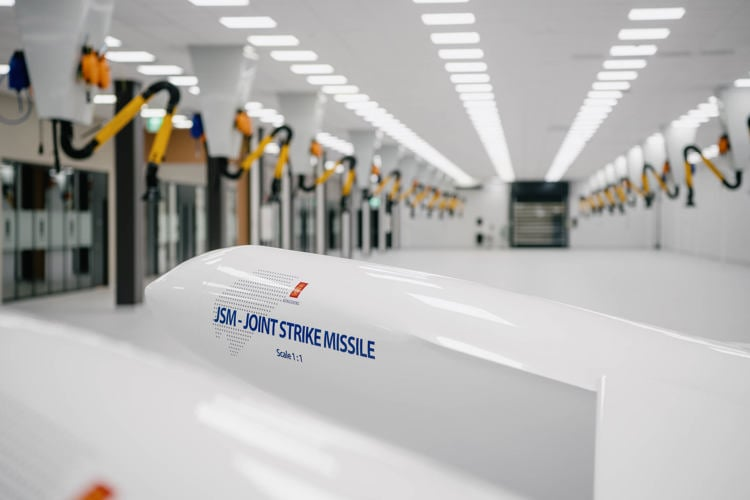
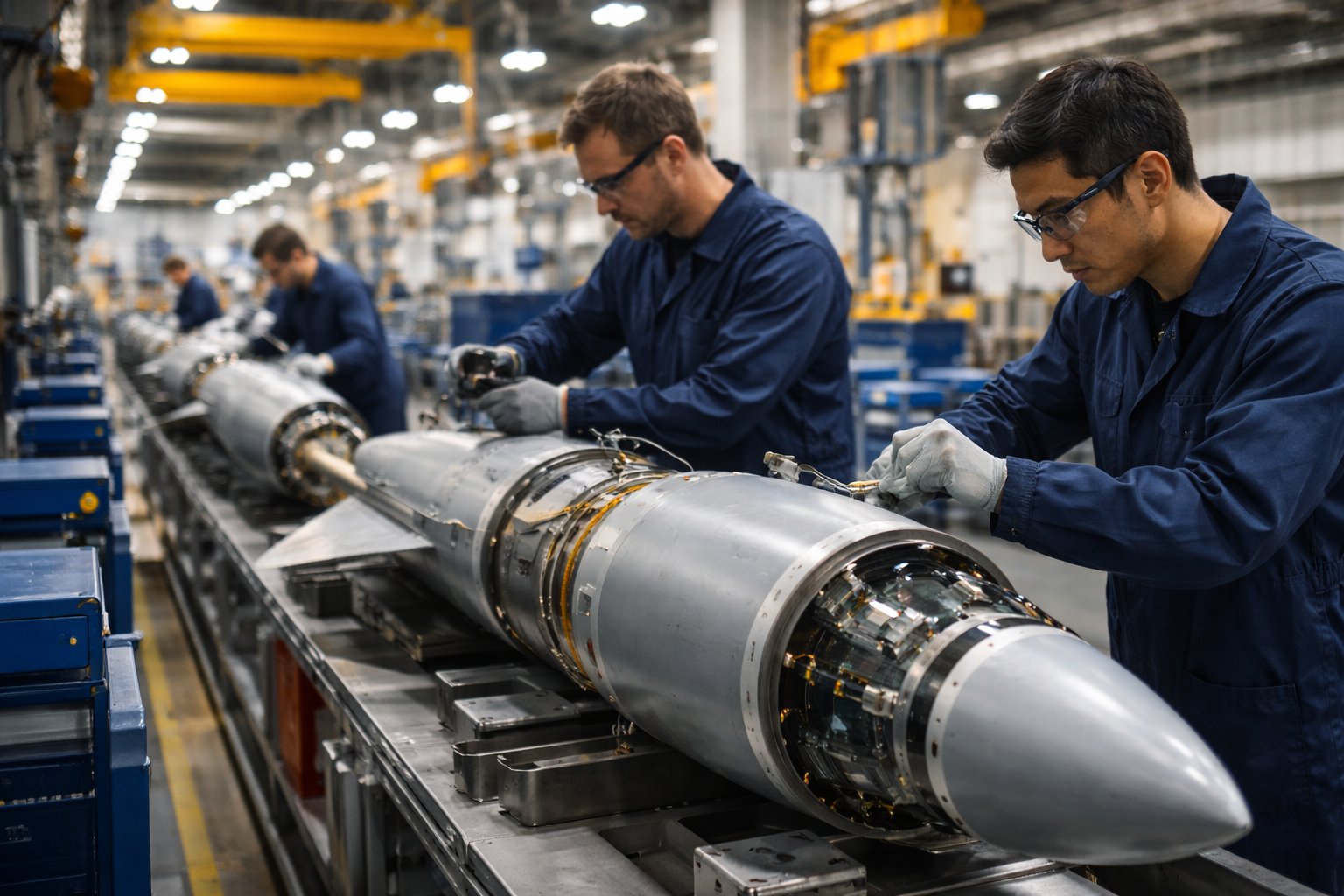
The interceptor supply chain will be equally important. Modern air-defence missiles combine propulsion, seekers, guidance electronics, control actuators, warheads, fuzes, and canisters, each requiring specialised production, inspection, and acceptance testing. Demand for many of those components is already being pulled by other US and allied air-defence programmes.
A successful live firing confirms that a defined configuration can engage a target, but it does not establish that missiles can be produced in sufficient numbers or at an affordable rate. Units protecting airfields and logistics nodes may face raids involving several weapons, decoys, and uncrewed systems, making magazine depth and reload availability as important as the performance of an individual interceptor.
The Army’s parallel search for lower-cost interceptors reflects the same industrial pressure. Air-defence weapons must remain sophisticated enough to defeat demanding targets while becoming affordable and plentiful enough to counter attacks built around volume.
Guam adds a further constraint because every reload, spare assembly, diagnostic unit, and trained technician must reach an island where storage space, protected infrastructure, and transport capacity are finite. A battery may be highly mobile at tactical level while remaining dependent on a substantial regional support network.
From test set to repeatable battery
Development systems often carry engineering modifications between live events as software is revised, interfaces are adjusted, hardware is reinforced, and operating procedures change. Although that process is essential, production eventually requires a stable configuration that factories, training schools, and maintenance organisations can reproduce.
Configuration control becomes particularly demanding when sensors, command systems, launchers, and interceptors are delivered through different programme offices or industrial teams. A software update to one element may alter performance elsewhere, requiring regression testing before fleet-wide release.
Training must scale alongside equipment. Operators involved in the Guam firing had spent roughly two years building familiarity with the capability, and expansion beyond the initial unit will require instructors, simulators, maintenance courses, technical publications, and training rounds.
Distributed sensors and weapons can increase MRIC’s reach by supplying tracks from beyond the battery’s immediate area, although every external connection introduces cybersecurity, latency, identification, and interoperability requirements. The system must accept useful data without allowing uncertain tracks or disrupted networks to degrade engagement decisions.
Factories will meanwhile need to absorb test findings without allowing continuous engineering change to destabilise cost and schedule. Hardware modifications may affect tooling and suppliers, while software revisions must remain aligned with operational documentation, training devices, and command-system baselines.
The Guam intercept provides an operationally relevant marker for the programme, but the fielded capability will be measured through available batteries, trained crews, reliable networks, and enough interceptors to absorb repeated attacks. Manufacturing capacity and Pacific sustainment will determine how quickly a successful test becomes routine protection.