IN Brief:
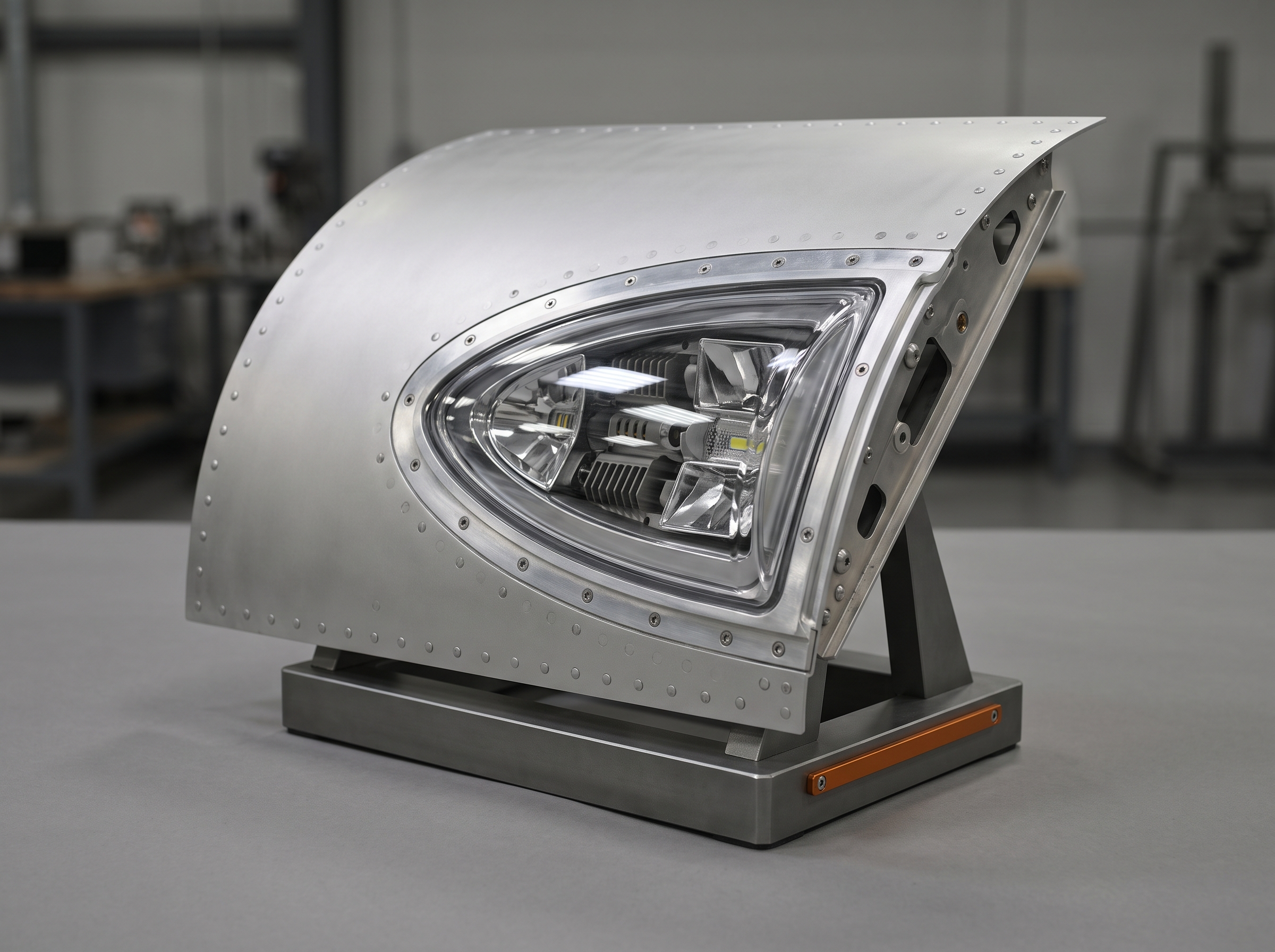
- The Australian Defence Force is trialling UNSW Canberra Space's Viper optical telescope for space domain awareness.
- The work examines direct sensor tasking and automation of observation and data-analysis processes.
- Results will inform future approaches to sovereign sensor control, automation, and space-surveillance network operation.
Australia’s Defence Force is trialling an optical telescope operated by UNSW Canberra Space to assess how directly controlled sensors and greater automation could support future military space surveillance.
The Viper telescope is being used to observe objects in Earth orbit while Defence examines the operational and support requirements involved in tasking a sensor directly, collecting priority observations, and processing the resulting data.
UNSW Canberra Space operates research-grade optical observatories as part of a wider group of space-mission facilities. Its telescope network is remotely operable and already supports space domain awareness and asteroid-tracking work, giving the Viper trial an established research base.
Space domain awareness covers the detection, tracking, identification, and characterisation of objects and activity in orbit. Defence is examining how optical observations can contribute to that picture alongside other sensors and data sources, with particular attention to the ability to request observations of priority objects rather than relying entirely on externally generated collection schedules.
Direct tasking changes the operational relationship with the sensor. Commercial tracking services can provide useful data, but an operator that controls collection can redirect a telescope as priorities change and align observation requests more closely with military requirements.
Automation forms the second part of the trial. Defence is examining automated sensor tasking and data analysis to determine whether observations can be redirected and processed more quickly, reducing the manual workload involved in managing a network of surveillance sensors.
The engineering problem is broader than adding automated scheduling software. A surveillance network has to allocate collection time, account for weather and visibility, maintain sensor calibration, process observations consistently, and distribute useful information quickly enough for it to support decisions.
Optical telescopes also have inherent limits. Their performance depends on line of sight and atmospheric conditions, and they cannot provide the same all-weather behaviour as radar. Their value comes from contributing another type of observation to a wider architecture rather than replacing other space-surveillance sensors.
Australia already operates or is developing several space-awareness capabilities, including C-band radar, the Space Surveillance Telescope, and the Deep-space Advanced Radar Capability. DARC is being developed with the United States and United Kingdom to provide persistent detection, tracking, and identification of objects in deep space.
Viper addresses a different layer of the same system problem: how Australia tasks individual sensors, automates collection, and builds enough sovereign control over observations to support its own priorities. The trial is consequently focused on operating concepts and support requirements as much as telescope performance.
Australia’s 2024 Integrated Investment Program allocated between A$9 billion and A$12 billion over a decade to space capabilities, including resilient communications, surveillance and reconnaissance, and improved space awareness and control. That investment provides the wider context for experiments intended to establish what should be owned, operated, automated, or purchased as a service.
The Viper work is not an announced procurement programme, and Defence has not stated that it will buy a new optical telescope network following the trial. The immediate purpose is to gather evidence before those decisions, particularly around sensor tasking, automation, staffing, data handling, and integration with the wider surveillance architecture.
A telescope only becomes an operational surveillance capability when tasking, calibration, communications, data processing, storage, analysis, operator procedures, and command links work together reliably. Greater automation can reduce some of the manual burden, but it also increases reliance on software, data quality, and rules governing which objects receive priority.
The partnership gives Defence a way to test those functions using an existing Australian research environment before committing to a larger operational architecture. UNSW’s wider facilities include satellite design, cleanroom, ground-station, and telescope capabilities, allowing the university to work across several parts of the space mission chain.
The trial also sits inside a wider model involving government, research organisations, industry, and allied surveillance systems. Defence can use that work to distinguish between functions requiring sovereign tasking and control and those that can be supported through shared or commercial data as the number of sensors and tracked objects increases.
Viper will now provide evidence on how direct tasking and automated analysis behave in practice. The useful output will be a clearer specification for the sensor-control, software, staffing, and support arrangements required by a future Australian space-surveillance network.