
News
-
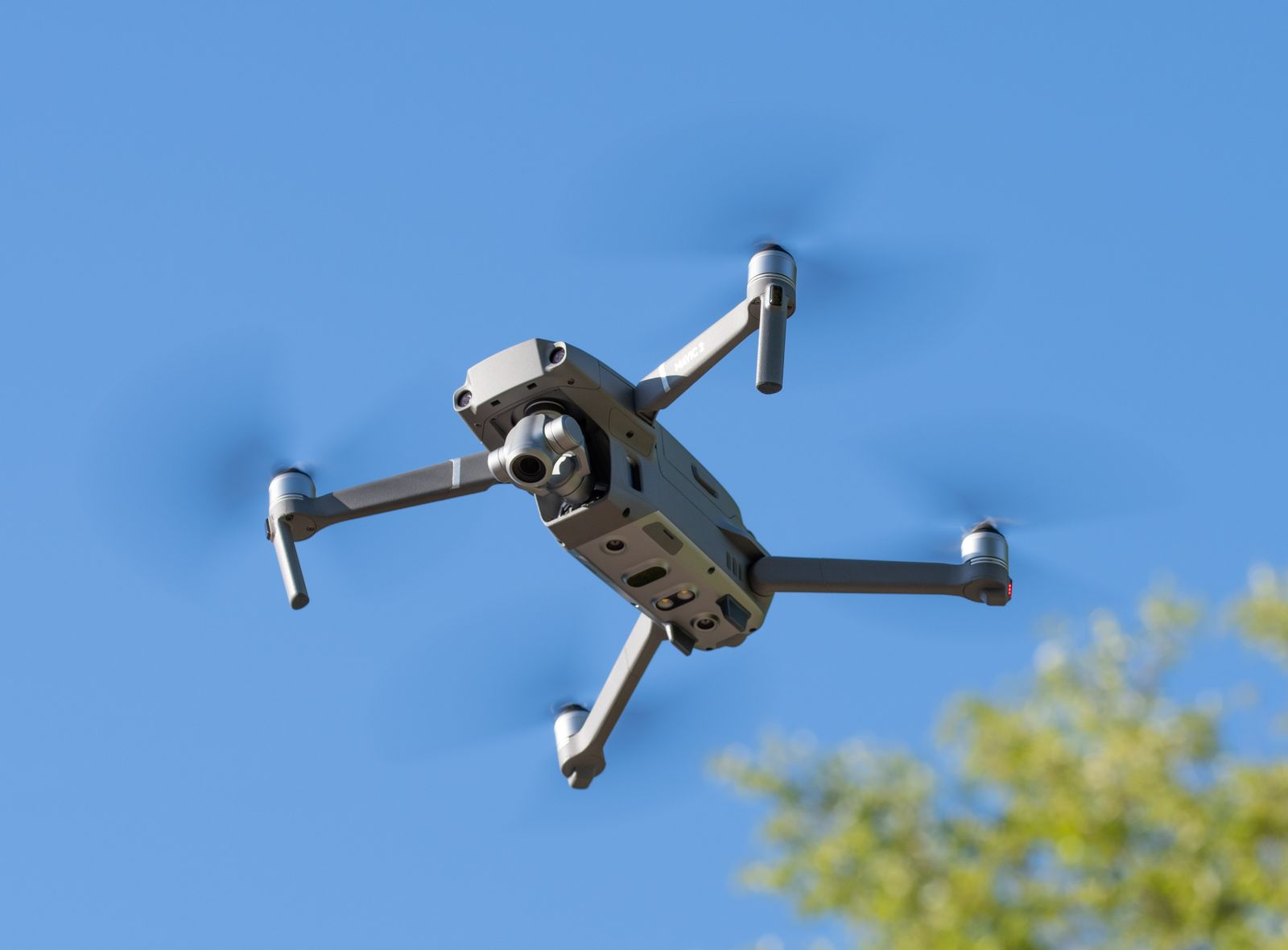
India’s Air Force has detailed unmanned systems priorities for manufacturers. Around 100 industry representatives attended a New Delhi engagement covering propulsion, autonomous software, resilient navigation and standardised interfaces, building on the service’s September capability roadmap.
-
Two Bluebottle Hybrid vessels are participating in multinational naval trials. The diesel-assisted uncrewed surface vessels are operating in the US Navy-led Maritime Big Play Pacific exercise with ThayerMahan acoustic surveillance equipment, testing their integration with allied maritime capabilities.
-
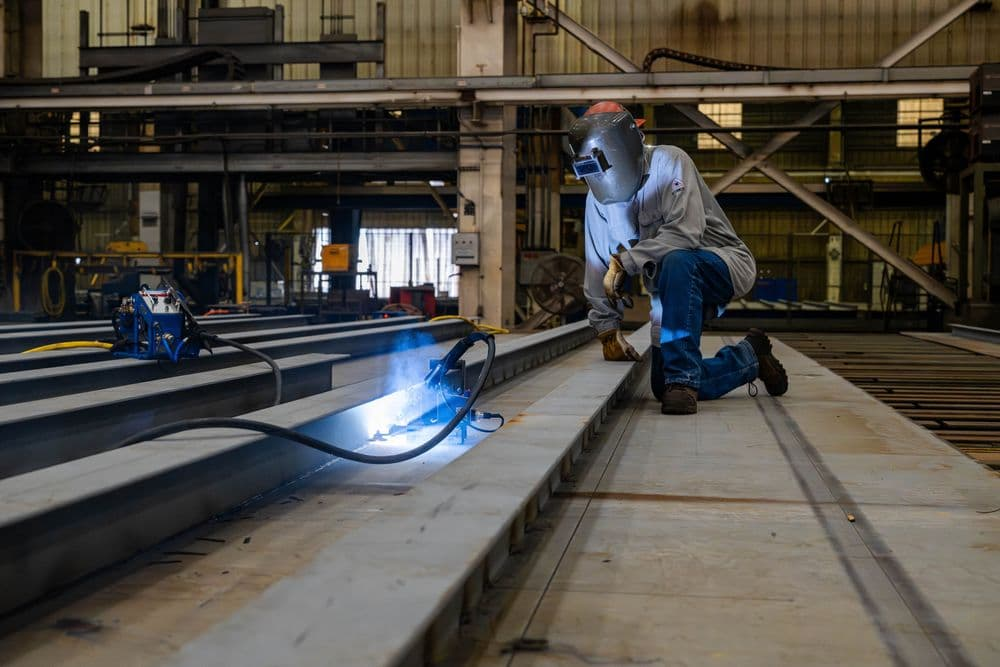
ST Engineering has advanced Kuwait’s Al Dorra naval construction programme. Its Singapore yard marked the third vessel’s keel laying and steel cutting for the fourth and fifth on 20 October, as the eight-vessel programme progresses across facilities in Singapore and the UAE.
-
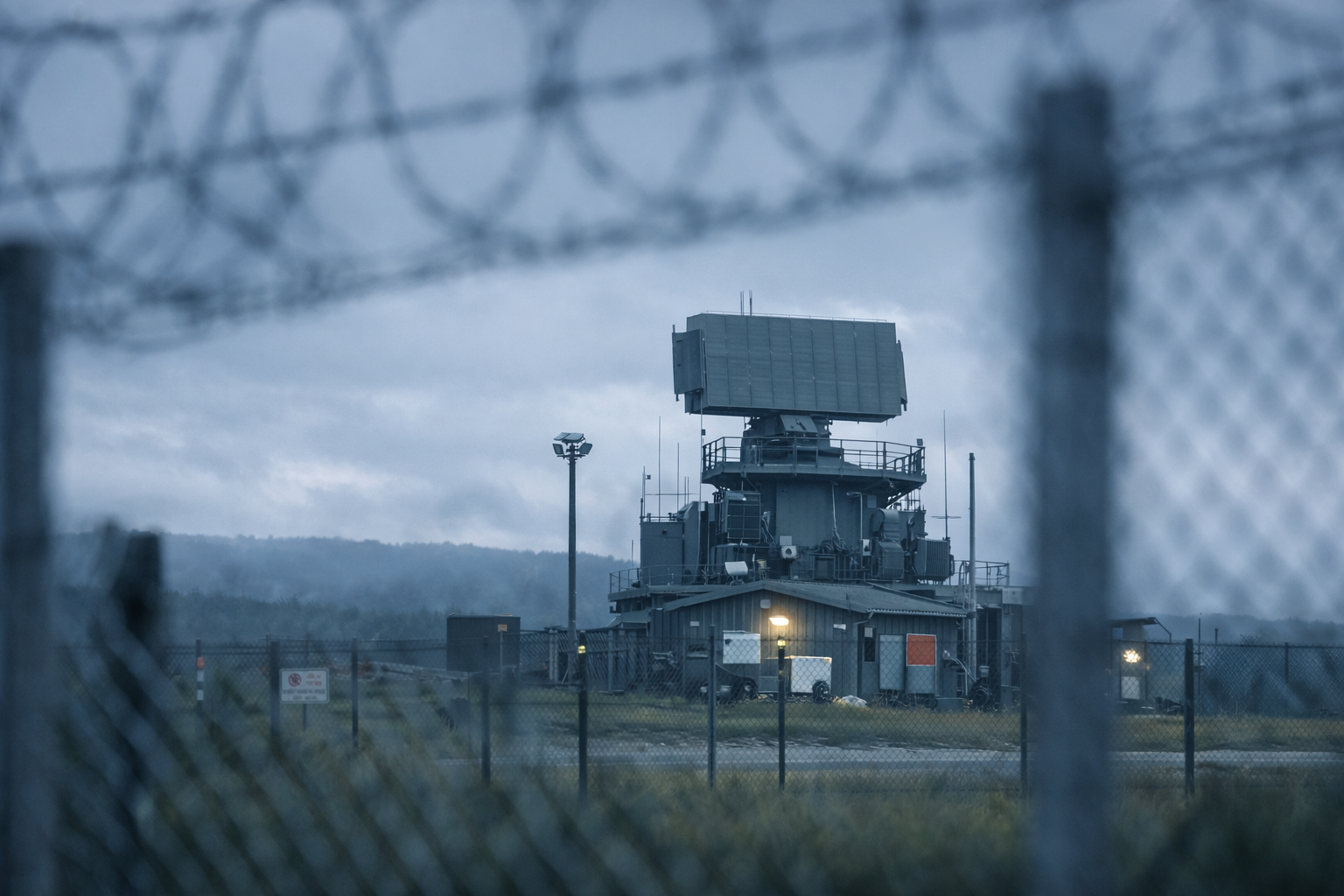
India has ordered improved lightweight radars from Bharat Electronics Limited. The ₹770 crore contract covers low-altitude surveillance equipment designed to detect and track aircraft and small drones, using fixed active electronically scanned arrays and automated target processing.
-
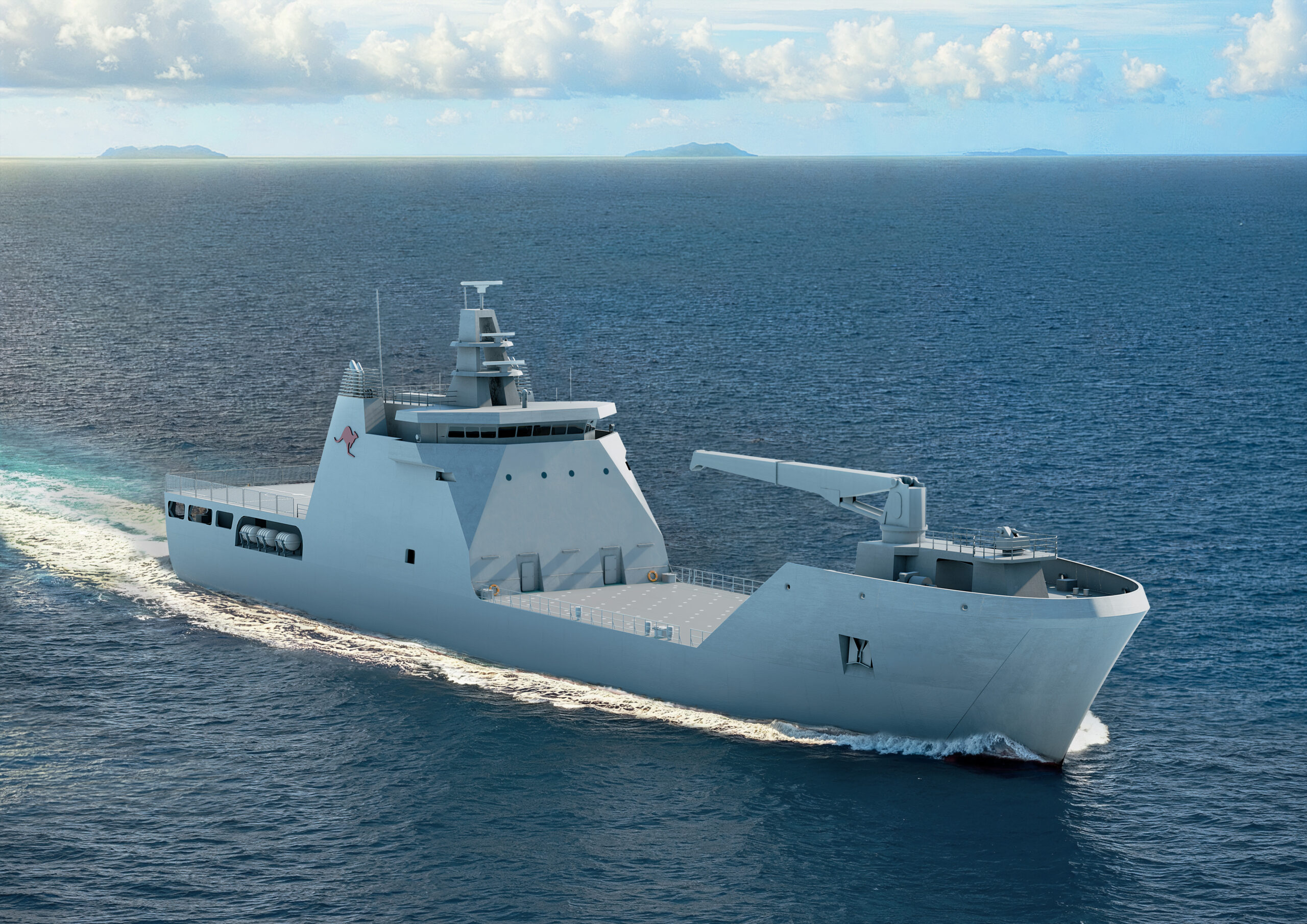
Australia’s reconstruction fund is financing expanded Austal naval manufacturing facilities. The conditional A$245 million debt package will support modular construction of eight Landing Craft Heavy vessels at Henderson, with 780 additional jobs expected in Western Australia.
-
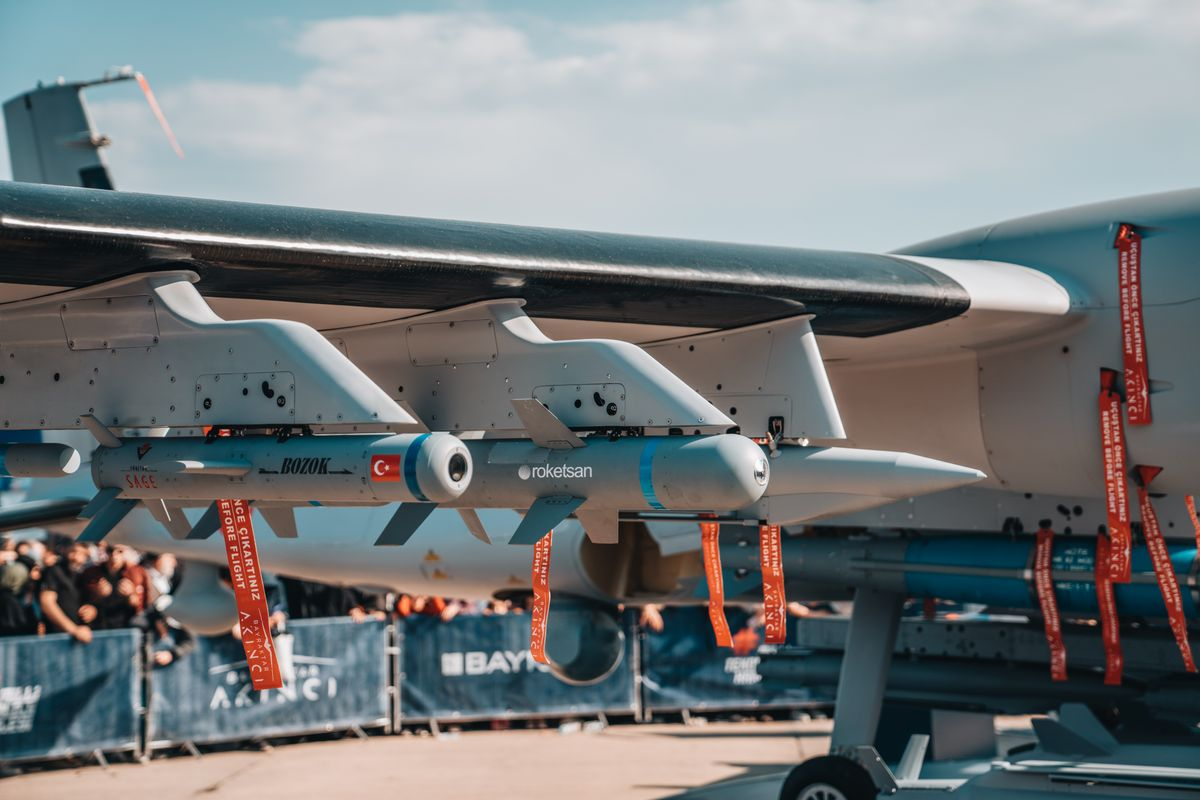
RTX has recorded major multiyear production awards for two missiles. Its third-quarter results identify Tomahawk and AMRAAM contracts as undefinitized, alongside higher Raytheon sales and defence backlog.
-

Northrop Grumman’s aerospace division reported higher quarterly sales and margins. Aeronautics Systems revenue reached $3.575 billion, supported by F-35 activity, B-21 work and B-2 sustainment.
-

Defense Unicorns has introduced compliance support for US defence contractors. The service combines technical control configuration, assessment evidence and continuing maintenance as CMMC obligations evolve.
-
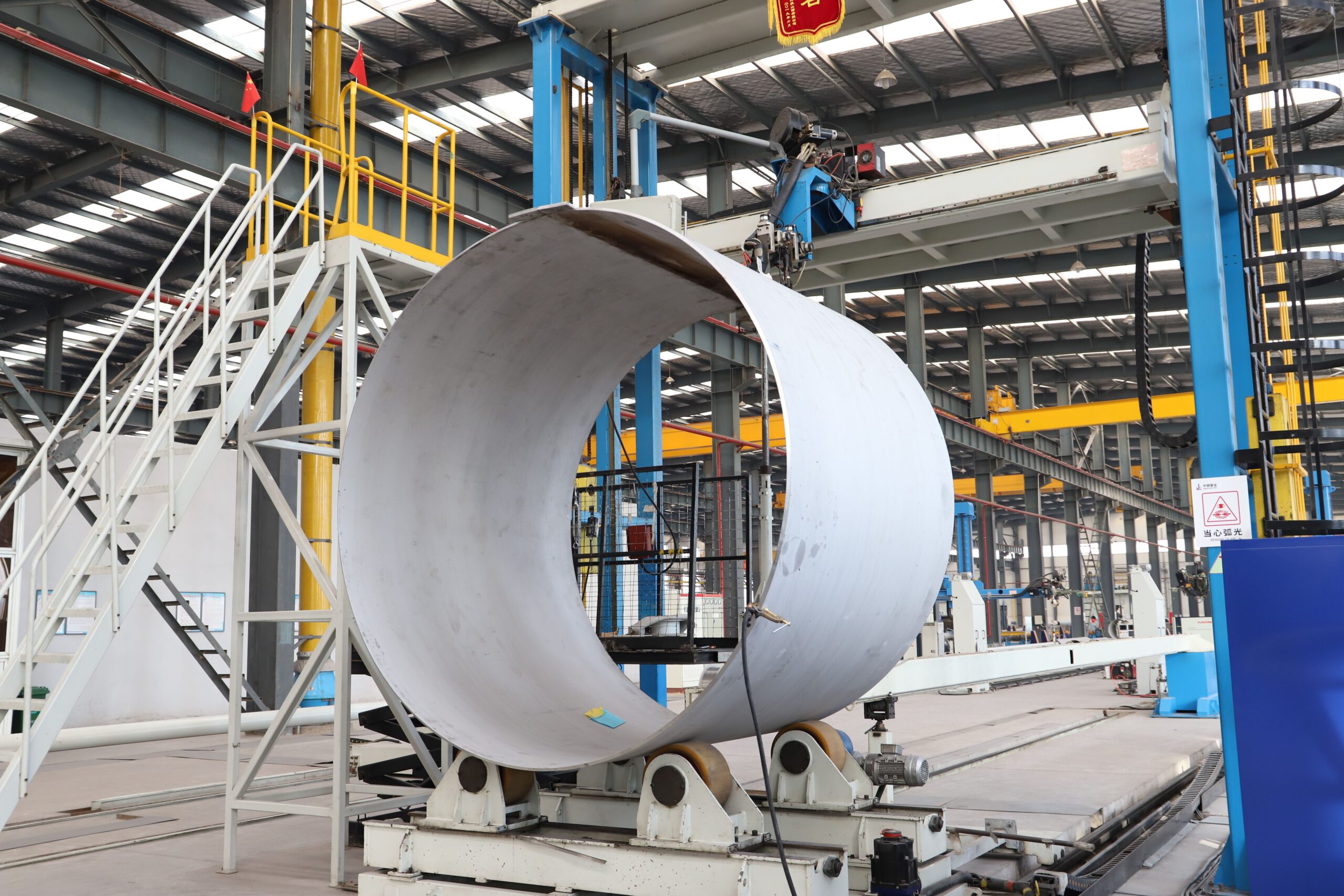
Threadlock Precision has acquired an Arizona aerospace hydraulics manufacturing business. Service & Sales adds tube bending, assembly and certified welding capability to the group’s precision manufacturing network.
-
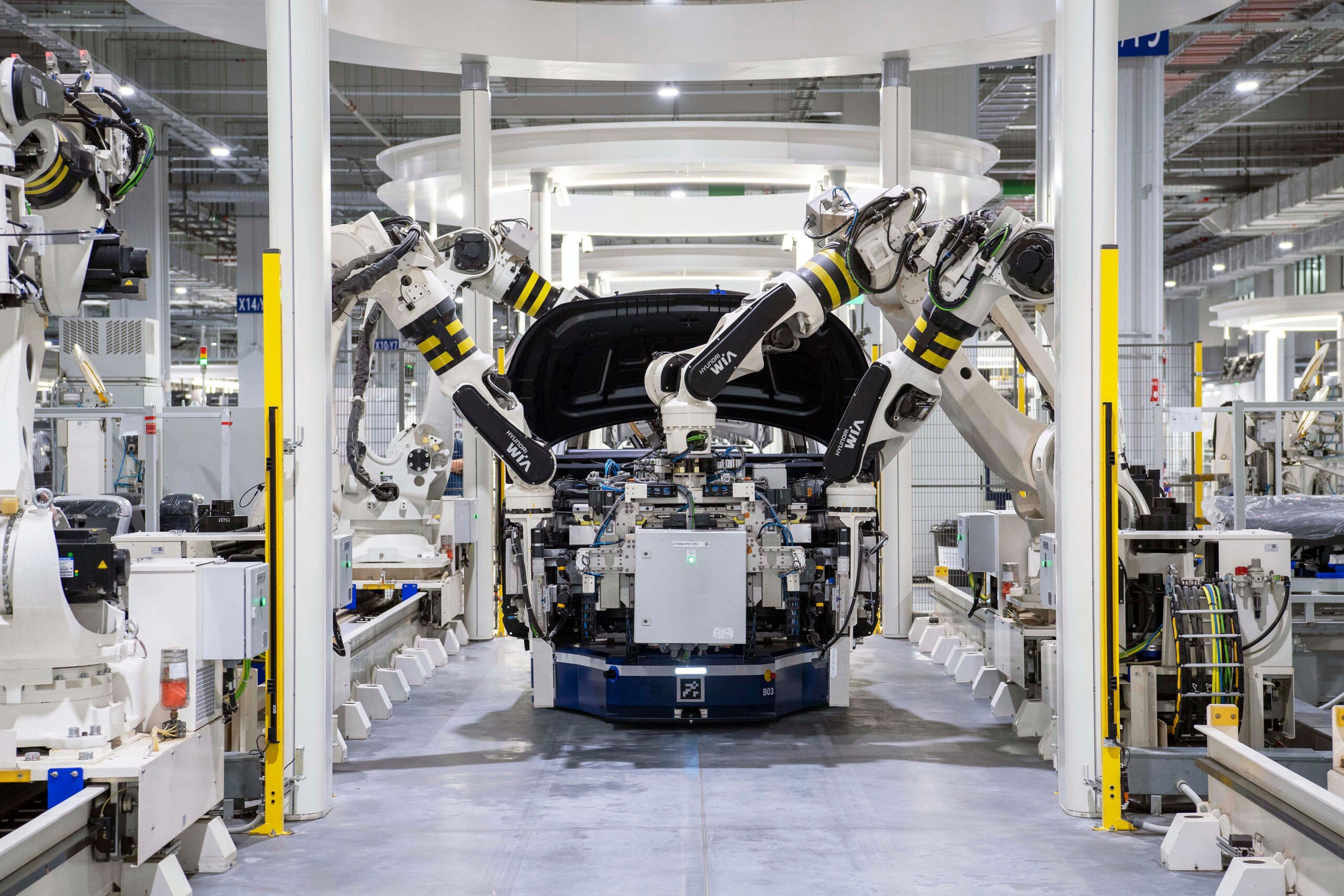
Arda has disclosed $230 million in funding for manufacturing software. Its system already supports Anduril’s ArsenalOS, helping engineering teams convert design changes into factory instructions more quickly.