IN Brief:
- CPS Technologies has received its first defence-related product order for tungsten-alloy components produced using QuickSet Injection Moulding.
- The process forms dimensions and features during moulding, reducing the amount of post-production machining and tungsten waste.
- Army DEVCOM funding supports continued QuickSet development, while CPS plans to move into a larger Massachusetts facility during 2027.
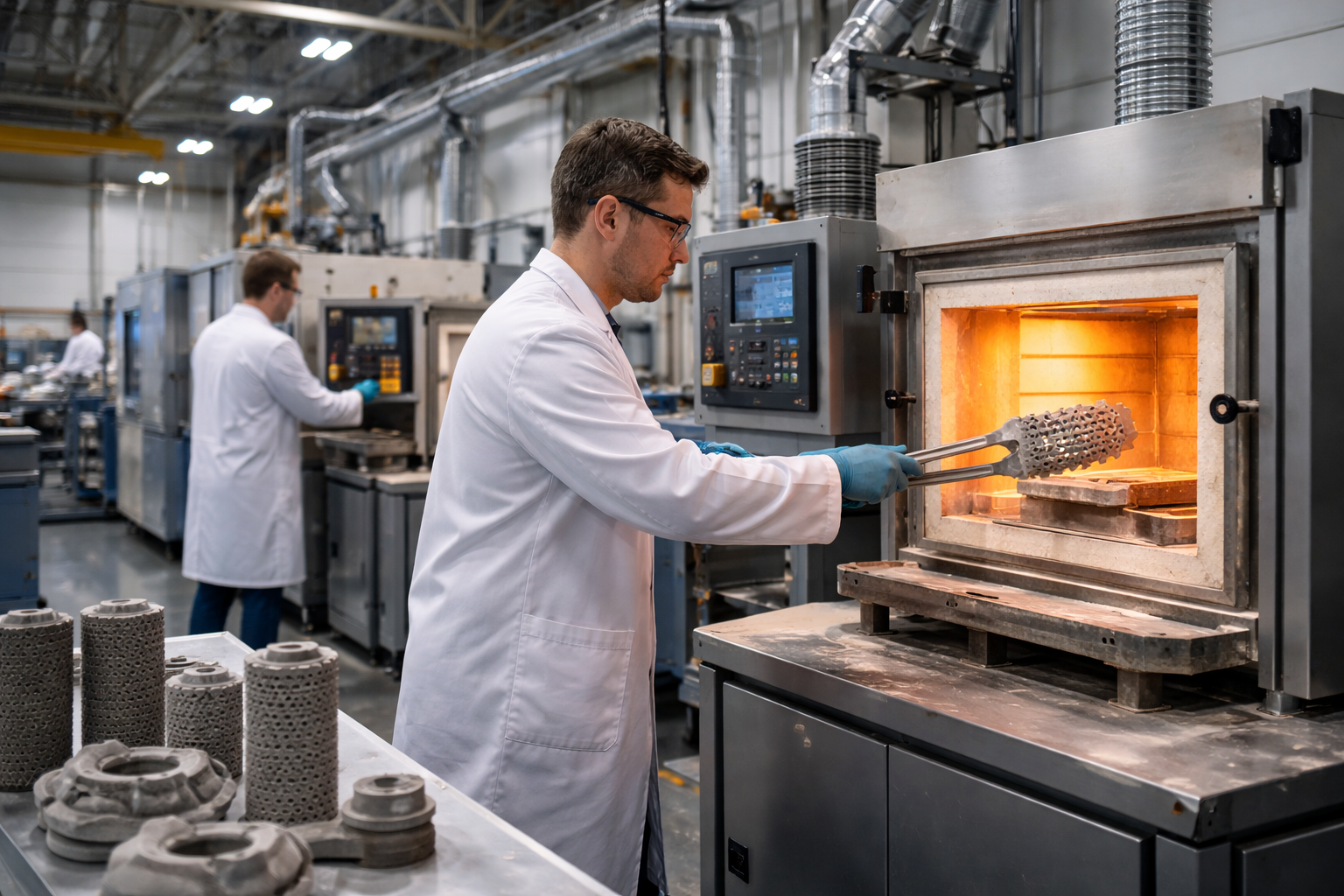
CPS Technologies has secured its first defence-related product order for tungsten-alloy components manufactured using the company’s QuickSet Injection Moulding process, providing an early commercial test for a method intended to reduce machining and material waste in difficult, high-value metal parts. The customer is described only as a research group supporting the US military, with further contractual information withheld under confidentiality provisions.
CPS describes the award as the largest contract of its type received by the company to date and expects to complete the defence-related order later in 2026. It follows fulfilment of a smaller commercial order earlier this year, moving QuickSet from development activity towards customer-funded component production without establishing that the process has yet reached high-volume defence manufacture.
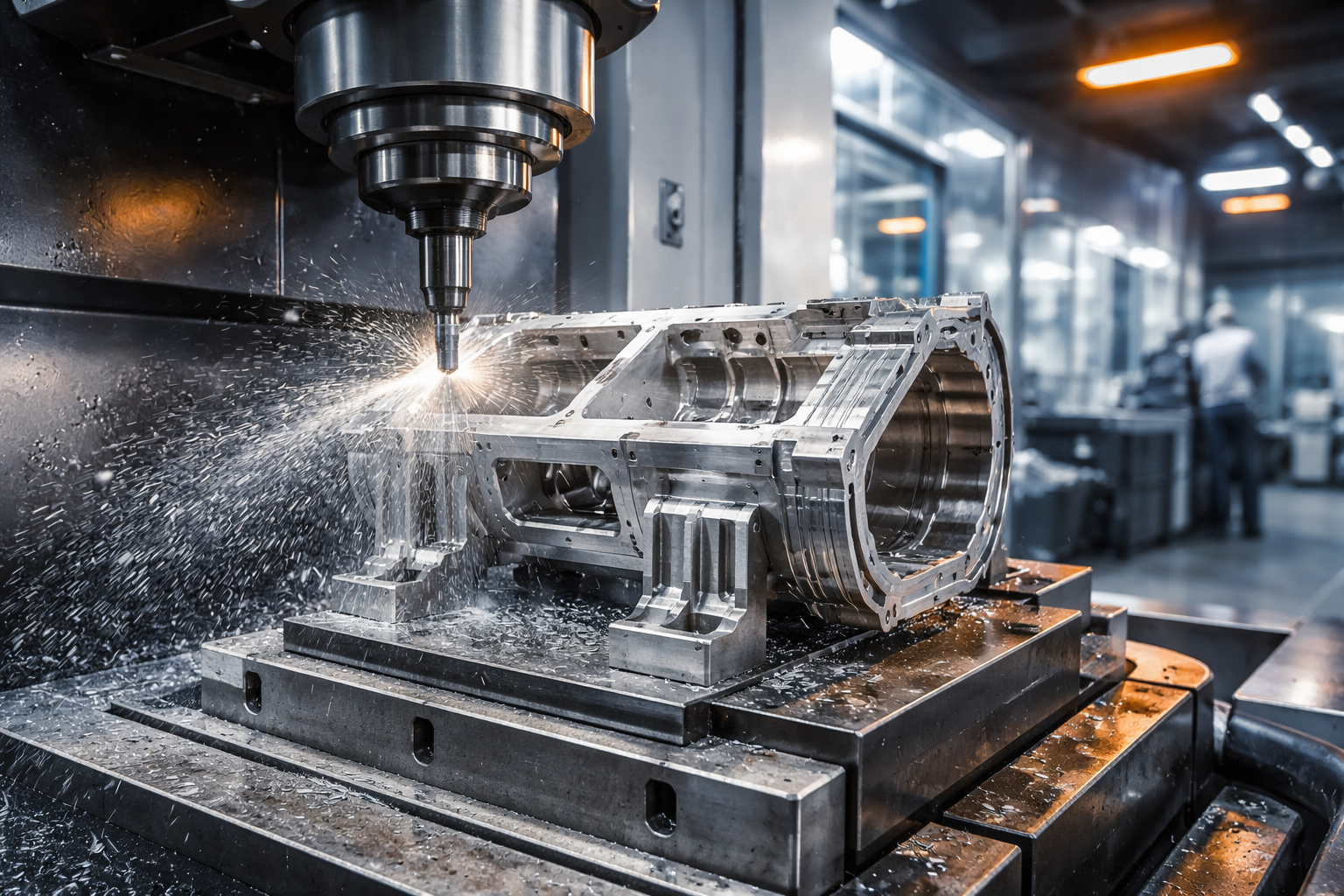
QuickSet is intended as a near-net-shape manufacturing route. Instead of producing a rough tungsten blank that requires extensive machining before it reaches its final geometry, CPS says dimensions and features can be incorporated directly into the moulded component, reducing or potentially eliminating substantial post-production machining.
The economics are particularly relevant with tungsten because conventional machining can remove a significant proportion of expensive starting material. Machine time, cutting-tool consumption, workholding, scrap handling, and the value of the tungsten removed all contribute to final component cost. A process that puts more of the starting material into the finished part can improve both material utilisation and factory throughput.
The defence order provides a more useful industrial test than laboratory samples alone. Near-net-shape manufacture has to deliver repeatable dimensions, material properties, density, surface condition, and internal quality against the customer’s specification, while production documentation and inspection have to remain consistent from one batch to the next.
CPS says QuickSet is capable of producing larger components than conventional metal injection moulding and promotes scalability as one of the process’s advantages. The company has not disclosed the dimensions, composition, quantity, military application, or eventual platform associated with the new order. The components therefore cannot be described as armour, penetrators, counterweights, or any other specific defence item without evidence that has not been released.
Development of the process is being supported separately by a US Army Combat Capabilities Development Command Small Business Technology Transfer programme. CPS received a $1.15 million Phase II contract that began in 2025 and is scheduled to continue until September 2027.
The company is explicit that the new customer order sits outside the core objectives of that Phase II programme. That distinction matters because government-funded process development and an actual product order test different parts of the industrial proposition. Research funding can demonstrate feasibility; a customer contract introduces schedule, repeatability, documentation, acceptance, and delivery obligations.
Moving from one to the other is where manufacturing technologies tend to lose some of their laboratory simplicity. A process that produces excellent demonstration pieces still has to achieve acceptable yield, cycle time, equipment utilisation, inspection throughput, and cost when repeated under production conditions.
CPS is preparing additional physical capacity at the same time. In August, the company signed a long-term lease for an 80,000-square-foot facility in Attleboro, Massachusetts, roughly twice the size of its current location in nearby Norton. The site is being designed with mechanical, electrical, plumbing, and industrial-gas infrastructure for advanced manufacturing, with relocation planned for 2027.
QuickSet tungsten is among the technologies CPS expects to support from the larger facility. Extra floor area does not establish a production rate by itself, but it creates room for additional equipment, inspection, material handling, development work, and separation between expanding product lines if defence and commercial orders increase.
The approach also gives CPS a route into defence production without becoming a complete systems supplier. Specialist materials manufacturers often sit several tiers below prime contractors, where competitiveness depends on producing difficult components reliably and at a lower processing cost. Removing machining operations can matter substantially at that level because every eliminated stage reduces handling, machine time, tooling requirements, and opportunities for rejection.
The current order remains deliberately limited in disclosure. CPS has not published its value, component count, end application, or follow-on quantity, and it would be premature to treat one customer order as evidence of a large defence-production programme. Its significance is narrower and more useful: a tungsten process supported by Army research funding has attracted a separate defence-related customer willing to buy manufactured parts.
Completion later this year will provide the first measure of that transition. Further evidence will come from repeat orders, disclosed production volumes, additional qualified applications, and the equipment installed when CPS moves into Attleboro. For now, QuickSet has crossed an important boundary — from promising manufacturing development into paid defence-related component production, where the economics have to work as convincingly as the metallurgy.