IN Brief:
- GD-OTS has signed frameworks to expand production capacity for critical PAC-3 MSE and THAAD interceptor subcomponents.
- The work includes motor cases, seeker housings and midsections, shroud deployment systems, and associated specialist manufacturing capacity.
- The agreements support wider US targets to triple PAC-3 MSE capacity and quadruple THAAD capacity, with detailed contracts still to be definitised.
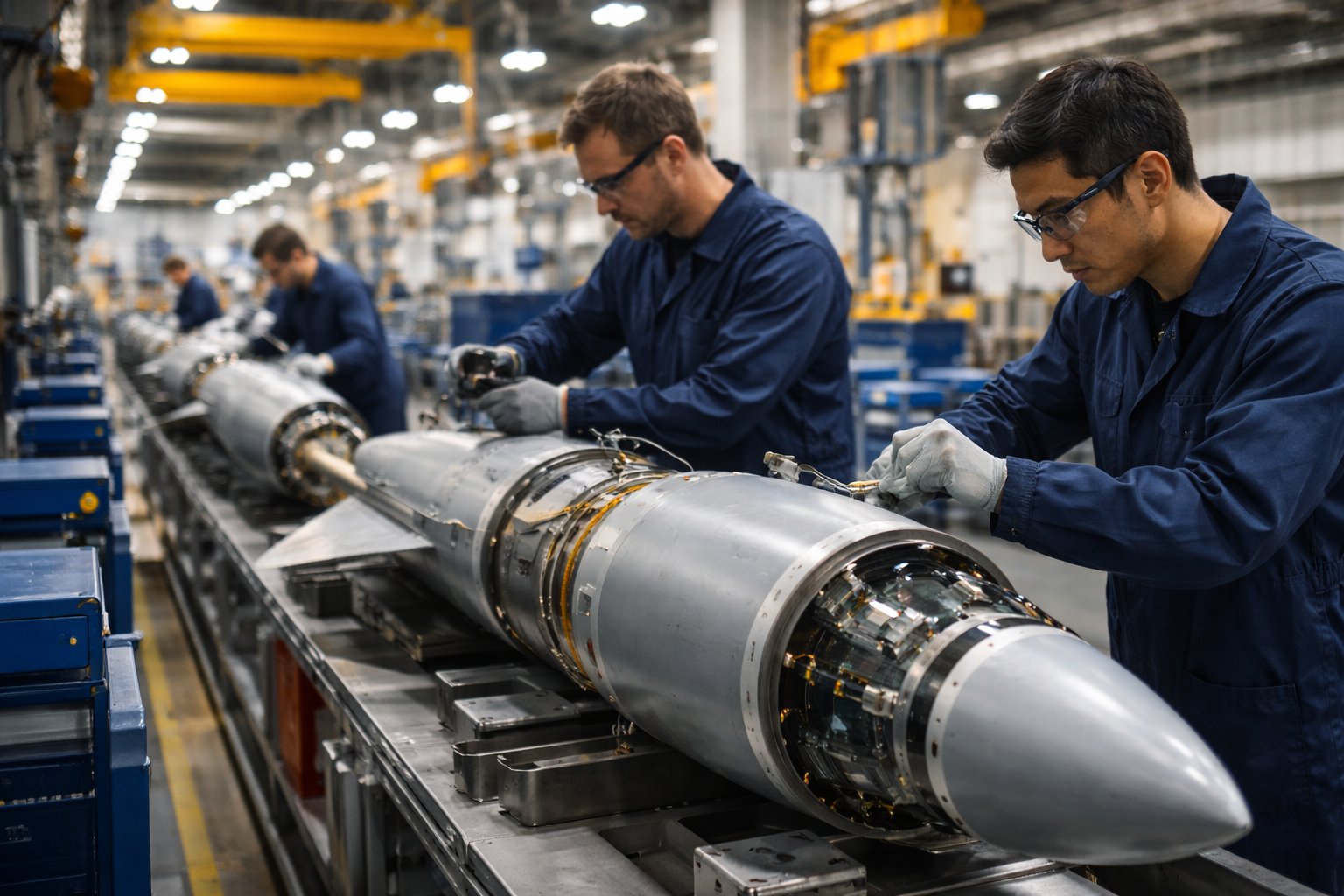
General Dynamics Ordnance and Tactical Systems has signed framework agreements with the US Department of War and Lockheed Martin to expand manufacturing capacity for critical PAC-3 Missile Segment Enhancement and Terminal High Altitude Area Defense interceptor components, extending the US missile-production ramp deeper into its qualified supplier base.
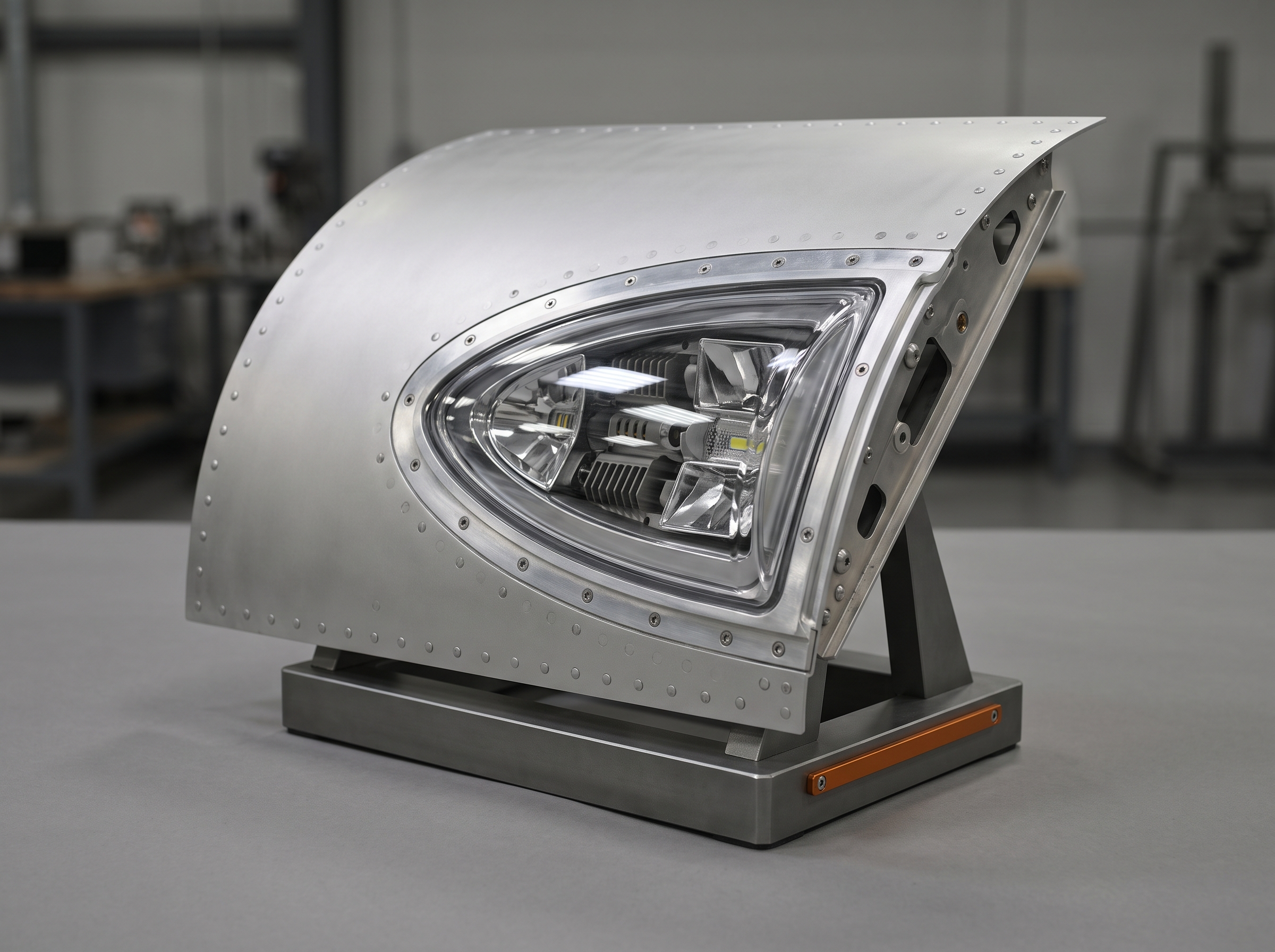
The agreements cover specialised subcomponents including motor cases, seeker housings and midsections, and shroud deployment systems. GD-OTS says they establish the basis for multiyear production expansion, with detailed contract definitisation expected later.
That distinction is important. The 31 August development is not a new claim that General Dynamics itself will manufacture complete PAC-3 MSE or THAAD interceptors. Lockheed Martin remains the prime interceptor manufacturer. GD-OTS is expanding capacity for components that have to reach the prime production lines at higher rates if wider US output targets are to be achieved.
Prime-level targets move down the supply chain
The Department of War is pursuing a substantial increase across both missile-defence programmes. Its stated objectives are to triple PAC-3 MSE production capacity and quadruple THAAD interceptor capacity through long-term agreements intended to give industry sufficient demand visibility to invest in factories, equipment, materials, and workforce.
Those headline targets are meaningful only if the underlying manufacturing network expands at the same rate. Final assembly is one of the most visible stages of interceptor production, but it depends on propulsion, specialised structures, guidance hardware, electronics, energetic materials, control equipment, and other components arriving on time and in qualified condition.
A shortage in one item can restrict output regardless of the capacity available elsewhere. The latest GD-OTS agreements address that industrial reality by identifying specific component families for investment rather than assuming that prime-contractor capacity will automatically pull sufficient material through the supply chain.
The company says it is already investing ahead of demand in capital equipment, long-lead materials, and workforce. The government framework is intended to reinforce that spending by providing minimum annual procurement quantities, subject to annual appropriations, over a multiyear horizon.
Longer-term demand signals matter because specialist missile-manufacturing capacity is expensive to establish. A supplier asked to buy new forming machinery, composite equipment, inspection systems, tooling, furnaces, or additional production space needs confidence that the resulting capacity will be used for more than one short annual order.
Specialised structures cannot simply be bought off the shelf
The components identified in the agreement illustrate why missile output cannot be treated like general manufacturing. Motor cases have to withstand propulsion loads, pressure, thermal conditions, storage environments, and flight stresses while remaining within tightly controlled dimensional and material tolerances.
Seeker housings and midsections provide structural and environmental interfaces around sensitive guidance and control hardware. Their manufacture has to preserve alignment, stiffness, sealing, and other characteristics that can affect equipment mounted inside them. Shroud deployment hardware presents another reliability problem because it must function correctly after storage, transport, launch loads, and exposure to the missile’s operating environment.
Increasing output therefore requires qualified processes rather than merely additional shifts. New equipment has to be installed and validated, operators trained, suppliers approved, process capability demonstrated, and inspection capacity increased so that higher volume does not produce higher defect rates.
The latest agreement sits alongside a sequence of similar supplier-capacity initiatives. The Department of War announced frameworks with L3Harris in July around propulsion production and with Northrop Grumman in early August for additional PAC-3 and THAAD component capacity. The GD-OTS deal broadens that effort further across another set of constrained manufacturing processes.
That pattern indicates a deliberate move away from treating missile production as a prime-contractor problem. Lockheed Martin may control final integration, but the output rate is determined by a network of companies whose equipment and lead times can be much harder to expand than floor space at a final assembly plant.
Recent THAAD procurement illustrates the demand pressure on that network. IN Defence reported in August that the UAE had ordered additional Configuration 3 THAAD launchers, adding another allied requirement around a missile-defence system already undergoing production expansion for US and international customers.
Launcher production and interceptor manufacture are separate industrial streams, but both depend on a supportable programme ecosystem. As more customers acquire or expand missile-defence systems, sustaining interceptor stockpiles requires manufacturing capacity that can replenish training expenditure, operational consumption, and new inventories over many years.
The new GD-OTS frameworks are structured to encourage investment ahead of the final detailed production contracts. That approach creates some commercial risk because annual funding remains subject to appropriations, while the company is committing capital and long-lead purchases to prepare for higher demand.
It also gives the government leverage to address constraints before they become visible at final assembly. Waiting until a prime misses deliveries before funding a lower-tier supplier can add years to a recovery programme where specialised equipment, facilities, or qualification are involved.
Quality assurance will have to expand alongside physical capacity. Missile components operate with limited tolerance for manufacturing variation, and increased output cannot come at the expense of inspection, traceability, material control, or configuration discipline. Bringing another machine or production line online is only useful once its output is accepted into the qualified manufacturing system.
The 31 August agreements consequently mark an industrial step rather than an interceptor-delivery milestone. No new completed missiles have been handed over as a result of signing them, and GD-OTS says contract definitisation remains to come.
The value lies in identifying and funding the manufacturing capacity that has to exist before the larger PAC-3 MSE and THAAD production targets can be sustained. The US has set ambitious prime-level output objectives; the current programme is now working through the less visible task of ensuring that motor cases, seeker structures, midsections, shroud hardware, propulsion equipment, and other specialised components arrive quickly enough to make those numbers possible.