
Aerospace
-
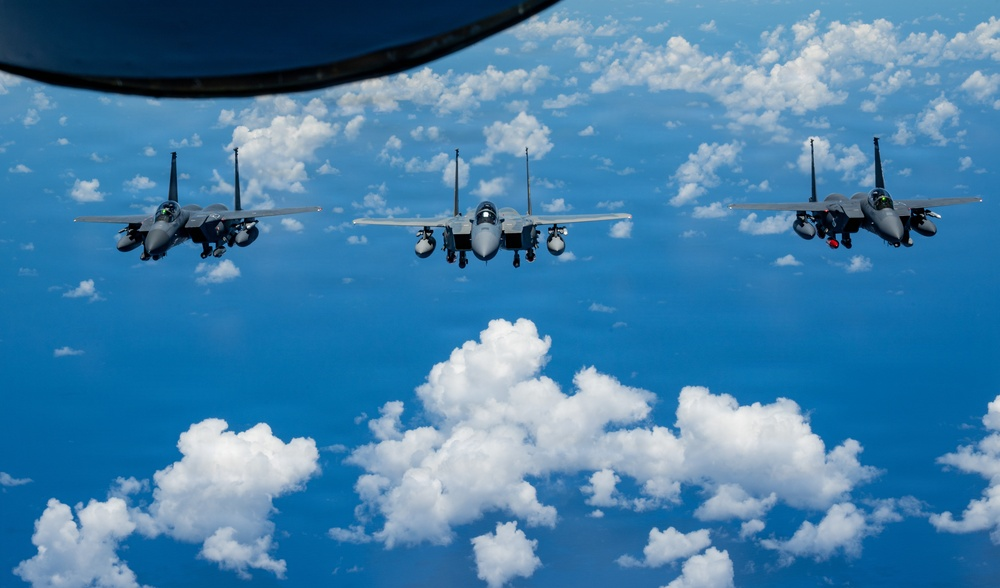
Three suppliers join US Air Force contracted aviation training arrangements. KestrelX, A2G International and Fleet Adversary Support and Training hold IDIQ positions against a reported $5.4 billion ceiling, with $3,000 initially obligated.
-
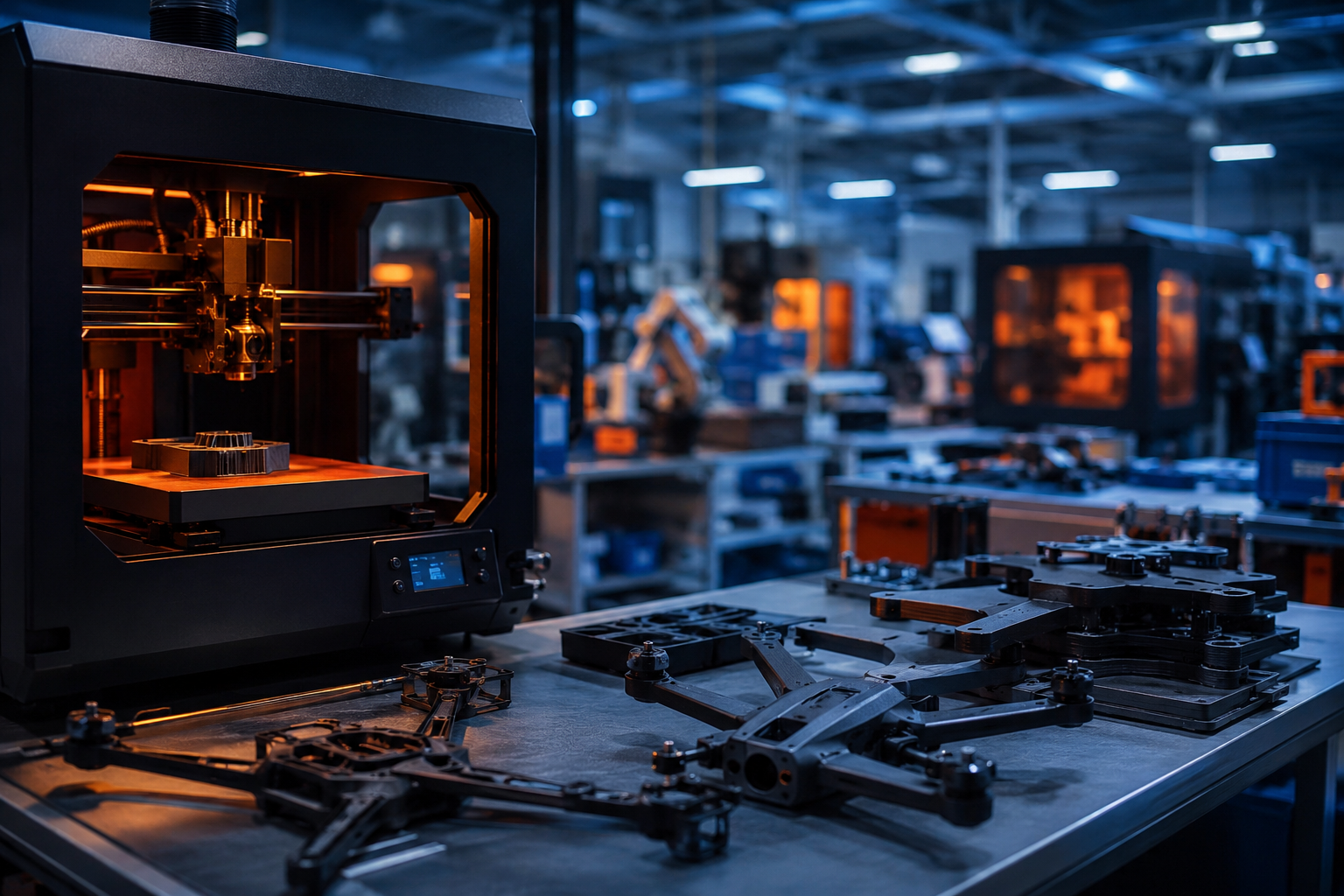
Continuous Composites plans a new engineering facility near Seattle, Washington. The 5,600-square-foot Kent location will develop CF3D composite technology; no opening date or new defence production order has been disclosed.
-
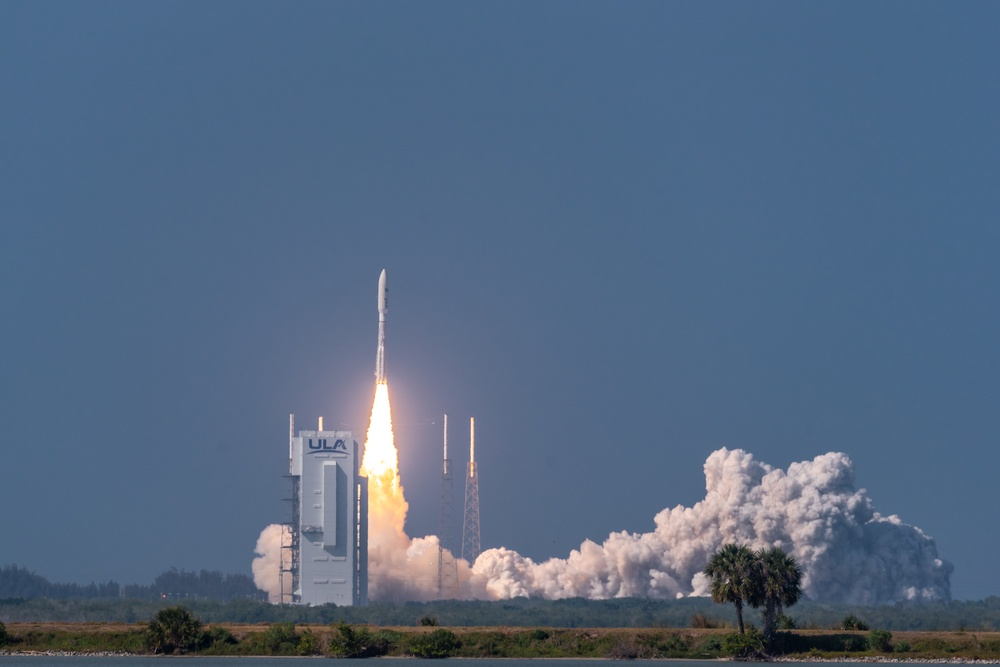
Tech7 will build an unclassified testbed for defence satellite applications. The SpaceWERX-backed SBIR award supports software evaluation for proliferated low-Earth-orbit systems, with any classified deployment or Phase III transition still prospective.
-
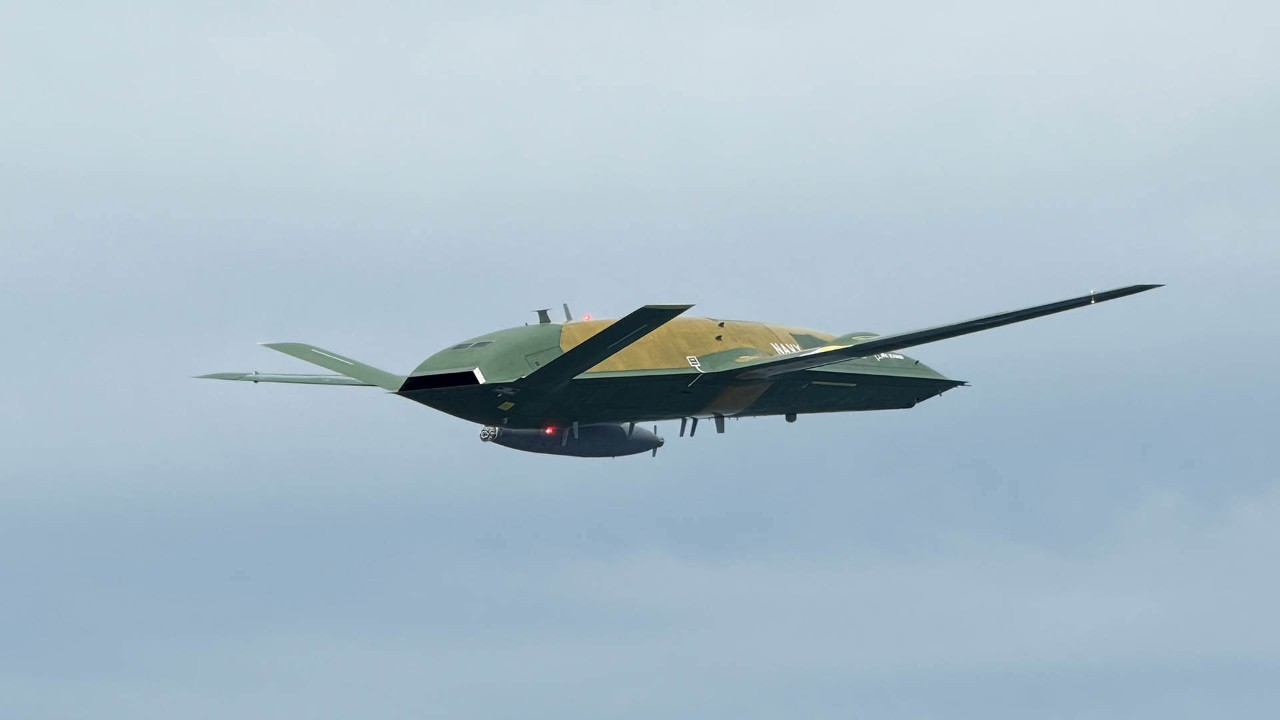
Boeing has received an engineering contract ceiling for MQ-25 development. The Navy’s $80 million arrangement covers configuration work, integration and sustainment; no funds were obligated when the contract was awarded.
-
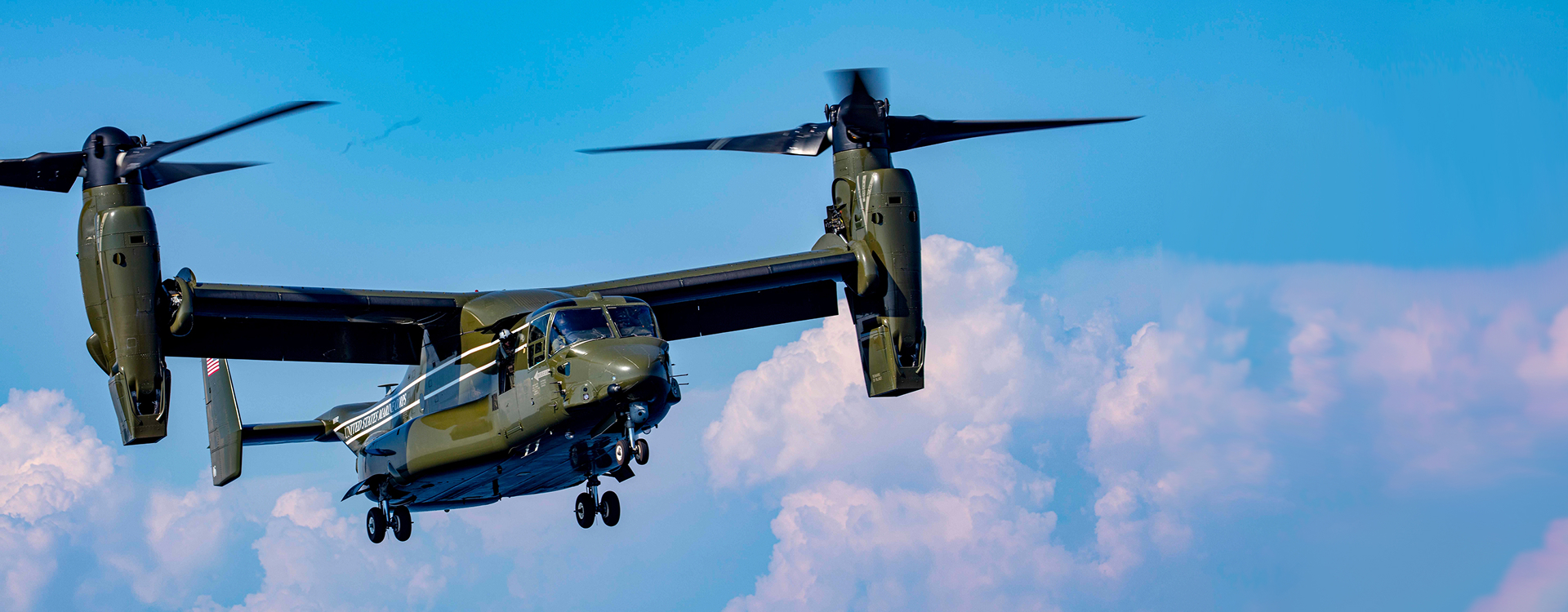
Bell Boeing has received funding for a V-22 controls redesign. The $90.83 million order develops replacement flight computers, cockpit interfaces and supporting software, with completion expected in October 2030.
-
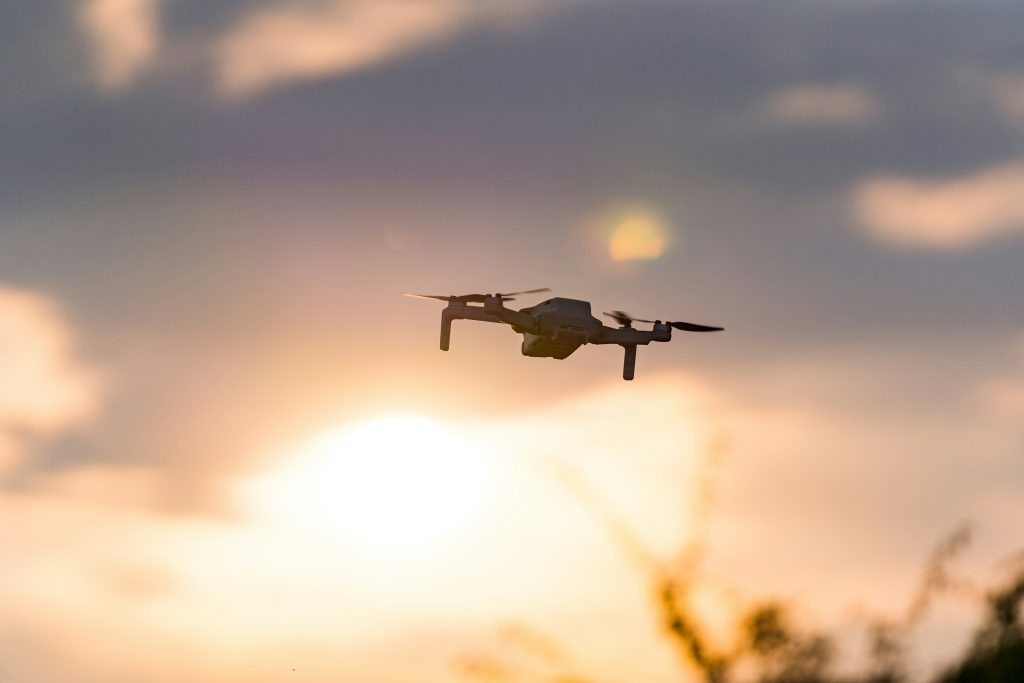
High Lander has reported $30 million in cumulative investment funding. New capital will support US expansion and development of drone management and airspace security software; specific defence deployments remain unconfirmed.
-
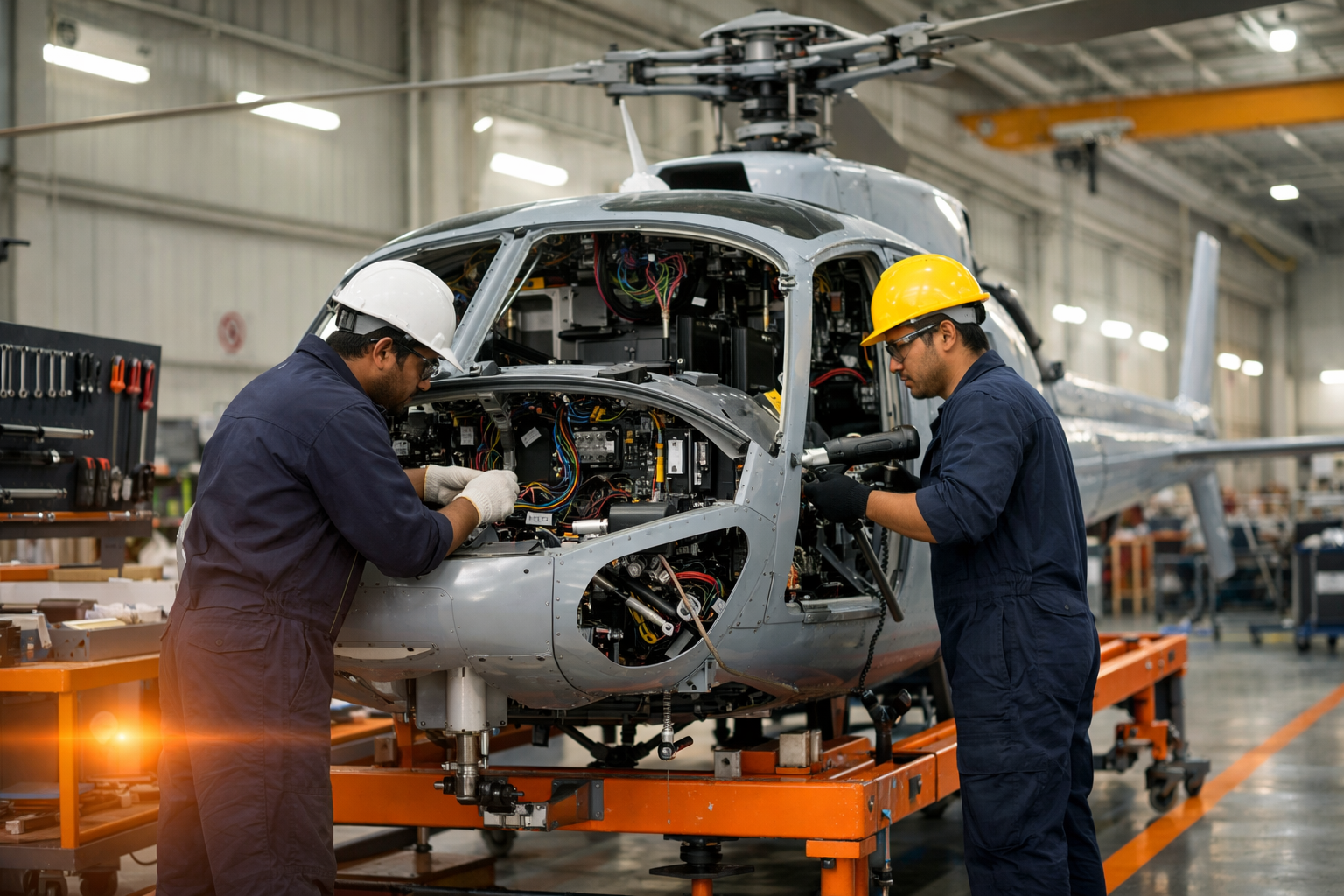
Indian manufacturers have reportedly been shortlisted for helicopter armament development. The proposed indigenous turret remains subject to engineering and acceptance stages.
-
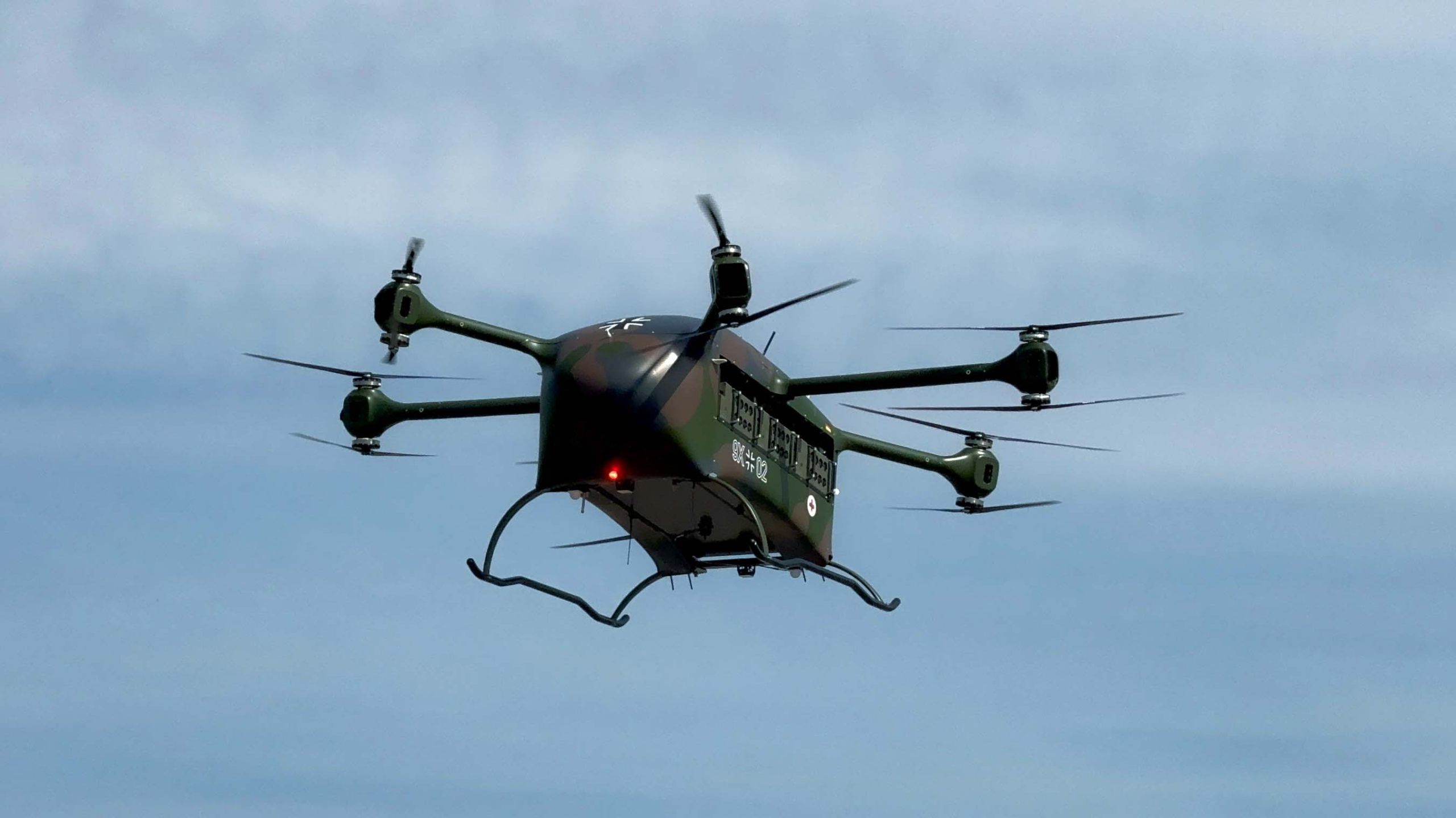
Steyr and Avilus are integrating ground power for Grille flights. The M12 Power Unit charges spare batteries during flight; the companies report prior military exercise testing but no procurement award or operational service.
-
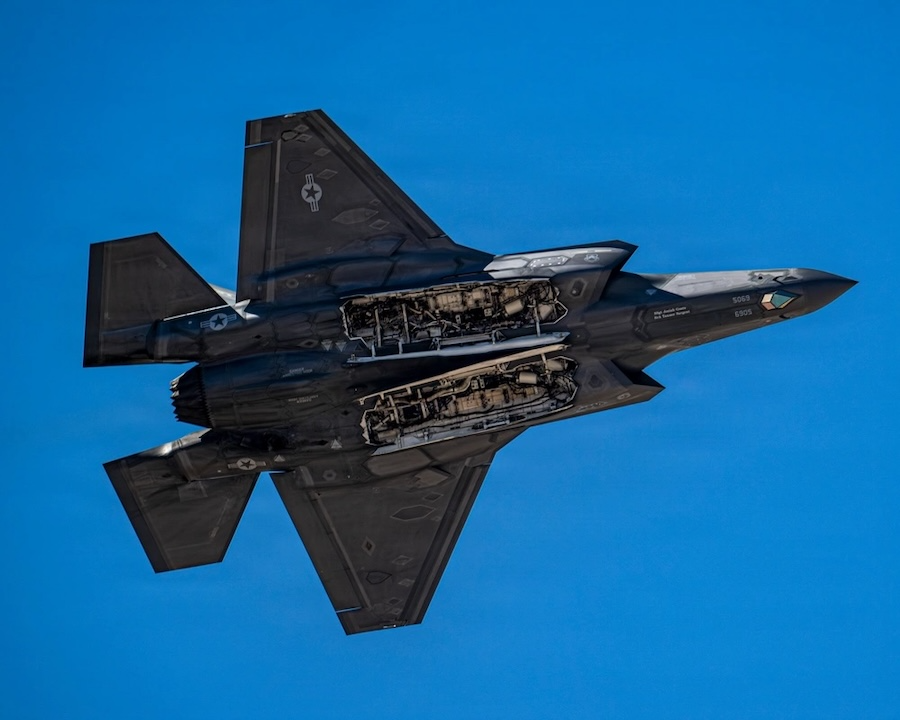
Lockheed Martin has received additional funding for customised F-35 integration. A Pentagon notice confirms $18,789,801 in development, demonstration and integration work for an unidentified foreign customer, distinct from its processor-support modification.
-
Lockheed Martin delivered the first C-130J-30 for Phoenix II conversion. Northrop Grumman still must integrate the mission equipment and qualify the aircraft; its earlier $3.5 billion development contract is separate.