
Aerospace
-
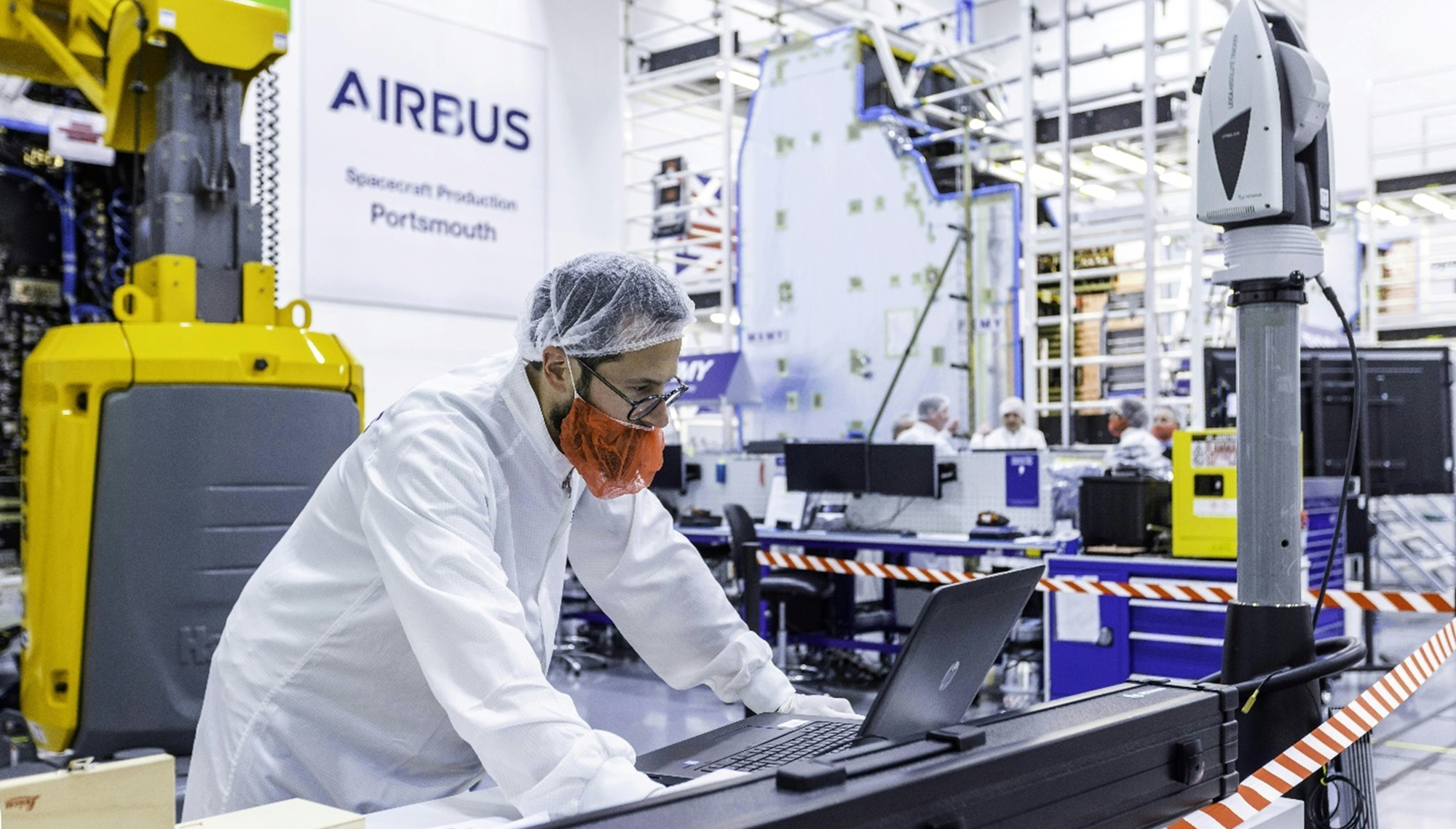
Airbus has warned of possible consequences for UK satellite manufacturing. Its employment concerns concern an undecided Skynet competition; no job cuts, factory closures or government award have been confirmed.
-
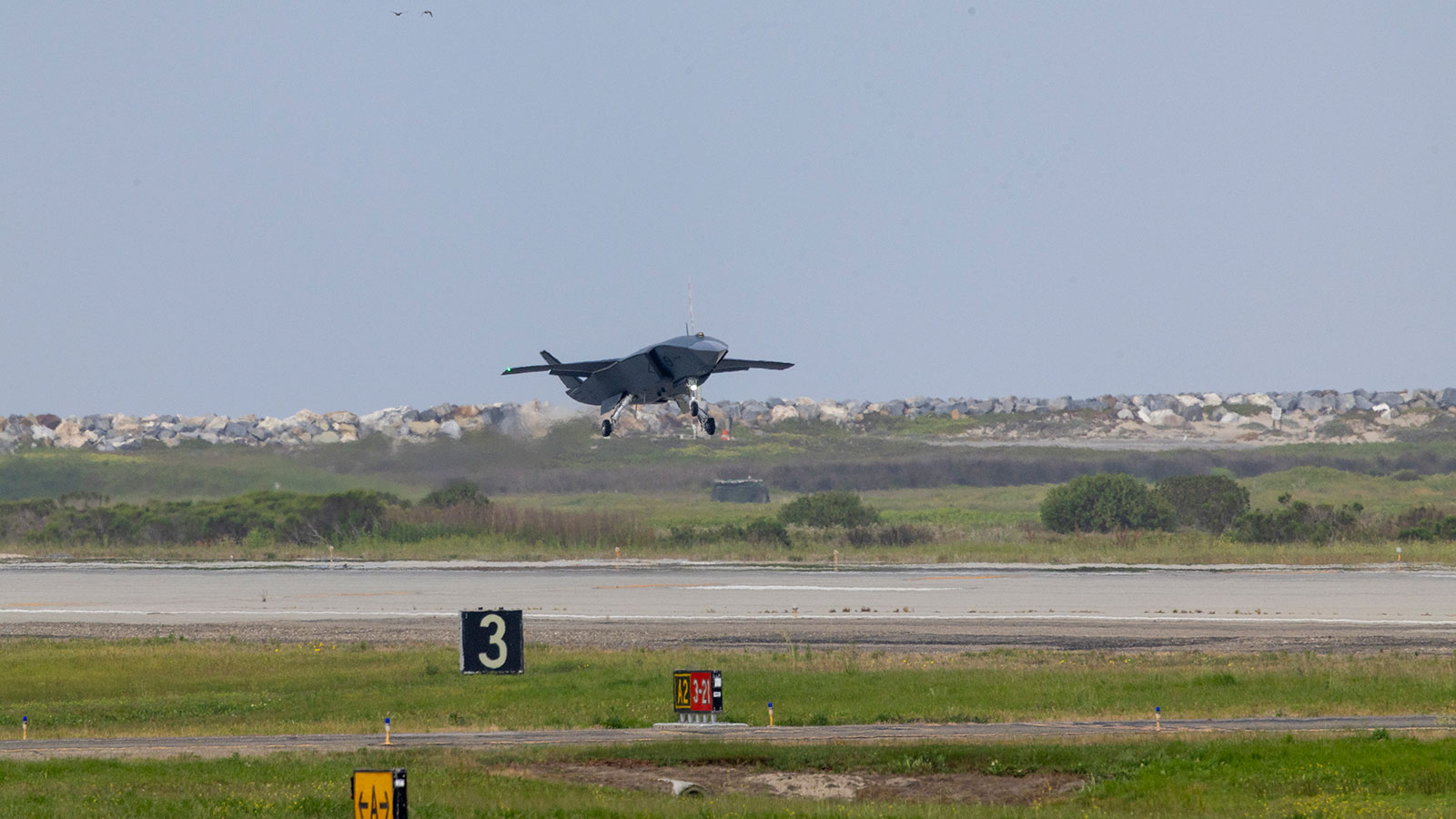
Germany has ruled out directly purchasing Boeing’s MQ-28 Ghost Bat. Boeing confirmed the notification, but no awarded German aircraft contract has been identified as cancelled.
-

Turkish Aerospace has completed a second ANKA III production line. The manufacturer expects to open it in November, with throughput and increased payload figures remaining projections.
-
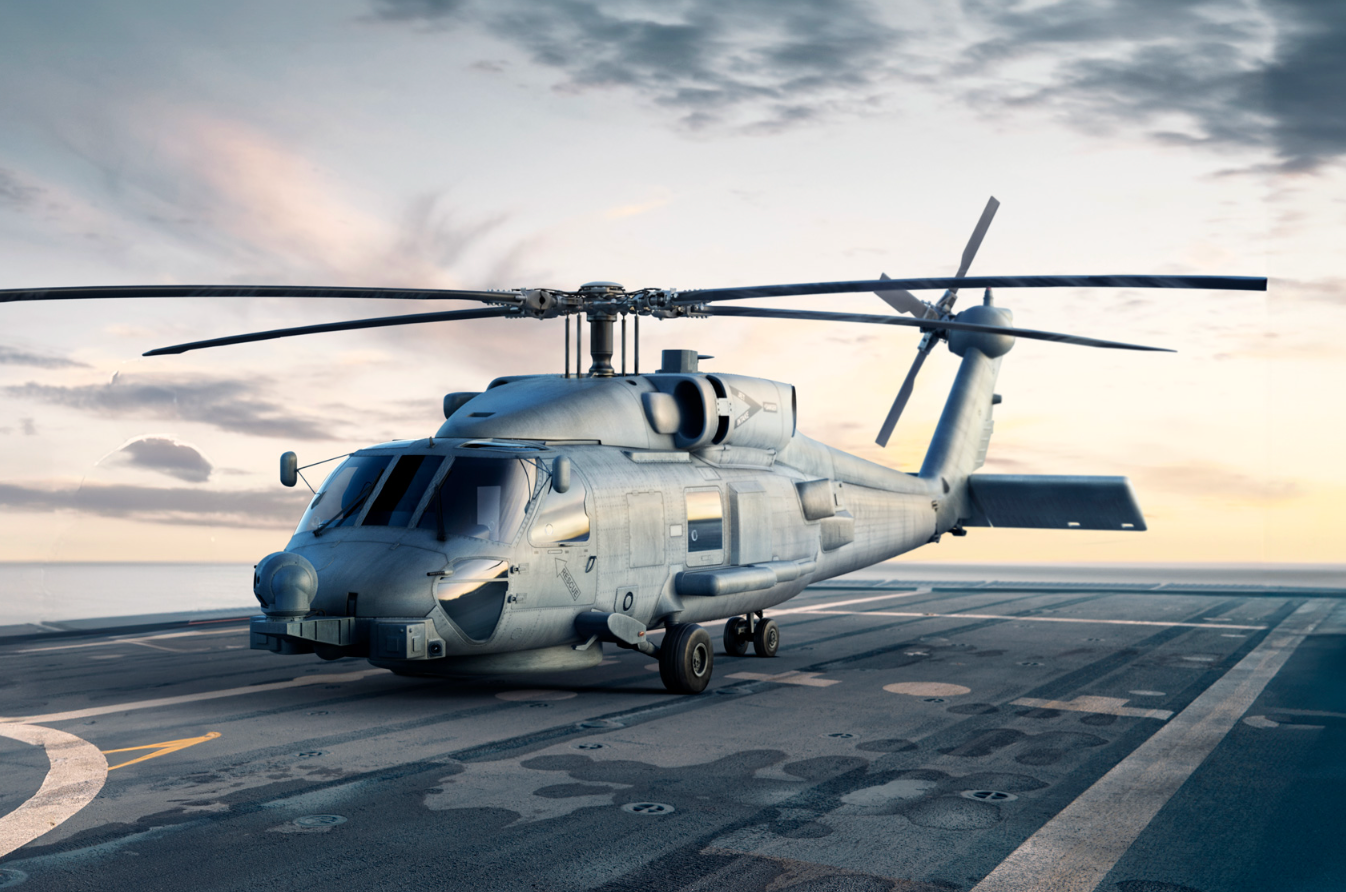
Australian Seahawks are approaching installation of digital magnetic anomaly sensors. The current update follows a 2024 kit contract and 2025 integration announcement; fleetwide completion remains unconfirmed.
-
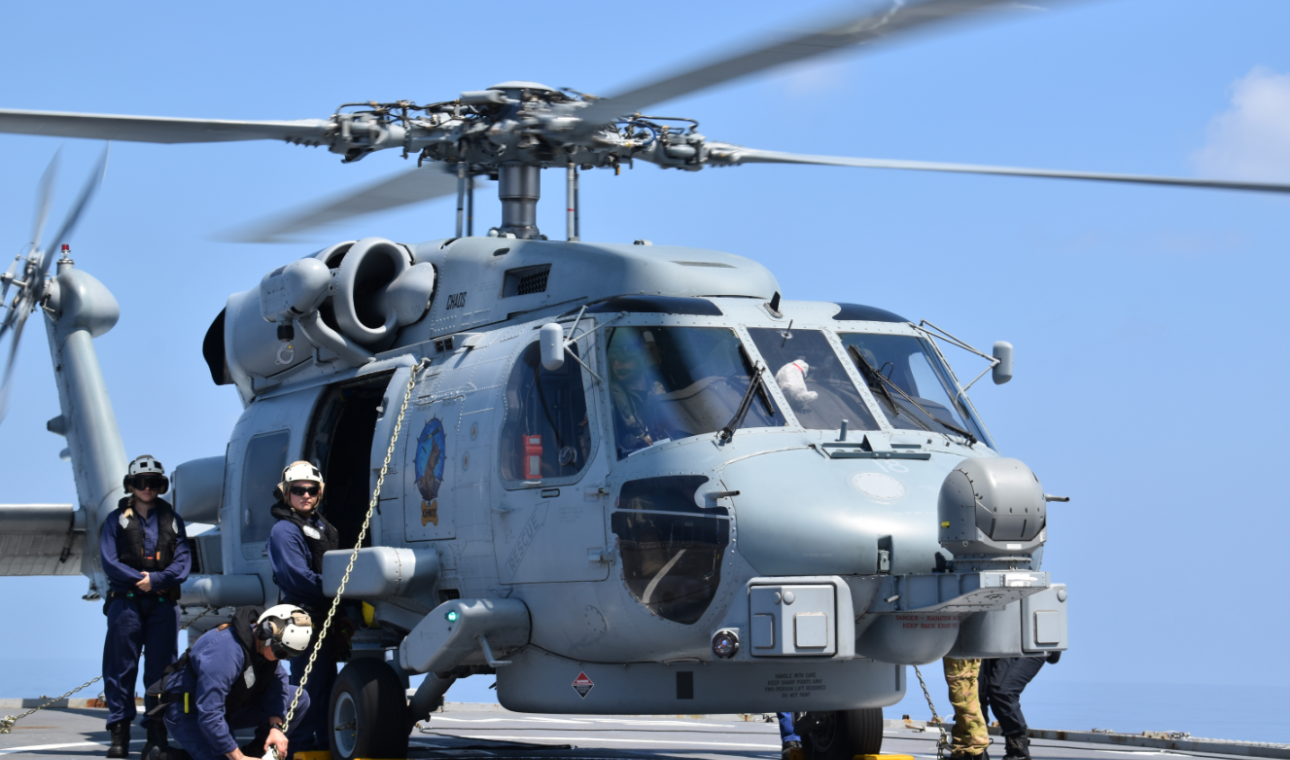
New Zealand has signed for five MH-60R Seahawk maritime helicopters. The October purchase is distinct from the NZ$1.648 billion capital programme and earlier US export approval.
-
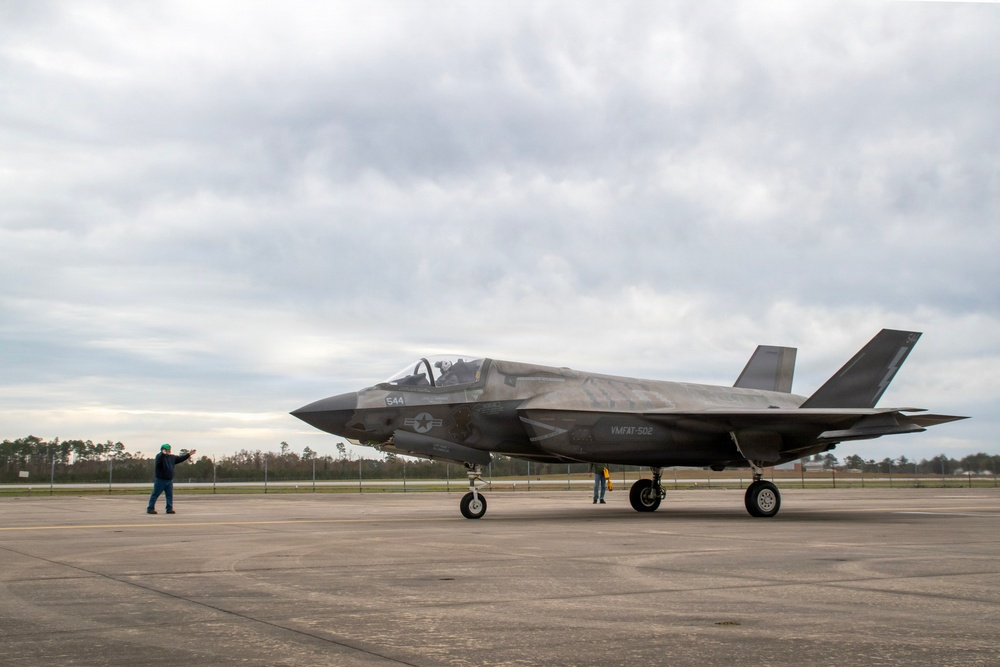
Lockheed Martin will expand F-35 integrated processor support infrastructure work. The $16.11 million Navy modification covers avionics testing, cybersecurity modernisation and specialist repair capability at two US sites through January 2029.
-
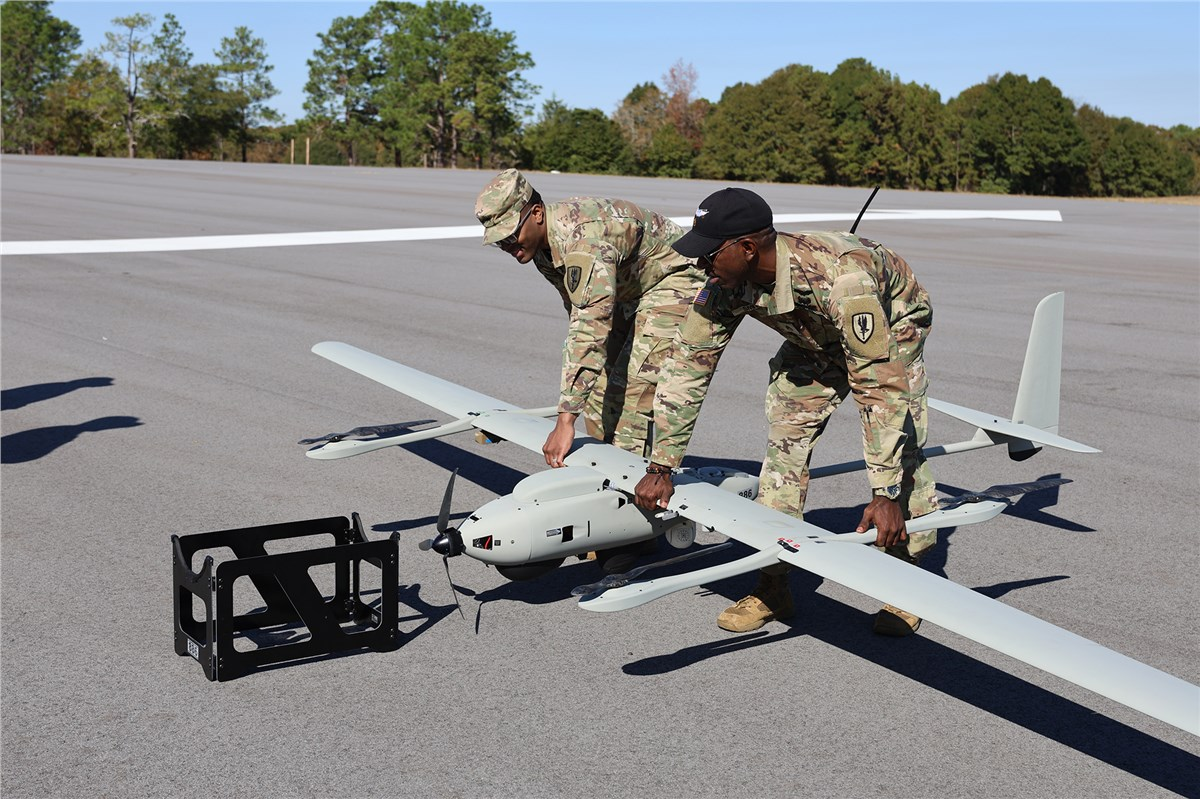
Redwire will supply Stalker aircraft for United States Guard training. Approximately $13.8 million in purchase orders supports the emerging 15X specialist role, combining drone operation and maintenance. Aircraft quantities, configurations and delivery dates remain undisclosed.
-

BAE Systems will demonstrate compact terminals for Space Force communications. The award covers space-hardened software-defined radio technology and a pointing interface, with no disclosed contract value, production quantity or delivery timetable.
-

Raytheon will modernise existing strategic radar systems for Space Force. The Ground-Based Radar Digitization programme will start with prototypes and a common architecture, but neither the initial sites nor the contract value has been disclosed.
-
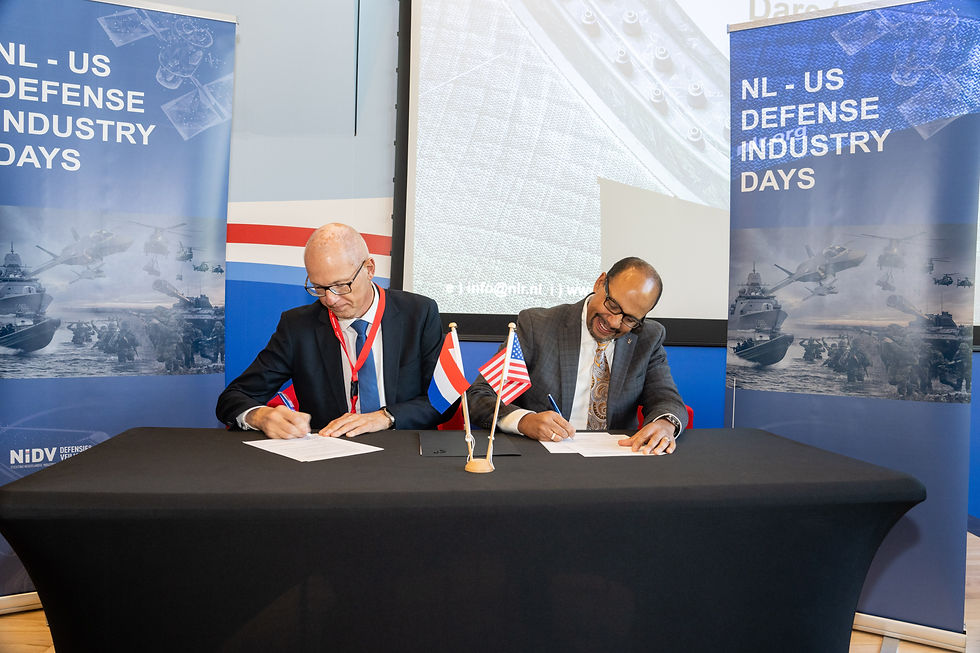
Lockheed Martin and NLR have broadened their Dutch research partnership. Four workstreams cover industrial participation, operational analysis, technology planning and uncrewed aircraft, without a new production contract.