
Aerospace
-
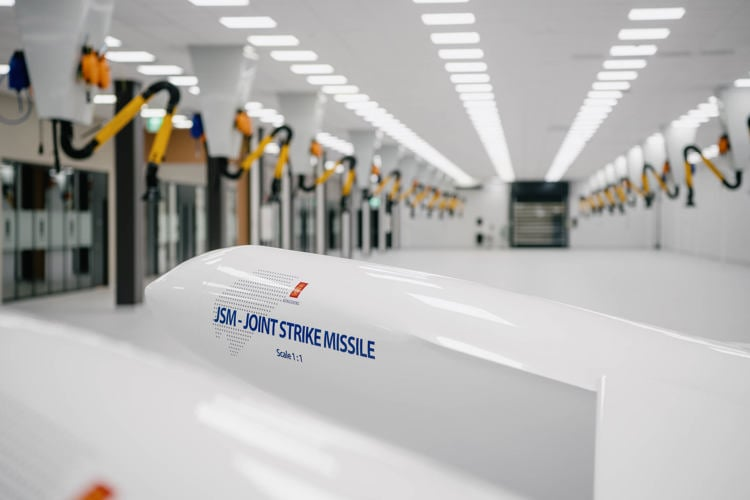
Denmark plans to equip its F-35 aircraft with Norwegian missiles. Kongsberg has confirmed the Joint Strike Missile selection, but quantities, price and delivery dates remain subject to negotiations and a signed contract.
-

Terma and Kongsberg have launched new military aircraft maintenance services. Their Danish-Norwegian joint venture, Defence Aviation Services, is developing maintenance, repair and overhaul capacity in Denmark to support Nordic and allied aircraft fleets and strengthen regional sustainment capability.
-
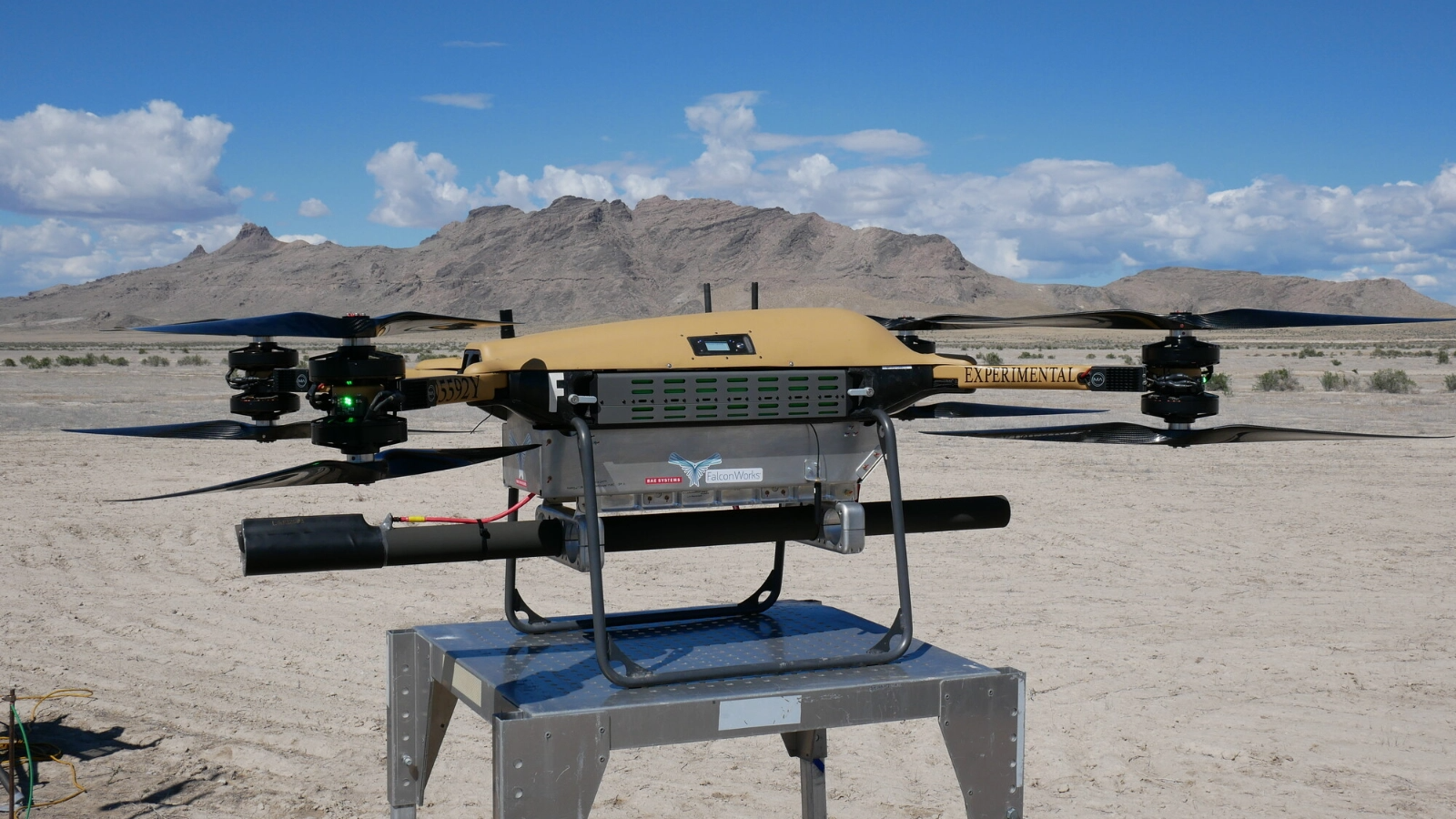
Malloy’s adapted aircraft intercepted multiple drones using laser-guided precision rockets. The modified TRV-150 carried a three-pod APKWS launcher during September trials at Eglin Air Force Base, engaging successive airborne targets without landing or reloading.
-
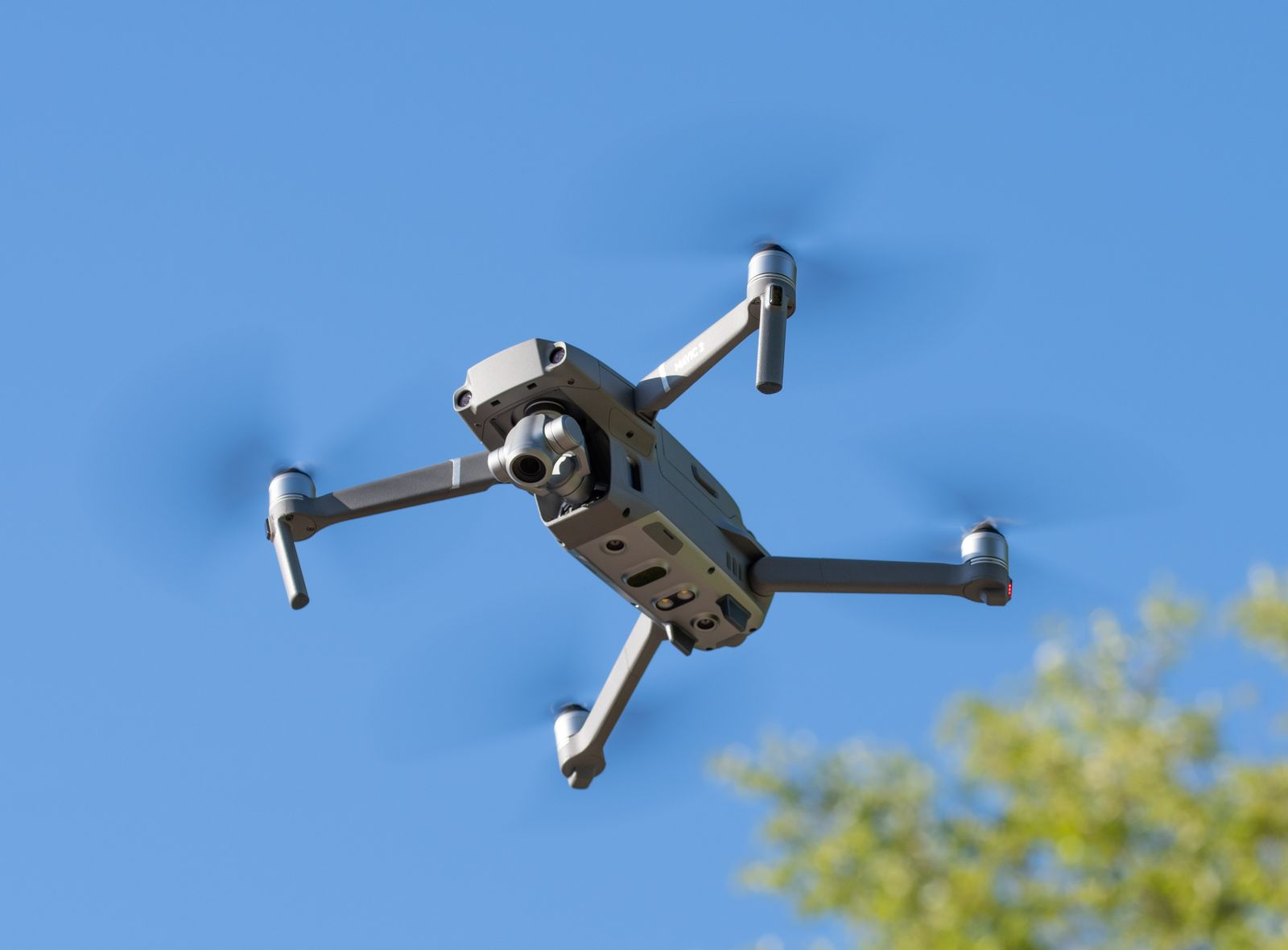
India’s Air Force has detailed unmanned systems priorities for manufacturers. Around 100 industry representatives attended a New Delhi engagement covering propulsion, autonomous software, resilient navigation and standardised interfaces, building on the service’s September capability roadmap.
-
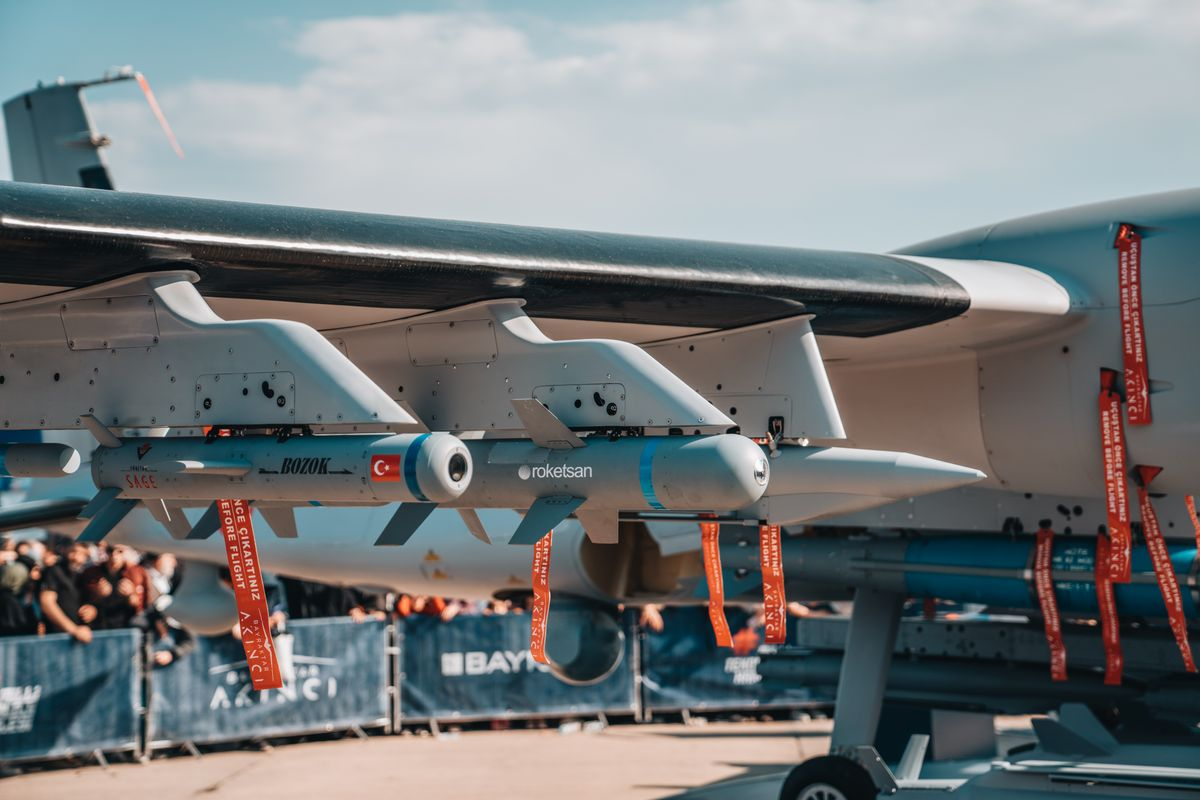
RTX has recorded major multiyear production awards for two missiles. Its third-quarter results identify Tomahawk and AMRAAM contracts as undefinitized, alongside higher Raytheon sales and defence backlog.
-

Northrop Grumman’s aerospace division reported higher quarterly sales and margins. Aeronautics Systems revenue reached $3.575 billion, supported by F-35 activity, B-21 work and B-2 sustainment.
-
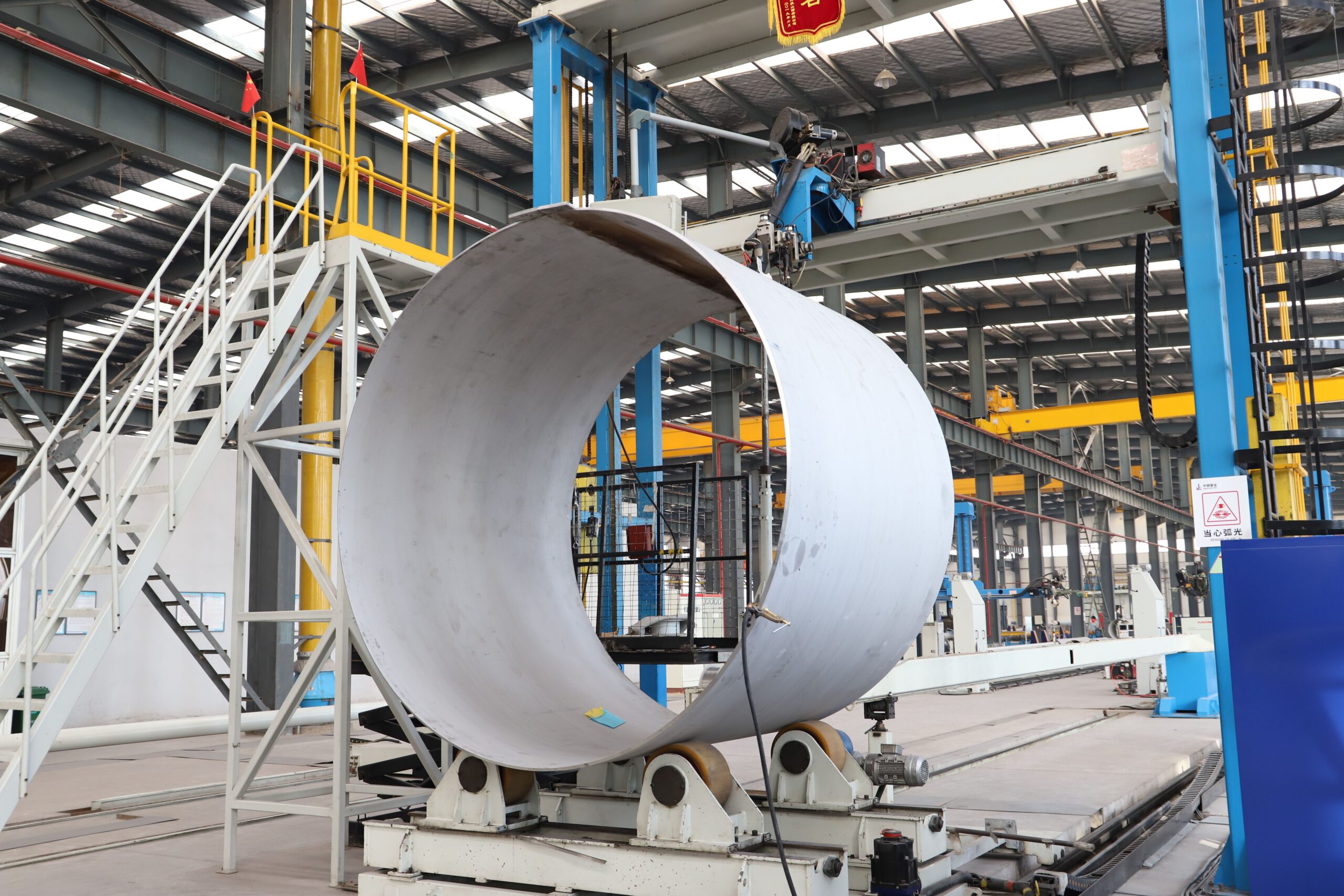
Threadlock Precision has acquired an Arizona aerospace hydraulics manufacturing business. Service & Sales adds tube bending, assembly and certified welding capability to the group’s precision manufacturing network.
-

Virtualitics has renewed Marine Corps aviation readiness software support arrangements. Six MV-22 squadrons are included initially, with a seventh expected after deployment and additional Iris capabilities planned.
-
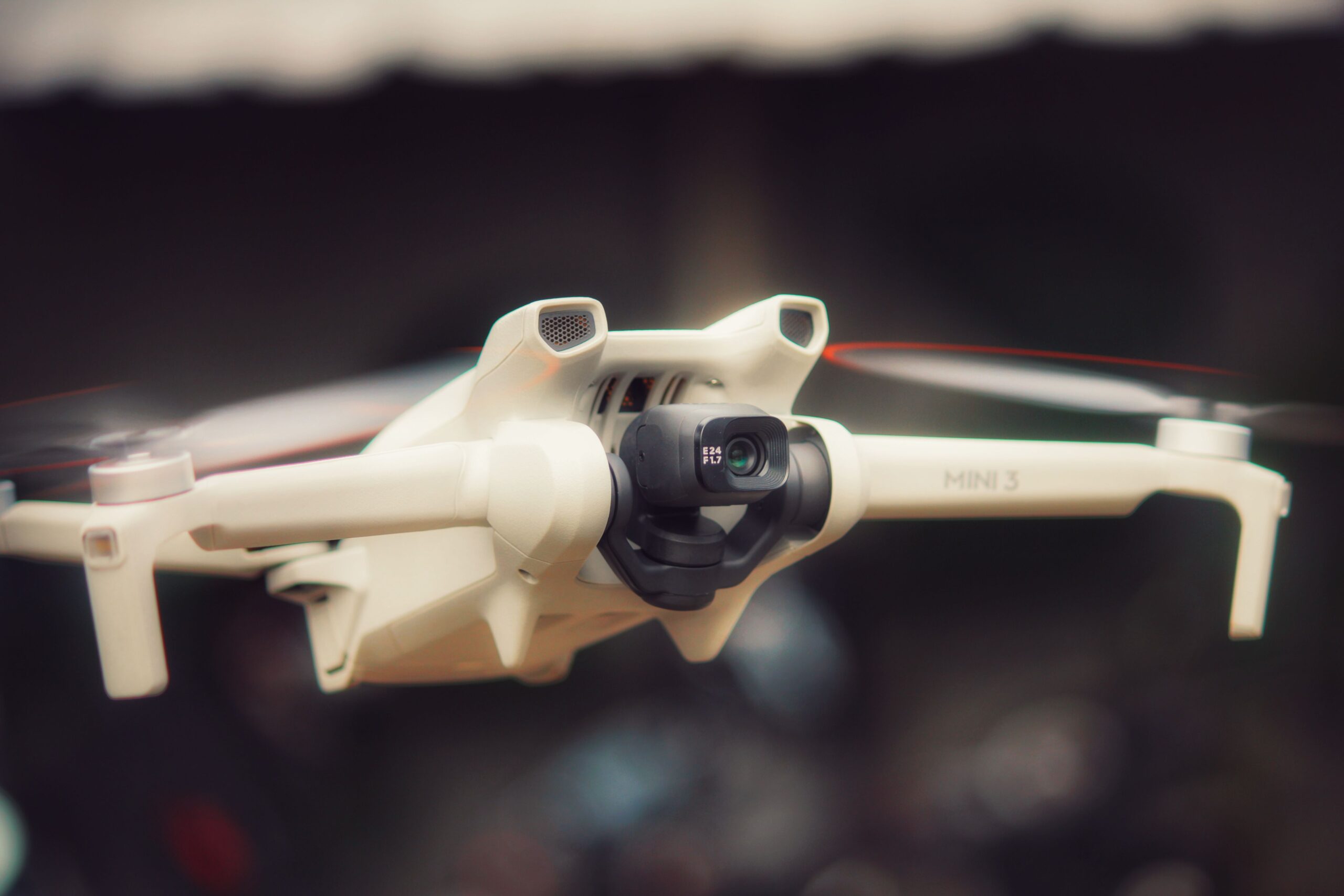
Global Ordnance and Sparkz have agreed US drone battery production. Their supply agreement initially targets 210,000 packs, with availability planned for early 2027 and full manufacturing capacity targeted for the second quarter.
-

Saab has unveiled Australian software for military space mission management. Allied Mission System combines data from multiple space surveillance sources with automated analysis and operational coordination, but no launch customer or contracted deployment has been disclosed.