
Aerospace
-

Avio USA begins construction of Virginia solid rocket motor plant. The 900,000 square foot facility is intended to add thousands of motors annually for US missile programmes from 2029.
-
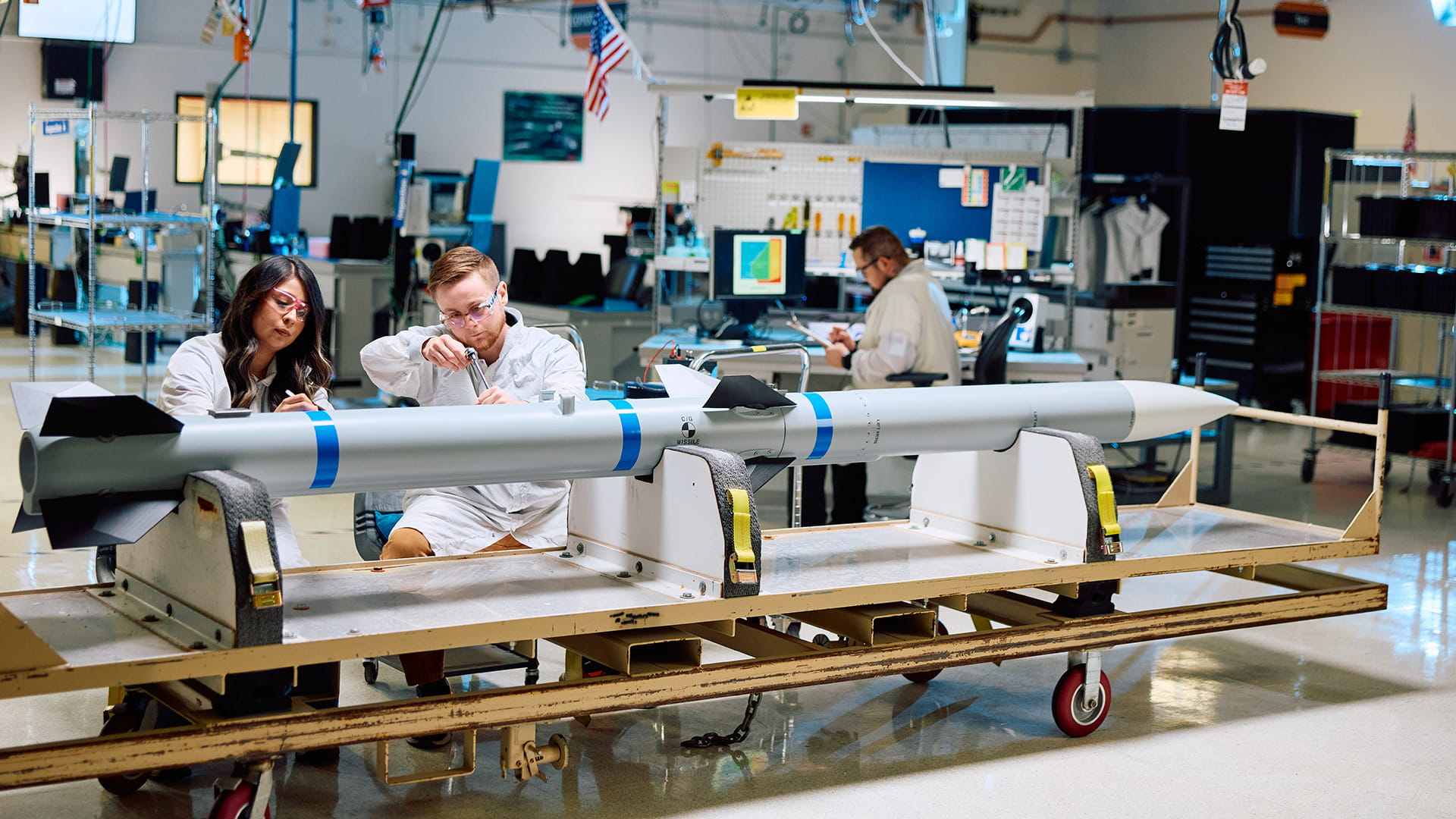
Raytheon will accelerate AMRAAM output under a $20.7bn production agreement. The multiyear framework supports at least 1,900 missiles annually as US and international demand drives capacity expansion.
-
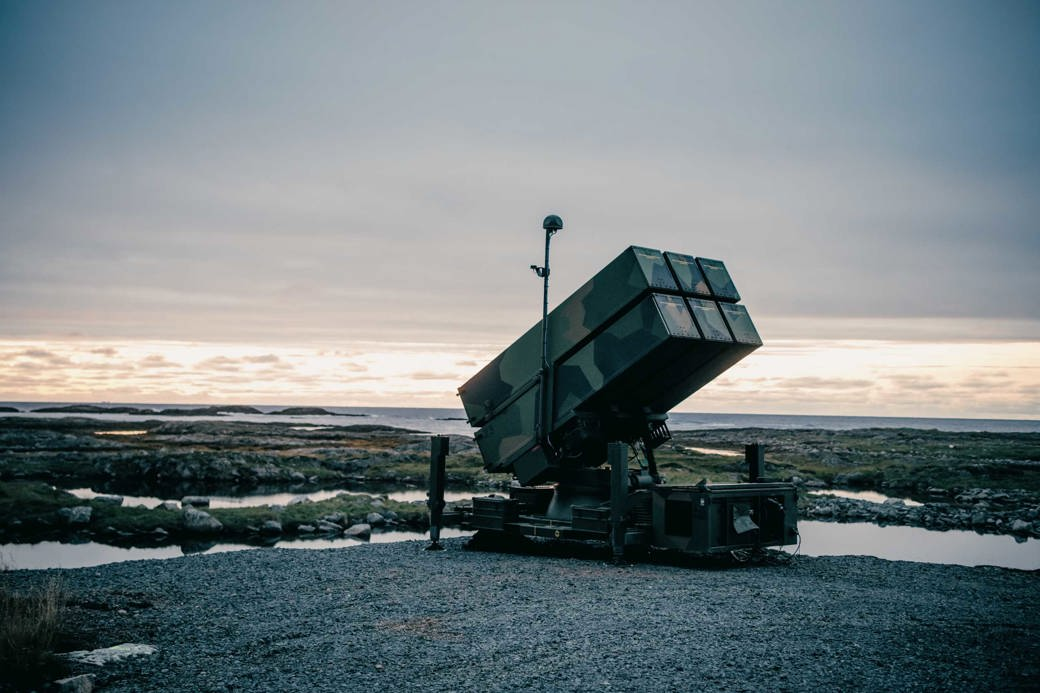
Belgium has signed a NOK10bn NASAMS air defence contract package. The acquisition converts an earlier procurement plan into a major networked ground based air defence programme.
-
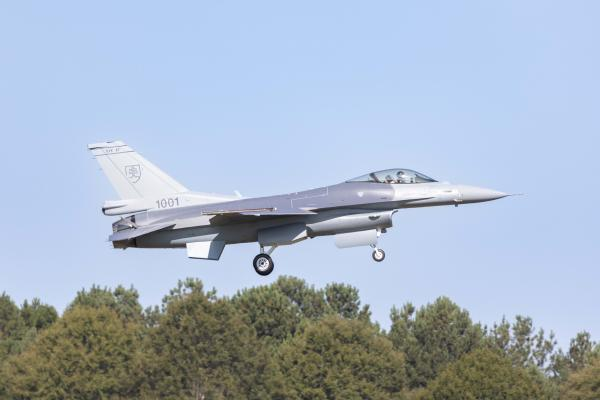
Taiwan says its F-16V programme has now reached delivery readiness. The 66-aircraft acquisition remains behind its original timetable as Lockheed Martin works through production and supply constraints.
-

Draganfly has secured a US$10 million strategic defence investment package. The funding follows new Canadian procurement activity as the drone manufacturer prepares for potentially larger production requirements.
-
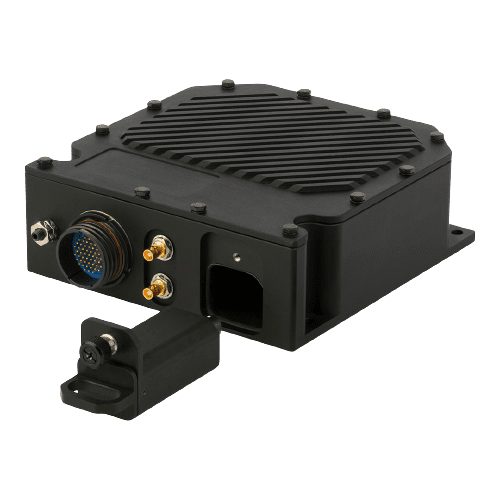
Maris-Tech has secured its largest airborne video systems contract yet. The US$10 million programme covers development and supply work across several next-generation manned defence aircraft.
-
Türkiye has inducted its first two HÜRKUŞ-II basic trainer aircraft. The 55-aircraft programme now moves from certification into serial deliveries planned through 2028.
-
Taiwan has opened a new military drone campus in Chiayi. The adjoining industrial park is intended to expand domestic production, testing, and component capacity through 2028.
-
Poland has renewed its proposal for Patriot interceptor production domestically. The latest statement revives a July offer to host US-licensed manufacturing on Polish territory.
-
Turkish pilots have begun Typhoon conversion training at RAF Coningsby. The programme starts building Türkiye’s instructor cadre four years before planned aircraft deliveries.