
Aerospace
-
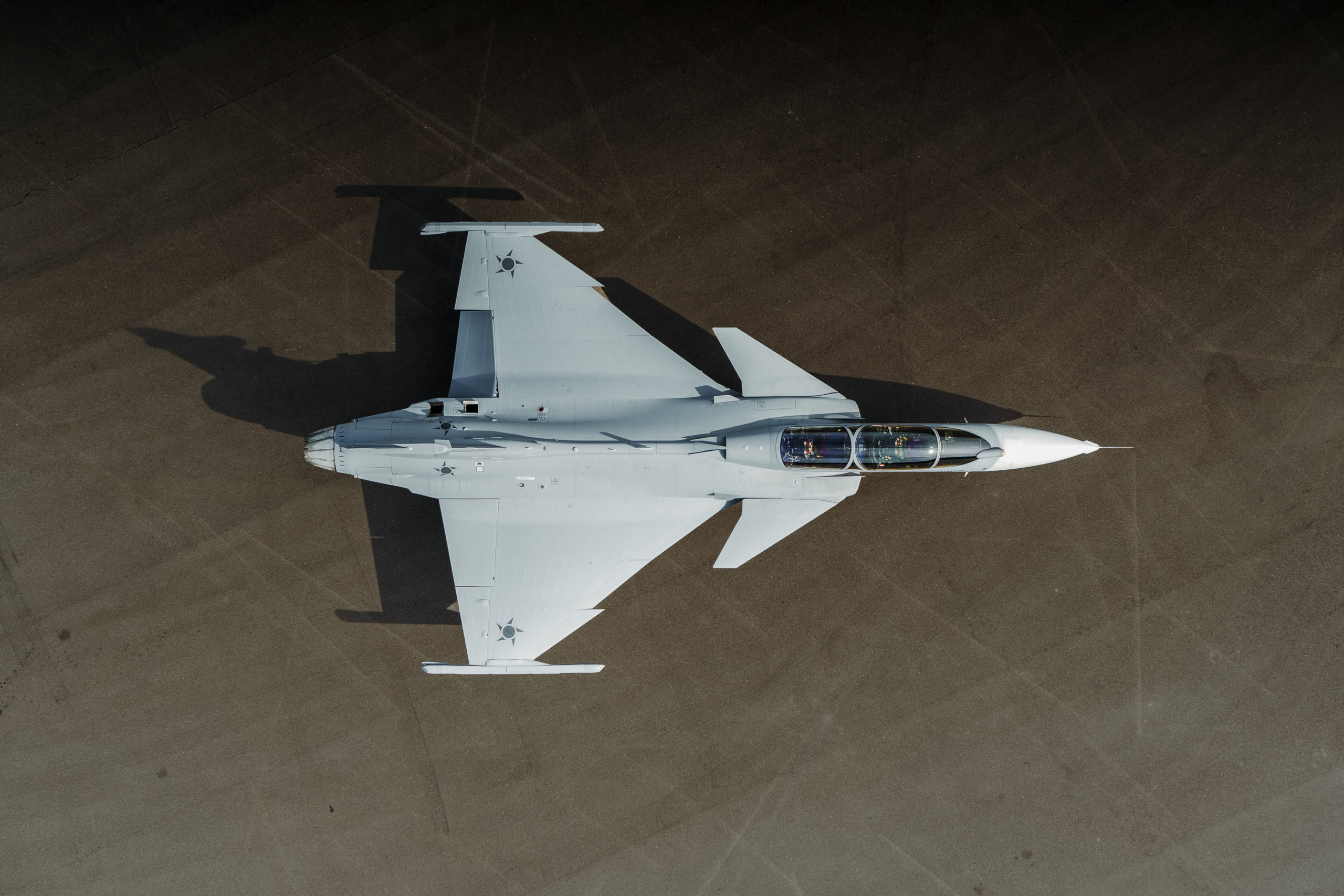
Saab has received Sweden’s SEK 1.3bn Gripen computer development order. The FMV agreement covers a replacement flight-control computer, with deliveries planned during 2030; installation dates and aircraft variants remain unspecified.
-
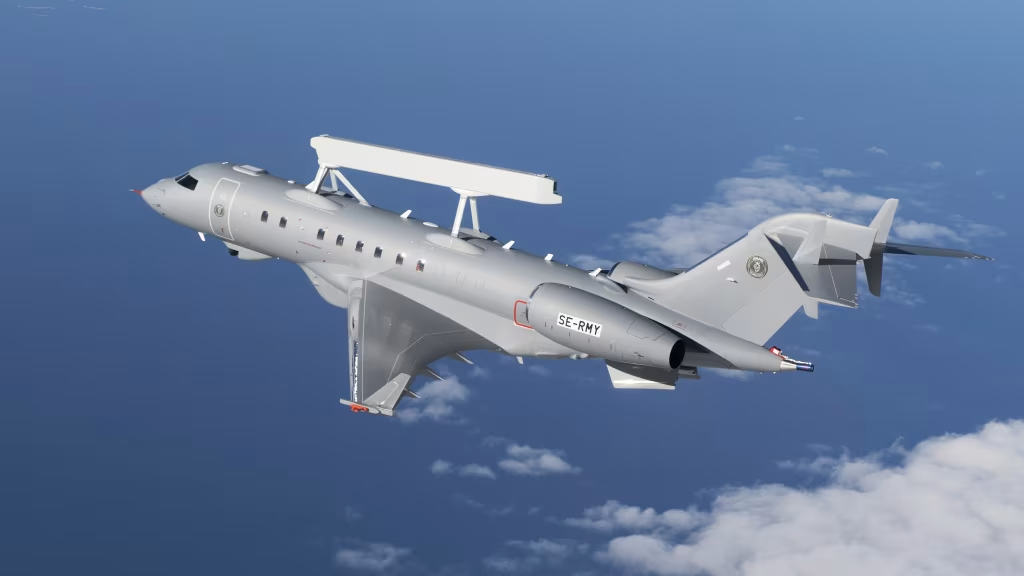
Saab has presented Sweden’s first GlobalEye airborne surveillance aircraft today. The aircraft now enters verification before its maiden flight and subsequent delivery under Sweden’s three-aircraft programme.
-
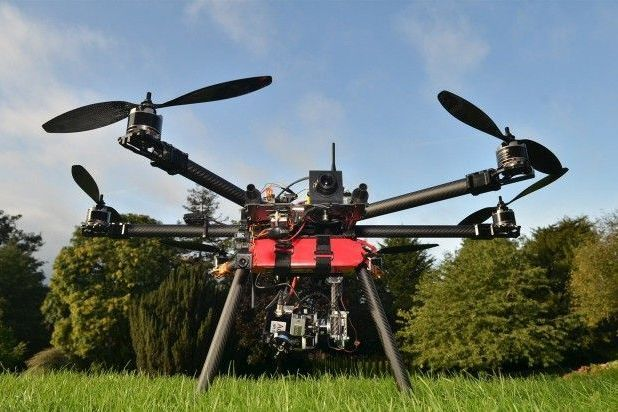
The MoD proposes new autonomous radiation mapping research with Bristol. Its planned £368,512 direct award covers UAV algorithms, source localisation and trials, with signature scheduled for November.
-
India has signed two defence procurement contracts worth ₹4,106 crore. One covers an Air Force communications satellite; the other buys ship-launched heavyweight torpedoes for the Navy.
-
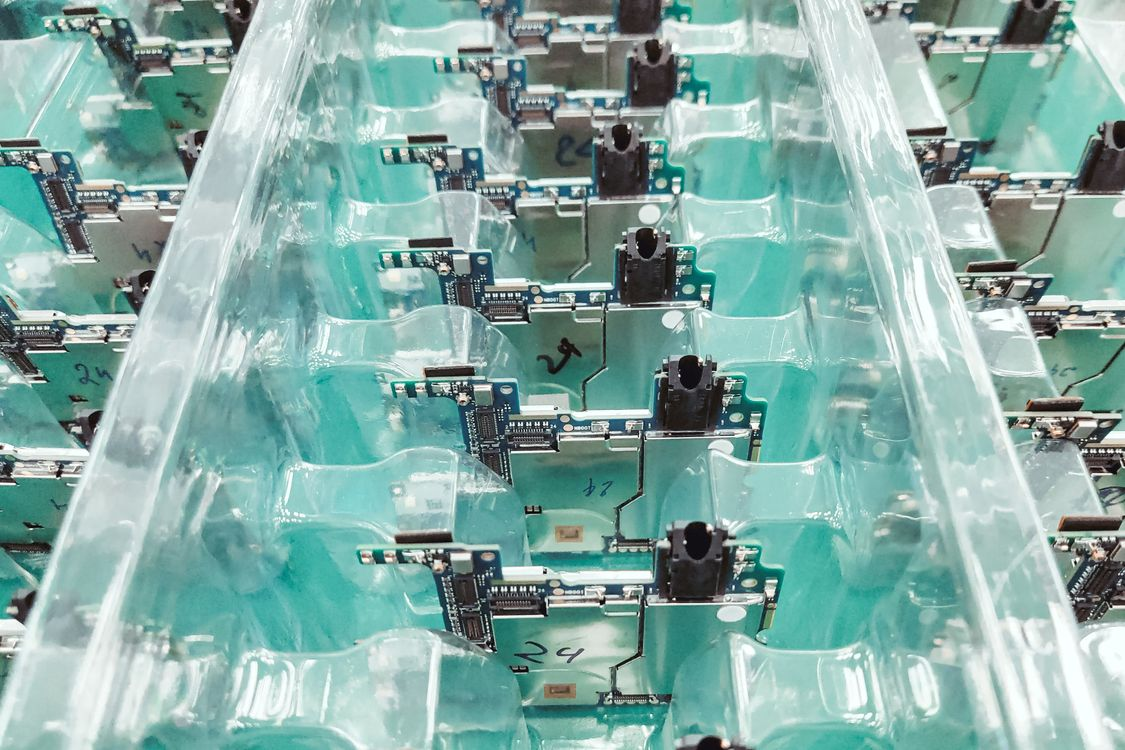
Sidus Space has reported hardware manufacturing awards across two markets. The combined third-quarter contracts and purchase orders exceed $3 million, but the company has not disclosed the defence-only value or individual customers.
-
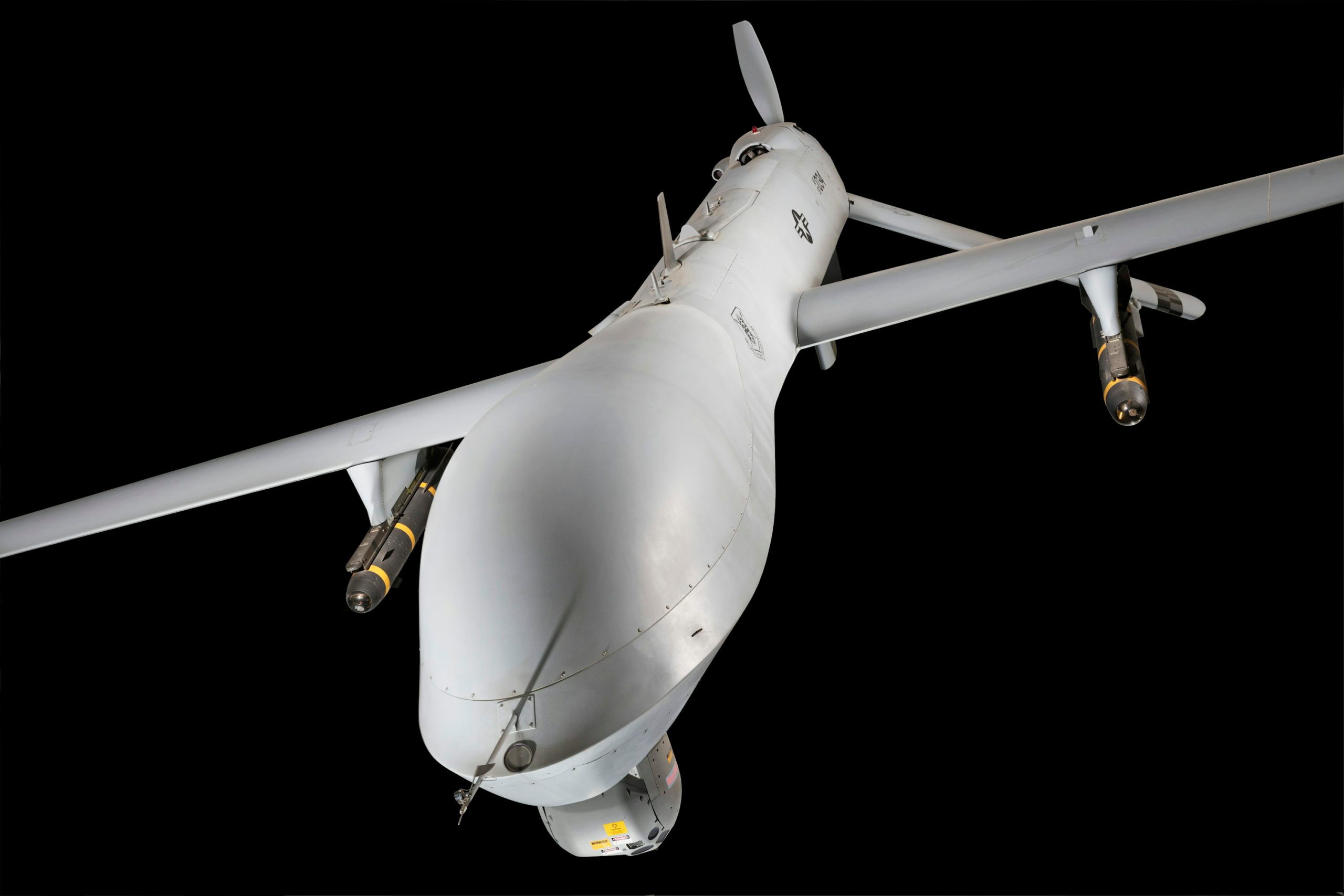
AeroVironment and Elsight are partnering on resilient uncrewed system communications. Elsight’s Halo connectivity layer is planned for Mayhem 10, combining several network types without any disclosed platform production order.
-
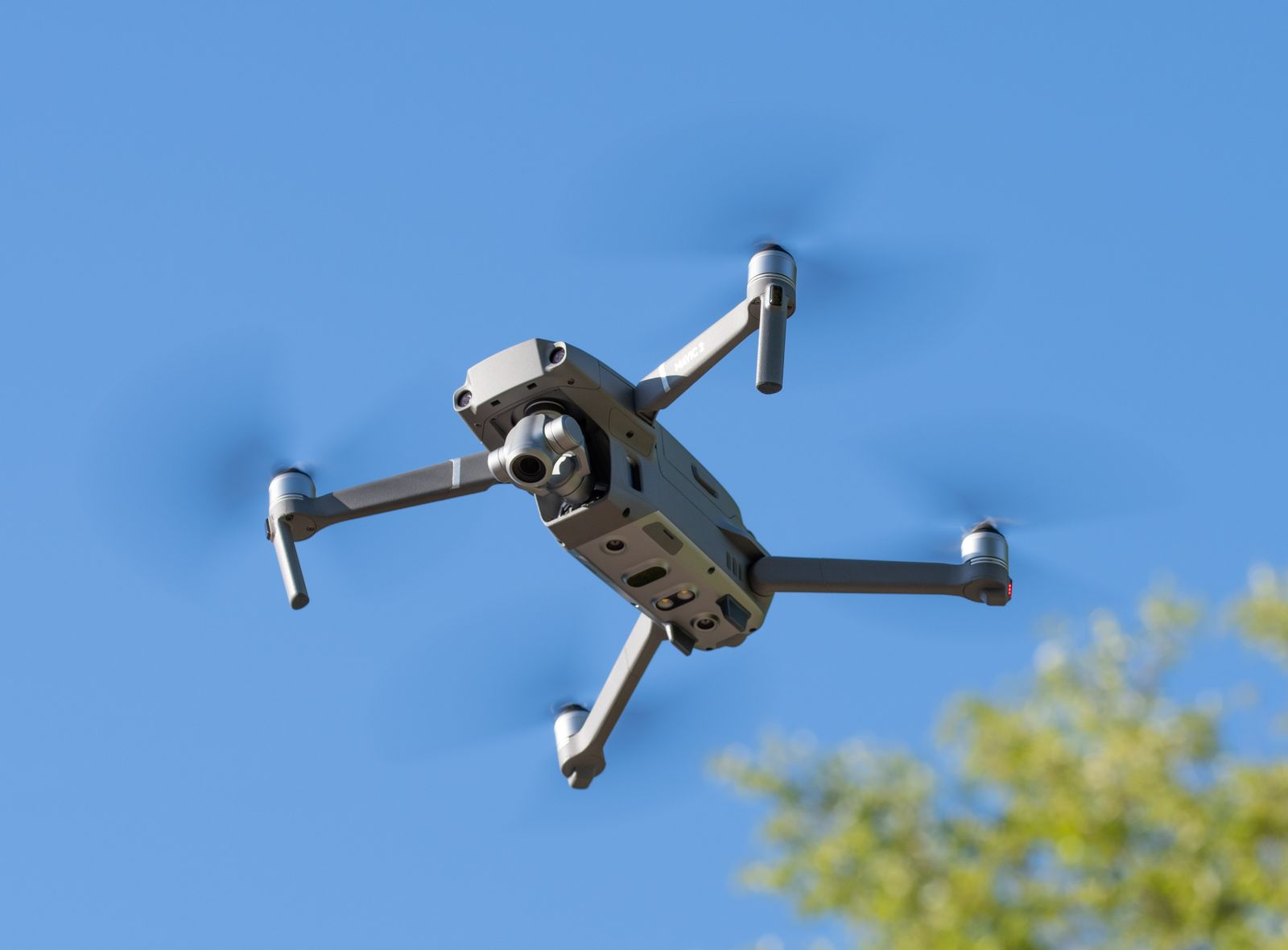
AeroVironment and Alpha propose Spanish support for JUMP 20 aircraft. Their memorandum covers possible maintenance, training and subsystem integration, but does not establish a production, support or customer delivery contract.
-

Roke has agreed a five-year supply arrangement for radar altimeters. An initial $16 million production order will begin deliveries this month, while the wider US partnership is expected to be worth at least $170 million.
-
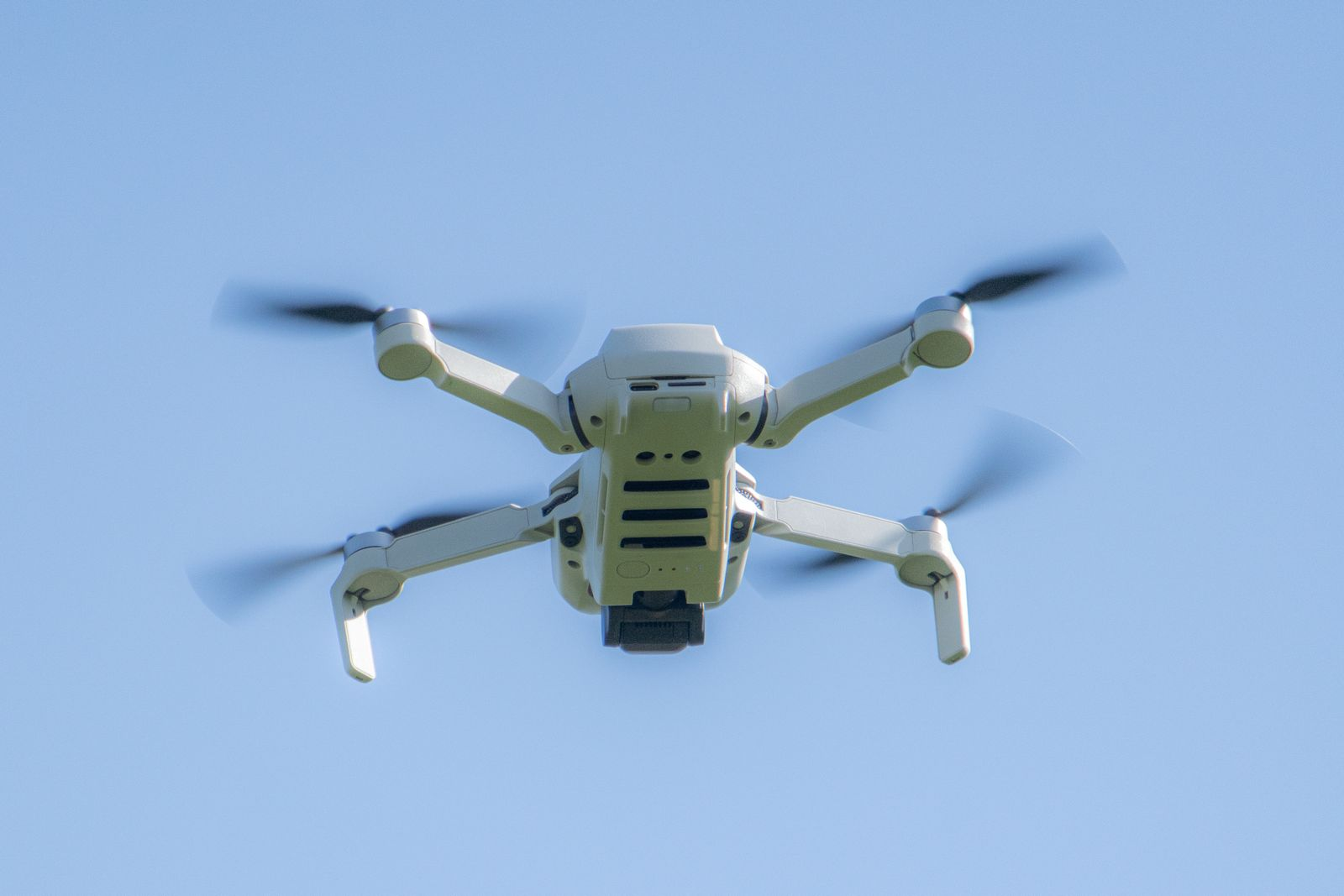
Enovix has secured a new purchase order for drone batteries. The 100,000 units will be manufactured in South Korea, with deliveries planned for the first half of 2027 and possible follow-on orders dependent on successful deployment.
-
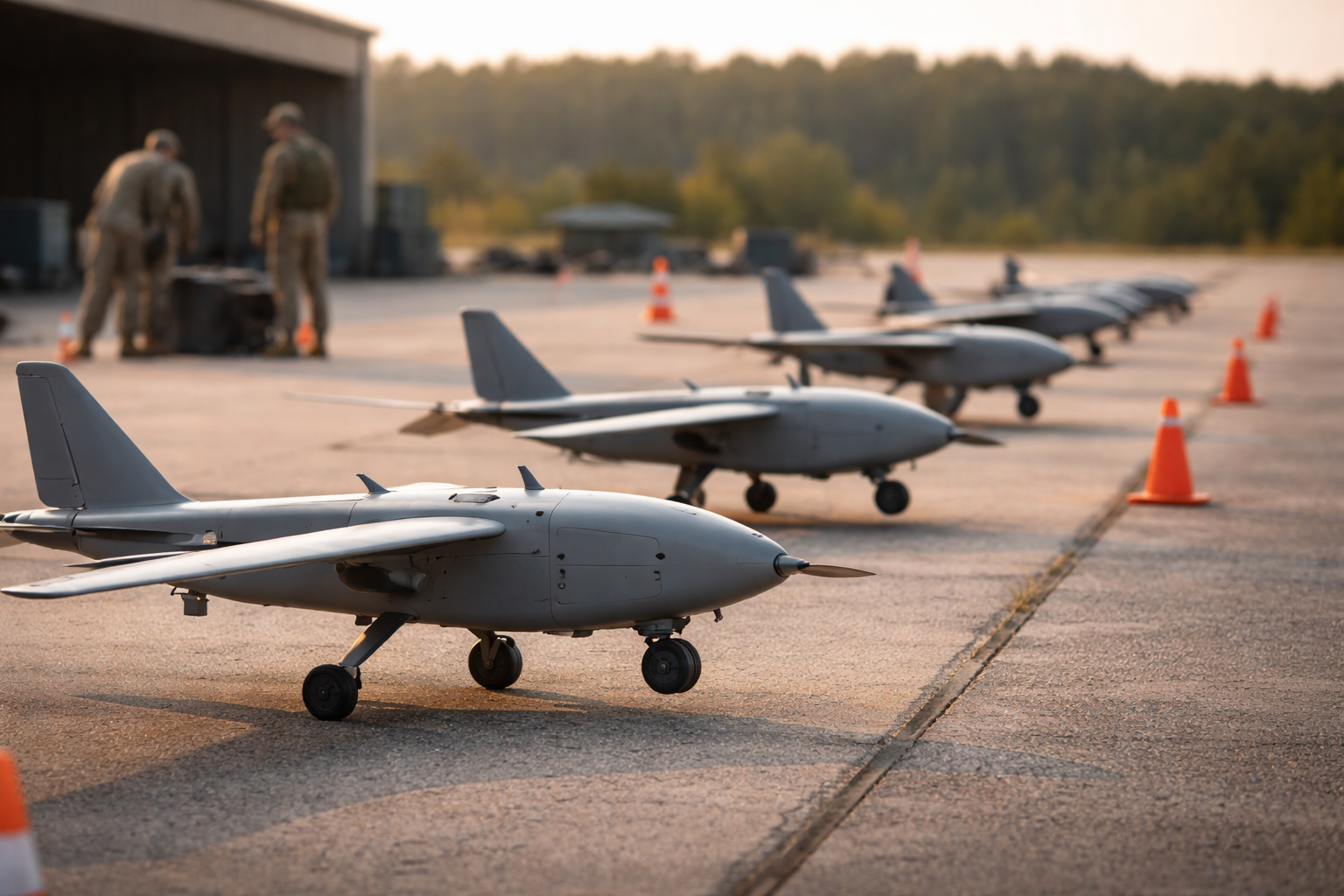
AeroVironment and Thunder Tiger are examining Taiwan-based uncrewed systems integration. Their agreement covers a possible multi-round Switchblade launcher aboard an uncrewed vessel, alongside future aircraft co-production and local engineering cooperation.