
Aerospace
-
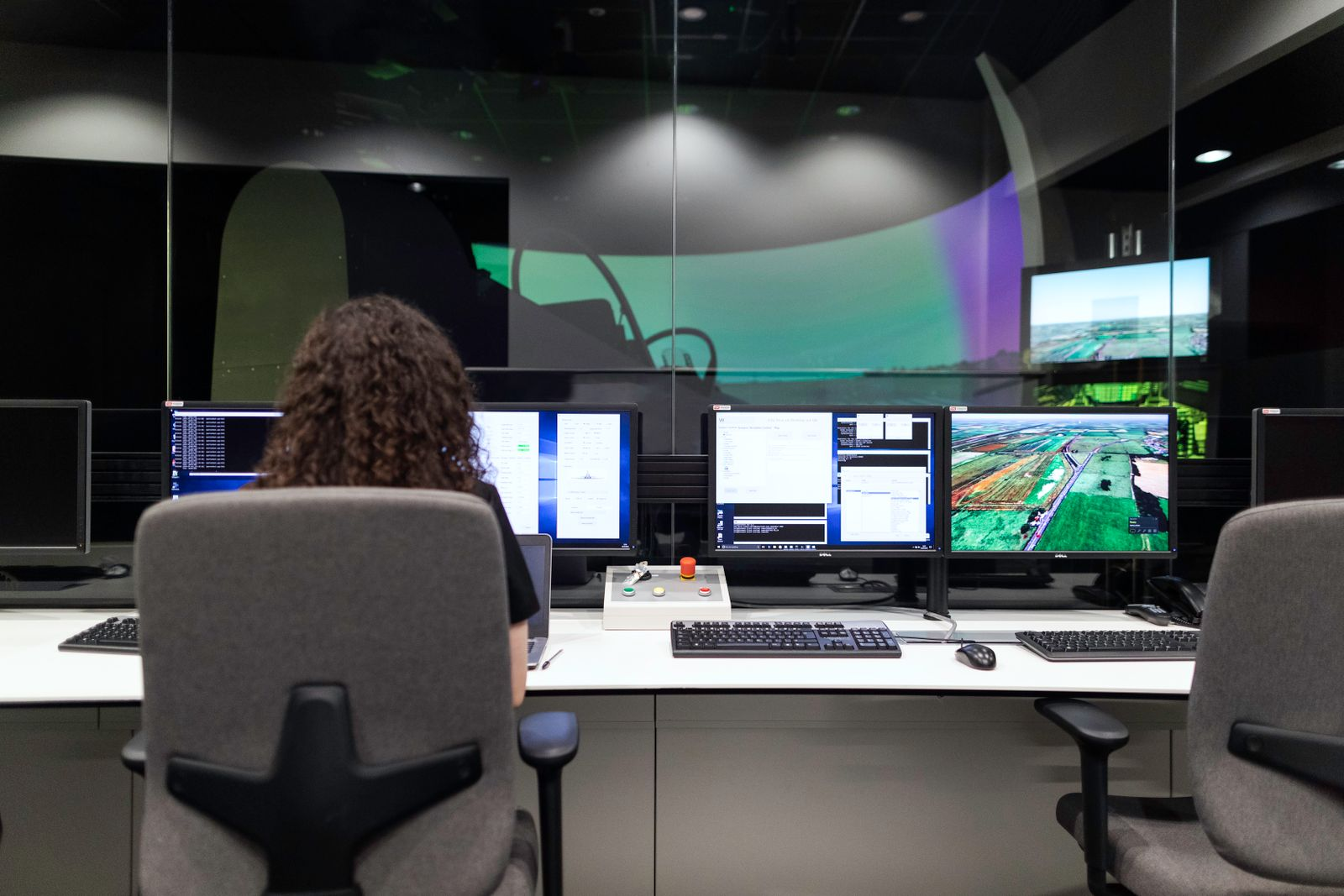
SciTec has expanded its Air Force counter-drone data integration contract. The $1.5 million extension adds new sensor feeds to its existing command-and-control data fusion system, taking the contract’s total value to $31 million.
-
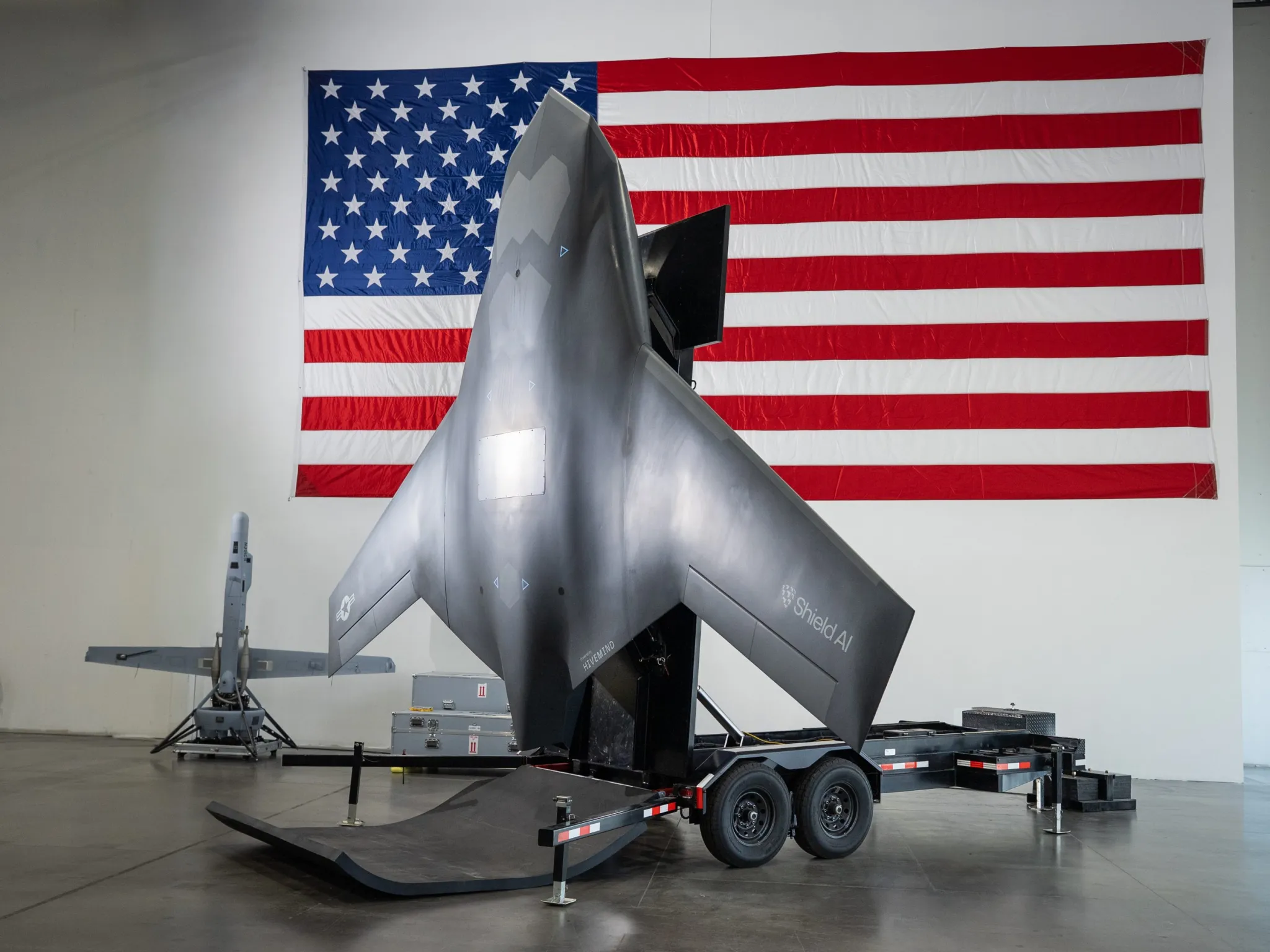
Shield AI receives additional Navy funding for X-BAT exportability development. The $150 million agreement modification is matched by company investment, bringing announced government and private commitments to $400 million ahead of planned flight testing.
-
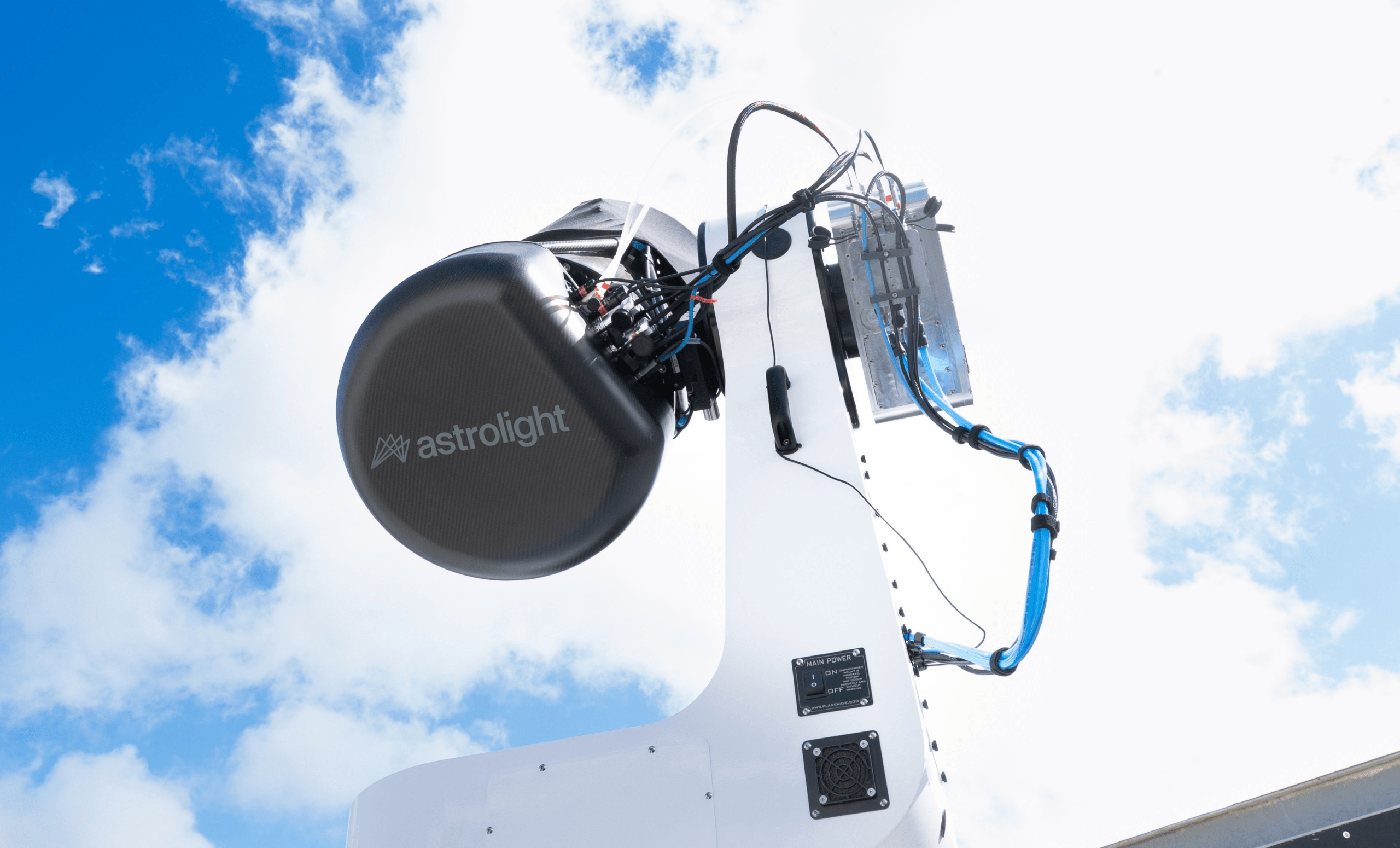
Astrolight has begun routine laser downlinks from the ERMIS-3 satellite. Its ATLAS-1 terminal is communicating autonomously with an upgraded Greek ground station at 1 Gbps, with two scheduled connections daily.
-
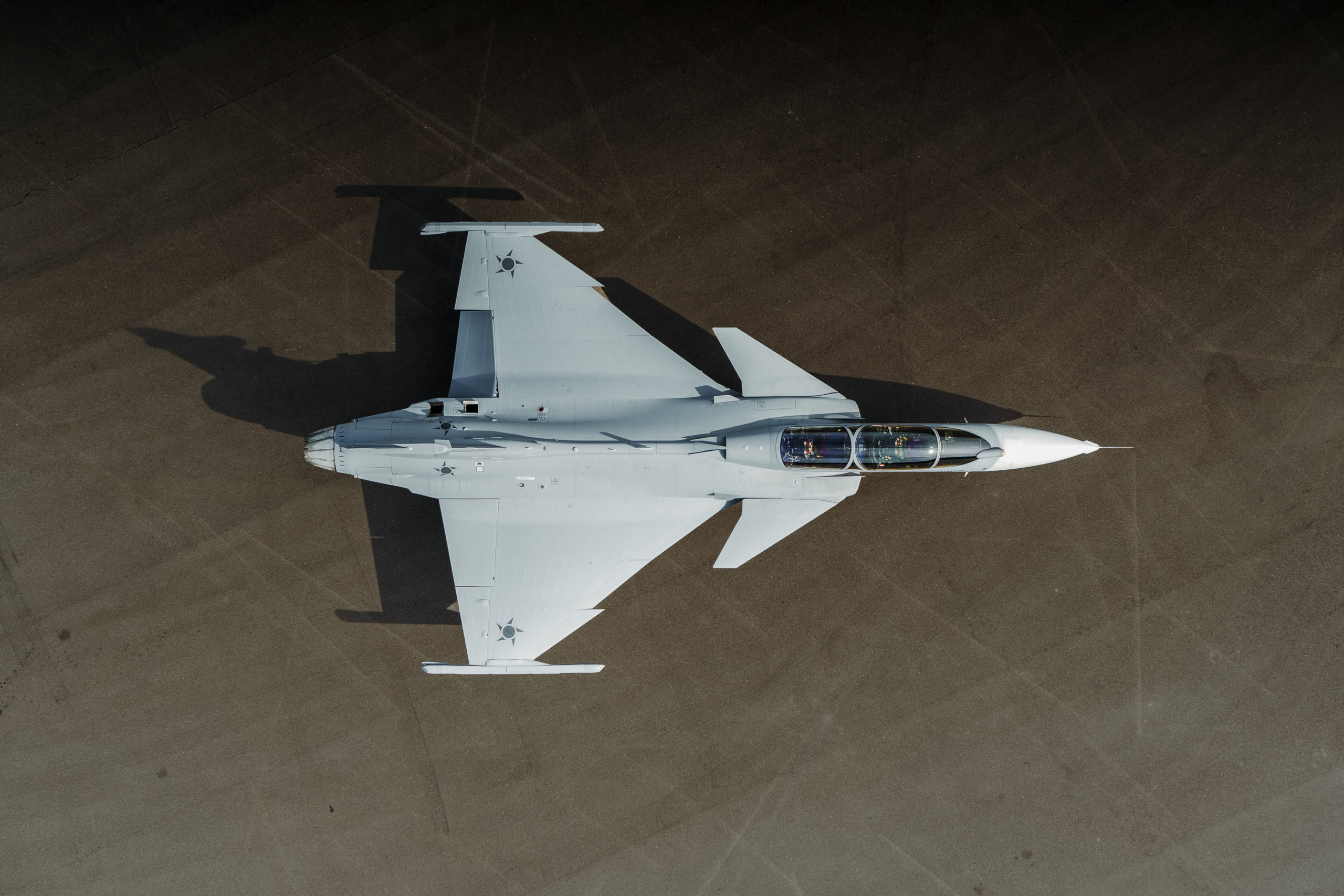
Saab and GKN Aerospace expand Sweden’s Gripen E/F engine partnership. GKN becomes Saab’s preferred engine services provider, extending an established propulsion relationship into broader technical support and international customer programmes.
-

Lockheed Martin will supply Black Hawk simulators for Philippine pilots. The package also includes maintenance training software, courseware and support through 2032, establishing additional training capability within the country.
-

Qualcomm and OKSI are moving defence autonomy onto edge processors. OMNISCIENCE has been optimised for QCS8550 hardware to run navigation, recognition and mission functions aboard uncrewed platforms.
-
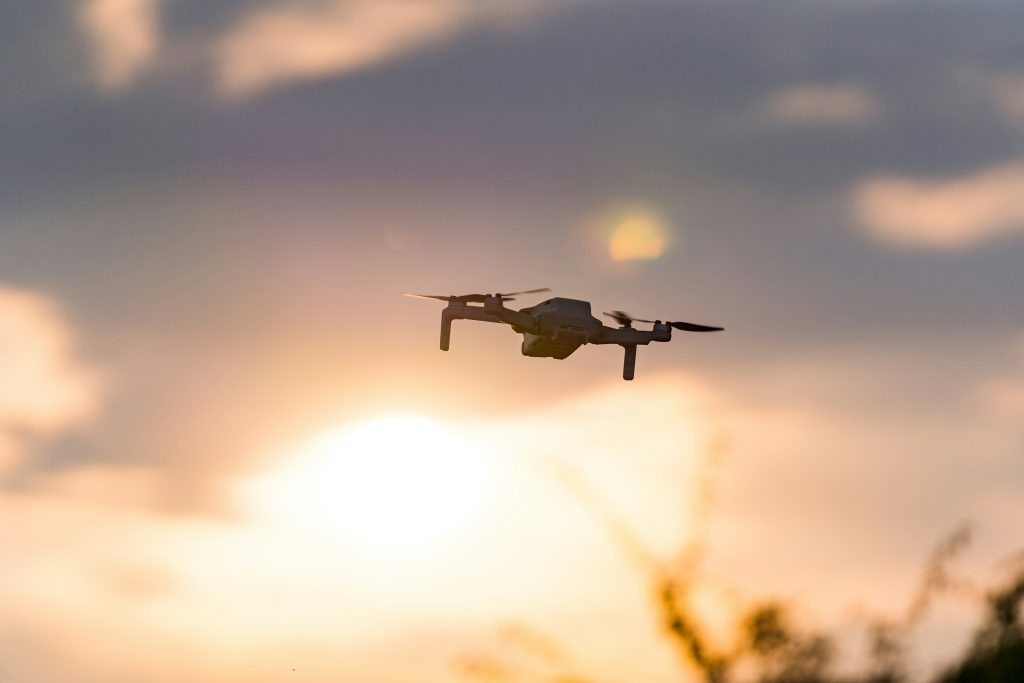
Federal, Mossberg and Palladyne are developing an airborne counter-UAS system. SwarmShot combines specialised ammunition, a lightweight weapon module and collaborative autonomy aboard reusable uncrewed aircraft.
-
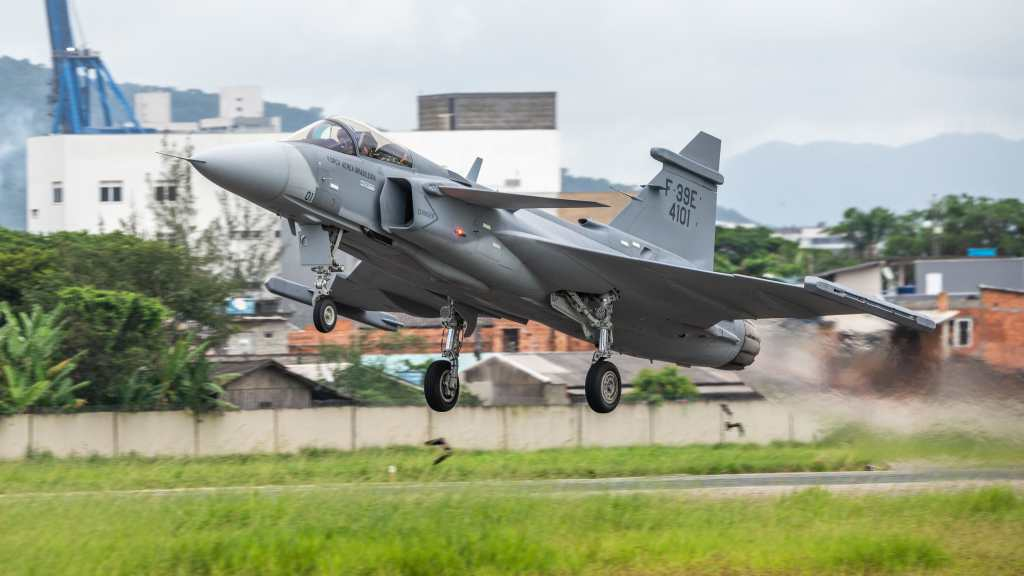
Brazil’s first locally produced Gripen E has completed maiden flight. The production acceptance sortie moves the aircraft into final manufacturing checks before certification and delivery to the Brazilian Air Force.
-
SYPAQ has launched Corvo Vipera for rapid battlefield reconnaissance missions. The compact quadcopter uses a launch tube, modular payloads and two communications options for deployment from vehicles, vessels or dismounted teams.
-
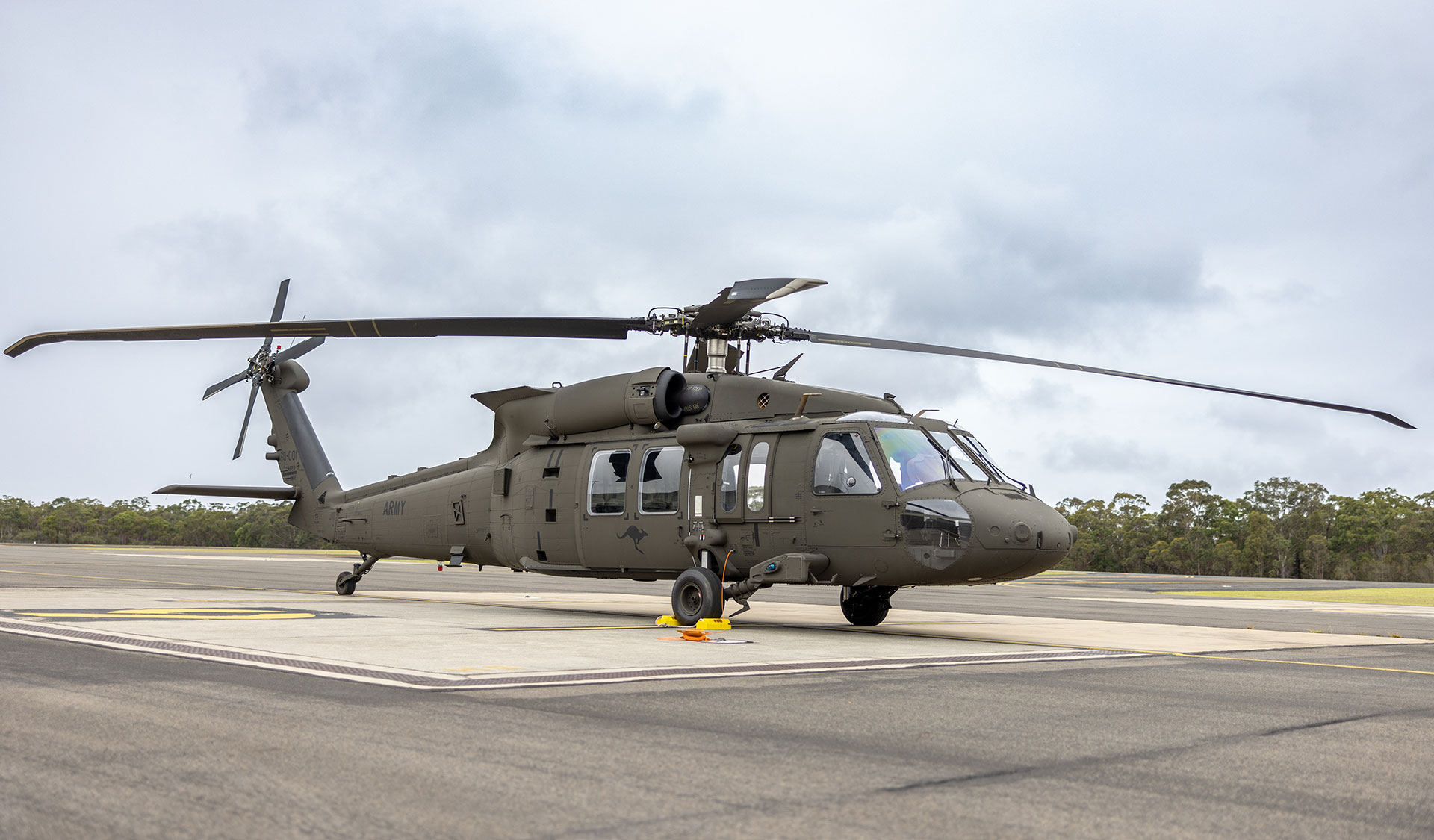
Rosebank Engineering will support Australia’s expanding Black Hawk fleet locally. The proposed agreement covers overhaul, testing, manufacturing and specialist engineering across multiple aircraft systems.