IN Brief:
- Collins Aerospace has completed the HECATE project, reaching TRL5 for a high-voltage electrical power architecture.
- Testing covered a hybrid-electric system producing more than 500 kW on Safran’s Copper Bird platform in Niort.
- The industrial value lies in proving that high-voltage distribution can move from concept work toward certifiable, manufacturable aircraft systems.
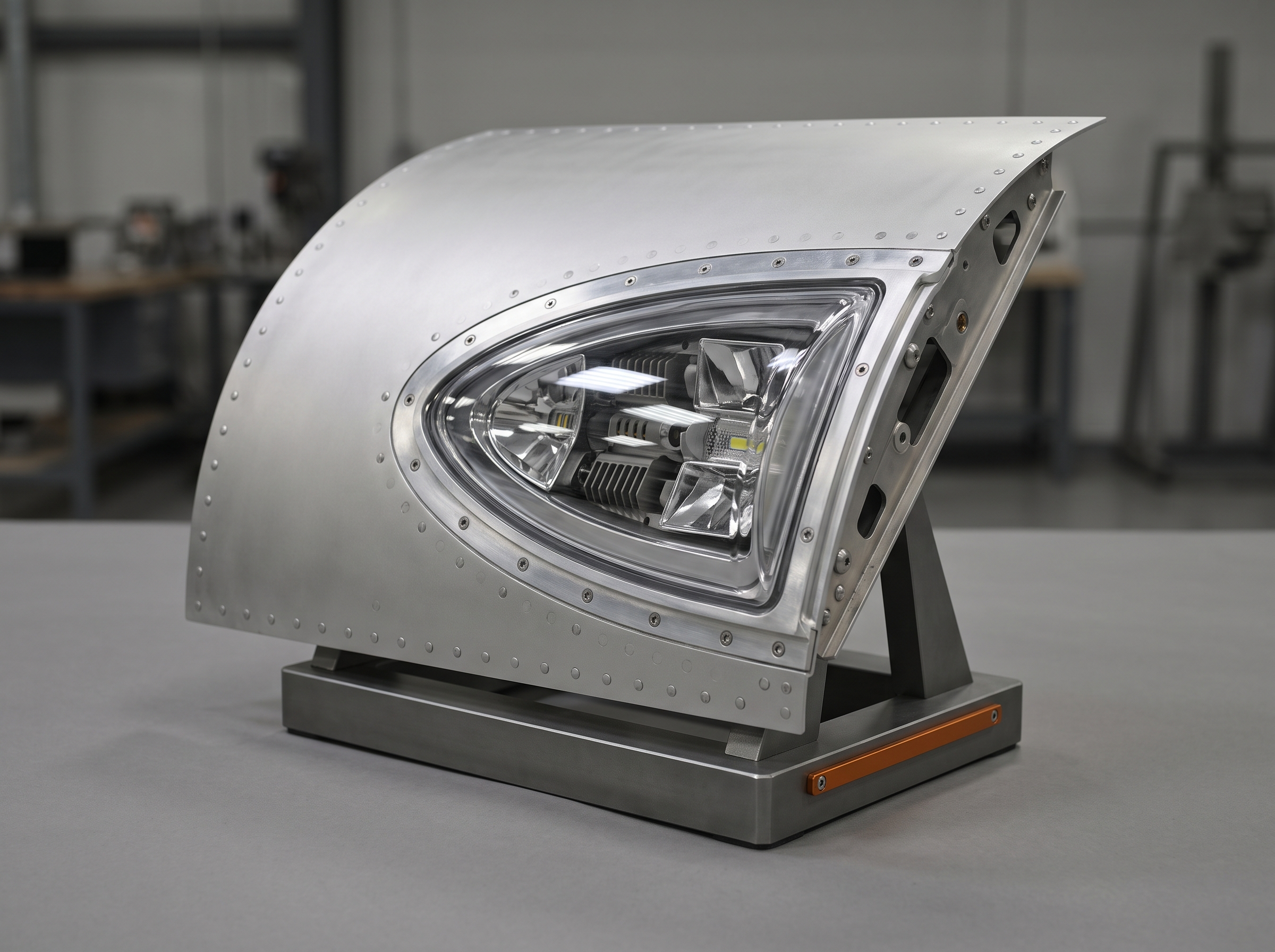
Collins Aerospace’s completion of the HECATE project is another reminder that the real bottleneck in hybrid-electric aviation is not only propulsion, but electrical architecture. Reaching Technology Readiness Level 5 for a high-voltage generation and distribution system may lack the visibility of an airframe milestone, yet without that work the rest of the aircraft remains a science project with wiring.
HECATE brought together Collins, Safran, Airbus Defence and Space, Leonardo, universities, and other European partners to validate an electrical power architecture for future hybrid-electric aircraft. More than 500 kW of hybrid-electric power was tested on Safran Electrical & Power’s Copper Bird platform in Niort, which is used to simulate and verify advanced electrical systems under controlled conditions.
That matters for defence as much as civil aerospace. High-power electrical architectures are steadily becoming relevant to surveillance aircraft, future regional mobility concepts, and mission systems that demand more onboard power without endless penalties in weight and thermal load. If air forces want more sensors, more processing, more electrified subsystems, and lower fuel burn, the distribution architecture becomes strategic.
From laboratory success to production reality
TRL5 is not certification, and it is not production. It does, however, begin to answer the awkward manufacturing questions around compactness, lightweight packaging, heat management, insulation, fault tolerance, and maintainability. High-voltage systems place new demands on connectors, conversion units, protective devices, and installation practices, all of which must be repeatable in factory conditions rather than merely functional on a rig.
That is where the programme’s industrial value sits. It gives suppliers clearer targets for component design and gives integrators a better view of what future assembly lines, qualification regimes, and maintenance ecosystems will require.
Europe is building an electrified supply chain
HECATE also shows how Europe is trying to industrialise hybrid-electric aviation through collaborative technology stacks rather than isolated prototypes. Collins is already pointing toward follow-on Clean Aviation programmes, while Safran’s role as technical coordinator reinforces how much of this market will be decided by who controls test infrastructure and integration know-how.
For defence manufacturing, the implication is clear enough. Electrification is no longer a distant add-on to aircraft design. It is becoming part of the hardware base, and the supply chain that learns to build it first will be the one shaping future platforms.