IN Brief:
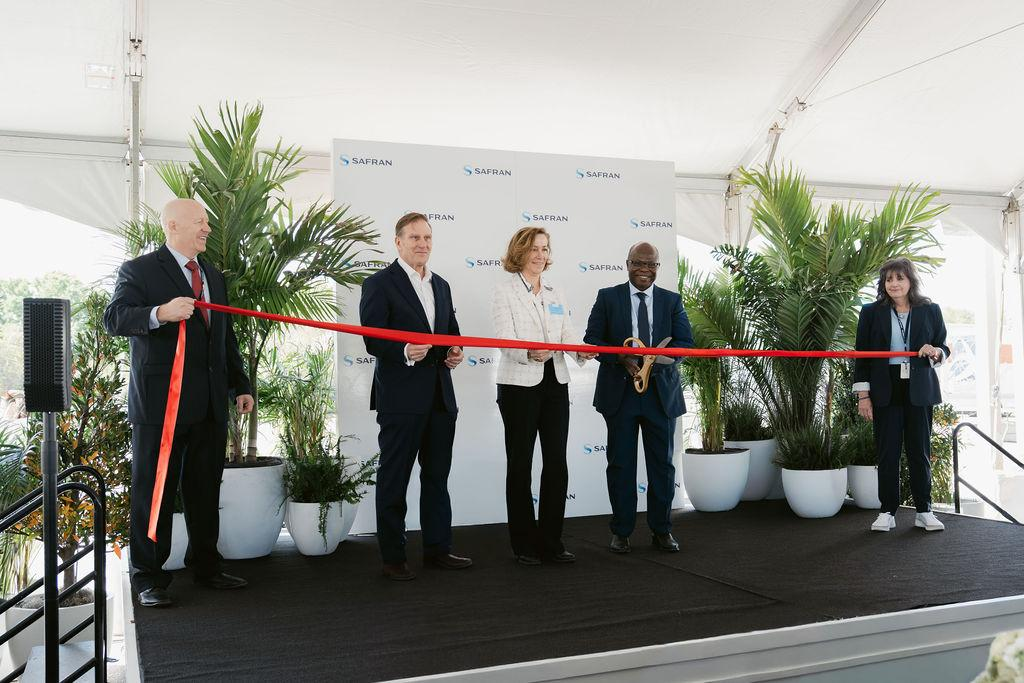
- Safran Electrical & Power has opened an expanded 140,000 sq ft facility in Sarasota, Florida.
- The site supports electrical power generation, distribution, conversion, protection, and emergency systems, while adding specialist MRO capability.
- In defence terms, the investment strengthens local sustainment capacity for increasingly electrified aircraft and related military supply chains.
Safran’s enlarged Sarasota site is not a headline about a new aircraft, but it may prove more useful than one. The 140,000 sq ft facility brings together electrical activities previously carried out in Orlando and gives Safran a broader US base for maintaining and supporting power generation, distribution, conversion, and protection systems across aerospace and defence platforms.
That expansion reflects a deeper industrial shift. Aircraft electrical systems are no longer secondary plumbing tucked behind engines and structures; they are becoming central to platform performance, survivability, and upgrade potential. As military aircraft add more sensors, more computing, more actuation, and more electrified sub-systems, the maintenance burden moves with them. Sustainment infrastructure has to follow.
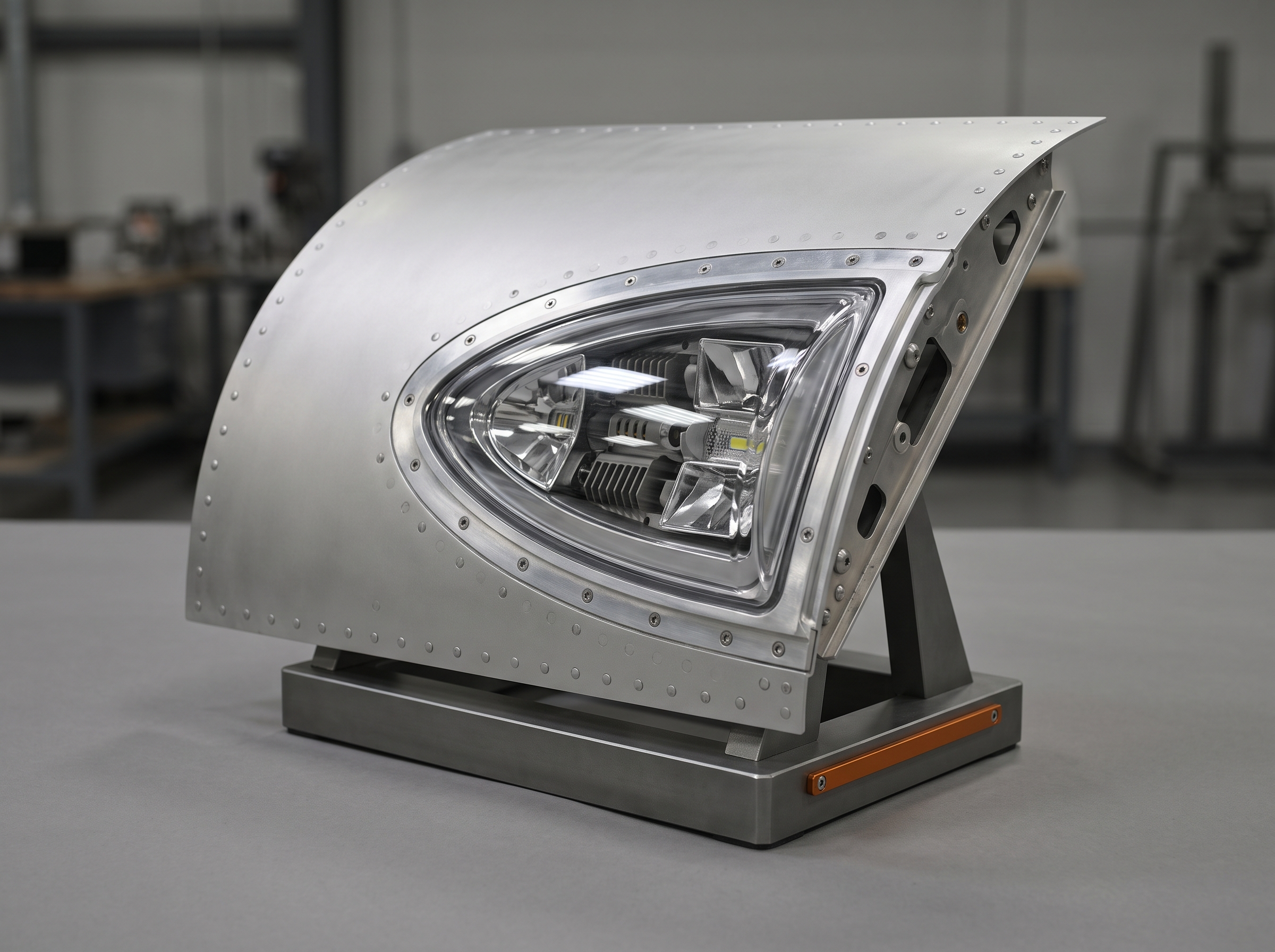
Safran says the Sarasota site now covers research, development, qualification, manufacturing, and extended maintenance support, while also handling generators, power electronics, lithium battery systems, and rotating machines. That kind of lifecycle concentration matters because defence customers increasingly want fewer handoffs between design authority, production support, and depot-level maintenance.
MRO is becoming strategic infrastructure
Military readiness is often constrained by what can be repaired quickly rather than what can be purchased expensively. Electrical systems are especially sensitive because failure points can sit inside power conversion units, control electronics, protection devices, or battery assemblies that require specialist diagnostics and approved repair pathways. Expanding MRO capacity inside the US shortens some of that loop.
It also gives Safran a stronger position in programmes where sustainment credibility counts almost as much as original equipment supply. For armed forces operating mixed fleets and long service lives, the provider that can support qualification, repairs, engineering updates, and parts continuity in one place becomes harder to replace.
The electrified aircraft base needs local depth
The industrial backdrop is straightforward. Aerospace electrification does not end once a system leaves the production line. It creates a long tail of test benches, repair capability, battery handling competence, and engineering support that has to be geographically close enough to matter.
Sarasota is part of that build-out. It strengthens Safran’s US footprint in an area of aerospace that is only going to become more critical, and it does so where defence customers are likely to value turnaround time more than rhetoric.