IN Brief:
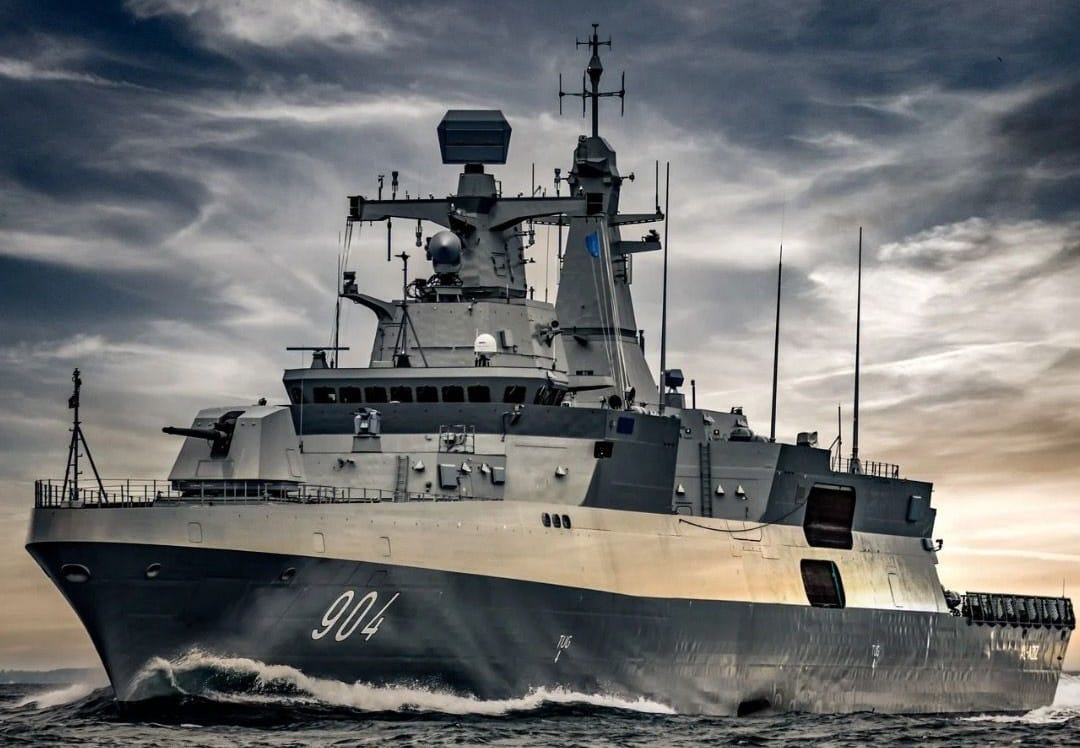
- Germany’s budget committee has approved the next phase of preparatory work for four MEKO A-200 frigates from TKMS.
- The interim step lets TKMS hold subcontractor capacity and place orders for materials, equipment, and machinery before the final build contract.
- It is a production-risk decision as much as a procurement one, aimed at protecting a 2029 delivery target while F126 troubles continue.
Germany’s decision to extend the preliminary agreement for four MEKO A-200 frigates is not just a naval procurement update. It is a clear attempt to protect industrial timing before a formal contract is ready. The Bundestag budget committee has now approved the next phase of the arrangement with TKMS, allowing the shipbuilder to continue reserving production capacity with subcontractors and suppliers and to order materials, equipment, and machinery while the final construction package is completed.
The immediate driver is well understood. Berlin wants to preserve anti-submarine warfare capability timelines while the larger F126 programme continues to struggle with delays and contractor upheaval. The MEKO route offers a lower-risk, commercially available design path that can move faster, provided the industrial base is kept warm enough to act when the full order is signed.
That is why this preliminary work matters. Naval construction does not begin on the day a final contract is announced. Long-lead steel, systems interfaces, specialist equipment, and supplier scheduling all have to be lined up earlier if the first ship is genuinely to arrive by late 2029. TKMS has said the preparatory arrangement is intended to enable that first delivery, and earlier reporting indicated the initial agreement covered up to €50m in pre-contract activity.
Germany therefore appears to be treating capacity preservation as a capability measure in its own right. That is a sensible adjustment in a shipbuilding market where yard loading, specialist labour, and supplier availability can derail schedules long before a vessel reaches formal production.
Capacity reservation is not paperwork
For defence shipbuilding, this kind of pre-order mobilisation is often the difference between a credible date and a political placeholder. Reserving subcontractor bandwidth early helps prevent critical suppliers from filling their books elsewhere, while material call-offs reduce the risk that steel, machinery, or subsystem components land too late to support block construction.
It also sends a signal to the wider industrial base. When governments are willing to spend before the headline contract, they are effectively acknowledging that naval capacity has become scarce and must be managed actively. That is a more realistic reading of the current market than assuming yards can simply accelerate on command.
A parallel frigate path changes yard loading
The broader implication is that Germany is now running a parallel maritime-industrial hedge. F126 remains important, but the MEKO A-200 path is being used to create schedule insurance against further slippage. That inevitably reshapes yard planning, supplier commitments, and the distribution of naval work inside Germany’s defence shipbuilding base.
Whether the final contract lands quickly will determine how effective that hedge becomes. For now, the important point is that Berlin is no longer treating procurement approval and production readiness as the same thing. In naval manufacturing, they rarely are.