IN Brief:
- Hanwha is pursuing a newly disclosed follow-up deal linked to Poland’s third Chunmoo execution agreement, including a licence element and long-term parts supply.
- The wider programme centres on localised production of CGR-080 guided rockets for Homar-K through Hanwha’s joint venture with WB Group.
- The industrial significance lies in building repeatable missile manufacturing capacity in Poland, not simply importing launchers and ammunition.
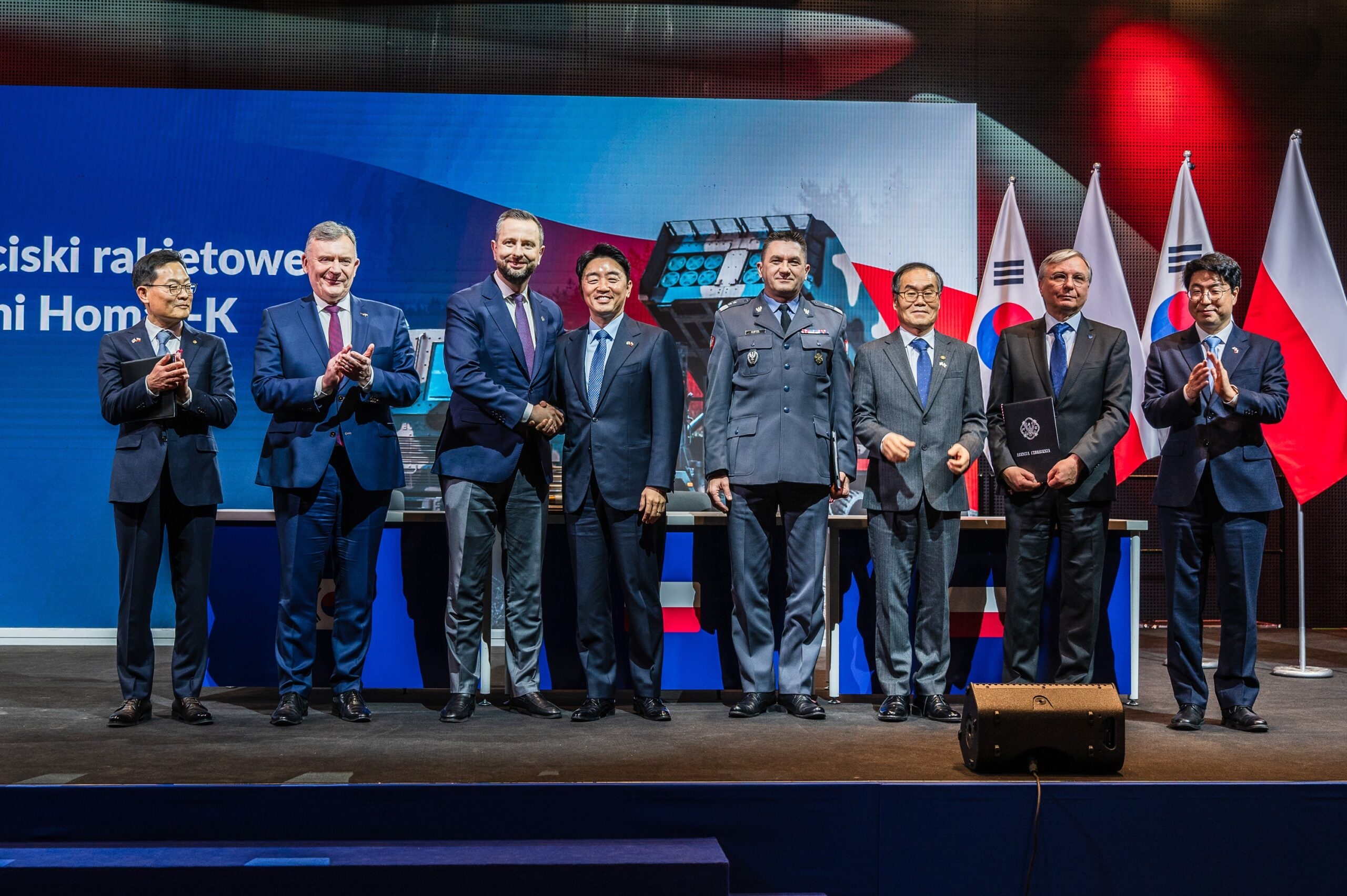
Hanwha Aerospace’s latest move in Poland looks less like a conventional export follow-on and more like the tightening of a long-term munitions industrial programme. A regulatory filing disclosed on 23 March said the company is set to sign a follow-up contract with the Polish Armament Agency tied to the third execution agreement for Chunmoo guided missiles, setting out a parts supply structure and licence package under the existing order.
The numbers are substantial. The follow-up arrangement comprises a 327 billion won licence agreement and a 1.9 trillion won parts supply agreement, running through to October 2033. That sits on top of the third Homar-K execution agreement signed in December 2025, under which Hanwha agreed to supply CGR-080 guided missiles through Hanwha WB Advanced System, its joint venture with WB Electronics in Poland.
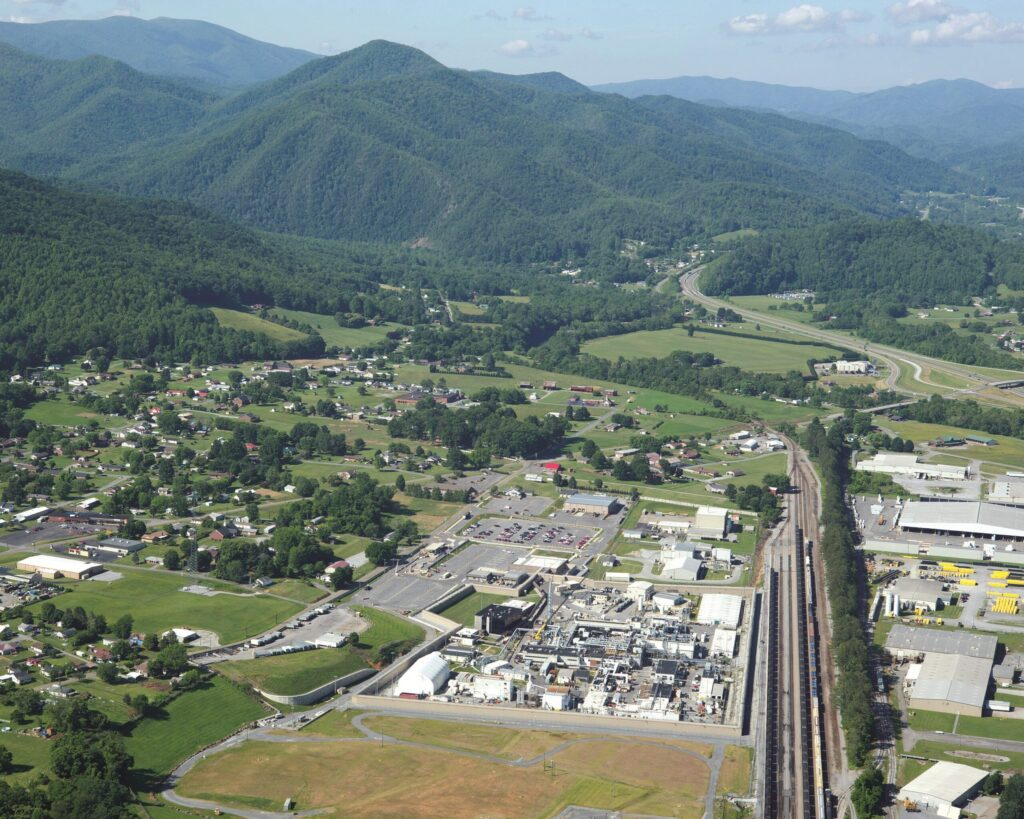
This is the important distinction. Poland is not only buying a launcher family and a stock of rockets. It is building the industrial scaffolding needed to produce that ammunition domestically over time. Earlier agreements between Hanwha and WB Group set out a phased technology-transfer model, workforce training, and a factory plan intended to ramp towards advanced serial production before the end of 2028, with around 250 skilled jobs attached.
The programme also reaches beyond a single bilateral deal. Hanwha has already widened the Chunmoo user base in Europe, including a February 2026 contract with Norway. That matters because every additional operator improves the case for shared logistics, common training, and regional supply support, giving Poland’s future rocket production base a broader NATO context.
What local missile production really means
Licensed rocket production is often presented as a political shorthand for sovereignty, but the industrial burden is heavier than that language suggests. Guided rockets require precise manufacture of motor sections, warhead assemblies, structural casings, guidance components, and quality-assured integration processes, all while keeping safety, energetics handling, and traceability under tight control. A production line can be announced relatively quickly; a dependable output rhythm takes longer.
For Poland, the advantage is that the programme appears designed around staged localisation rather than a symbolic final-assembly exercise. Hanwha and WB have already outlined certified quality systems, structured training, and co-development work on future rocket types. That implies a manufacturing base with some engineering depth, not simply a local badge applied to imported kits.
Why Europe is watching
The European defence market is under pressure to expand munitions output faster, shorten delivery schedules, and reduce dependence on distant supply chains. That has created an opening for Asian defence manufacturers able to pair proven systems with transfer packages and factory plans. Hanwha has been particularly aggressive on that front, and Poland has become one of the clearest test cases.
The follow-up deal now being pursued sharpens that picture. It suggests the Homar-K programme is moving into the less visible but more consequential phase of defence industrial cooperation — licensing, component flow, production engineering, and the long work of building a missile plant that can keep turning out rounds years after the signing ceremony has ended. For Poland, that is where rearmament starts to look like industrial policy. For Hanwha, it is how a platform export becomes a European manufacturing foothold.