IN Brief:
- L3Harris has started high-volume VAMPIRE production in Huntsville, Alabama, as demand for counter-drone systems grows.
- The line is built around flexible assembly, testing, and installation for vehicle-mounted and containerised configurations.
- Counter-UAS demand is increasingly turning modular battlefield systems into repeatable manufacturing programmes rather than small-batch integrations.
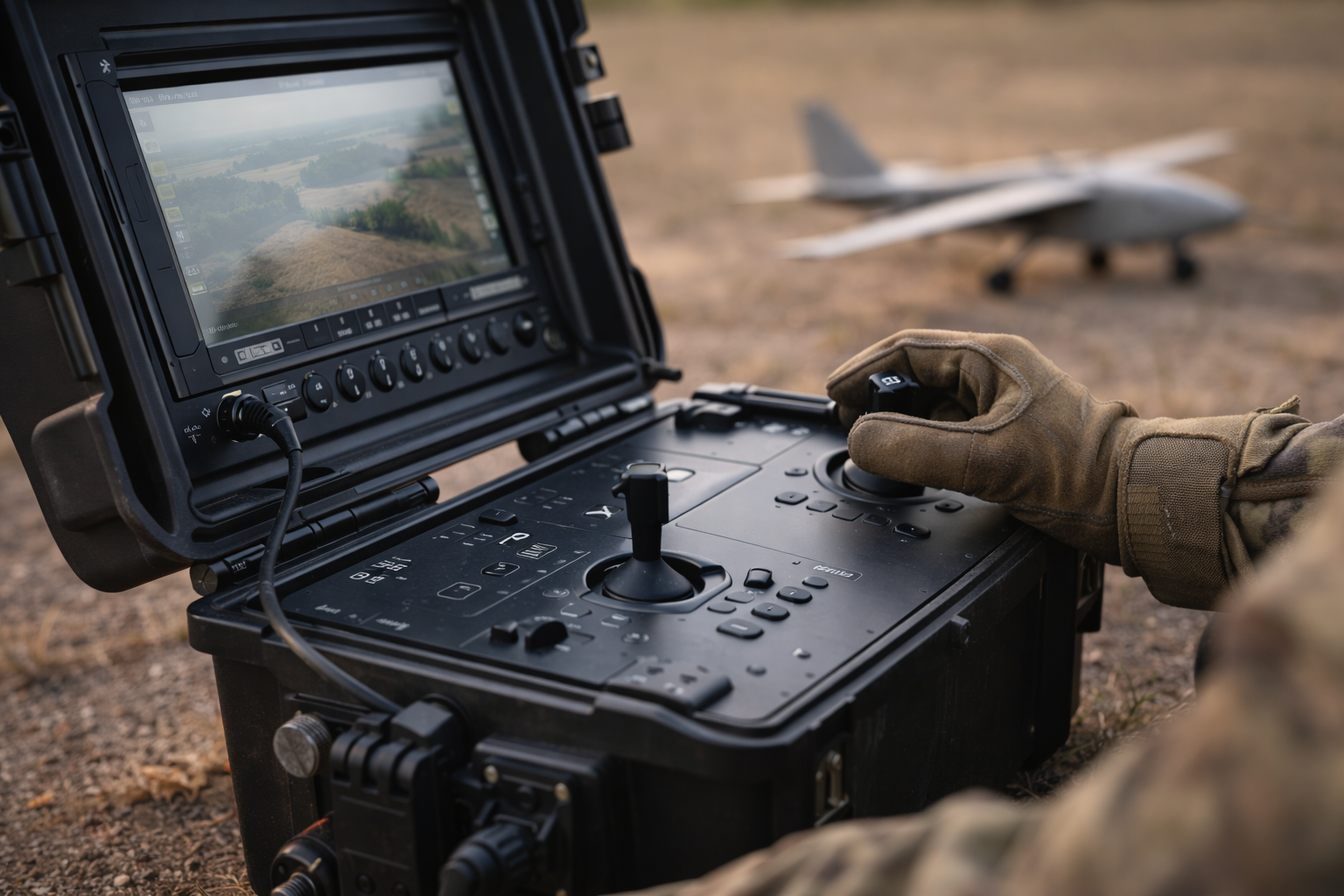
L3Harris has opened a high-volume production line for its VAMPIRE counter-unmanned system in Huntsville, Alabama, moving one of its better-known counter-drone products into a more scalable manufacturing phase. The decision reflects the steady broadening of demand for systems able to detect, track, and defeat small drones threatening troops, logistics hubs, and critical infrastructure.
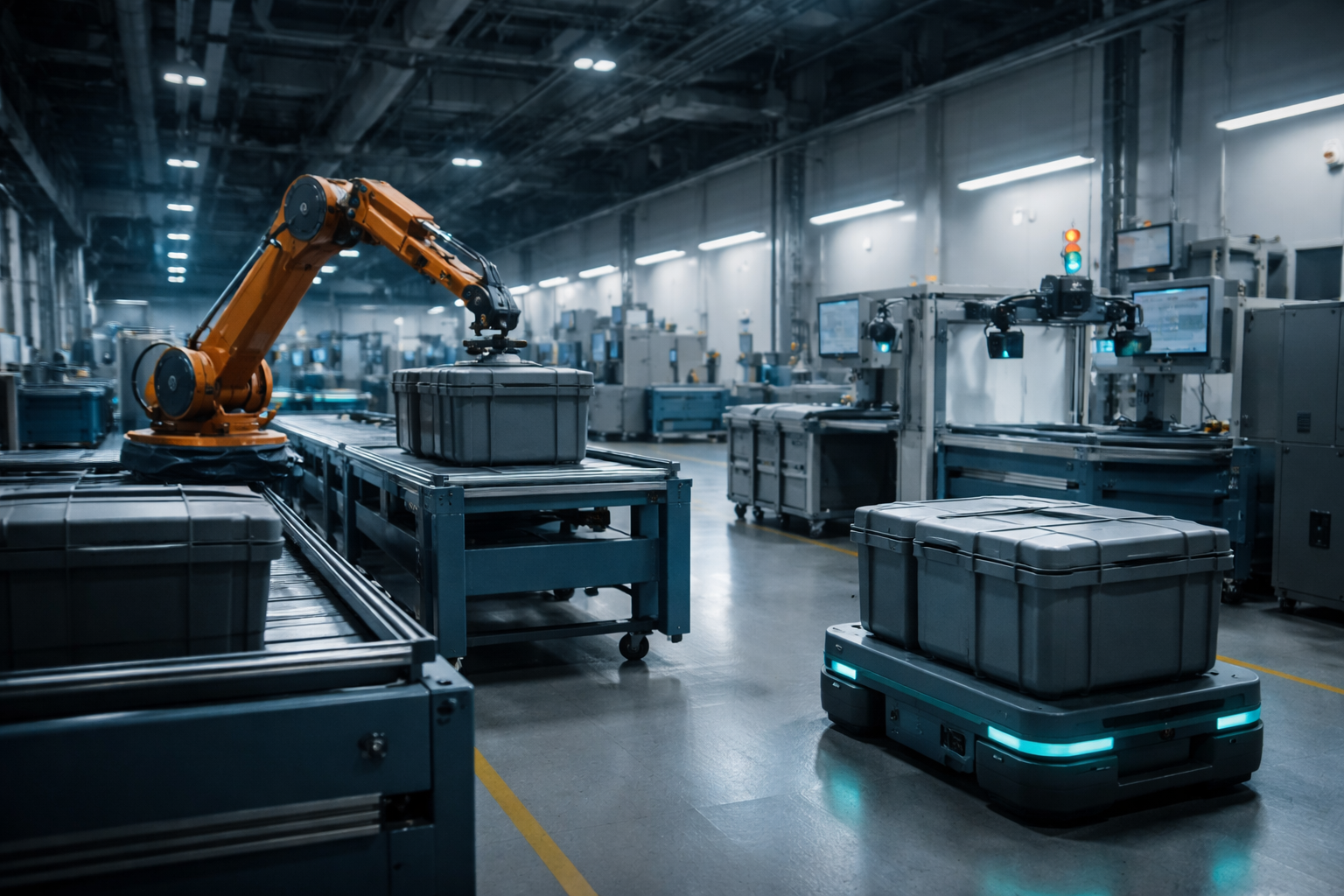
The new line is designed to do more than raise output in simple numeric terms. L3Harris says the facility combines assembly, testing, and installation space in a layout flexible enough to integrate VAMPIRE on to ground vehicles and containerised weapon systems, allowing production volume to adjust as demand changes. That modularity matters because the market for counter-UAS hardware increasingly values adaptable kits that can be deployed across multiple platforms rather than bespoke one-off integrations.
VAMPIRE has already been used in European combat operations since 2023, and that operational history gives the programme a different industrial profile from many counter-drone concepts still stuck between demonstration and procurement. Once a system has a combat record, the manufacturing challenge shifts. The emphasis moves from proving the concept to reducing build friction, standardising installation, and shortening delivery cycles without eroding reliability.
Tom Kirkland, president of Targeting and Sensor Systems within L3Harris’ Communications & Spectrum Dominance business, said the company was working to get the systems to the frontline as quickly as possible, describing the new line as a combination of people, facilities, technology, and innovation. That is corporate language for a practical issue facing much of the defence sector: low-cost aerial threats are forcing armies to buy countermeasures in quantities that start to resemble mainstream production runs.
Flexible integration becomes a production asset
The Huntsville setup suggests L3Harris is treating integration as part of the product architecture, not as a downstream engineering burden. That is important because counter-drone programmes often fail to scale cleanly when sensors, launchers, power management, software, and host vehicles all need custom adaptation at the point of delivery.
A flexible line can reduce that friction by bringing installation engineering closer to the production floor, where repeatable work instructions, fixture design, and test routines can be standardised. For customers, that can translate into faster fielding. For the manufacturer, it is a way to protect margins and throughput as order patterns diversify across vehicle types and deployment concepts.
Counter-UAS manufacturing is moving beyond prototypes
L3Harris expanded the VAMPIRE family in 2025 with specialised variants for land, maritime, air, and electronic warfare operations, and it has already integrated the system on new defence ground vehicles. That broader family approach strengthens the industrial case for high-volume production because it spreads common engineering and supply chain effort across a larger addressable market.
The wider lesson is that counter-UAS is no longer a niche add-on category. It is becoming a sustained manufacturing segment with its own supply chain logic, installation disciplines, and rate expectations. The companies that can turn modular combat systems into repeatable factory outputs, rather than endlessly customised field integrations, are likely to hold the stronger position as drone threats continue to scale.