IN Brief:
- Airbus connected German IRIS-T SLM and Swedish Patriot air defence systems to Germany’s SAMOC command post during SPARTAN ARROW 26.
- The German Army’s short-range LeFlaSys equipment also joined the network, allowing coordination across several air defence layers.
- The exercise generated communications and performance data for future interoperability work; it did not announce a new missile procurement contract.
Airbus Defence and Space has connected German and Swedish ground-based air defence systems through a common command post during NATO’s SPARTAN ARROW 26 exercise in Crete. Germany’s IRIS-T SLM medium-range missile system and Sweden’s Patriot equipment were linked to the German Surface-to-Air Missile Operations Centre, known as SAMOC. The company also integrated the German Army’s Light Air Defence System, or LeFlaSys, extending the command arrangement to shorter-range protection against drones.
German and Swedish air force personnel used the network during live-fire activity in Crete. According to Airbus, an all-German crew conducted its first live firing of IRIS-T SLM coordinated through SAMOC, a prerequisite on the path towards NATO certification. Swedish personnel separately carried out their first independent Patriot live firing through the connected arrangement, which Airbus described as confirming NATO certification and validation of the Swedish system. The two certification descriptions concern different national configurations and should not be combined into a single approval claim.
Developed as part of Airbus’s Fortion command-and-control family, SAMOC coordinates air defence assets rather than acting as another radar or missile launcher. The company’s technical description identifies Force Operations tools for positioning sensors and weapons, and Engagement Operations tools for combining reports and supporting decisions. Allied and NATO-standardised tactical data links are among the supported interfaces. Airbus has not published a network diagram or identified the precise message standards and software versions used by each system at SPARTAN ARROW 26.
Cross-system coordination depends on the handling of sensor tracks, their timing and their association with the correct unit and engagement status. A target detected by one sensor may be visible to another at a different update rate, so the command layer has to reconcile the reports before operators assess the available responses. The integration demonstrated that the participating German and Swedish weapons could exchange information through SAMOC during the exercise, but Airbus did not disclose individual track handover times or the number of simultaneous targets managed.
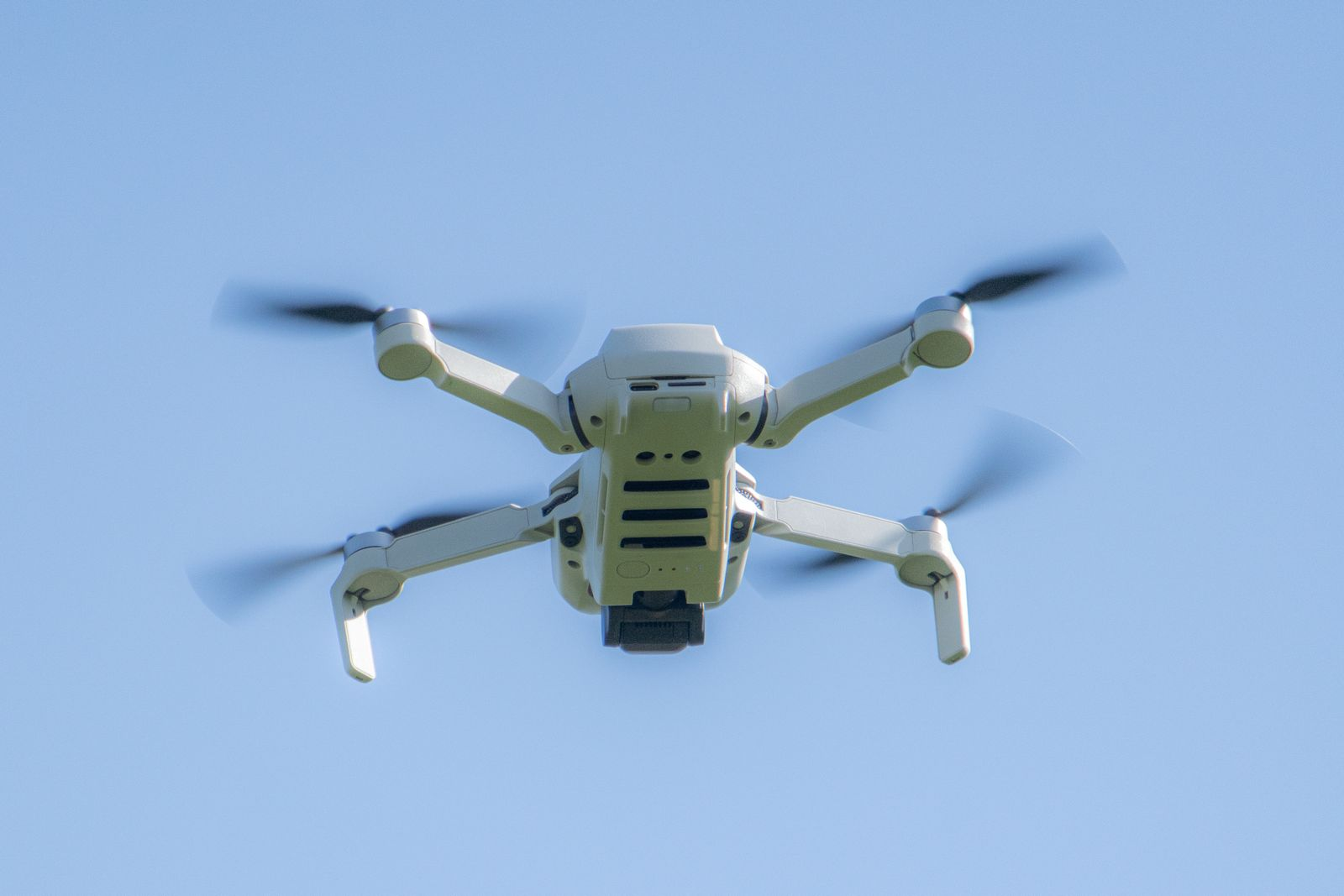
The layered configuration reflects differences in the roles of the connected weapons. Patriot is associated with longer-range air and missile defence, IRIS-T SLM provides a medium-range layer, and LeFlaSys addresses short-range threats including uncrewed aircraft. The inclusion of several ranges can give command staff a choice of available defensive resources, depending on target characteristics and system readiness. It does not mean that each missile type is interchangeable or that any participant has gained capabilities outside the limits of its own sensors and effectors.
At coordination level, SAMOC’s Force Operations function supports planning for sensor and weapon deployment, while Engagement Operations combines information received from participating command-and-control sensors and firing units. The product also supports synchronisation between command levels, helping distributed operators work from consistent arrangements as deployment plans change. The October release does not identify a newly installed command post, a new communications standard or a permanent network configuration beyond the exercise.
Bandwidth and latency affect how rapidly updated tracks and status messages are available between distributed units. Electronic interference introduces an additional constraint when communicating with sensors, command posts or firing units. Airbus said data gathered during the exercise covered bandwidth, response time and resistance to jamming, and would inform further networked command-and-control development. The company published no numerical measurements, baseline comparison or independently verified improvement against an earlier SAMOC configuration.
Live firing tested the communications arrangement while weapon systems were undertaking an engagement rather than relying solely on laboratory interface checks. Between detection and weapon operation, track information, tasking, unit status and firing reports have to remain consistent across the connected equipment. Airbus did not disclose how many engagements were executed, which communications paths were used for each, or whether any messages were lost or delayed during the activity.
IRIS-T SLM and Patriot reached different validation milestones. The German IRIS-T SLM live firing was described as an important condition for official NATO certification, whereas Airbus said the Swedish Patriot system had achieved NATO certification and validation in the networked setting. The release does not state that additional batteries have been ordered or that either country has adopted a new permanent command structure outside the exercise.
Airbus has supplied SAMOC in other European contexts, including a Hungarian Air Force contract announced in 2018 for strategic coordination of ground-based air defence assets. The product’s established role is to share operational information and support the management of mixed sensors and weapons. The October trial concerns a new multinational integration and associated live-fire activity, not the first development of SAMOC or the launch of an entirely new product family.
The involvement of both German and Swedish operators also places requirements on training and operating procedures. A shared network can provide common information while national authorities retain their own responsibilities for authorising activity and operating weapons. Technical compatibility therefore has to be supported by agreed procedures for reporting, tasking and handling changes to the air picture. The announcement confirms system-level integration but does not disclose the command arrangements used for any future deployment outside the exercise.
Airbus will use the recorded communications and interference data in further development of NATO networked air defence capabilities. Repeat trials and national acceptance decisions will determine which configurations are adopted beyond SPARTAN ARROW 26. No new missile procurement, SAMOC production order or deployment timetable was disclosed alongside the multinational live-fire integration.