IN Brief:
- AeroVironment has secured a $405 million international direct commercial sales order for LOCUST X3.
- The 20–35+ kW laser platform combines precision tracking, directed energy, and integration with other defensive systems.
- AeroVironment plans to establish an in-country sustainment facility, but has not disclosed the customer, quantities, or delivery schedule.
AeroVironment has secured a $405 million international order for its LOCUST X3 high-energy laser weapon systems, extending the manufacturer’s directed-energy business in the Middle East and creating additional requirements for regional maintenance and technical support.
The agreement, confirmed on 11 November 2026, is structured as an international direct commercial sale. AeroVironment has not identified the purchasing customer or country, nor disclosed the number of laser systems involved, delivery dates, or the value allocated to individual equipment and support elements.
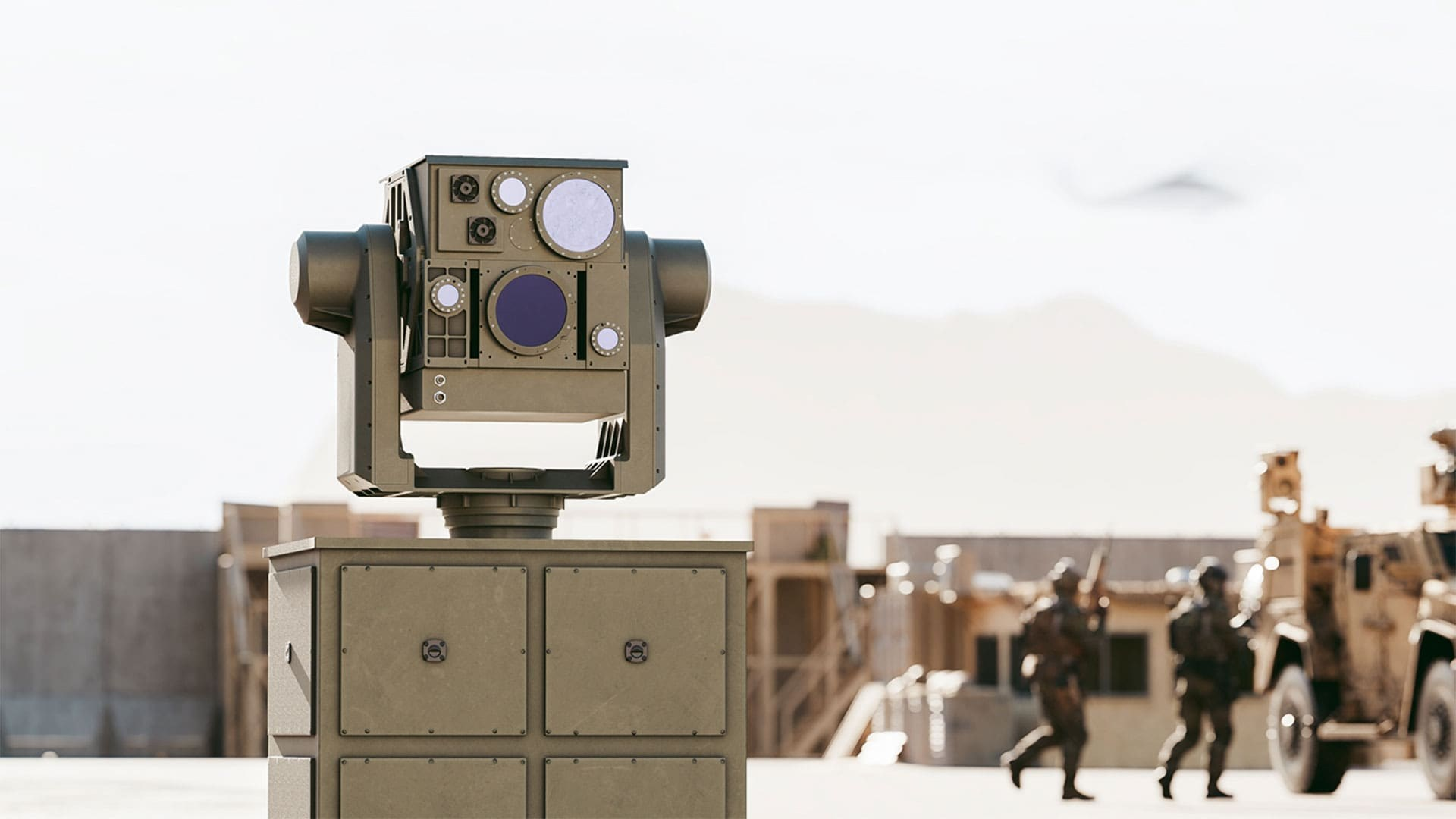
LOCUST X3 is the third generation of AeroVironment’s laser counter-uncrewed aircraft technology. It is designed to engage Group 1–3 uncrewed aircraft, with equipment intended to operate alongside radar, command-and-control networks, and other defensive systems.
The company introduced the X3 configuration in March 2026. Its published specification identifies scalable laser power from 20kW to more than 35kW, together with modular beam-control equipment and software supporting automated detection, tracking, and precision aiming.
The November agreement adds a substantial international commitment to a system already being introduced through other procurement programmes. In September, AeroVironment confirmed a separate international LOCUST order valued at more than $50 million, while an earlier US Army award established a production route for the Enduring-High Energy Laser programme.
These orders concern related technology but separate commercial arrangements. The latest $405 million transaction should not be treated as an extension of the US Army agreement or assumed to involve the same customer and equipment configuration as the earlier international purchase.
High-energy laser systems differ from conventional missile interceptors because their effect is delivered through concentrated optical energy rather than a launched projectile. The laser must place sufficient energy on a target for the required engagement period, with the outcome influenced by target materials, movement, distance, and environmental conditions.
LOCUST X3 combines a laser effector with sensing and tracking functions intended to maintain accurate energy placement against moving aircraft. AeroVironment uses its AV_Halo PINPOINT software to support acquisition, aiming, and beam pointing as part of the engagement system.
Tracking accuracy is especially important because the target may be moving while the laser remains directed at a relatively small area. The fire-control equipment must process sensor information, command the beam director, and maintain the required relationship between the weapon and the aircraft throughout the attempted engagement.
The manufacturer describes automated functions supporting detection, prioritisation, tracking, and engagement. Those functions operate within a wider defensive architecture, where surveillance data and command decisions determine which threats are detected, assessed, and assigned to available equipment.
Laser engagements require a clear optical path between the weapon and its target. Atmospheric conditions, obscuration, and the movement of the aircraft can affect performance, while the system’s effective operating limits depend on the selected configuration and environmental conditions.
AeroVironment has not published the engagement ranges, target-specific performance statistics, or environmental qualification data applicable to the Middle Eastern systems being purchased. Its general product specifications establish the intended operating role without confirming every characteristic of the export configuration.
Directed-energy equipment also imposes demanding electrical and thermal requirements. Generating the laser output requires a suitable power supply, while waste heat must be removed to keep the equipment within its permitted operating conditions.
Repeated engagements therefore depend on the available electrical energy and thermal capacity. Although a laser does not consume a physical interceptor during each engagement, it cannot operate indefinitely without regard to power generation, cooling, component wear, and maintenance requirements.
AeroVironment characterises the LOCUST X3 magazine as being limited primarily by available power and thermal management. The distinction from conventional ammunition can reduce the need to replenish missiles after successive engagements, but does not remove the logistical requirements associated with operating the laser system.
The company has developed LOCUST X3 around a Modular Open Systems Approach. Defined interfaces are intended to support integration with external sensors, command equipment, and other subsystems, while providing a route for replacing or upgrading selected components without redesigning the complete installation.
Its modular construction also supports different deployment arrangements. AeroVironment identifies fixed installations and vehicle-mounted configurations among the intended applications, although the company has not specified the platforms or sites associated with the latest Middle Eastern order.
Manufacturing scalability forms another element of the X3 programme. AeroVironment says the design uses modular subsystems and established commercial components where suitable, intended to support repeatable assembly and reduce constraints associated with producing specialised equipment at greater volumes.
The new order is accompanied by plans to establish an in-country maintenance and sustainment depot. The proposed facility would provide equipment repair, technical assistance, training, and lifecycle support, reducing dependence on transporting systems to overseas locations for every maintenance activity.
Local support arrangements must be matched to the technical work authorised at the facility. Specialist laser equipment may require controlled inspection, alignment, replacement parts, and trained personnel, with the permitted maintenance activities depending on the final contractual and regulatory arrangements.
AeroVironment has not disclosed the depot location, its planned investment value, the number of employees, or a completion date. The facility remains a proposed element of the wider support arrangement rather than an operational installation already established under the new order.
The manufacturer intends LOCUST X3 to complement existing kinetic weapons within layered air defence. Different defensive systems can be assigned to threats according to their characteristics, operating conditions, and availability, without requiring directed energy to replace every conventional interceptor.
The $405 million agreement establishes a new international commercial commitment, but the undisclosed system quantity prevents a reliable calculation of equipment unit prices. Subsequent manufacturing, delivery, export approval, and sustainment milestones will determine how the programme progresses towards operation by the customer.