IN Brief:
- AXISCADES has secured a Rs 25 crore LCA Mk1A electronics supply order.
- Production is slated for its Devanahalli Atmanirbhar Complex in Bengaluru.
- Programme execution will hinge on ruggedisation, test, and traceability discipline.
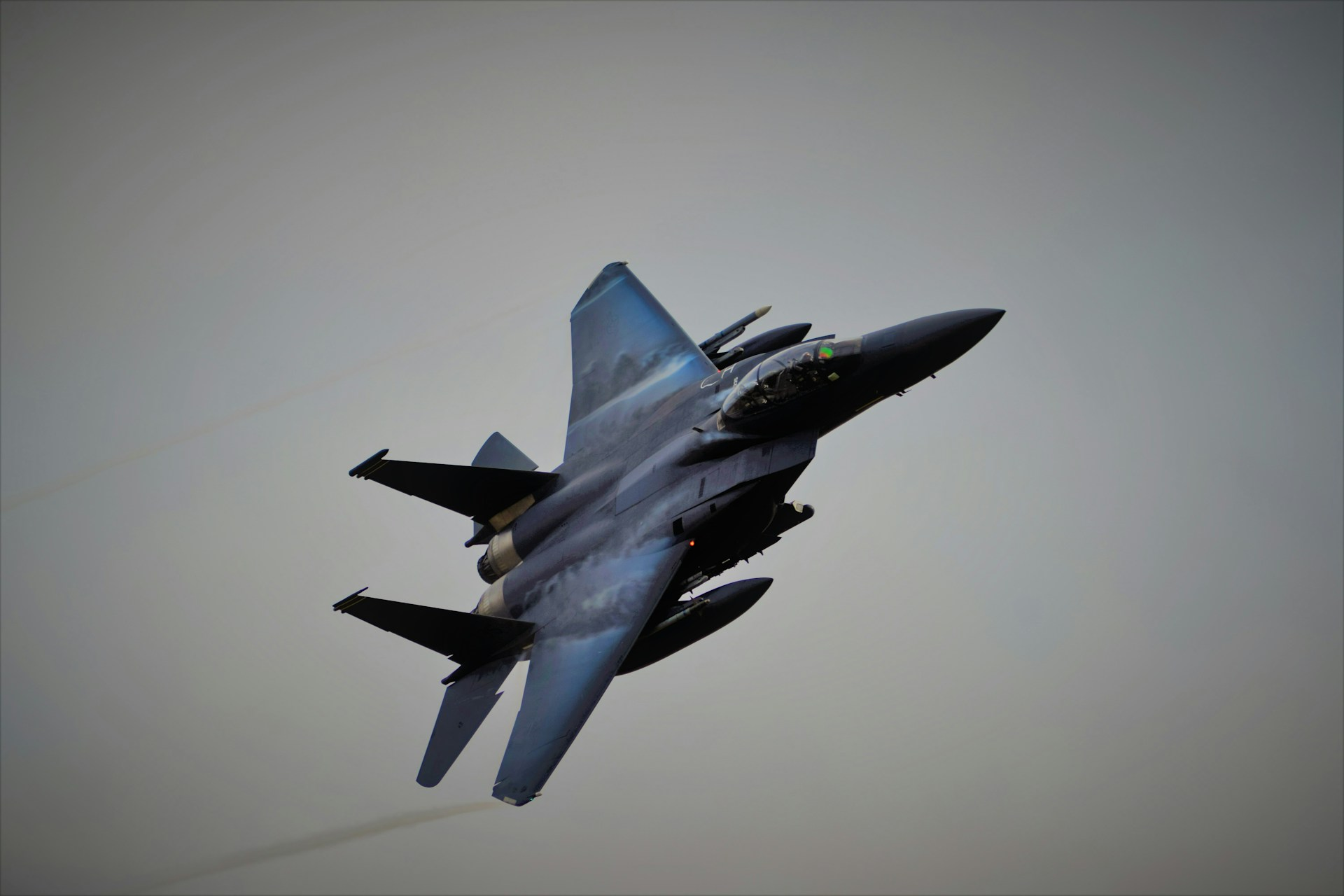
AXISCADES Technologies says it has secured a defence order worth around Rs 25 crore through its subsidiary Mistral Solutions to supply single board computers for Hindustan Aeronautics’ Light Combat Aircraft (LCA) Mk1A programme.
The contract is described as a domestic supply order to be executed over multiple years. AXISCADES says the systems will be manufactured and delivered from its newly commissioned Devanahalli Atmanirbhar Complex (DAL) facility at the Bengaluru Aerospace Park, near Kempegowda International Airport.
Single board computers are not glamorous components, but they sit in a difficult engineering space: high-reliability computing in harsh environments, with long service lives, strict configuration control, and an expectation that supply will remain stable across years of build and through-life support. For a fighter programme, that means not only producing boards that meet performance targets, but proving consistency across production batches and maintaining test coverage even as components evolve.
The order also lands in the broader context of India’s ongoing push to localise defence electronics, reducing exposure to component embargo risk, long lead times, and limited transparency inside offshore supply chains.
Rugged electronics production is built around process control
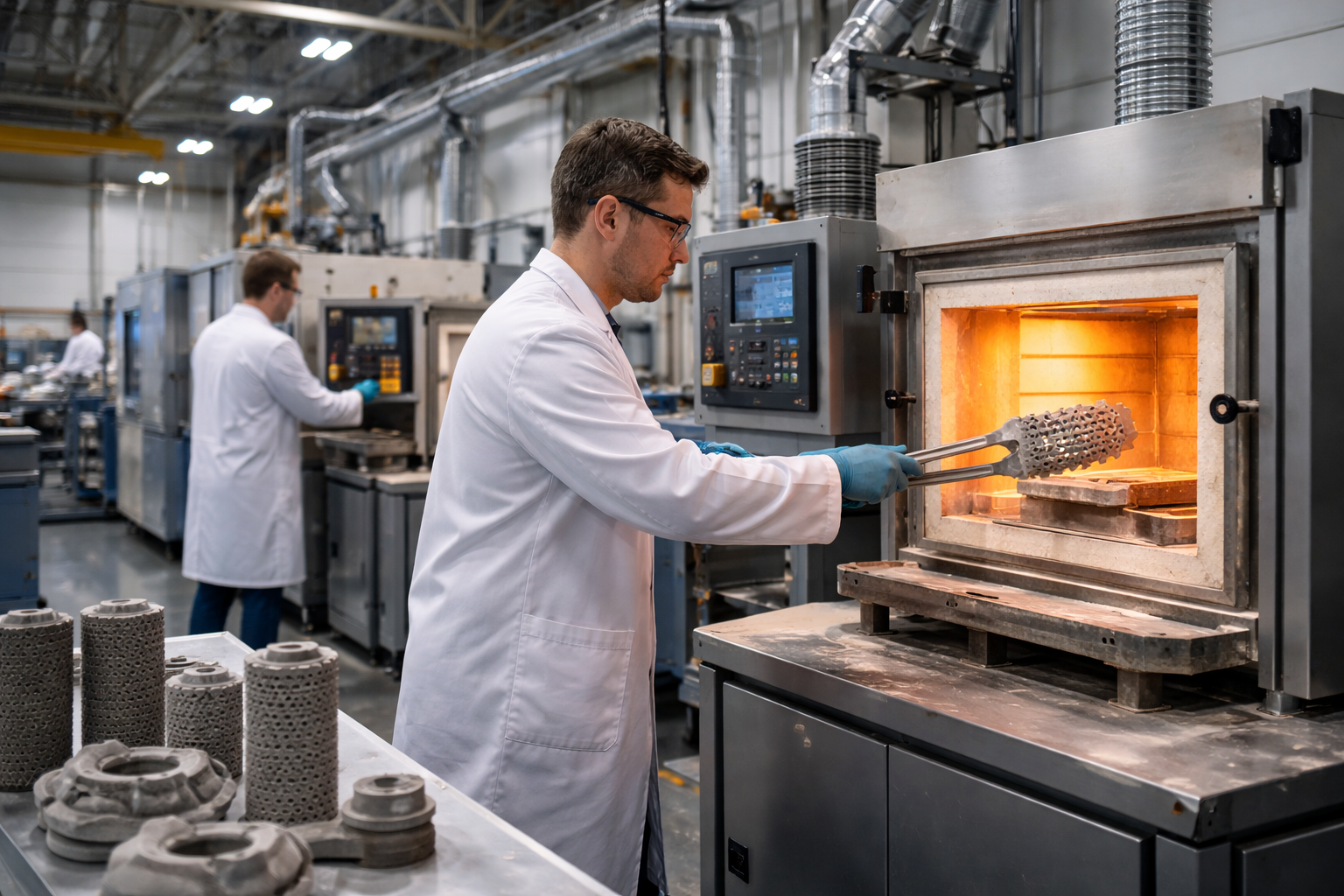
Manufacturing embedded computing for combat aircraft is fundamentally a quality systems exercise. Assembly controls, solder process stability, component screening, and environmental stress testing shape yield and reliability as much as schematic design does. Once a board enters an aircraft baseline, the industrial problem shifts from “can we build it” to “can we build it the same way for years”.
That includes managing second-source components, maintaining consistent PCB fabrication standards, and ensuring conformal coating, bonding, and connector systems can withstand vibration, thermal cycling, and moisture exposure typical of operational environments.
Traceability and test capacity will set delivery tempo
Multi-year supply programmes expose a quiet constraint: test throughput. Functional test rigs, boundary scan coverage, and environmental chambers become production pacing items when volumes rise or schedules tighten. Traceability requirements — component lot tracking, serialised build records, and controlled firmware baselines — add further load, but they are non-negotiable once aircraft integration is underway.
DAL’s role, as described by AXISCADES, is therefore more than floor space. It is a bid to concentrate production, test, and delivery discipline inside a single facility, shortening the feedback loop between engineering changes and manufacturing reality. The Mk1A programme will reveal whether that integration translates into predictable output.