IN Brief:
- Babcock’s new Phoenix 3 award is valued at around £60 million over five years, with options for five further one-year extensions.
- The contract covers sourcing, maintenance, repair, accident handling, and a bespoke fleet management information system for UK and overseas operations.
- Tender documents show a much larger managed vehicle spend behind the service contract, reinforcing the scale of defence support logistics beneath the headline figure.
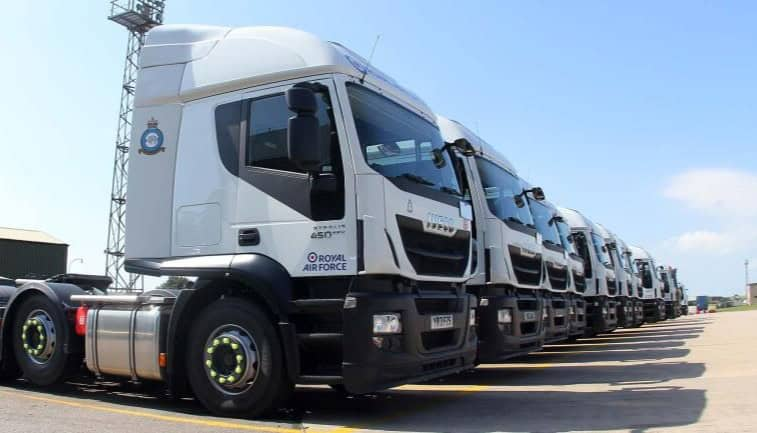
Babcock has secured the UK Ministry of Defence’s Phoenix 3 white fleet contract, extending a support role it has held since 2016 and keeping hold of one of the less glamorous but more structurally important parts of defence readiness. The five-year contract is valued at around £60 million, with options to extend annually for a further five years, and covers the management of the MOD’s non-combat vehicle fleet across the UK and overseas.
The company says the work includes vehicle sourcing and procurement, service, maintenance and repair management, accident management, and delivery of a bespoke Fleet Management Information System, or FMIS. That platform is intended to manage lease and rental vehicles across the fleet and handle functions including bookings, invoicing, telematics data, reporting, and usage monitoring.
White fleet support does not draw attention in the way that combat vehicle programmes do, but it underpins a large share of defence activity. Cars, vans, minibuses, coaches, trucks, cargo vehicles, and trailers are the connective tissue of training estates, depots, administrative hubs, contingent operations, and specialist tasks that rarely make the brochure. When that layer is inefficient, the drag shows up everywhere else.
The contract also appears larger in practical effect than the award headline suggests. Tender documents for Phoenix 3 put the total estimated contract value at £1.773 billion excluding VAT over a possible ten-year term, although most of that is pass-through spend on vehicle hire or lease rather than Babcock’s direct service fee. The fleet management services element was estimated at £92.065 million across the full ten years, with the rest tied to the vehicles themselves.
The industrial logic behind a support contract
That distinction matters because Phoenix 3 is not just a maintenance deal. It is a procurement and logistics management layer sitting across a very large vehicle requirement, using government frameworks where possible and running tenders where that offers better value. In industrial terms, Babcock is acting as an orchestrator between defence demand, commercial vehicle supply, maintenance networks, and digital fleet oversight.
That kind of role becomes more important when supply chains are tight, lead times are uneven, and compliance requirements are rising. White fleet operators have to manage availability, servicing intervals, replacement cycles, emissions and legislation exposure, overseas deployment needs, and the different cost profiles of leasing versus short-term rental. Digital control through an FMIS is part of the answer because it gives the MOD a single operating picture instead of a patchwork of spreadsheets and local workarounds.
Why digital fleet management now matters to defence
The more interesting part of Phoenix 3 may be the data layer. A fleet platform that captures telematics, utilisation, and compliance information can change how vehicle demand is forecast, how maintenance is scheduled, and how procurement decisions are made. That is a support function, but it behaves increasingly like industrial optimisation.
For defence contractors, this is a reminder that readiness is often built in places far from the front line. A modern military still depends on routine mobility, predictable repair cycles, and a supply base capable of delivering the right vehicles at the right cost with the right documentation. Phoenix 3 is a support contract, certainly, but it is also a quiet piece of defence industrial plumbing, and those systems tend to matter most when they are under strain.