IN Brief:
- A $500m+ award extends M109A7 and M992A3 production for the US Army.
- Manufacturing spans York, Pennsylvania; Elgin, Oklahoma; and Anniston, Alabama.
- Digital fire-control architecture pushes new demands into build and test.
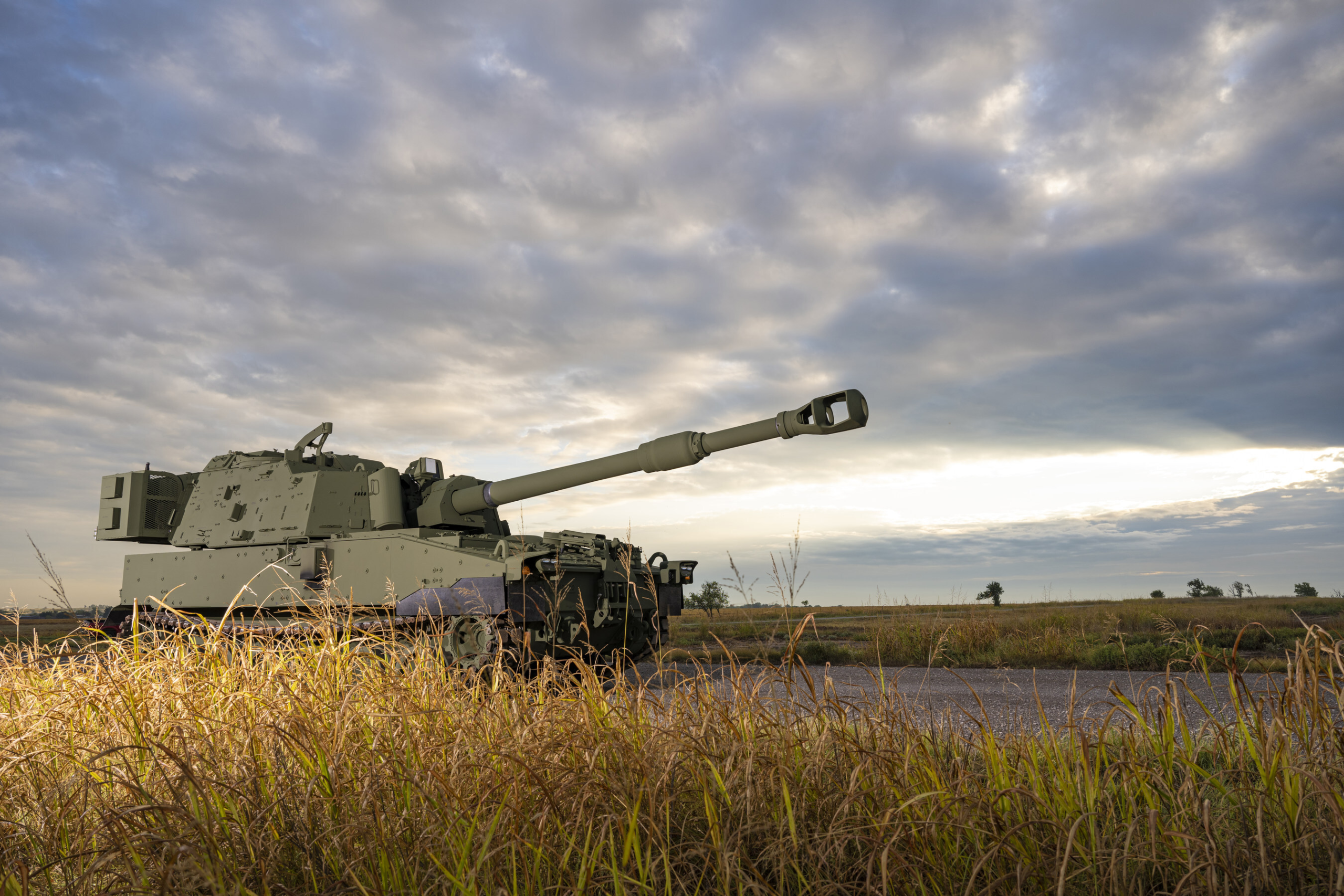
BAE Systems has received a contract award valued at more than $500 million to produce additional M109A7 Paladin self-propelled howitzers and M992A3 ammunition carriers for the US Army.
The company said the contract was awarded in December 2025 and is intended to support the Army’s Armored Brigade Combat Teams, extending procurement of a platform family designed around a modernised chassis and upgraded onboard systems. Dan Furber, BAE Systems’ program director for Artillery and Combat Support, Combat Mission Systems, said the M109A7 is designed to provide “a significant operational advantage on today’s battlefields and into the future.”
BAE Systems stated the M109A7 is produced across three US sites: York, Pennsylvania; Elgin, Oklahoma; and Anniston, Alabama. The spread reflects the reality of land-systems manufacturing in 2026 — the output is not defined by a single final assembly hall, but by a chain of fabrication, integration, and test activities that have to move in step to avoid starving the line.
Keeping tracked-vehicle lines warm across multiple states
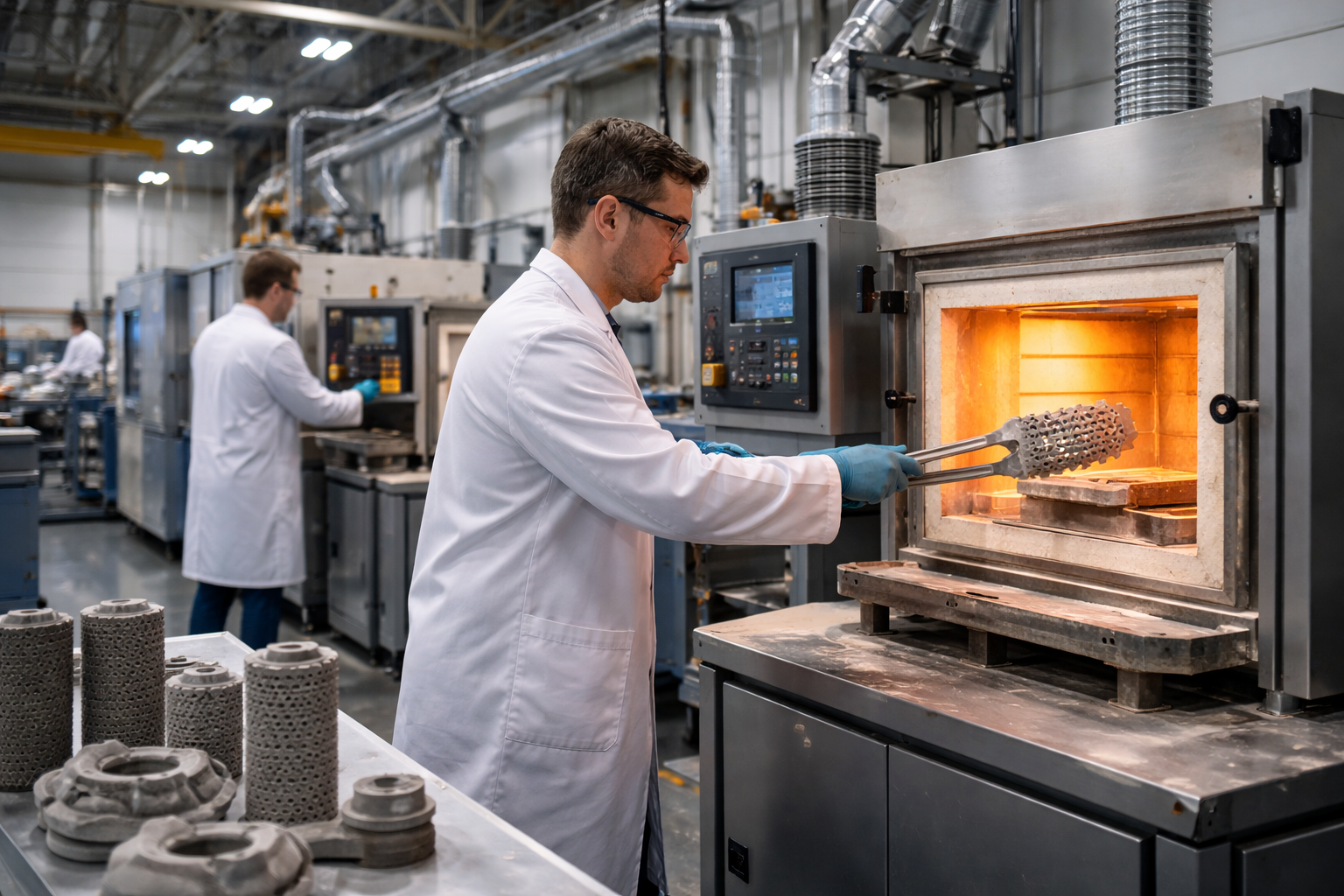
Tracked artillery production is sensitive to cadence disruptions because it pulls from a broad industrial base — welded structures, precision-machined components, hydraulics, wiring looms, and ruggedised electronics all arrive with different lead times and quality risks. Multi-site production can protect output from local bottlenecks, but it also raises the cost of configuration control and logistics planning, particularly when vehicles are being built to match evolving mission-system baselines.
For the US Army, sustaining the M109A7/M992A3 industrial chain is also a supply resilience question. Skills such as heavy-vehicle welding, armour-grade fabrication, and acceptance testing do not scale instantly, and they do not sit idle cheaply when orders pause.
BAE Systems said the platform integrates advanced digital fire control systems — described as a “digital backbone” — alongside a modern architecture intended to raise lethality, survivability, and responsiveness. For production teams, digital architecture changes build discipline: harness routing, connector management, software loading, and system integration testing become as schedule-critical as torque settings and weld inspection.
It also raises the importance of end-of-line diagnostics and repeatable acceptance test procedures. In a world where software versions and electronic subassemblies can shift faster than steelwork, the manufacturing system has to prove it can lock configurations and deliver vehicles with consistent performance.