IN Brief:
- Elbit Systems has secured contracts worth about $100m to supply the IDF.
- The programmes focus on C4I digitisation, network integration, and border defence architectures.
- Software-defined warfare and resilient tactical networks continue to drive defence engineering demand.
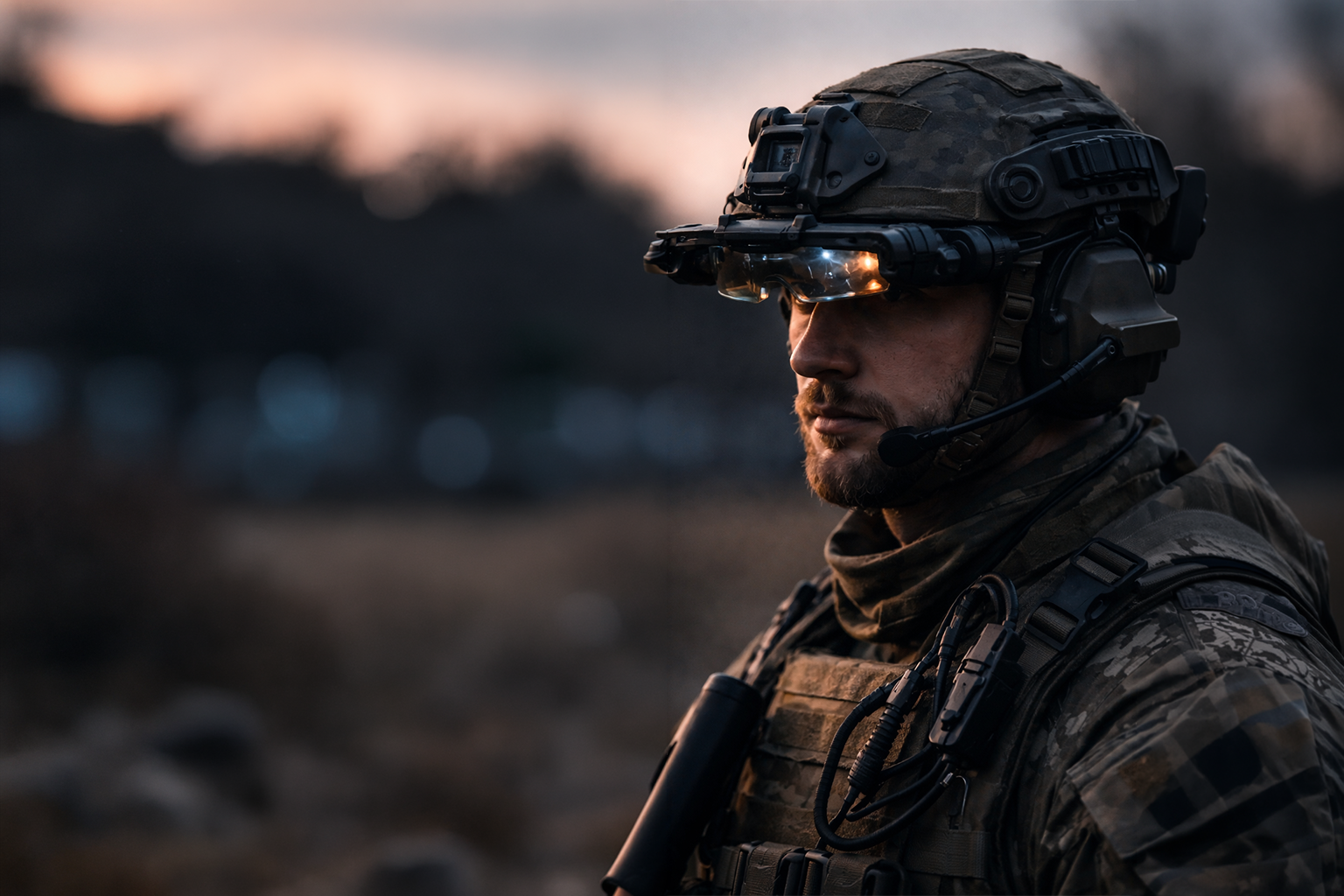
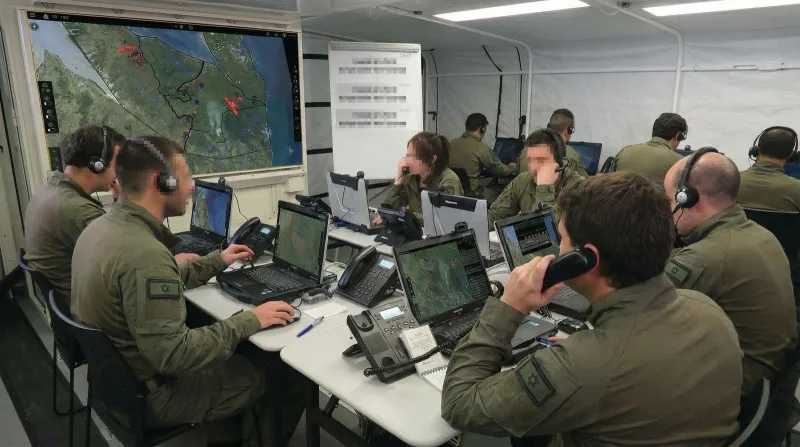
Elbit Systems has been awarded several contracts worth approximately $100 million to provide advanced digital warfare and border defence systems for the Israel Defense Forces, under Israel’s Directorate of Defense Research and Development (DDR&D) in the Ministry of Defense. The company said the programmes cover “advanced digitization capabilities” for ground forces and border defence, with C4I network solutions designed to integrate sensors and effectors across tactical formations.
The core engineering challenge in these programmes is not a single sensor or radio, but the practical integration of multiple systems into a network that can move data quickly enough to support targeting, manoeuvre, and protection, while remaining resilient under cyber pressure and electronic attack. That pushes design effort into software, data handling, interface standards, and security architecture, alongside the hardware integration that allows legacy and new systems to operate on a common tactical picture.
Haim Delmar, general manager of Elbit Systems C4I and Cyber division, said: “These contracts highlight the critical role of advanced digitization solutions in modern warfare. We are proud to support the IDF’s digital transformation by providing cutting-edge C4I technologies that enhance operational effectiveness and enable seamless integration across multiple battlefield systems.” Elbit’s positioning suggests an emphasis on integration at scale, where success is measured by uptime, latency, and usability under pressure, rather than by a single headline capability.
A second strand is border defence, which increasingly draws on the same underlying network principles as manoeuvre warfare, particularly where fixed sensors, mobile patrol elements, and response forces must share a real-time picture and coordinate effects quickly. In industrial terms, that tends to widen the supply chain: sensors and surveillance subsystems, communications hardware, secure computing, edge analytics, and the ruggedised power and enclosure design that keeps systems online at remote sites.
Colonel S., head of the C4I, Cyber, and AI division at DDR&D, described the work as a continuation of IDF digitisation programmes: “The developed systems and capabilities represent the fifth generation of the IDF’s digitization array, which has been continuously improved and renewed over the past two years, incorporating lessons learned from combat and technological advancements.” He said the collaboration includes “a joint data factory and joint development teams” alongside “branch software houses.”
The emphasis on a data factory and joint development teams is a signal that procurement is shifting toward continuous capability delivery rather than periodic platform refreshes, with software updates, interface evolution, and rapid integration cycles becoming central programme outputs. That model suits companies with deep integration and cyber capability, but it also demands discipline in configuration control and testing, because tactical networks fail in messy ways when versions diverge.
Elbit did not disclose delivery schedules in its announcement, but the contract value and stated scope underline an ongoing spend pattern: digitisation is no longer a discrete project with an end date; it is a rolling engineering and sustainment workload tied to how forces fight, train, and defend critical borders.