IN Brief:
- GA PrecisionTech Europe is producing around 450 machined Do228 NXT components at Oelsnitz/Erzgebirge as GA-ATS ramps series production.
- The supply chain model mixes high in-house content with European specialist partners for composites, structures, and mission-ready modifications.
- The Do228 NXT’s special-mission focus is driving industrial attention to sensor integration, quality assurance, and configuration control.
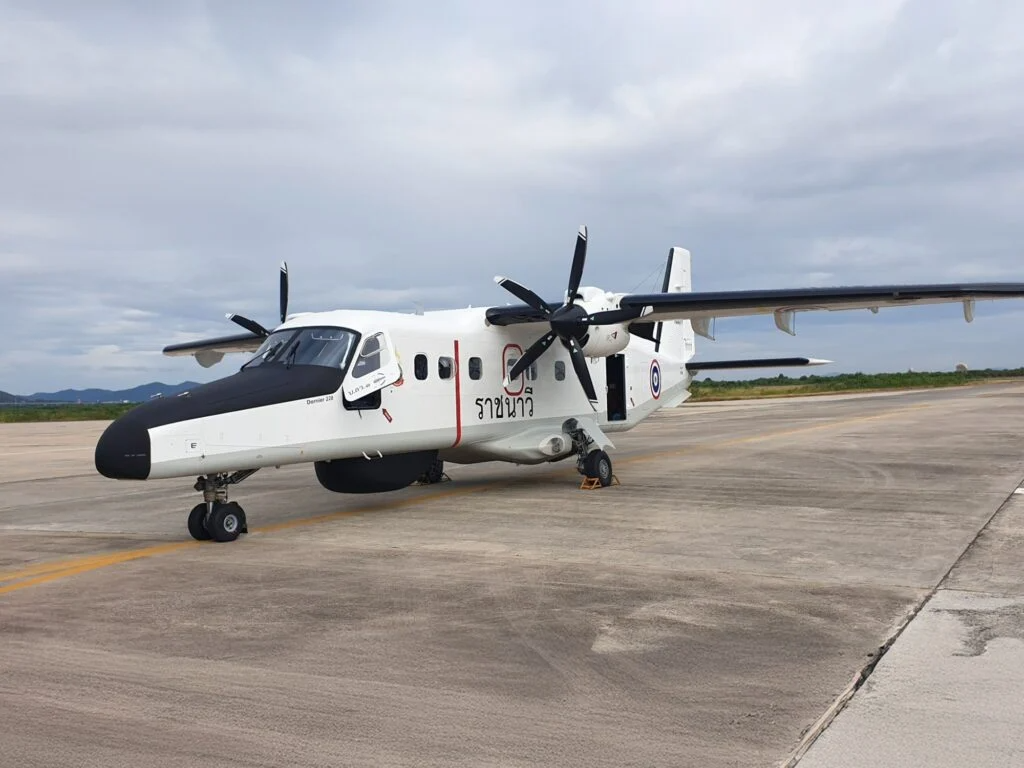
General Atomics AeroTec Systems (GA-ATS) is scaling series production of the Do228 NXT with an increasingly structured European supply chain, anchored by high in-house content and specialist component manufacturing across Germany and neighbouring markets.
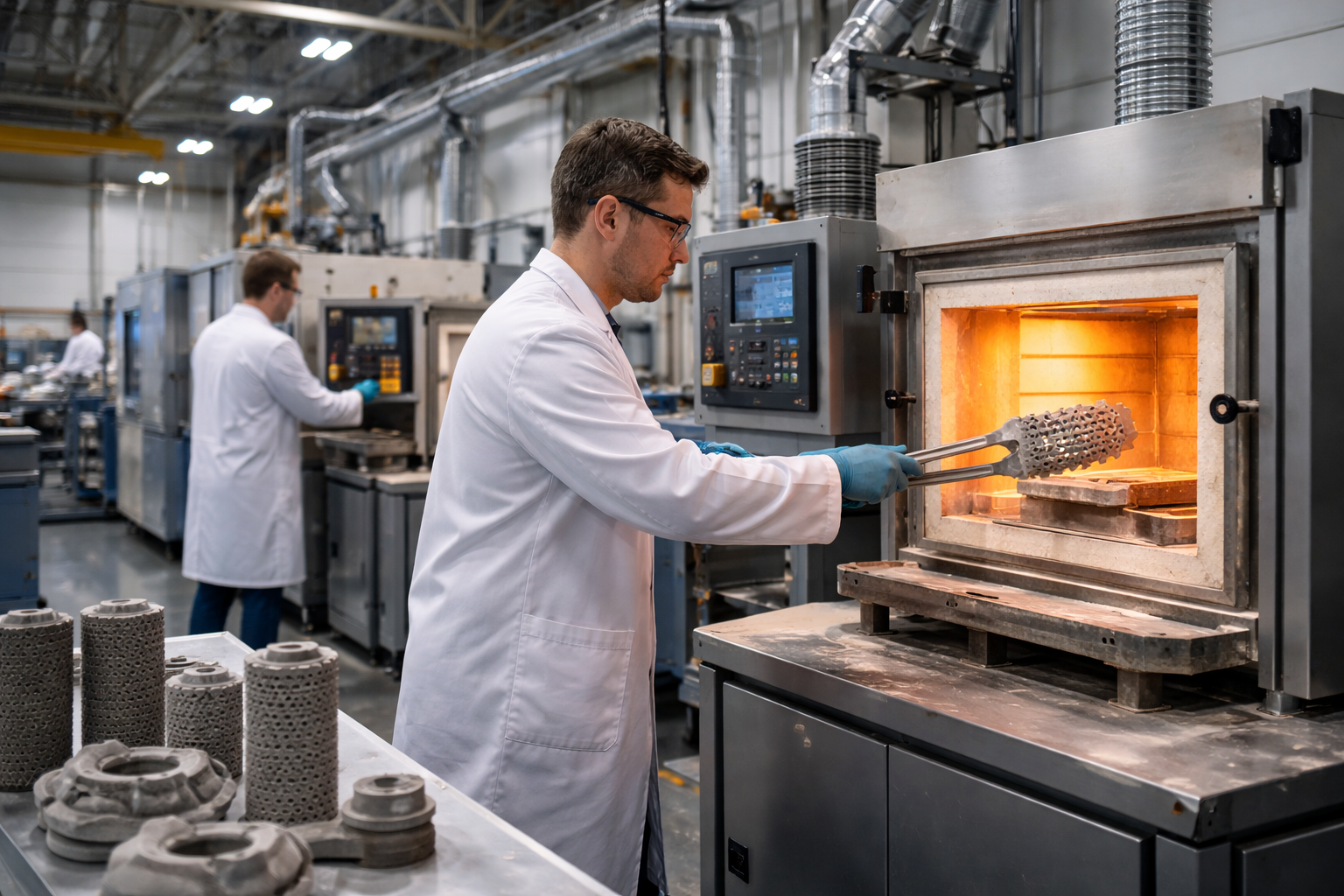
A focal point is GA PrecisionTech Europe (PTE), which says it has been producing essential Do228 NXT components at its Oelsnitz/Erzgebirge site since 2023. PTE’s content covers around 450 different parts for the aircraft, including airframe and landing gear elements, and spans what it describes as “all cubic machined parts” for the programme, excluding turned parts. That is a meaningful scope for a platform moving from development into repeat production, because machined detail parts tend to be where tolerance stack-up, rework risk, and delivery volatility hide.
GA-ATS, meanwhile, has been explicit that it is pulling key production steps into its own facility at Oberpfaffenhofen, with the stated aim of strengthening supply chains and controlling manufacturing quality. In updates on its build progress, the company has described the first Do228 NXT moving through major assembly milestones, including wing installation onto the fuselage using a hall crane in a so-called “wedding,” with the wing connected using four bolts, and subsequent engine installation and landing gear tests completed. The company has said roll-out of the first aircraft is scheduled for the summer.
The Do228 NXT is closely linked to special mission deployments, from border patrol and maritime patrol to reconnaissance and other roles where operators specify systems that can shift from contract to contract. GA-ATS has also been expanding the aircraft’s sensor options, including a cellular geolocation system intended to support missions such as search and rescue, law enforcement, disaster response, and maritime patrol, adding another layer of integration work that has to be industrialised, not treated as one-off engineering.
Machining capacity and quality control
PTE describes precision milling as the core manufacturing process behind its Do228 NXT parts output, supported by high vertical integration and machine capability designed to handle both development changes and series requirements. Beyond throughput, the more telling detail is the measurement and verification stack: PTE says its quality assurance for Do228 NXT components includes 3D coordinate measuring for geometry checks, optical measurement using sensor technology, and spectral analysis for material testing.
That approach reflects the shift from prototype-era judgement calls to production-era evidence, where repeatability and traceability are the product. As the platform moves toward deliveries, suppliers carrying this kind of content are not merely machining parts; they are carrying a portion of the programme’s schedule risk.
Composite parts and assembly flow
The supply chain is not limited to machined metal. GA-ATS has also pointed to composite work packages, including a contract with Röder Präzision GmbH covering more than 100 different composite components of varying complexity and size for installation on the Do228 NXT. The manufacturing route described includes prepreg materials and autoclave curing, with processing controlled by defined temperature and pressure conditions, and layered lay-up into fixtures.
Florian Rohe, Managing Director of General Atomics AeroTec Systems, said: “By focusing on in-house production of the Do228 NXT, we ensure that the aircraft will be of the highest quality and the shorter and stronger supply chains will result in reliable deliveries.” In practice, the programme’s industrial test will be whether that blended model — in-house structures and assembly, partnered machining, partnered composites, and mission-system integration — can hold configuration discipline while still absorbing the inevitable design modifications that arrive as operators pin down their mission fits.