IN Brief:
- Helsing and HENSOLDT have signed a partnership focused on autonomous combat air systems.
- CA-1 Europa is the first joint initiative, combining sensors, EW, and AI-enabled autonomy.
- The programme leans on producible airframes and a resilient European supply chain.
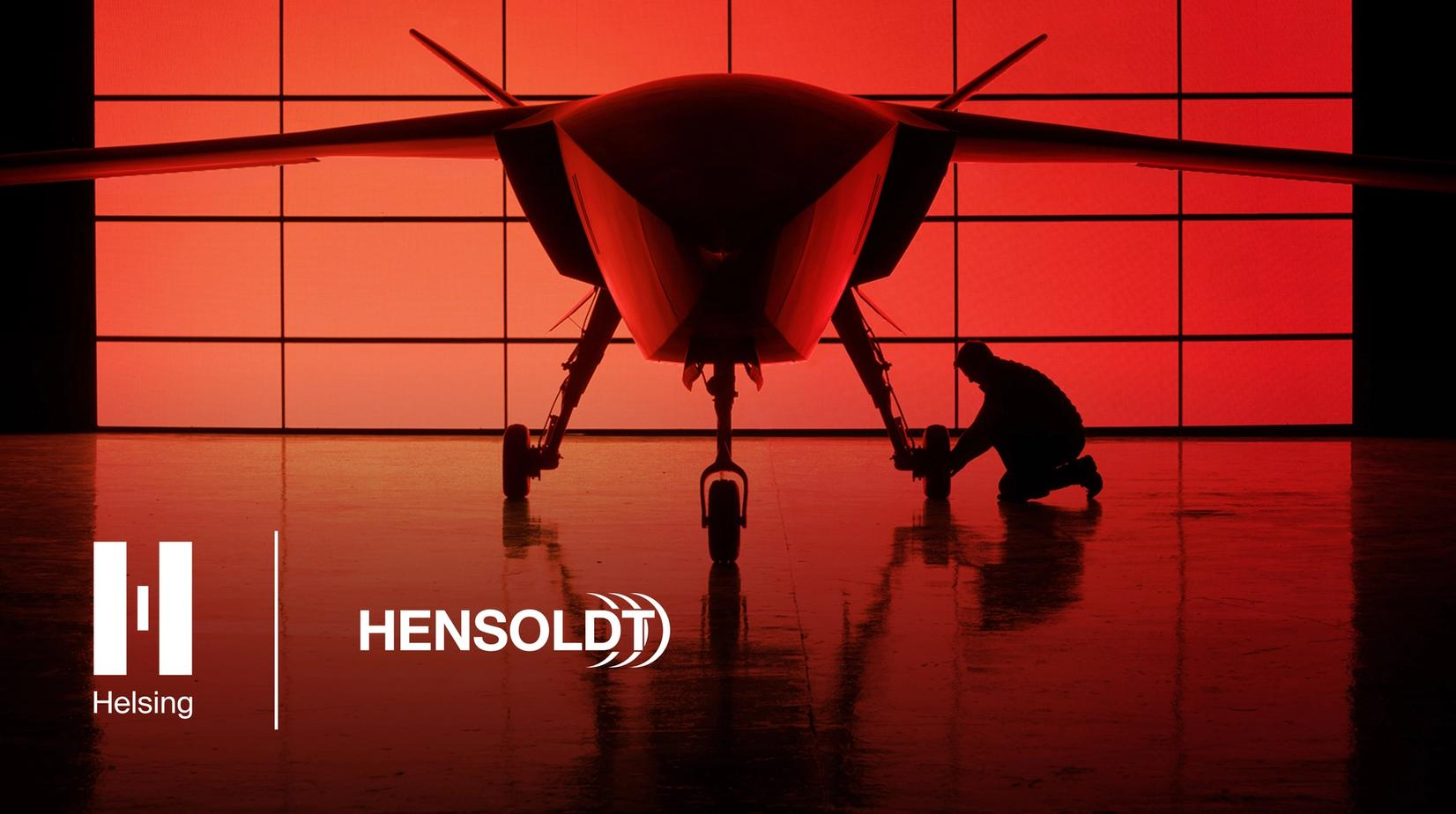
Helsing and HENSOLDT say they have signed a strategic partnership to develop AI-enabled combat air systems, with an initial focus on Helsing’s CA-1 Europa autonomous combat aircraft. The companies describe the collaboration as part of a sovereign European technology architecture, aimed at accelerating the transition of new capabilities into operational use.
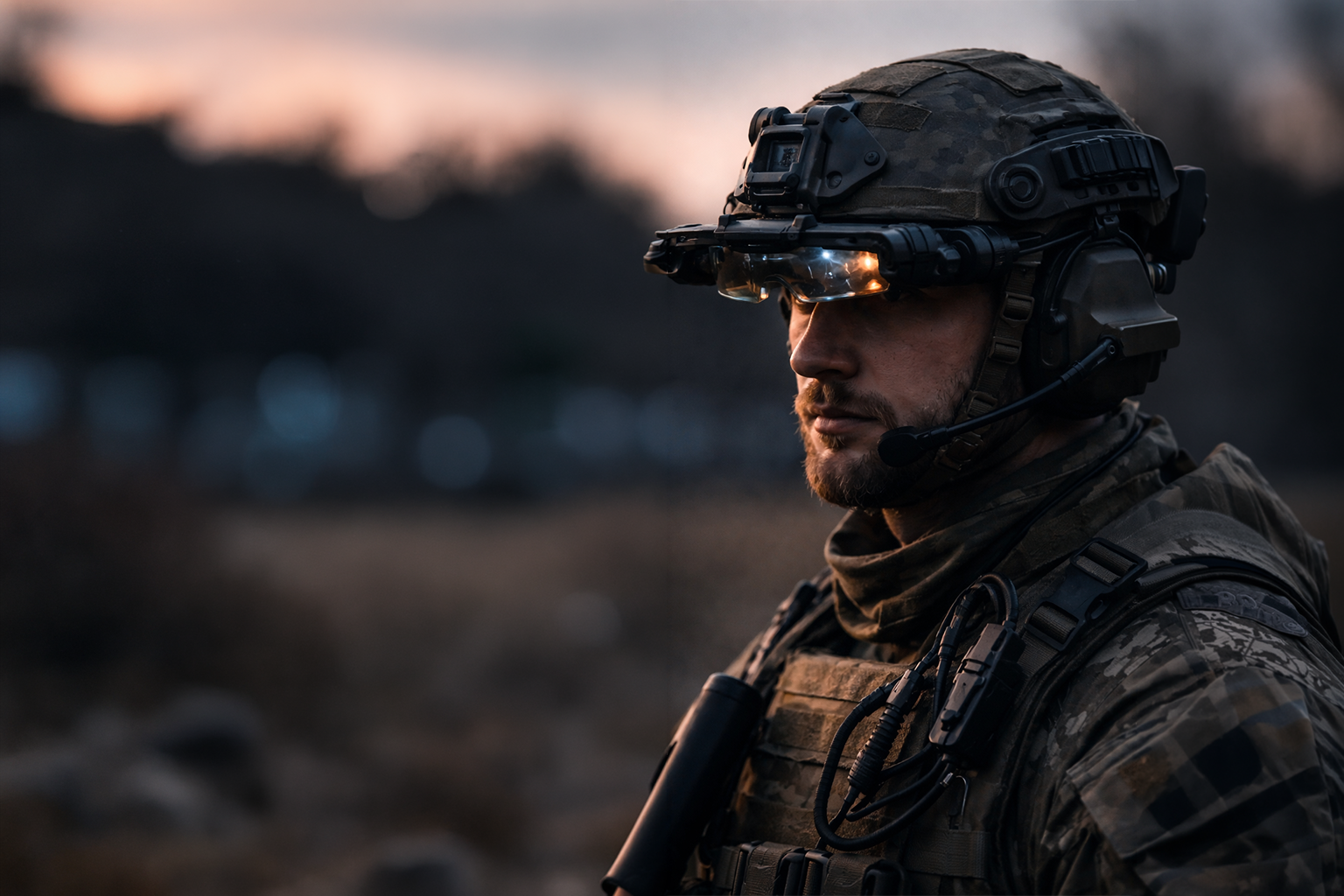
The first integration target is sensor and mission-system fusion. Under the partnership, CA-1 Europa is set to be equipped with HENSOLDT sensor technologies spanning radar, optronics, self-protection, and electromagnetic warfare systems, with HENSOLDT’s MDOcore software suite positioned as the data-fusion and networking backbone. Helsing’s Centaur AI agent is intended to provide autonomous mission execution and onboard information processing.
The companies also point to adjacent work beyond the air vehicle itself, stating that they are already collaborating with Norway’s Kongsberg on a sovereign European satellite constellation for intelligence, surveillance, and target acquisition, planned for 2029. Near-term activity is framed around preparing the first joint demonstrations in the coming months, working with customers and partners.
Helsing’s own technical framing for CA-1 Europa is explicit about industrial intent: it describes an autonomous aircraft in the three-to-five ton class under development with its subsidiary Grob Aircraft, and positions the programme around scalable manufacture and resilient supply and logistics.
Autonomous aircraft still live on airframe industrialisation
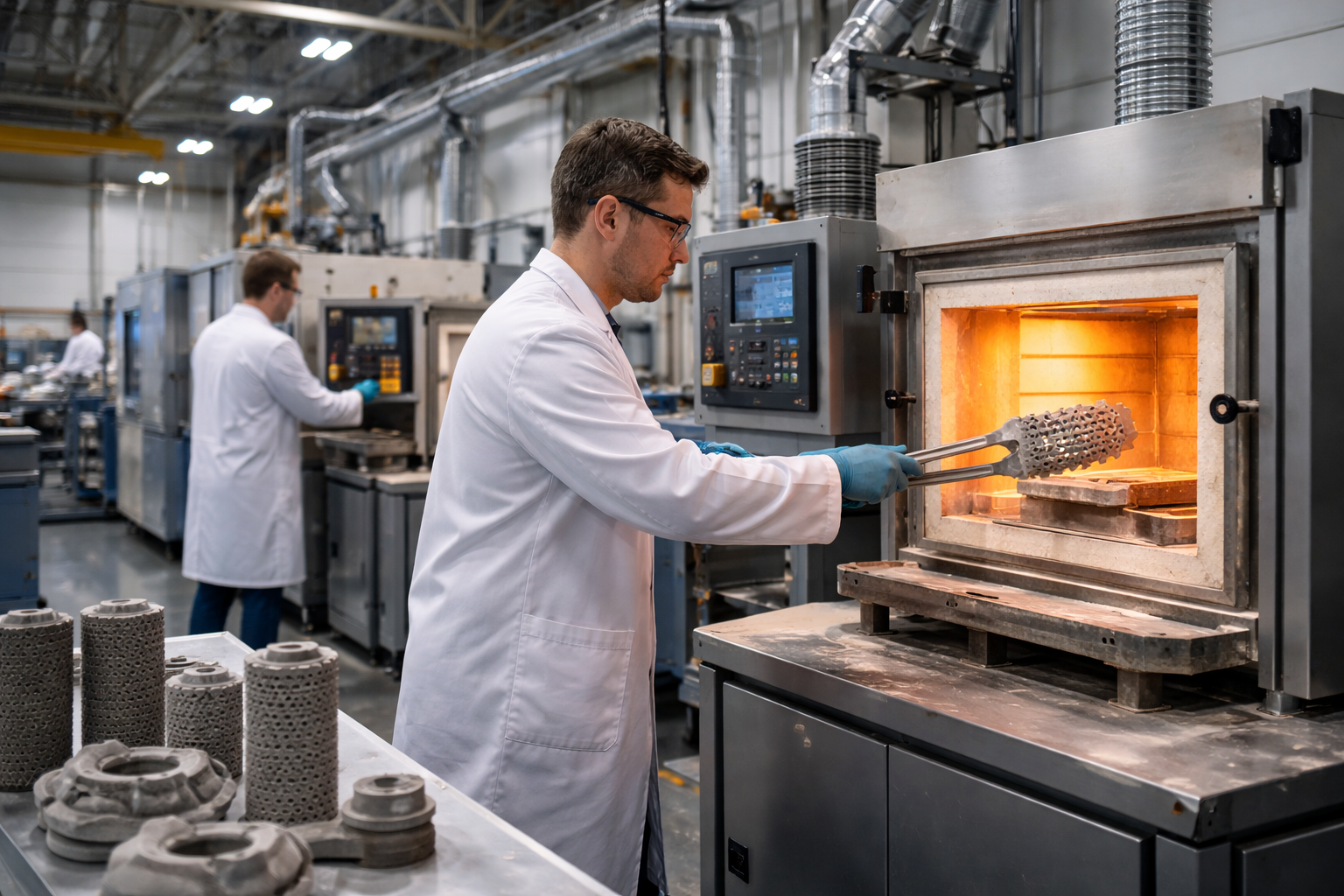
Even when software is the headline, aircraft programmes rise and fall on industrialisation choices: materials, tolerances, producible structures, and a flight-test plan that can be repeated without bespoke rework. A “mass-produceable” airframe implies simplified assembly, consistent supply for structural materials and actuators, and design-for-maintenance decisions that reduce downtime when aircraft are operated at tempo.
Sensor-rich autonomy adds another layer. Radar, optronics, EW, and self-protection systems bring power and cooling demands, physical apertures, and electromagnetic compatibility requirements that have to be designed into the airframe baseline early, or paid for later in weight, rework, and test burden.
Electronics supply and secure integration will shape the future
A sovereign architecture claim ultimately becomes a procurement and manufacturing discipline: trusted components, controlled build standards, and software baselines that can be certified and supported without fragmenting into incompatible configurations.
For European industry, that translates into two practical deliverables. First, a supply chain capable of providing sensors and compute hardware at scale, and with predictable lead times. Second, an integration pipeline — lab rigs, hardware-in-the-loop, and flight-test instrumentation — that can absorb rapid iteration without stalling production. The partnership’s emphasis on demonstrations is the right starting point, but the next milestone will be whether those demonstrations can be productised into a repeatable build standard.