IN Brief:
- The H125 final assembly line is India’s first private-sector helicopter production facility, with investment expected to exceed ₹1,000 crore.
- Tata Advanced Systems and Airbus Helicopters are positioning Vemagal as a repeatable rotorcraft build-and-test hub, rather than a one-off assembly site.
- The programme’s next test will be indigenisation depth, as India pushes more mission avionics and sustainment content into-country.
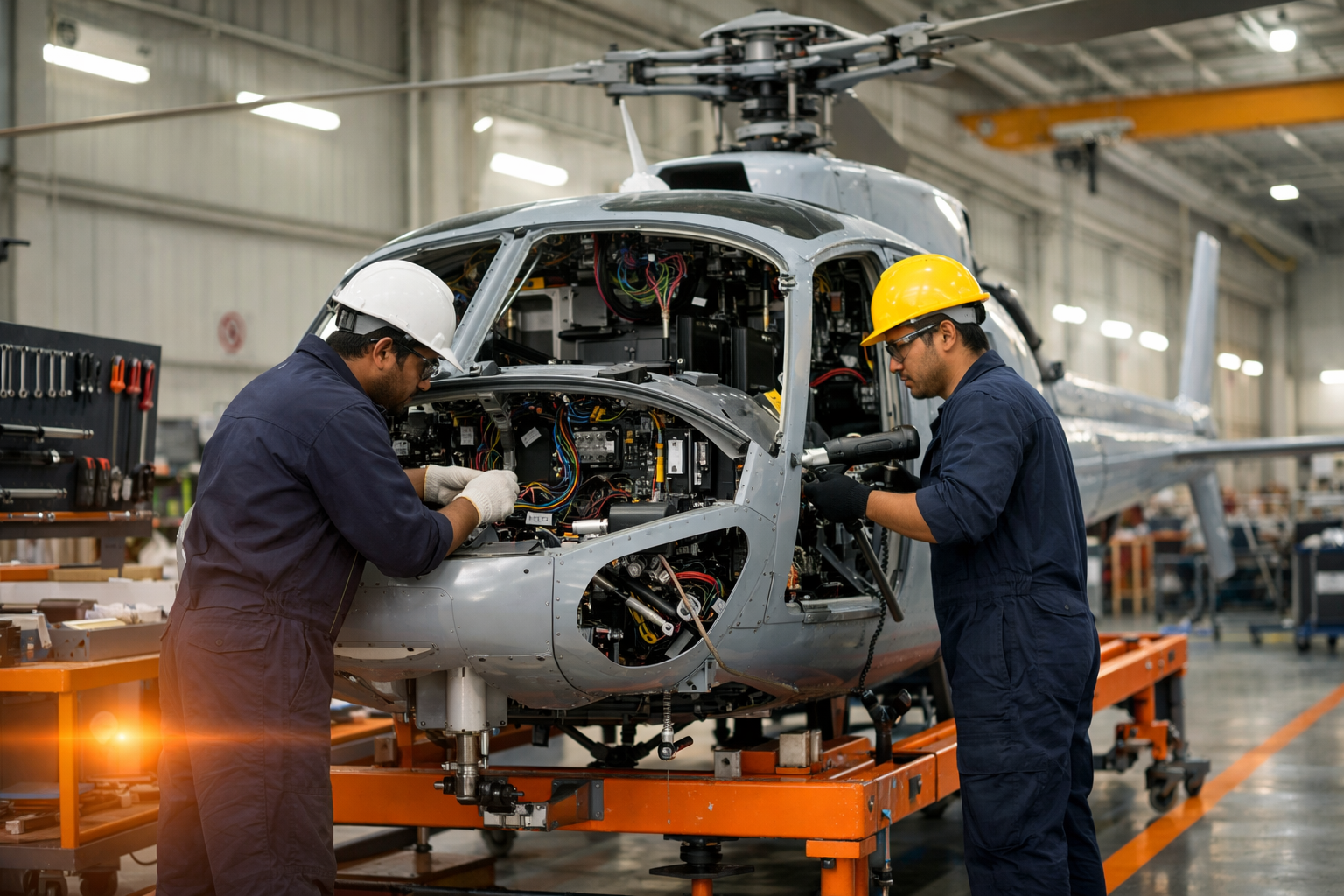
Indian Prime Minister Narendra Modi and French President Emmanuel Macron have virtually inaugurated India’s first private-sector helicopter final assembly line, a Tata Advanced Systems and Airbus Helicopters facility at Vemagal in Karnataka. The site is intended to assemble the Airbus H125, a light single-engine helicopter with established utility across surveillance, logistics, and emergency response tasks, and a long history of operating at altitude.
The immediate headline is industrial: a private final assembly line moves India’s rotorcraft capability beyond licensed maintenance and component work, and into the controlled, repeatable build processes that define mature aerospace manufacturing. Defence Minister Rajnath Singh described the H125 assembly line as a “milestone in the strategic partnership between India and France,” while also flagging the scale of capital and skills expected to sit behind the programme.
The H125 line lands in the middle of a broader Indo-French industrial push spanning combat aviation and weapons, with Paris and New Delhi publicly discussing expanded co-production across major platforms. For India, that emphasis has practical consequences. Helicopters are a sustainment-heavy category, where availability often comes down to parts planning, repair throughput, and the ability to rework sub-systems without waiting on overseas slots.
The Vemagal line is also being framed as more than a domestic play. Targets being discussed for output run well beyond India’s internal civil market, with South Asia export demand explicitly in scope, and early deliveries expected once the line stabilises.
Inside the Vemagal assembly workflow
Final assembly is the visible end of a long chain of controlled work instructions, torque regimes, and inspection gates. Even for a light helicopter, the line has to pull together structure, dynamic components, wiring looms, flight-control runs, hydraulics, and avionics integration, then validate those systems through ground test before flight acceptance.
Rotorcraft production is unforgiving on repeatability. Rotating systems impose tight tolerances, vibration management becomes a build discipline, and traceability is non-negotiable — particularly if the platform is being positioned for defence reconnaissance and logistics roles that punish airframes and drivetrains.
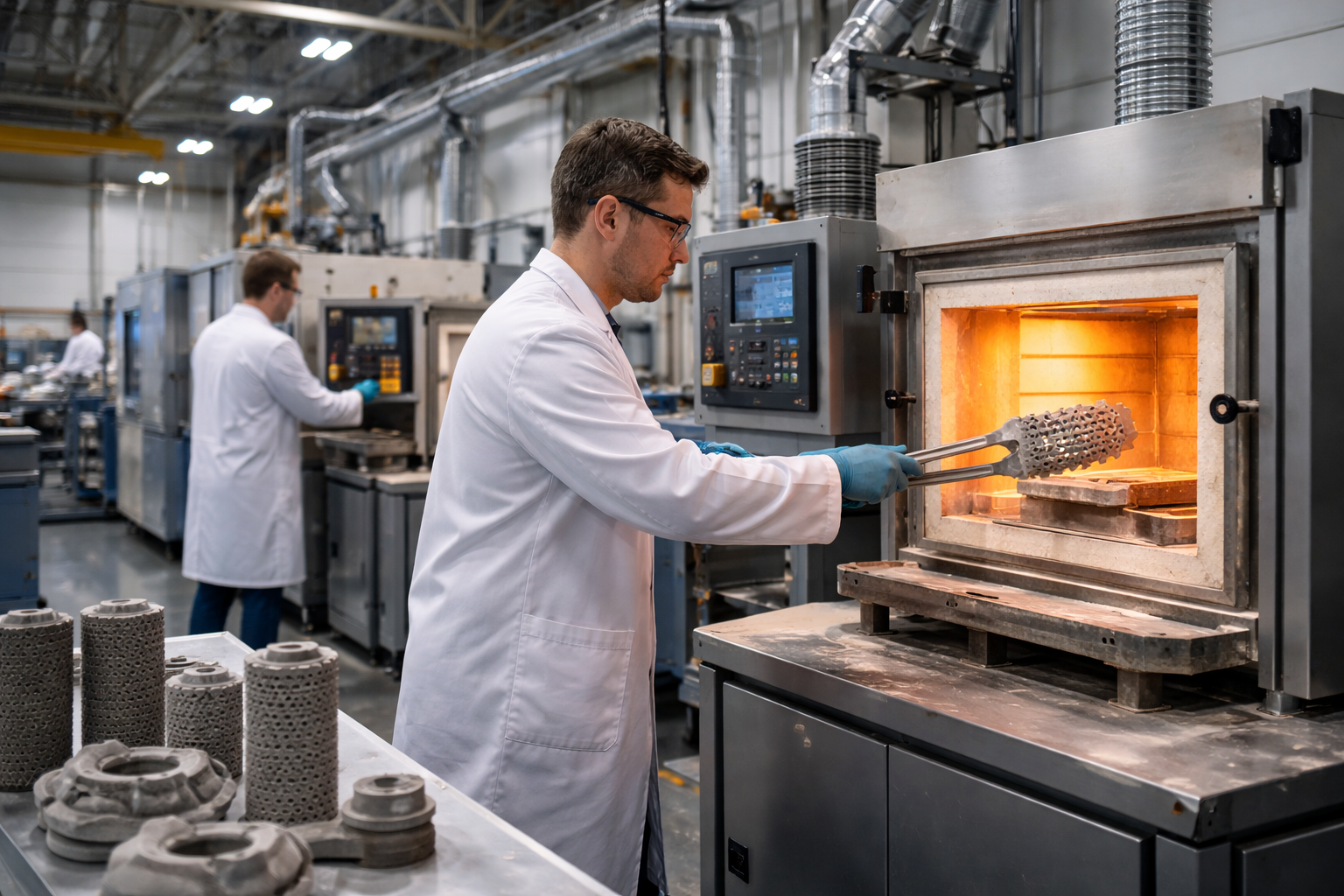
To make the line credible, the factory has to deliver more than assembly. It needs a stable non-destructive testing routine, calibrated tooling, and a quality system that supports both build and later modification work, because customers rarely fly “base” configurations for long.
Supplier localisation, certification, and ramp risk
The industrial prize sits in localisation depth: machining, sheet-metal work, harness build, composites, and mission-system fit all represent potential Indian supply-chain content, but each step raises certification and audit demands. Aerospace suppliers that can meet documentation, process control, and on-time delivery requirements tend to become strategic assets, and they do not appear overnight.
Ramping output will also test the less glamorous parts of production: spares stocking, repair loops, and test equipment availability. Helicopters generate steady component consumption in service, and any defence ambition for the H125 family will be judged as much on turnaround times as on delivery ceremonies.
If Vemagal becomes a predictable, export-capable line, it will not just add another assembly site. It will force a wider supplier ecosystem to learn rotorcraft-grade manufacturing discipline at volume.