IN Brief:
- DGA ordered 92 Griffon and 123 Serval for Belgium on 30 December 2025.
- Luxembourg joins CaMo with 38 Jaguar and 16 Griffon vehicles.
- Assembly and industrial participation expand in Belgium, including FN Herstal.
KNDS France has received an order to manufacture 269 additional armoured vehicles under the Capacité Motorisée (CaMo) programme, expanding the SCORPION vehicle family footprint across Belgium and Luxembourg and reinforcing interoperability with French land forces.
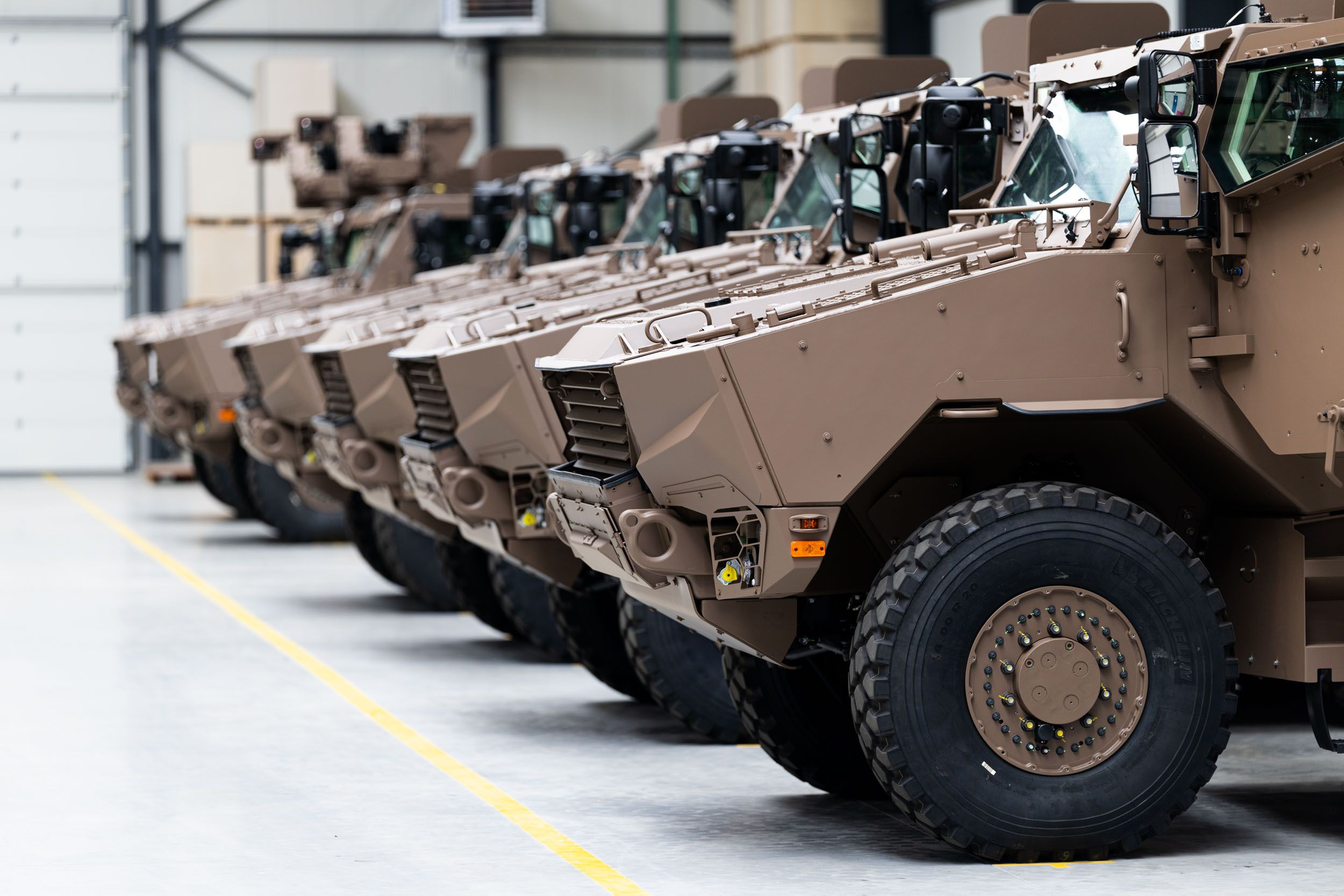
KNDS said the French defence procurement agency, the Direction générale de l’armement (DGA), placed the order on 30 December 2025 on behalf of the Belgian Ministry of Defence for 92 additional Griffon vehicles and 123 Serval vehicles. The Serval purchase is described as Belgium’s first order of the platform, completing access to the SCORPION vehicle range and supporting interoperability commitments within NATO frameworks.
Luxembourg is also joining the CaMo programme via Belgium, with the Luxembourg Guide-Chasseurs Battalion set to receive 38 Jaguar vehicles and 16 Griffon vehicles. KNDS said the acquisition is being carried out within the NATO Defence Planning Process and adds Luxembourg to the list of SCORPION user countries, expanding the operational and sustainment commonality created by the programme.
Industrial participation is a central component of the CaMo model, and KNDS emphasised that most vehicles will be assembled in Belgium at the MOL CY industrial site. The vehicles will also be equipped with remote weapon stations produced and supplied by FN Herstal, maintaining a domestic contribution in key subsystems rather than limiting Belgian industry to lower-value work packages.
KNDS also indicated that the newly acquired Serval vehicles will follow a “redesigned industrial scheme,” with assembly transferred to Belgium more extensively than the approach used for earlier Griffon and Griffon MEPAC vehicles. Deliveries will be accompanied by spare parts supply flows intended to support maintenance and operational availability as newly equipped units transition to service.
The CaMo approach has been watched closely across Europe because it tackles two recurring problems in land modernisation: fragmented fleets and fragmented sustainment. By aligning vehicle families, training, logistics, and industrial participation across multiple countries, the programme reduces integration friction during combined operations and can lower long-term support complexity, particularly when upgrades, obsolescence management, and spares provisioning are treated as shared, planned activities rather than national afterthoughts.
For KNDS, the order adds volume and continuity across the Griffon, Serval, and Jaguar lines, while anchoring cross-border industrial worksharing in a way that is increasingly difficult to secure under compressed defence timelines.