IN Brief:
- The UK has selected Leonardo UK for a £1 billion New Medium Helicopter programme covering 23 AW149 aircraft.
- Production and delivery will be centred on Leonardo’s Yeovil site, alongside continued support work on Merlin and Wildcat fleets.
- Government is linking the AW149 build to Proteus autonomy investment, positioning the UK for optionally crewed rotorcraft.
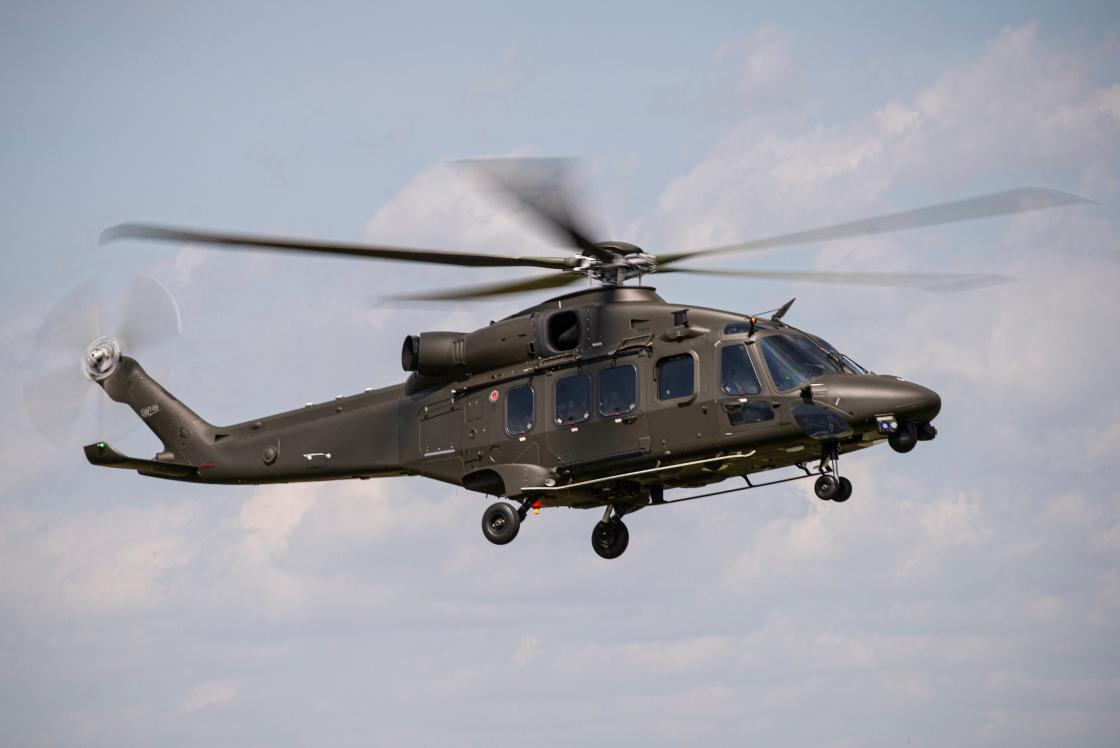
The UK Ministry of Defence has awarded Leonardo UK a £1 billion contract to deliver 23 AW149 helicopters under the New Medium Helicopter (NMH) programme, with assembly and delivery centred on the company’s Yeovil site in Somerset.
Government statements accompanying the award framed the deal as both a capability upgrade and an industrial commitment, with Yeovil positioned as a long-term centre for military helicopter production. The contract is also tied to a wider push on uncrewed and autonomous aviation, including further investment in Leonardo’s Proteus demonstrator programme.
The agreement is expected to sustain 3,300 jobs linked to the Yeovil operation, including 650 people working directly on NMH, with additional roles associated with autonomous systems activity, and through-life support and manufacture for the UK’s Merlin and Wildcat fleets. Ministers also pointed to a UK supply chain of nearly 70 companies as part of the programme footprint, reflecting the breadth of sub-tier work typically carried by rotorcraft production, from machined structures and wiring looms to interiors, ground support equipment, and test services.
The government said international orders for NMH and other Leonardo helicopters built in Yeovil could generate more than £15 billion in exports over the next decade, and that the deal increases UK workshare for the AW149 to above 40%. It also cited “around 20 countries” with requirements for new medium-lift helicopters, underscoring why the industrial line is being presented as more than a one-off domestic build.
Proteus sits alongside this narrative. The Royal Navy has described Proteus as designed and manufactured at Yeovil, with the aircraft completing ground-running trials at the site before conducting its first flight from Predannack airfield in Cornwall. The programme has been presented as a £60 million effort supporting 100 jobs, and as a demonstrator for operating uncrewed aircraft alongside crewed platforms in future operational concepts.
Yeovil production ramp and integration
Building 23 aircraft is a manageable number by fixed-wing standards, but it still creates a sustained production tempo for a rotary line that must balance assembly flow, flight-test capacity, and concurrent support obligations. The AW149’s UK configuration will need to be built, tested, and accepted against Ministry of Defence requirements, with the predictable pinch points landing in long-lead assemblies, instrumentation, and system integration.
Defence Secretary John Healey said: “This defence investment works for Britain on every level. It strengthens our Armed Forces, secures thousands of skilled British jobs, and sets up big export opportunities.” In practical terms, those export ambitions depend on repeatability: stable build standards, reliable supplier performance, and a demonstrably controlled configuration that a follow-on customer can adopt without re-engineering the whole industrial plan.
Supply chain and autonomy workshare
For UK suppliers, the headline figure is not only the platform count, but the steadying effect on qualified processes, specialist tooling, and a trained workforce. The government’s stated supply chain scale signals a broad distribution of content, which matters for resilience when individual machine shops or electronics houses are already stretched across civil aerospace, energy, and defence work.
Nigel Colman, Managing Director of Helicopters UK at Leonardo, said: “We welcome the decision to award the New Medium Helicopter contract to supply medium-lift helicopters to the Ministry of Defence, as well as the continued investment in Proteus.” That pairing matters industrially because autonomy development is not a side project; it competes for engineers, technicians, and test infrastructure, and it pulls software, sensors, and safety assurance deeper into the rotorcraft production ecosystem.