IN Brief:
- Neros has committed up to £10m over five years for a Swindon-area UK headquarters and production footprint.
- The company is targeting domestic manufacture of FPV strike drones and associated control equipment for allied users.
- The move aligns with coalition-driven demand for scalable, security-assured UAS supply chains in Europe.
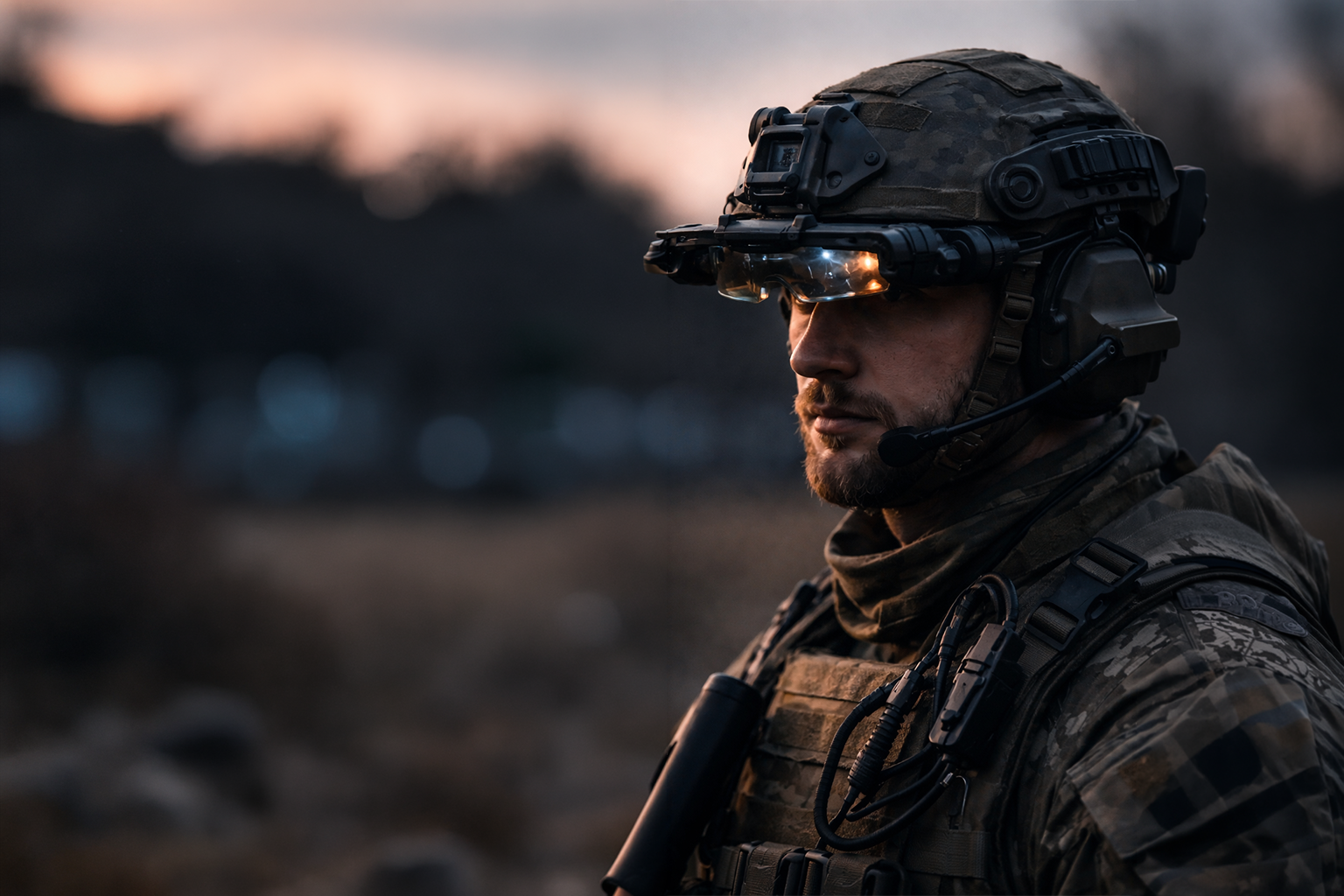
Neros Technologies has established a UK subsidiary and headquarters in the Swindon area, with up to £10m planned investment over five years. The company says the site will be used to manufacture first-person view (FPV) uncrewed aerial systems in the UK for the British Armed Forces and European allies, adding onshore capacity to a market that has shifted from niche procurement to repeatable consumption.
The Swindon move follows Neros’ earlier engagement in UK FPV trials and drone deliveries to the Ministry of Defence via the International Drone Capability Coalition, which is coordinated by the UK alongside Latvia. It also follows the establishment of Neros UA in Ukraine, which the company describes as part of its effort to support allied forces with closer-to-frontline production and sustainment.
Founded in 2023, Neros has built its profile around the industrialisation of attritable FPV strike systems, where output volume, supply chain provenance, and electronic-warfare resilience tend to decide utility as much as airframe performance. The company’s Archer FPV platform has been fielded for US Department of Defense use under the Blue UAS framework, and US Marine Corps reporting from a 2025 showcase describes the system executing long-range strike and interception profiles while carrying a small payload at range.
Hugo Crawford, Europe Growth Lead at Neros, said: “The establishment of Neros UK and opening our headquarters in a key drone manufacturing hub is a milestone as we look to bring our world-leading intellectual property and operational infrastructure to UK and allied forces around the world.”
Manufacturing and assurance requirements
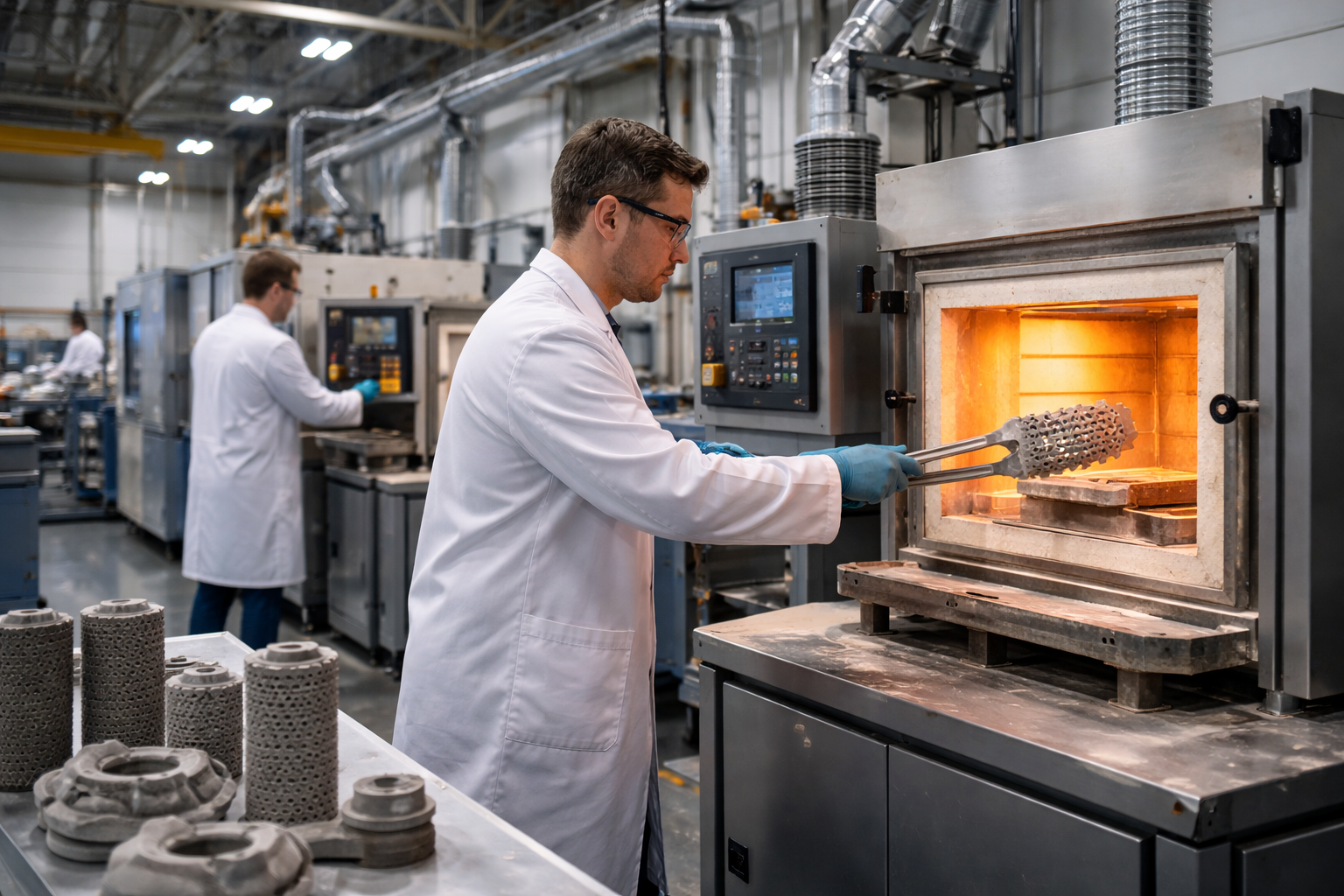
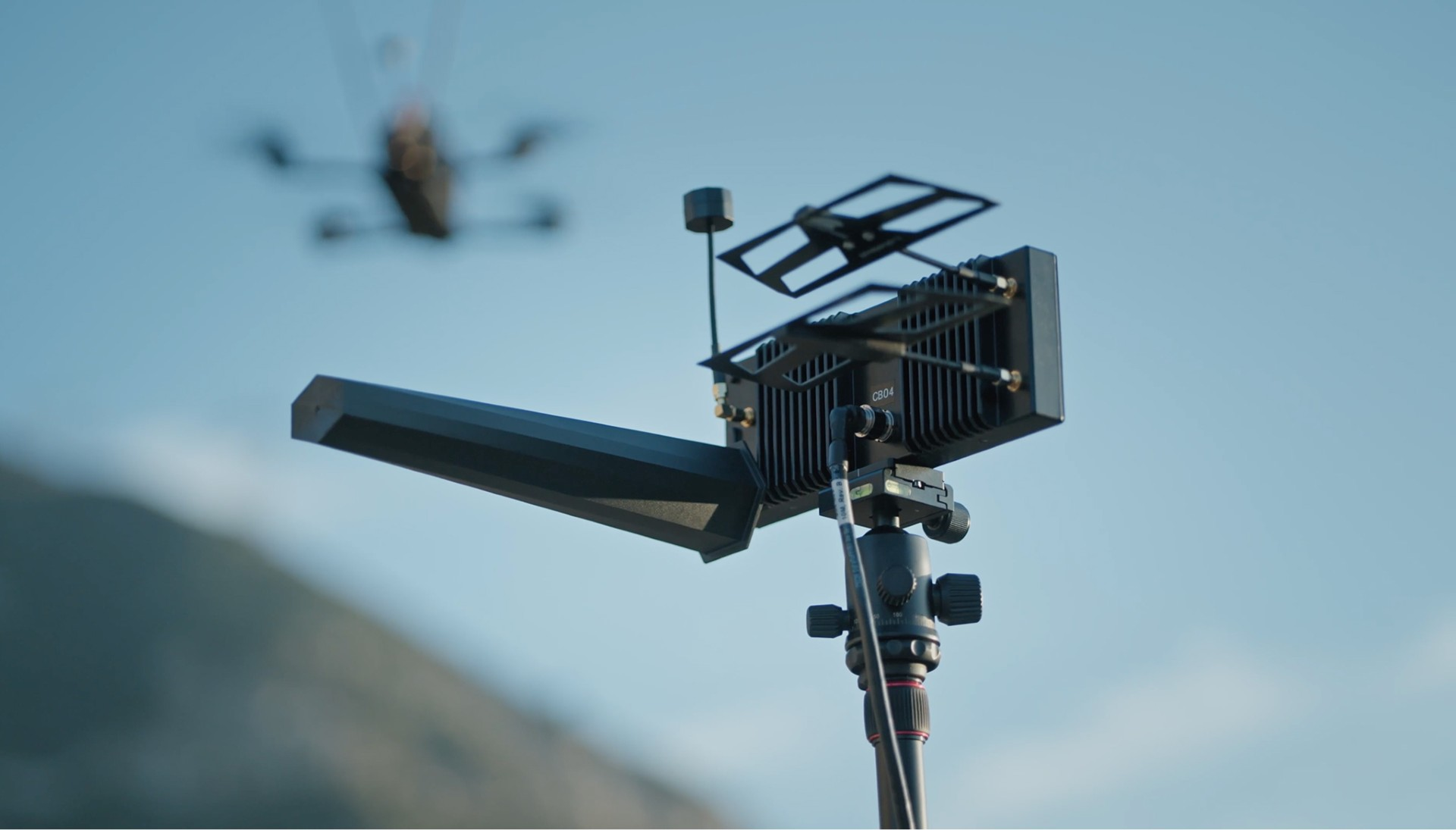
Scaling FPV systems into a defence supply chain is less about airframes and more about repeatable electronics, batteries, radios, and verification. The Blue UAS model is effectively a bill-of-materials and cyber assurance exercise, demanding traceability down to sub-components, firmware, and update pathways. For UK production, the practical work is building a consistent, auditable manufacturing route — from PCB population and conformal coating, through RF calibration and antenna matching, to software loading, secure key handling, and final functional test.
Neros has positioned Archer around “China-free” sourcing for critical components. If that posture carries into a UK line, it will push procurement toward allied-origin inertial sensors, compute, storage, power electronics, and RF components, with knock-on effects on lead times, unit cost, and test burden. None of that is unusual in defence electronics; the difference is the intended cadence, which is closer to consumer manufacturing than traditional aerospace.
What Swindon has to build
Swindon is increasingly being treated as a drone production cluster, but the bottleneck is rarely floorspace. The harder constraint is production engineering: yield management, component supply continuity, and end-of-line test capacity that can keep up with rapid design iterations without turning every change into a requalification event. For FPV platforms, that means disciplined configuration control, fixture design for fast assembly, and flight-test throughput that validates batch quality rather than one-off prototypes.
The Drone Capability Coalition has already signalled the scale it wants from suppliers, with tendered timelines that compress delivery and evaluation windows and point toward sustained monthly output if platforms clear testing. That is the operating reality Neros is now stepping into.