IN Brief:
- Non-kinetic defeat reduces collateral risk in defended areas.
- Coyote 3NK is positioned as recoverable and redeployable for repeated engagements.
- Demonstration aligns with scaling under the Army’s LIDS architecture.
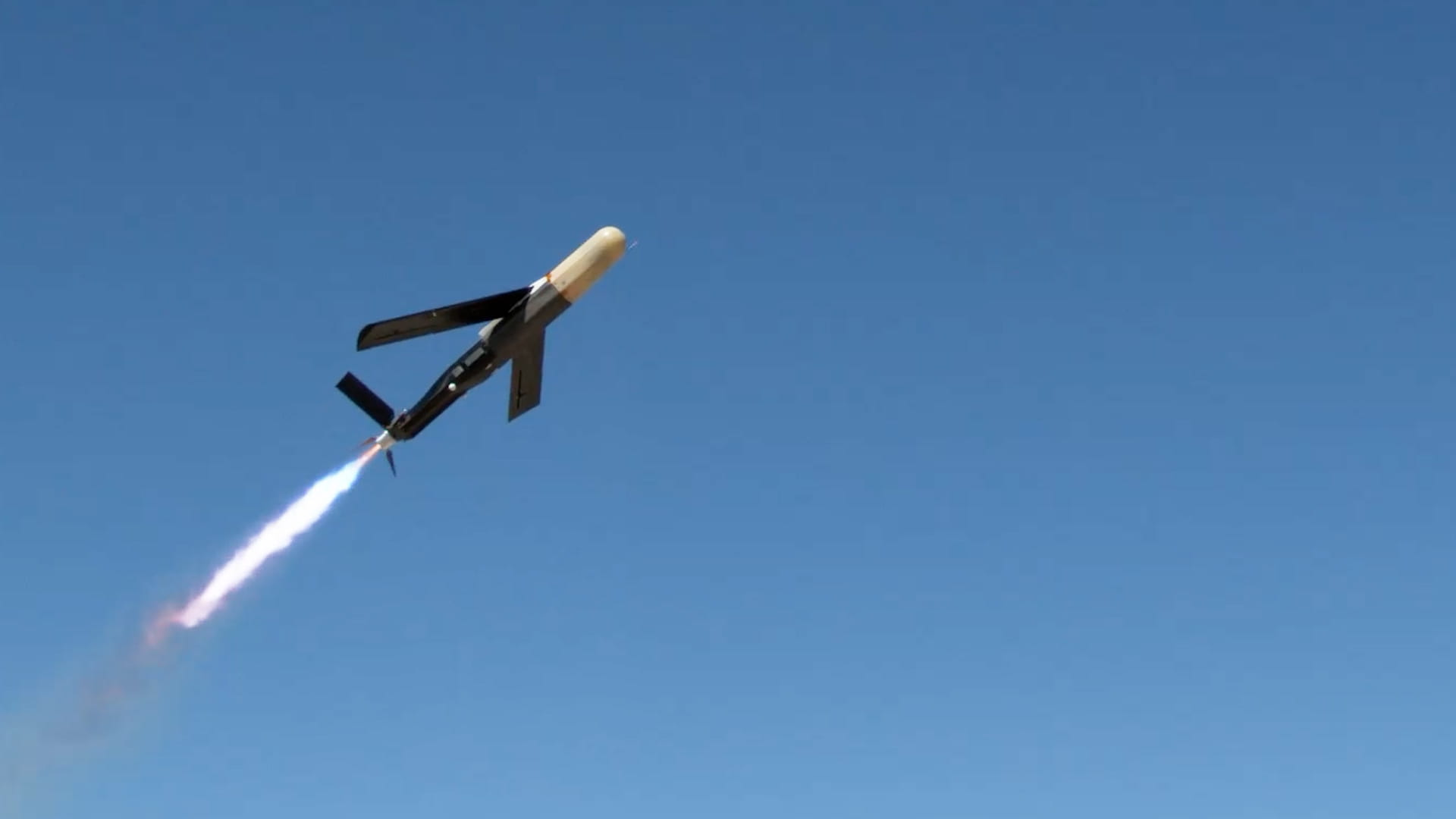
Raytheon, an RTX business, has demonstrated its Coyote Block 3 Non-Kinetic (3NK) counter-uncrewed air system defeating multiple drone swarms during a recent U.S. Army demonstration, highlighting a recoverable effector concept intended to stretch magazine depth without driving up per-engagement cost.
RTX said the system used a non-kinetic payload to neutralise drones while minimising collateral damage, with the interceptor able to loiter, engage, then be recalled and redeployed for additional engagements. That recoverability is central to the pitch: it offers a route to repeated defeats without expending a full kinetic round each time, while preserving the option to mix kinetic and non-kinetic variants across the wider Coyote family.
“Coyote provides warfighters a cost-effective defense for individual drones and swarms,” said Tom Laliberty, president of Land & Air Defense Systems at Raytheon. The company said it has invested in production and performance enhancements across the Coyote family to match demand for affordable counter-UAS effectors, including upgrades aimed at faster launches, higher speeds, and greater range at higher altitudes to counter UAS threats carrying heavier payloads over longer distances.
Details of the event indicate the test was conducted in association with the U.S. Army’s Integrated Fires / Rapid Capabilities Office at Yuma Proving Ground, Arizona, with the effector integrated into the broader Low, Slow, Small Unmanned Aircraft Integrated Defeat System (LIDS) architecture. In earlier demonstrations of the 3NK concept, the system has been associated with fixed-site configurations supported by Ku-band radar cueing and launch infrastructure, indicating an emphasis on defendable sites where persistent surveillance and rapid re-engagement are required.
The broader operational backdrop is a continued shift in the threat from individual small drones to mixed, coordinated swarms designed to saturate sensors, complicate track management, and force expensive expenditure. Non-kinetic options — whether electronic effects, directed energy, or other mechanisms — are increasingly valued for their ability to deliver defeat without the blast footprint of kinetic intercept, particularly around infrastructure, logistics hubs, and forward bases.
Raytheon said the demonstration also showed launch, flight, intercept, and recovery performance, positioning 3NK as an operationally reusable asset rather than a one-shot effector. For operators, the practical test is whether reuse and refurbishment cycles can be sustained under field conditions, and whether the system can maintain reliability when tasked repeatedly in short windows.
With counter-UAS demand accelerating across NATO-aligned forces and partner nations, the Army’s LIDS pathway remains an anchor for industrial scaling. The key question now is how quickly production, training, and sustainment can align — before the next iteration of low-cost, high-volume threats arrives.