IN Brief:
- Redwire has disclosed a Stalker sustainment order received during the third quarter of fiscal 2026.
- The package includes US-assembled hybrid-lift batteries and replacement parts for existing aircraft.
- Equipment will support the 2nd Battalion, 13th Aviation Regiment's uncrewed aircraft training activities at Fort Huachuca.
Redwire Corporation has disclosed a follow-on US Army order covering sustainment equipment for its Stalker uncrewed aircraft, including replacement parts and US-assembled hybrid-lift batteries supporting specialist aviation training.
The company confirmed the order on 11 November 2026, stating that it had received the award during the third quarter of its fiscal year. The contract was placed by the 1st Aviation Brigade of the US Army Aviation Center of Excellence, rather than being newly awarded on the announcement date.
Equipment will be delivered to the 2nd Battalion, 13th Aviation Regiment at Fort Huachuca, Arizona. The unit operates within the Army’s uncrewed aircraft training organisation, where Stalker supports advanced instruction involving mission-capable aircraft and associated ground equipment.
Redwire has not disclosed the order value, number of batteries, quantity of replacement components, or delivery schedule. The award concerns sustainment of an existing training fleet rather than a newly announced purchase of additional Stalker aircraft.
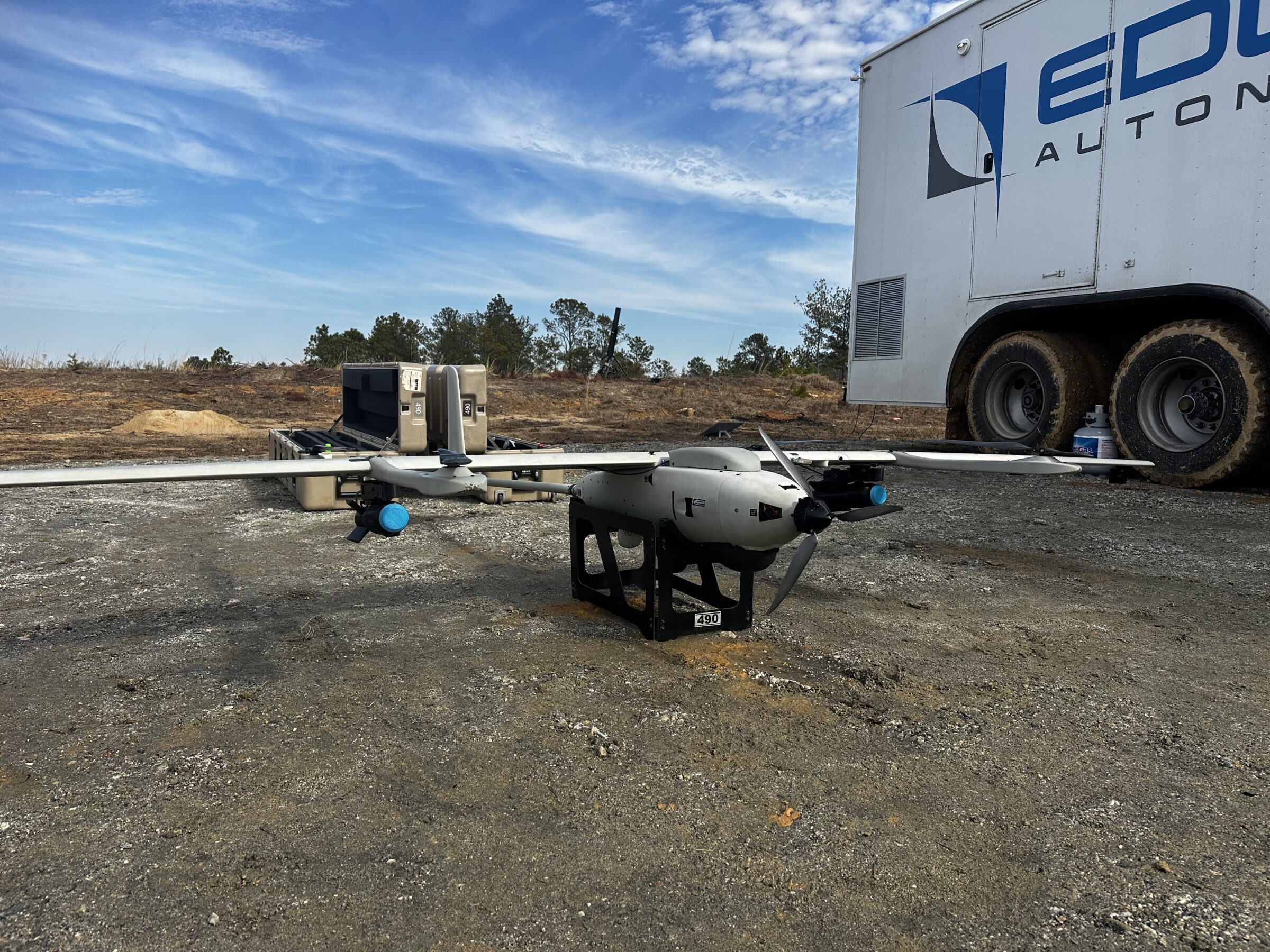
Stalker is a fixed-wing uncrewed aircraft developed by Edge Autonomy, now part of Redwire’s defence technology business. The platform supports intelligence, surveillance, reconnaissance, and other specialist missions using aircraft configurations designed for deployment in different operational environments.
Maintaining such aircraft requires continuing access to components that are consumed, damaged, or replaced during normal operation. Aircraft availability depends on the condition of the airframes and propulsion equipment as well as batteries, electronic systems, ground support tools, and other maintenance resources.
The latest order specifically identifies hybrid-lift batteries assembled in the United States. These form part of the energy equipment supporting Stalker configurations that combine vertical lift capability with fixed-wing flight.
Hybrid-lift operation places different demands on the aircraft’s systems during vertical take-off, transition, cruise flight, and landing. The power required during each phase must be supported by equipment appropriate to the particular aircraft configuration, although Redwire has not identified the battery chemistry or energy capacity in the new order.
Battery performance is influenced by electrical characteristics, temperature, state of charge, and the condition of individual cells or modules. The associated management equipment must provide the monitoring and protection functions required by the aircraft installation.
For a training fleet, energy-system maintenance also affects the number of flying activities that can be completed. Batteries may require charging, inspection, replacement, or other approved servicing between missions, making the availability of suitable spare equipment an important part of scheduling operations.
The replacement components covered by the follow-on order have not been individually identified. Redwire has not established whether they include airframe parts, propulsion equipment, electronics, payload components, or ground support items beyond the disclosed batteries.
Training aircraft are exposed to repeated launch, recovery, and mission cycles. Maintaining sufficient replacement equipment allows instructors and maintenance personnel to manage routine wear and service requirements without relying on emergency procurement whenever a component reaches the end of its approved operating life.
The Army’s advanced individual training activities also require aircraft whose equipment is representative of the systems operators may subsequently encounter. Differences in flight-control behaviour, sensors, communications, and ground station procedures can affect the training needed to operate a particular platform safely and effectively.
Redwire has emphasised continuity between the equipment used during instruction and systems employed in operational environments. The company says its Stalker training incorporates lessons from substantial previous flight activity, although it has not disclosed the precise changes implemented through the latest support order.
The manufacturer reports experience accumulated over hundreds of thousands of flight hours across six continents. That description relates to its wider operating and development experience and should not be interpreted as the flight-hour total of the particular Fort Huachuca training fleet.
The Stalker family has been used by US military organisations, including the Army and Marine Corps, and has undergone testing and development for different missions. Its integration with mission equipment and supporting command systems has been an important part of the manufacturer’s development activity.
Operating uncrewed aircraft in different configurations requires disciplined control of equipment versions. Replacement components must be compatible with the aircraft receiving them, while applicable software, electrical interfaces, and maintenance procedures must remain consistent with the approved configuration.
Domestic assembly of the batteries provides an identified US manufacturing element within the sustainment programme. Redwire has not named the assembly facility, disclosed the origin of individual battery materials, or claimed that every component is manufactured domestically.
Redwire’s defence business combines uncrewed aircraft with specialist optics and energy technologies. The company’s existing product and engineering capabilities provide the context for the support arrangement, but the November order does not identify a new research programme or a separate aircraft development contract.
Previous Stalker procurement has included aircraft orders for other military users. Those commitments are distinct from the latest sustainment work, which is directed towards maintaining the availability of equipment already used for Army aviation training.
The relationship between initial equipment procurement and continuing sustainment is particularly important for training programmes operating over several years. Aircraft must remain serviceable after delivery, requiring a dependable supply of approved components, technical information, and maintenance capability.
The latest order provides additional material support for the Fort Huachuca fleet. Its commercial scale remains undisclosed, with subsequent deliveries and any further support awards determining the extent of Redwire’s continuing work under the Army training arrangement.