IN Brief:
- Rolls-Royce MT30 engines will power Australia’s planned fleet of up to 11 upgraded Mogami-class general-purpose frigates.
- The first three ships will be built in Japan by Mitsubishi Heavy Industries, with the first delivery scheduled for 2029.
- The selection reinforces the role of UK naval propulsion in Indo-Pacific shipbuilding and long-term Australian sustainment.
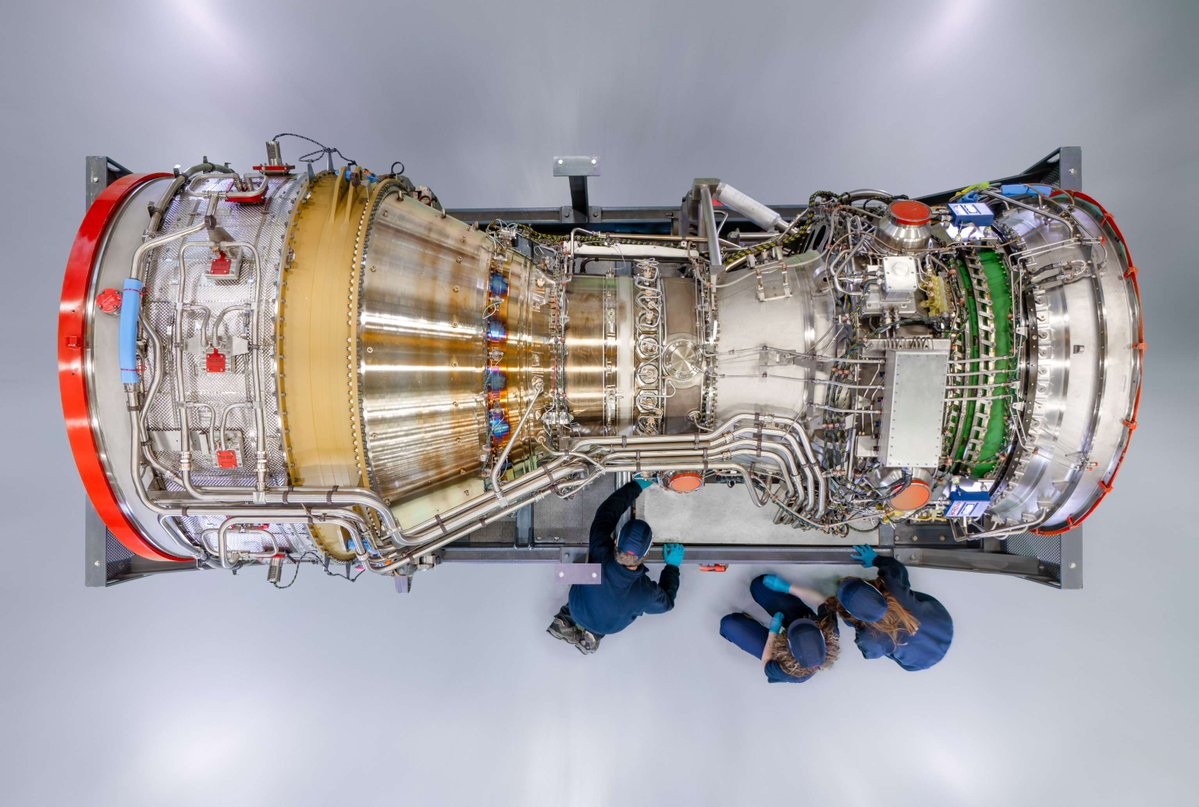
Rolls-Royce’s MT30 marine gas turbine has been selected to power Australia’s upgraded Mogami-class general-purpose frigates, extending the engine’s role across advanced naval platforms.
Australia selected Japan’s upgraded Mogami design for its general-purpose frigate requirement, with the first three ships to be built by Mitsubishi Heavy Industries in Japan. The first ship is scheduled for delivery to the Royal Australian Navy in 2029 and operational service in 2030.
The MT30 will be used across a fleet of up to 11 ships. The same engine already powers the Japanese Mogami class and has also been selected for Australia’s Hunter-class frigates, giving the Royal Australian Navy a measure of propulsion commonality across future surface combatants.
The upgraded Mogami design brings a range of up to 10,000 nautical miles, a 32-cell vertical launch system, surface-to-air and anti-ship missile capability, and the ability to operate the MH-60R Seahawk maritime combat helicopter. The platform forms part of Australia’s plan to expand its surface combatant fleet and strengthen naval shipbuilding capacity.
Propulsion production
The MT30 is designed, assembled, and tested at Rolls-Royce’s Bristol site in the UK, placing the Australian frigate decision directly into the British naval propulsion supply chain.
The wider powertrain package includes mtu Series 4000-based diesel generator sets from Rolls-Royce Power Systems, supplied through Daihatsu InfinEarth. Those generator sets will provide onboard power for ship systems, adding a second Rolls-Royce production channel into the programme beyond the main gas turbine.
Sustainment and fleet commonality
Naval gas turbines require enclosure manufacture, integration, testing, spare-part pipelines, training, diagnostics, and through-life engineering. In Australian service, the MT30 will sit inside a sustainment model that moves from early Japanese-built ships into local support and future construction work in Western Australia.
The engine already has a broad naval base, including the Royal Navy’s Queen Elizabeth-class aircraft carriers and Type 26 global combat ship, the U.S. Navy’s Freedom-class littoral combat ship variant and Zumwalt-class destroyer, and frigate programmes in South Korea and Japan. Australia’s selection adds another Indo-Pacific fleet to that production and support footprint.