IN Brief:
- Rosoboronexport is offering support for domestic manufacture of the export-model T-90MS.
- The proposal leans on India’s established T-90 assembly and supplier ecosystem.
- Any shift to a newer variant will hinge on tooling, QA, and subsystem localisation.
Russia’s state arms exporter Rosoboronexport has said it is prepared to assist India in establishing local production of the T-90MS main battle tank, framing the offer around existing facilities and supply chains already supporting India’s T-90 fleet.
The proposal was made as Rosoboronexport marked 25 years since the first T-90 agreement was signed on 15 February 2001, which covered deliveries of fully built tanks as well as semi-knocked down and completely knocked down kits for assembly in India. Rosoboronexport’s stated approach is to manufacture the newer T-90MS at the same facilities where T-90S variants are produced, accelerating any transition by leaning on components and ammunition already mass-produced in India.
“As part of the Make in India program, we offer our Indian partners further cooperation and are ready to assist in organizing the production of the latest T-90MS tank,” Rosoboronexport said.
While Rosoboronexport has not announced a new contract tied to the offer, India’s existing industrial base for T-90 assembly provides a practical foundation. India signed a contract in 2019 worth around INR200 billion (about US$2.8 billion) for licensed manufacture of 464 additional T-90S tanks, with production centred on the Heavy Vehicles Factory in Avadi, and a long-running ecosystem of local suppliers supporting assemblies, consumables, and spares.
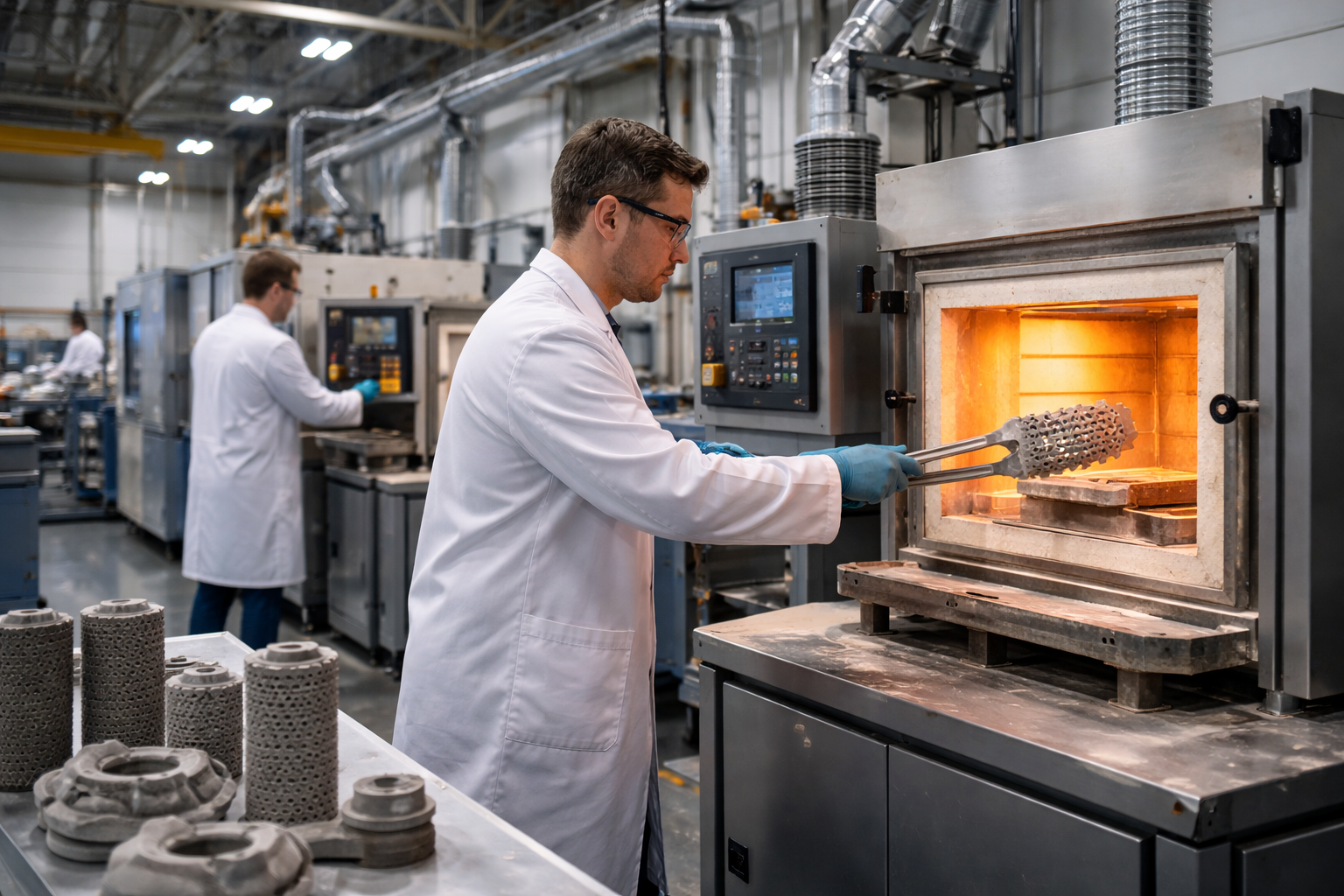
For India, the industrial attraction is line continuity. Keeping production on an established tank line avoids the cost and schedule hit of a greenfield build, but it still requires requalification of tooling, updated work instructions, new inspection criteria, and a structured transition plan for any changed subsystems. Powerpack integration, electronics installation, and turret assembly are typically the high-sensitivity stations, where small process drift becomes field reliability issues.
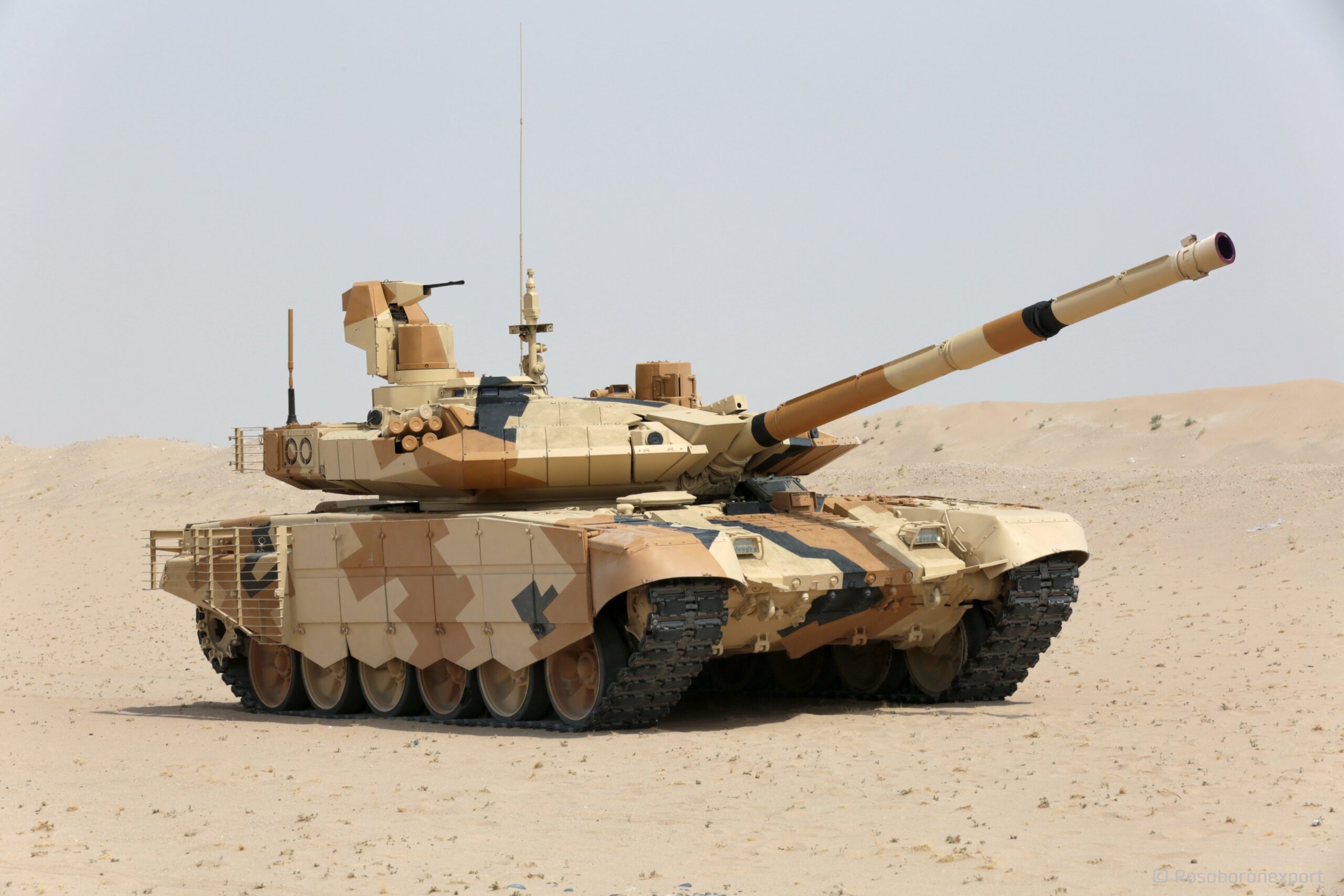
The T-90MS, first shown publicly in 2011 as an export evolution of the series, is generally associated with updated protection and fire-control subsystems and a higher-output diesel engine configuration. Even if the hull and many mechanical assemblies remain broadly familiar to the line, the variant’s deliverability depends on supply of optics, sensors, electronics modules, and protection elements that may have different localisation paths and different test regimes.
Variant transitions in armoured production tend to expose two persistent problems: supplier readiness and configuration control. A tank programme can tolerate long lead items — it cannot tolerate undocumented substitutions. That pushes manufacturers toward tighter incoming inspection, traceable parts, and disciplined deviation management, especially for electronic assemblies and protection systems.
Sustainment is the other lever. If local production is to reduce lifecycle cost, it needs local repair capability for key subsystems, not just final assembly, along with repeatable spares manufacture and test equipment that can validate repaired modules. Any next step on T-90MS production will be judged less by headlines and more by the unglamorous metrics — accepted vehicles per month, repeat faults per 1,000 km, and the depth of spares availability once tanks are in unit service.