IN Brief:
- The National Wealth Fund is investing £113m in UFORCE as part of its $700m Series A financing.
- UK expansion covers engineering, software, training, and uncrewed vessel production, with more than 70% British content planned for UK-built boats.
- The MV7 maritime variant and long-range remote demonstration illustrate development activity, while customer orders and UK output remain undisclosed.
UFORCE is expanding its British engineering and autonomous systems manufacturing operations following a $700 million Series A financing round that includes £113 million from the UK National Wealth Fund. The Ukrainian-founded, London-headquartered company develops uncrewed platforms for maritime, land, and airborne applications, together with software for command, control, and coordination. The new investment, disclosed on 12 November, is intended to increase manufacturing capacity in the UK and internationally while strengthening the industrial supply chain supporting allied defence customers.
The National Wealth Fund’s contribution is an equity investment equivalent to approximately $150 million, rather than a defence procurement contract. UFORCE said the wider financing values the company at $6 billion and was co-led by the National Wealth Fund and Valor Equity Partners. Investors include the US-Ukraine Reconstruction Investment Fund, alongside other technology and venture investment groups. The funding is intended to support expansion, staffing, research, development, and production, but it does not itself establish the number of vehicles that UK or allied forces will order.
British operations are expected to grow across engineering, software, artificial intelligence, training, and manufacturing. The Ministry of Defence said the company intends to source more than 70% of the content of each UK-built uncrewed boat from British suppliers. The planned supply arrangements encompass hulls, engines, electronics, and final fit-out. This creates potential work for a range of specialist suppliers, although the percentage is a stated production target rather than an independently audited figure for boats already manufactured under the expansion.
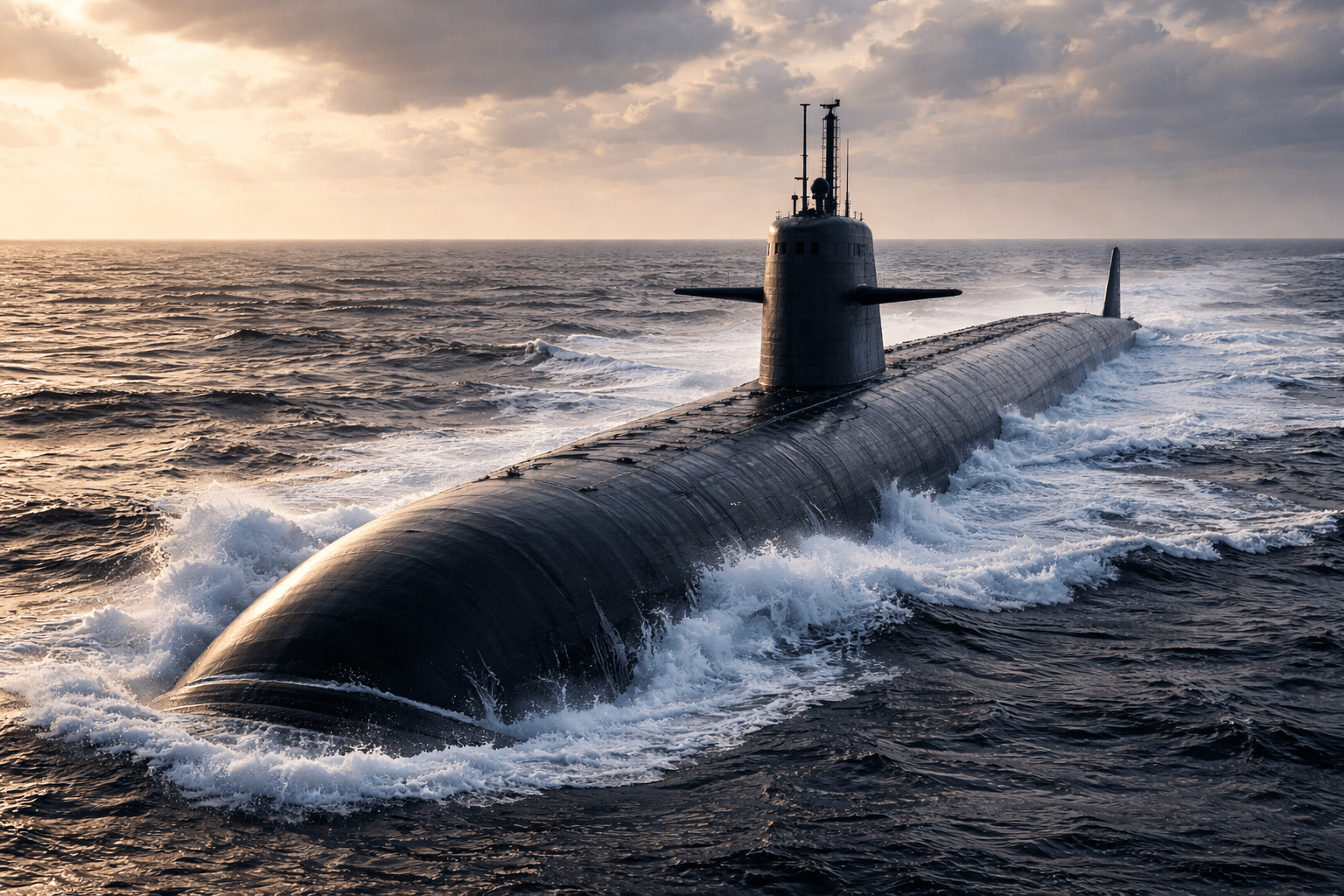
The maritime programme includes UFORCE’s MV7, a UK-developed variant of its MAGURA family introduced in August. The company has described adaptations for North Atlantic conditions, including colder water and higher sea states than those common in its earlier operating environment. A vessel configured for those conditions has to be evaluated for propulsion reliability, onboard electrical power, watertight enclosures, radio links, and safe launch and recovery. Higher sea states can affect the ability to recover a vehicle and impose additional loads on its structure and equipment; the latest investment announcement does not publish the MV7’s detailed test results or operating limits.
During a demonstration aboard HMS Prince of Wales in Norway, Defence Secretary Wes Streeting remotely controlled a UFORCE MV7 operating near Portugal more than 1,500 miles away, according to the Ministry of Defence. The event established that the craft could be controlled remotely over that distance in the demonstrated conditions. The public account does not identify the communications architecture, endurance, or behaviour under loss of connection. Reliable remote operation requires coordination between onboard navigation, mission software, communications, and the operator, particularly when a vessel must continue safely after a temporary interruption to the control link.
UFORCE also develops software for coordinating multiple uncrewed platforms. Integrating that software with allied vessels and military networks will require the control system to exchange platform identity, tasking, sensor information, and status data without confusing the authority of operators responsible for individual craft. Different national safety requirements and mission equipment can introduce further configuration and qualification work. A single-vessel demonstration does not establish how a multi-vessel command arrangement would perform when one craft loses communications or requires recovery. The company has not published newly certified interfaces or a timetable for deployment to particular British units as part of this financing package.
The UK expansion also includes apprenticeships developed with universities and colleges. Production of uncrewed systems requires fabricators, electrical technicians, systems integrators, inspectors, and maintenance specialists alongside software and autonomy engineers. Assembly capacity will depend partly on whether suppliers can provide qualified components and whether inspection and test facilities can clear completed equipment without creating backlogs. Each production configuration needs controlled documentation and repeatable acceptance procedures, particularly where hulls, sensors, propulsion units, and mission payloads may change between orders. UFORCE has not disclosed a firm number of British-built vessels to be delivered under the enlarged operations.
UFORCE has identified countries within the Joint Expeditionary Force and requirements for northern European maritime operations as potential areas of demand. Building the systems in Britain would add a manufacturing and engineering base to the company’s existing Ukrainian operations, with a larger UK supplier network for hulls, engines, electronics, and fit-out. The pace of expansion will depend on establishing those supplier relationships, qualifying equipment for the intended operating environment, and completing production and test work. The disclosed financing provides capital for that expansion; individual customer orders, UK production volumes, and in-service dates remain to be confirmed.