IN Brief:
- Volkswagen’s Osnabrück site faces a post-2027 gap, creating an opening for alternative industrial use and potential preservation of 2,300 jobs.
- The reported scope centres on Iron Dome-related trucks, launch units, and generators rather than interceptor or munitions production.
- The bigger industrial question is whether Europe can repurpose automotive capacity for defence programmes without losing cost control, skills, or certification discipline.
Volkswagen’s Osnabrück plant may yet end up as one of the clearer symbols of Europe’s industrial realignment. Talks are under way over using the site for components linked to Rafael’s Iron Dome system, with the focus reportedly falling on heavy transport trucks, launch units, and power generators rather than missile manufacture itself. For a factory built around car production, that distinction matters.
Osnabrück has been looking for a future role since Volkswagen confirmed that T-Roc Cabriolet production there will run only until mid-2027 and that alternative uses for the site are being explored. The plant employs around 2,300 people. A defence-adjacent conversion would therefore serve two purposes at once: it would give Volkswagen a post-automotive use for an exposed assembly site, and it would offer Europe another route to expand air-defence capacity without waiting for a greenfield facility.
Volkswagen has ruled out direct weapons production at the site, which makes the current outline more plausible than a full missile plant. The reported manufacturing scope sits much closer to heavy vehicle integration and industrial systems work than to warhead handling or interceptor assembly. In other words, this is less about turning a car factory into an ammunition line than about using automotive competence for the mobile hardware around an air-defence battery.
That sits inside a broader European trend. Air and missile defence has moved sharply up procurement priorities, and Germany has pushed itself toward the centre of the continent’s layered air-defence buildout through programmes including Arrow 3 and the European Sky Shield Initiative. In that environment, support equipment is no sideshow. Trucks, launch architecture, power generation, cabling, mobility integration, and field support all determine how quickly a battery can be deployed, sustained, and exported.
Retooling automotive lines for defence work
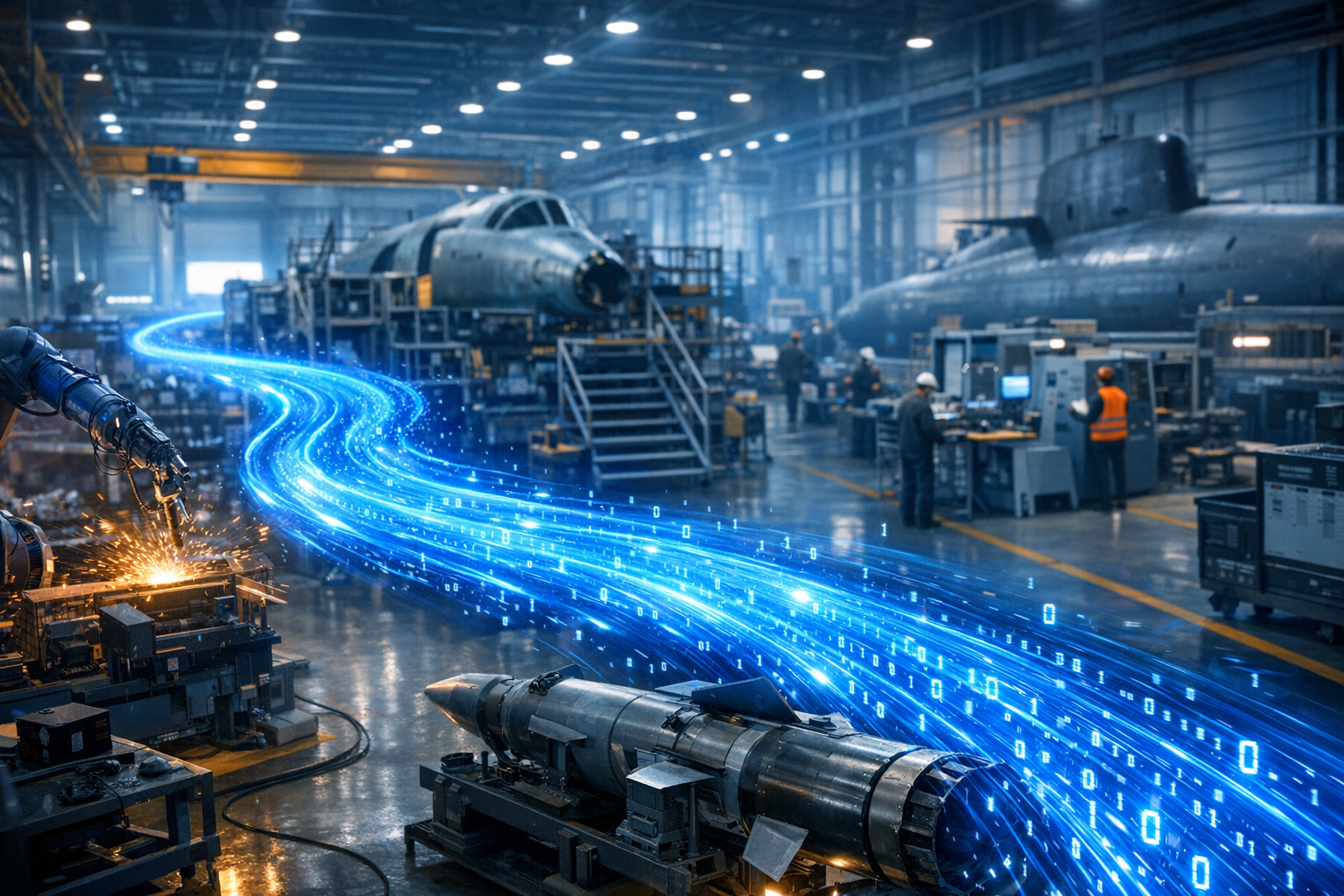
From a manufacturing perspective, Osnabrück is not a strange fit. Automotive plants are built around disciplined assembly flow, supplier management, testing, traceability, and quality control. Those are transferable skills. A line producing heavy transport vehicles or launcher structures would still rely on welded assemblies, harness installation, electrical integration, thermal management, paint and corrosion protection, and final acceptance procedures.
The more useful crossover is cultural rather than mechanical. Automotive production is unforgiving on repeatability and process control. Defence programmes, especially those expanding quickly, often struggle when subsystem integration outruns production discipline. A site accustomed to serial output and structured quality gates can help with that, provided the product mix is realistic. Trucks, generator sets, mobility modules, and launcher support structures are far easier to industrialise in that environment than interceptors or sensitive missile electronics.
There is also a labour question. Europe’s defence expansion has repeatedly run into shortages in skilled manufacturing, integration, and sustainment roles. Repurposing an existing workforce is one answer, though only if the new work is matched properly to what that workforce can do without years of retraining or a major security rebuild.
What a conversion would still require
None of this makes the shift simple. Automotive and defence production do not run on the same logic. Car plants chase high volumes, takt time, and relentless cost reduction. Defence production, particularly in air defence, is lower-volume, higher-mix, and burdened by qualification, configuration control, export compliance, security segregation, and long sustainment tails. Supplier lists would need to be reworked. Documentation and inspection regimes would tighten. Some areas of the plant would almost certainly need physical and digital separation from civilian operations.
There is also the question of industrial sovereignty. European governments are not only buying systems now; they are increasingly looking for local assembly, support, and technology footholds that reduce dependence on distant supply chains. Osnabrück could fit that pattern if the programme scope stays on support equipment and system integration.
If the talks advance, the plant will become more than a rescue story for one automotive site. It will become a test case for whether Europe can use underemployed civilian manufacturing capacity to thicken its defence-industrial base quickly, without pretending that a car line and an air-defence programme are the same thing. They are not. But they are now close enough for industry to start making the numbers work.